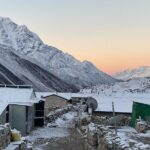
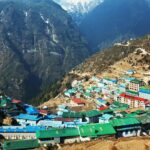
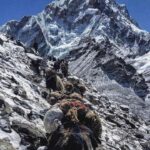
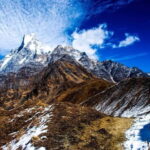
As the sun crests over the majestic peaks of the Himalayas, a group of adventurous souls embark on a journey that will test their limits and ignite their spirits.
The Everest Base Camp Trek for beginners offers an 11-day itinerary that promises awe-inspiring landscapes, challenging trails, and unforgettable experiences.
From the bustling streets of Kathmandu to the remote villages nestled high in the mountains, this trek is a gateway to a world of natural beauty and personal triumph.
But what does this journey entail? What can beginners expect as they venture into the wilderness?
Join us as we uncover the details of this epic adventure, providing insights and tips that will leave you eagerly anticipating the next installment of this remarkable trek.
- Good To Know
- Day 1: Arrival in Kathmandu
- Day 2: Fly to Lukla and Trek to Phakding
- Day 3: Trek From Phakding to Namche Bazaar
- Day 4: Acclimatization Day in Namche Bazaar
- Day 5: Trek From Namche Bazaar to Tengboche
- Day 6: Trek From Tengboche to Dingboche
- Common Questions
- Is the Everest Base Camp Trek Suitable for Beginners?
- What Is the Average Duration of Each Day’s Trek During the Everest Base Camp Trek?
- Are There Any Medical Facilities Available Along the Trekking Route?
- What Is the Weather Like During the Everest Base Camp Trek?
- Are There Any Age Restrictions for Participating in the Everest Base Camp Trek?
- The Sum Up
- The Best Of Kathmandu!
- More Hiking & Trekking Tours in Kathmandu
- More Tour Reviews in Kathmandu
- Not for you? Here's more nearby things to do in Kathmandu we have reviewed
Good To Know

- The trek to Everest Base Camp requires proper acclimatization to the altitude to avoid altitude sickness.
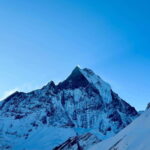
- The trek offers breathtaking views of snow-capped peaks, Sherpa villages, and the Himalayas.
- Cultural immersion is a significant aspect of the trek, with opportunities to explore Kathmandu’s cultural highlights and immerse in Sherpa culture in Namche Bazaar.
- Mental and physical preparation is essential for the trek, including gradual ascent, oxygen intake, and being equipped with the recommended gear.
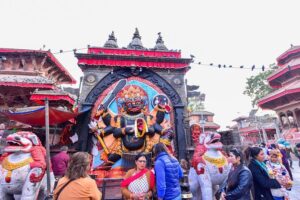
👉 See our pick of the 14 Best Shopping Tours In Kathmandu
Day 1: Arrival in Kathmandu
Upon arrival in Kathmandu, travelers will be greeted with a bustling city filled with vibrant sights and sounds, setting the stage for an unforgettable journey to Everest Base Camp.
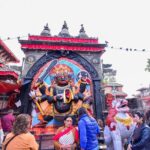
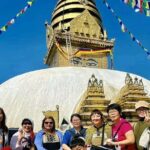
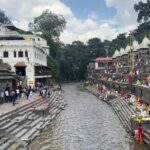
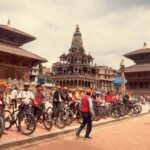
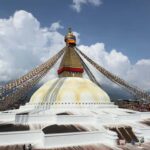
The first day of the trek is spent exploring the cultural highlights of Kathmandu. Travelers can visit the famous UNESCO World Heritage Sites such as the Pashupatinath Temple, Boudhanath Stupa, and Durbar Square, seeing the rich history and spirituality of the city.
Plus, it’s important to prepare for the trek ahead by acclimatizing to the altitude. Tips for flying to Lukla, the gateway to the Everest region, include booking flights in advance due to limited availability and being prepared for a thrilling landing on the short and steep runway.
Altitude sickness can be a concern, so it’s advisable to take precautions such as staying hydrated, ascending slowly, and listening to the guidance of experienced guides.
You can also read our reviews of more hiking tours in Kathmandu
Day 2: Fly to Lukla and Trek to Phakding
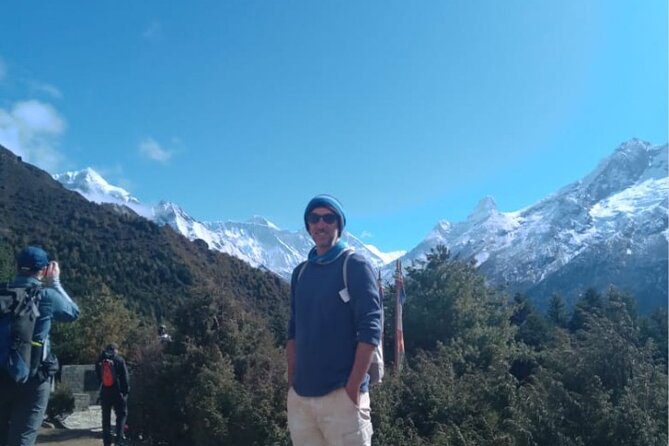
After seeing the rich history and spirituality of Kathmandu, travelers are ready to embark on their adventure to Everest Base Camp by flying to Lukla and trekking to Phakding. Here is what they can expect on Day 2:
Best time to visit Lukla for trekking: The ideal months for trekking to Lukla and Phakding are from March to May and September to November. These months offer clear skies, pleasant temperatures, and stunning views of the surrounding mountains.
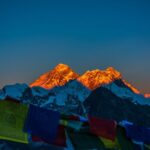
Fly to Lukla: Travelers will take a thrilling 30-minute flight from Kathmandu to Lukla, known as the gateway to the Everest region. The flight offers breathtaking views of the Himalayas and lands on a short, uphill runway.
Trek to Phakding: After landing in Lukla, the trek to Phakding begins. This scenic trail follows the Dudh Koshi River, passing through beautiful forests, charming villages, and suspension bridges. It’s a relatively easy trek that takes around 3-4 hours.
Recommended gear for the trek to Phakding: It’s essential to pack proper trekking gear, including sturdy hiking boots, layered clothing, a good quality backpack, a warm sleeping bag, a hat, gloves, sunglasses, and a water bottle.
Travelers should be prepared for an exciting day of flying, trekking, and seeing the stunning natural beauty of the Everest region.
Day 3: Trek From Phakding to Namche Bazaar
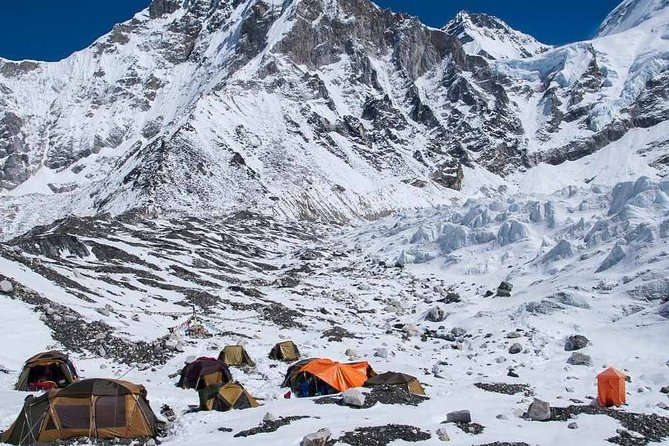
As travelers continue their journey from Phakding to Namche Bazaar on Day 3, they’ll be captivated by the awe-inspiring landscapes and the sense of anticipation that fills the air. The trekking challenges begin to intensify as they ascend further into the Himalayas, but the rewards are well worth it.
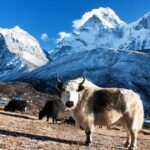
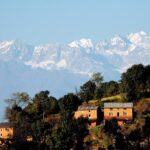
Trekking through lush forests and crossing suspension bridges, they’ll be treated to breathtaking views of snow-capped peaks and quaint Sherpa villages along the way. The trail winds through the Dudh Koshi River Valley, offering glimpses of the majestic Everest in the distance.
As they approach Namche Bazaar, the gateway to the Everest region, the scenery becomes even more dramatic. Nestled in a bowl-shaped amphitheater, surrounded by towering mountains, Namche Bazaar is a bustling hub for trekkers and Sherpa culture.
Day 4: Acclimatization Day in Namche Bazaar
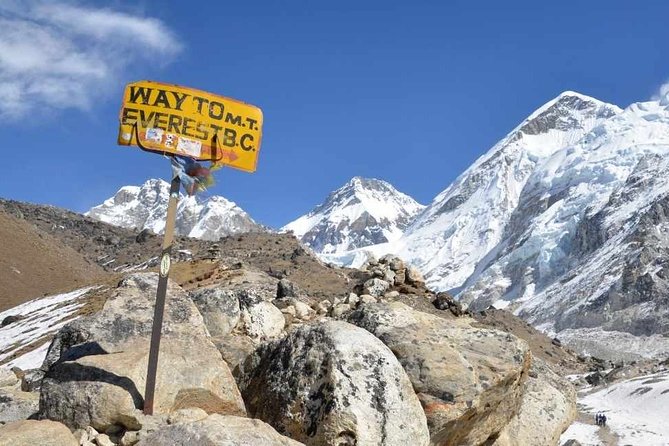
On Day 4 of the Everest Base Camp Trek, trekkers in Namche Bazaar are given the opportunity to acclimatize to the high altitude and enjoy the vibrant Sherpa culture.
Acclimatization is crucial in preventing altitude sickness and ensuring a successful trek. Here are the benefits of acclimatization and how it helps in altitude sickness prevention:
Oxygen intake: Taking a rest day allows the body to adjust to the decreased oxygen levels at higher altitudes, reducing the risk of altitude sickness.
Gradual ascent: Acclimatization days involve short hikes to higher elevations, giving trekkers a chance to gradually adapt to the altitude and minimize the effects of altitude sickness.
Cultural immersion: Namche Bazaar is a lively Sherpa town, offering trekkers a chance to explore the local markets, visit monasteries, and interact with the Sherpa people, seeing the rich Sherpa culture.
Mental and physical preparation: Acclimatization days provide an opportunity for rest and relaxation, allowing trekkers to recharge their energy levels and mentally prepare for the challenges ahead.
Day 5: Trek From Namche Bazaar to Tengboche
The trek from Namche Bazaar to Tengboche offers trekkers breathtaking views of the Himalayas and a chance to explore the famous Tengboche Monastery. As you make your way from Namche Bazaar, you’ll be treated to stunning panoramic vistas of towering peaks like Ama Dablam and Everest. The trail winds through lush forests and crosses suspension bridges, adding to the adventure.
Along the way, you’ll pass through charming Sherpa villages, where you can witness the local way of life and learn about their rich culture. Finally, you’ll arrive at Tengboche, home to the renowned Tengboche Monastery. This Buddhist monastery isn’t only a spiritual sanctuary but also offers magnificent views of the surrounding mountains. It’s the perfect spot to reflect on the journey so far and prepare for the next leg of your adventure.

Day 6: Trek From Tengboche to Dingboche
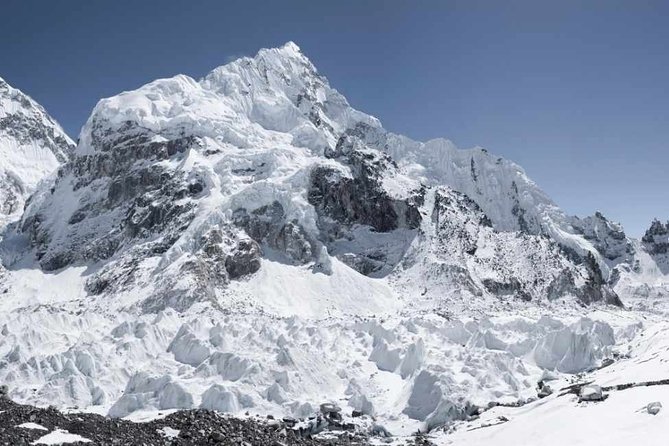
After a rejuvenating stay at Tengboche, trekkers embark on an exhilarating journey from Tengboche to Dingboche, seeing the awe-inspiring beauty of the Himalayas. This leg of the trek presents its own set of challenges and rewards, providing trekkers with a truly memorable experience.
Here’s what to expect on this trekking adventure:
Trekking challenges: The trail from Tengboche to Dingboche involves a gradual ascent and requires a good level of fitness. Trekkers will encounter steep sections, rocky terrain, and high altitude, which can make the trek physically demanding. It’s important to pace oneself and take regular breaks to acclimatize.
Scenic views: Along the way, trekkers will be treated to breathtaking vistas of snow-capped peaks, lush valleys, and picturesque villages. The trail offers panoramic views of Ama Dablam, Lhotse, and Everest, providing ample opportunities for stunning photographs and moments of awe.
Tea houses and villages: The trek passes through charming Sherpa villages and tea houses, where trekkers can rest and refuel. These settlements offer a glimpse into the local culture and way of life, making the journey even more enriching.
Dingboche: After a challenging day of trekking, trekkers will reach Dingboche, a beautiful village nestled in the heart of the Himalayas. Here, trekkers can relax, enjoy the stunning surroundings, and prepare for the next leg of their adventure.
With its trekking challenges and scenic views, the journey from Tengboche to Dingboche is an unforgettable part of the Everest Base Camp trek.
Common Questions
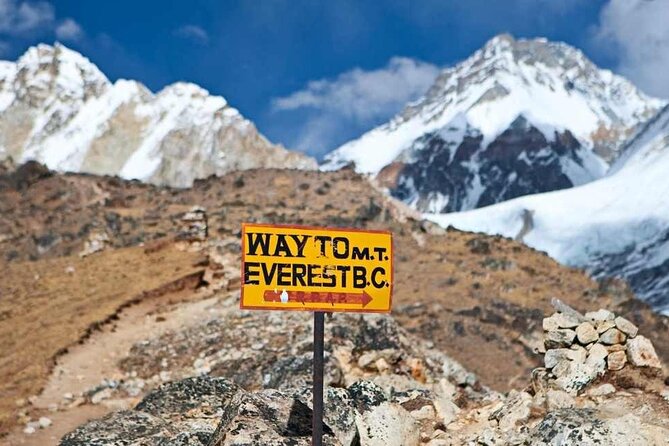
Is the Everest Base Camp Trek Suitable for Beginners?
The Everest Base Camp trek can be challenging for beginners, but with proper preparation and a strong physical fitness level, it is possible to complete. If you’re looking for alternative treks, there are less strenuous options available.
What Is the Average Duration of Each Day’s Trek During the Everest Base Camp Trek?
The average duration of each day’s trek during the Everest Base Camp trek varies depending on factors such as the fitness level of the participants and the specific itinerary. It is important to plan for sufficient rest and acclimatization time.
Are There Any Medical Facilities Available Along the Trekking Route?
Medical facilities along the trekking route of Everest Base Camp are limited. It is important for trekkers to be prepared and have their own altitude sickness management plan in place.
What Is the Weather Like During the Everest Base Camp Trek?
The weather during the Everest Base Camp trek can vary greatly. It is important for beginners to pack appropriate clothing for both cold and warm temperatures. Acclimatization is key to avoid altitude sickness, so taking it slow and allowing time for rest is crucial.
Are There Any Age Restrictions for Participating in the Everest Base Camp Trek?
Age restrictions for the Everest Base Camp trek vary depending on the tour operator. However, it is generally recommended for individuals with a strong physical fitness level. Beginners may find this trek challenging but achievable with proper preparation and guidance.
The Sum Up
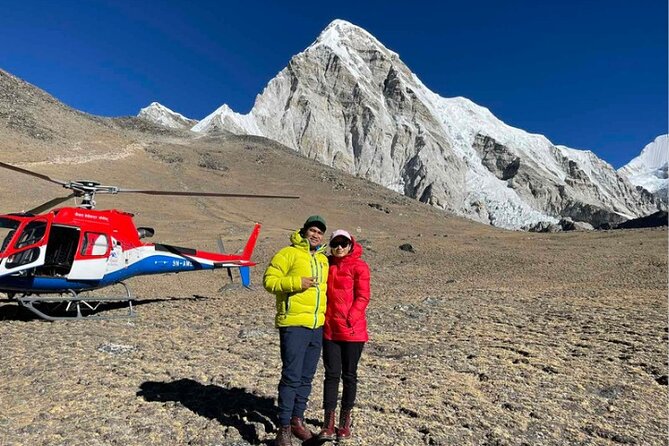
Embark on the thrilling adventure of the Everest Base Camp Trek for beginners with this detailed 11-day itinerary. From the moment of arrival in Kathmandu to the breathtaking views at Tengboche and Dingboche, this trek offers an unforgettable experience for those seeking a challenge.
With considerations for accessibility, physical fitness requirements, and medical conditions, this article provides valuable insights, tips, and necessary information for a successful and memorable journey.
Start planning your Everest Base Camp Trek today and create memories that will last a lifetime.