Thinking about walking in the footsteps of mountaineers and explorers? The Everest Base Camp Trek offers a chance to stand at the foot of the world’s highest peak without the length and intensity of a full expedition. Whether you’re pressed for time or prefer a shorter but equally stunning adventure, this trek provides a taste of Himalayan grandeur, Sherpa hospitality, and personal achievement.
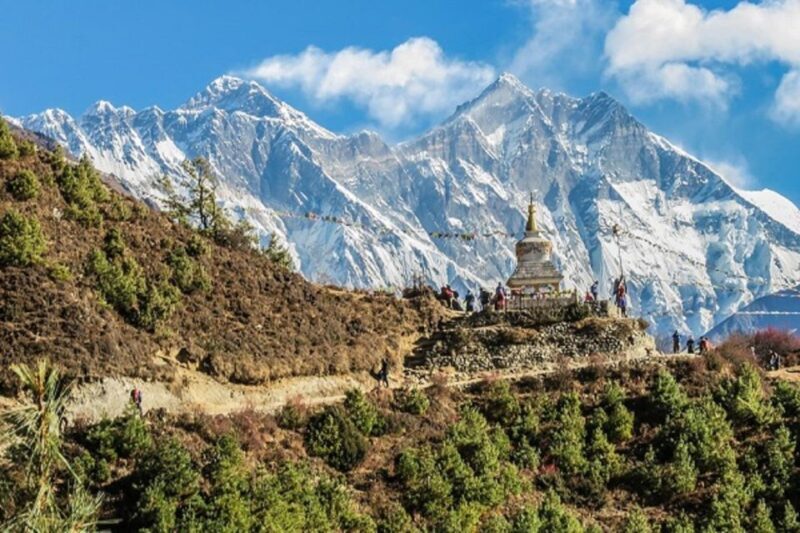
What makes this trek stand out? First, the breathtaking panoramic views of Everest, Lhotse, and Nuptse are unforgettable. Second, the chance to soak in Sherpa culture and traditions along the trail adds depth and authenticity. Third, the experience of reaching Everest Base Camp, after a challenging yet manageable climb, gives a true sense of accomplishment.
A potential consideration is the altitude, which demands some acclimatization—the itinerary includes rest days to help you adjust. This trek suits travelers who are physically fit but may not want the longer, more grueling routes. If you’re after stunning scenery, culture, and a taste of Himalayan adventure, this experience is well worth it.
- Good To Know
- The Logistics and Overall Value
- The Flight from Kathmandu to Lukla
- The Trail: What You’ll Experience
- Day 1: Lukla to Phakding
- Day 2: Phakding to Namche Bazaar
- Day 3: Acclimatization Day at Namche
- Day 4: Namche to Tengboche
- Day 5: Tengboche to Dingboche
- Day 6: Dingboche to Lobuche
- Day 7: Lobuche to Gorak Shep and Everest Base Camp
- Day 8: Hike to Kala Patthar and descend
- Day 9: Return to Lukla and Kathmandu
- What Reviewers Say About the Guides and Experience
- Practical Tips and Considerations
- The Sum Up
- FAQ
- More Hiking & Trekking Tours in Pheriche
- More Tour Reviews in Pheriche
- Not for you? Here's more nearby things to do in Pheriche we have reviewed
Good To Know
 1 / 3
1 / 3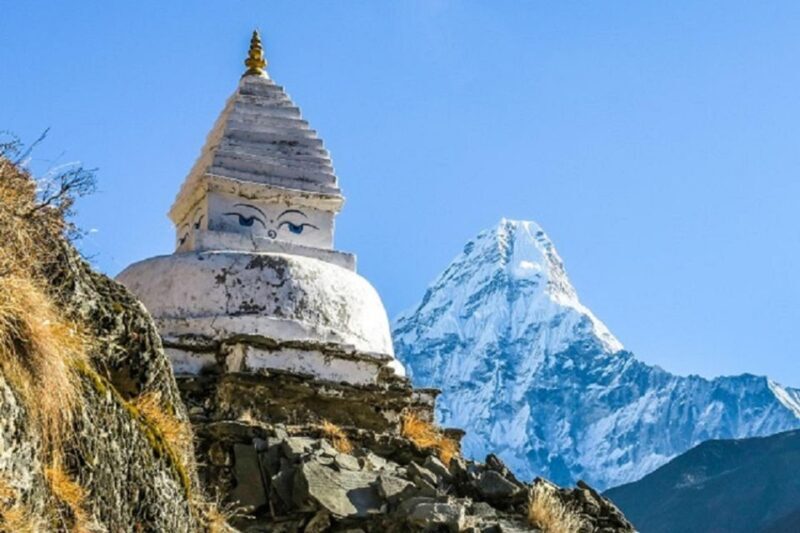 2 / 3
2 / 3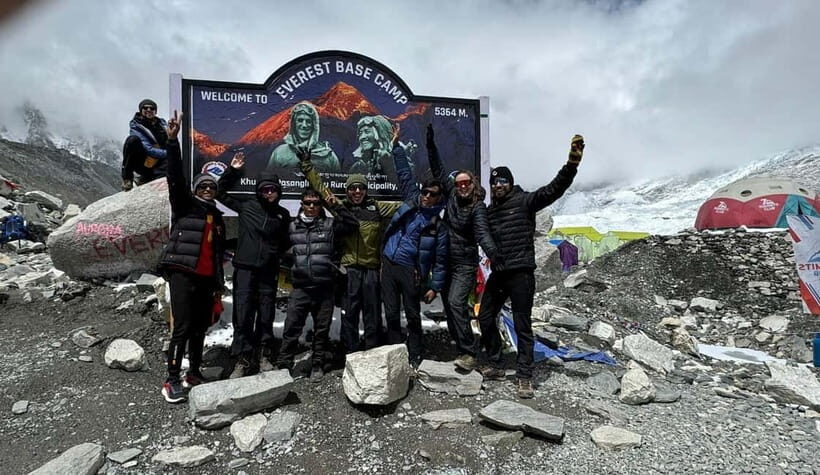 3 / 3
3 / 3- Stunning Himalayan vistas of Everest and neighboring peaks.
- Cultural encounters with Sherpa villages and monasteries.
- Moderate trekking distance with opportunities for acclimatization.
- Iconic achievement of reaching Everest Base Camp.
- Expert guides and organized logistics ensure safety and comfort.
- Ideal for those with limited time but craving Himalayan adventure.
The Logistics and Overall Value
At $701 per person, this trek offers a compelling package. Included are airport transfers, accommodation in guesthouses, all meals during the trek, and necessary national park entrance fees and permits. Equipment like a sleeping bag and down jacket are available if needed, which can save you from hauling bulky gear. The itinerary is designed for a balance of adventure and acclimatization, with strategic rest days in Namche Bazaar and Dingboche, helping mitigate altitude sickness risks.
Compared to longer Everest routes, this short trek maximizes value by focusing on the highlights—most notably, reaching Everest Base Camp and enjoying the stunning views from Kala Patthar. Plus, the logistical support, including flight arrangements from Kathmandu to Lukla, simplifies what can be a complex travel puzzle for first-timers.
You can also read our reviews of more hiking tours in Pheriche
The Flight from Kathmandu to Lukla
The journey kicks off with a scenic 30-minute flight from Kathmandu to Lukla. This tiny airport, perched high in the mountains, often experiences weather delays, so it’s wise to keep buffers in your schedule. The thrill of the flight is part of the adventure, with views of the Himalayan range unfolding beneath you.
Once in Lukla, the trek officially begins. The group size is typically kept manageable, and guides like Ramesh, who’s been praised for attentiveness, make a difference in how smoothly your journey unfolds. On the ground, you’ll trek about 130 km round trip, passing through iconic villages and forests.
The Trail: What You’ll Experience
Day 1: Lukla to Phakding
Expect a gentle, scenic start. The trail winds along the Dudh Kosi River, with lush rhododendron forests in spring and early summer. It’s an easy warm-up hike, approximately three hours, giving your legs a gentle introduction.
More Great Tours NearbyDay 2: Phakding to Namche Bazaar
This is the longest day—about 6-7 hours—but worth it. The trail ascends gradually, crossing suspension bridges and enjoying mountain vistas. You’ll reach Namche Bazaar, the lively hub of Sherpa culture, with its bustling shops and teahouses. Travelers have noted that guides like Palden make the journey enjoyable, sharing insights about the landscape and culture.
Day 3: Acclimatization Day at Namche
A necessary pause, this day allows your body to adjust. Many trekkers explore nearby viewpoints or visit local monasteries, getting a glimpse of Sherpa life and traditions. Spending extra time here can make the difference between a smooth trek or facing altitude issues later.
Day 4: Namche to Tengboche
The trail offers stunning views of Ama Dablam and other peaks. Tengboche Monastery, perched high above the valley, is a highlight—its spiritual significance and ornate architecture add a special touch. Reviewers have appreciated guides’ knowledge here, often sharing local stories and monastery history.
Day 5: Tengboche to Dingboche
The rising altitude begins to show its effects, but the scenery makes up for it. The trail passes through rhododendron and juniper forests, with views of Nuptse and Lhotse. This village is another good spot for acclimatization.
Day 6: Dingboche to Lobuche
The landscape becomes more stark and rocky as you gain altitude—think high-altitude desert. This day is about steady progress with a focus on safety, and most travelers find the scenery hauntingly beautiful.
Day 7: Lobuche to Gorak Shep and Everest Base Camp
This is the moment many have been dreaming of. The trek to Gorak Shep is about 4 hours, followed by a longer hike to the Everest Base Camp (about 2 hours). Standing at the base of Everest, surrounded by towering ice and rock, is surreal. Reviewers like Sydney mention how this “was a quick ascent but worth the effort,” emphasizing the sense of achievement.
Day 8: Hike to Kala Patthar and descend
The early morning hike to Kala Patthar (5,545m) offers one of the best sunrise views of Everest. The panoramic vistas are breathtaking, with the towering summit almost within reach. Afterward, the trek descends to Pheriche, where you can reflect on your journey.
Day 9: Return to Lukla and Kathmandu
The return takes about 6-7 hours, with an emotional high of completing the trek. The flight back to Kathmandu caps off the adventure, giving you one last chance to soak in the mountains from above.
What Reviewers Say About the Guides and Experience
Participants have highlighted the importance of knowledgeable guides like Ramesh and Palden, who made the trek informative and safe. One reviewer describes Ramesh as “fantastic and attentive,” which is crucial at high altitudes where quick advice and reassurance matter.
The organization, led by Sobit as the trek coordinator, also receives high praise. Several mention that helpful coordination and smooth logistics made their experience enjoyable and stress-free. The small group sizes and well-managed itinerary contribute to a personalized feel.
The scenic diversity—from lush forests to stark glacial landscapes—keeps the trek visually exciting. The Sherpa villages and monasteries add cultural depth that many travelers find enriching.
Practical Tips and Considerations
Altitude is the biggest factor. While the trek is designed for physically fit individuals, a slow ascent and rest days help prevent altitude sickness. The itinerary is flexible—adding extra days for acclimatization can improve your experience, especially if you’re concerned about high altitudes.
Weather can be unpredictable. Flights to Lukla are sometimes delayed or canceled due to weather, so plan for a buffer day or two before your international flight. Staying flexible with your schedule is advisable.
Gear and packing: The tour provides a sleeping bag and down jacket if needed, but you’ll want good trekking shoes, layered clothing, and essentials like sun protection and a headlamp. Many trekkers appreciate having personal snacks and water bottles, although meals are included.
Cost-value: At $701, this package covers almost everything—lodging, food, permits, and flight arrangements—making it a convenient choice. You won’t have to worry about hidden costs, and the included services help ensure a smooth journey.
The Sum Up
The Everest Base Camp Trek offered by Bold Himalaya is a well-organized, culturally immersive, and visually stunning adventure that fits well within a shorter timeframe. It’s especially suited for travelers who want a taste of Everest without the lengthy commitment of the full expedition. The guides’ expertise and the thoughtfully planned itinerary keep this trek safe, enjoyable, and rewarding.
This trip is perfect if you’re after amazing mountain views, a chance to experience Sherpa life, and the thrill of reaching an iconic Himalayan milestone. It offers incredible value for the experience, with the right balance of challenge and comfort, making it accessible to most physically fit travelers.
If you’re craving a memorable Himalayan adventure that combines natural beauty with cultural richness, this trek is a fantastic choice. Just remember to prepare for altitude, stay flexible with weather, and enjoy every step of the way.
Everest Base Camp Trek: A short EBC Trek to Iconic Himalaya
FAQ
How difficult is the Everest Base Camp Trek?
While designed for those with good fitness levels, the trek involves walking around 130 km with some high-altitude sections. Proper acclimatization and pacing are key to enjoying it comfortably.
What’s included in the price?
The $701 fee covers airport transfers, accommodation in guesthouses, all meals during the trek, permits, national park entrance fees, and some equipment like a sleeping bag if needed. Flight arrangements from Kathmandu to Lukla are also available upon request.
Is the trek suitable for beginners?
It’s best suited for physically fit travelers who can handle moderate trekking distances and altitude. Some prior trekking experience is helpful but not mandatory if you’re prepared.
How do weather and flights affect the trip?
Flights between Kathmandu and Lukla can be delayed or canceled due to weather, especially in bad weather seasons. It’s wise to keep a buffer day and stay flexible.
Can I customize the itinerary?
Yes, you can add extra days for acclimatization or personal pace. The itinerary is flexible and can be tailored to your preferences.
What’s the best time to do this trek?
While not specified here, generally the best seasons for Everest treks are pre-monsoon (spring) and post-monsoon (autumn). Clear weather and stable conditions are typical during these periods.
What about altitude sickness?
This trek includes acclimatization days at Namche Bazaar and Dingboche, which help prevent altitude sickness. Staying hydrated and listening to your body are important.
Is there cultural interaction during the trek?
Absolutely. Visiting villages like Namche and Tengboche offers authentic insights into Sherpa culture, monasteries, and local traditions, enriching the experience beyond just the scenery.