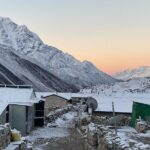
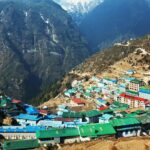
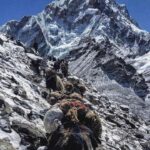
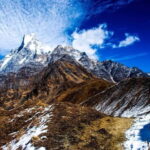
Embark on the ultimate adventure of a lifetime with the Everest Base Camp Trek. This journey will test your limits and reward you with unparalleled views of the majestic Himalayas.
Imagine standing at the foot of the world’s highest peak, surrounded by towering snow-capped mountains and a sense of awe that words cannot fully capture. This trek is not for the faint of heart; it demands physical endurance, mental fortitude, and a spirit of adventure.
So, lace up your boots, pack your backpack, and prepare to push yourself to new heights as you embark on this epic trek through the heart of the Himalayas.
- Good To Know
- Trek Difficulty Levels
- Best Time to Trek
- Essential Trekking Gear
- Accommodation Options
- Food and Water on the Trek
- Altitude Sickness Prevention
- Safety Tips and Guidelines
- Common Questions
- Are There Any Age Restrictions for the Everest Base Camp Trek?
- Is It Necessary to Hire a Guide or Porter for the Trek?
- Can I Charge My Electronic Devices Along the Trek Route?
- Are There Any ATM Facilities Available During the Trek?
- Can I Bring My Own Food and Water for the Trek?
- The Sum Up
- The Best Of Kathmandu!
- More Hiking & Trekking Tours in Kathmandu
- More Tour Reviews in Kathmandu
- Not for you? Here's more nearby things to do in Kathmandu we have reviewed
Good To Know
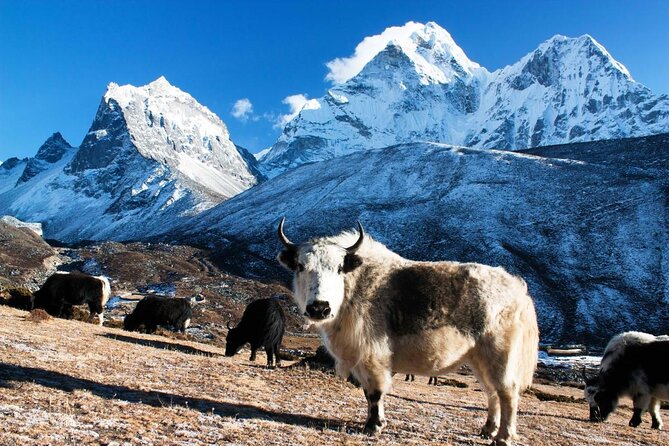
- Trek difficulty and physical fitness requirements: The Everest Base Camp Trek is considered strenuous and requires a moderate to high level of physical fitness. Trekkers should be prepared for several hours of walking each day, steep inclines, and high altitudes. Prior training and preparation are crucial for a successful trek.
- Acclimatization to high altitudes: Acclimatization is essential to prevent altitude sickness. Gradual ascent allows the body to adapt to decreasing oxygen levels. Trekkers should stay hydrated, consult with a healthcare professional about altitude sickness medications, and take measures to acclimate effectively and minimize the risk of altitude sickness.
- Best time to trek and weather: The best seasons for the Everest Base Camp Trek are spring (March to May) and autumn (September to November). These periods offer clear skies, mild temperatures, and less chance of rainfall, reducing the risk of slippery and muddy trails. The monsoon season (June to August) brings heavy rainfall, while winter (December to February) is extremely cold and snowy.
- Accommodation options: Trekkers have a variety of accommodation options along the trek. Teahouses provide budget accommodations with basic amenities, camping allows for a closer connection with nature, and luxury lodges offer spacious rooms, private bathrooms, hot showers, and gourmet meals. There are options to suit different preferences and budgets, providing a unique and unforgettable experience surrounded by breathtaking views.
👉 See our pick of the 14 Best Shopping Tours In Kathmandu
Trek Difficulty Levels
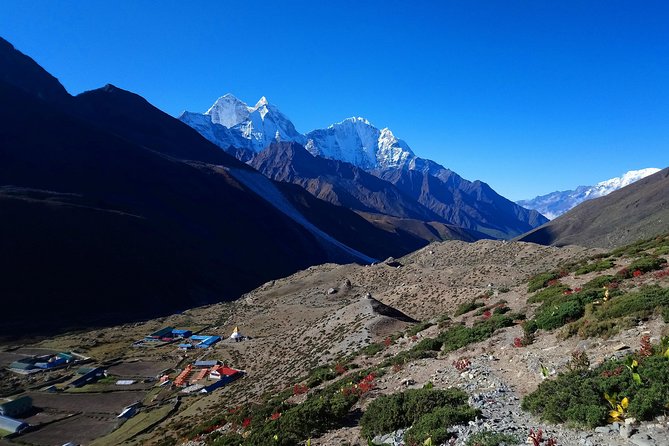
When embarking on the Everest Base Camp Trek, it’s important to understand the varying difficulty levels that await adventurous travelers.
The trek difficulty assessment is based on the physical fitness requirements needed to complete the journey. This assessment helps determine if individuals are adequately prepared for the challenges they’ll encounter.
The trek to Everest Base Camp is considered strenuous and requires a moderate to high level of physical fitness. It involves walking for several hours a day, ascending steep inclines, and enduring high altitudes.
Prior training and preparation are crucial to ensure a safe and enjoyable experience. It’s recommended that individuals engage in regular exercise, including cardiovascular and strength training, to improve their endurance and stamina.
Plus, acclimatization to high altitudes is essential to prevent altitude sickness.
With proper physical fitness and preparation, adventurers can conquer the Everest Base Camp Trek and experience the awe-inspiring beauty of the Himalayas.
You can also read our reviews of more hiking tours in Kathmandu
Best Time to Trek
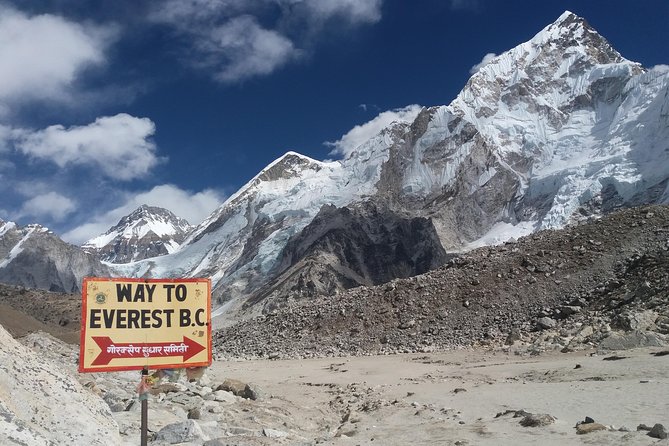
After conquering the challenges of the Everest Base Camp Trek, adventurers must now consider the best time to embark on this awe-inspiring journey through the Himalayas. The trekking season in Everest Base Camp is divided into two main periods: spring (March to May) and autumn (September to November). These seasons offer the most favorable weather conditions for trekking in the region.
Here are three reasons why these periods are the best time to trek:
Clear skies and mild temperatures: During spring and autumn, the weather in the Everest region is relatively stable, with clear skies and mild temperatures. This provides excellent visibility of the majestic Himalayan peaks and makes for comfortable trekking conditions.
Less chance of rainfall: Both spring and autumn are considered the dry seasons in the Everest region, meaning there’s less chance of rainfall. This reduces the risk of encountering slippery and muddy trails, making the trek safer and more enjoyable.
Festivals and cultural events: Trekking during the spring and autumn seasons allows adventurers to witness and participate in various festivals and cultural events celebrated by the local Sherpa community. This adds a vibrant and enriching cultural experience to the trek.
Choosing the right time to trek Everest Base Camp is crucial for a successful and memorable adventure. Consider the trekking season and weather conditions to make the most of your journey through the stunning Himalayas.
Essential Trekking Gear
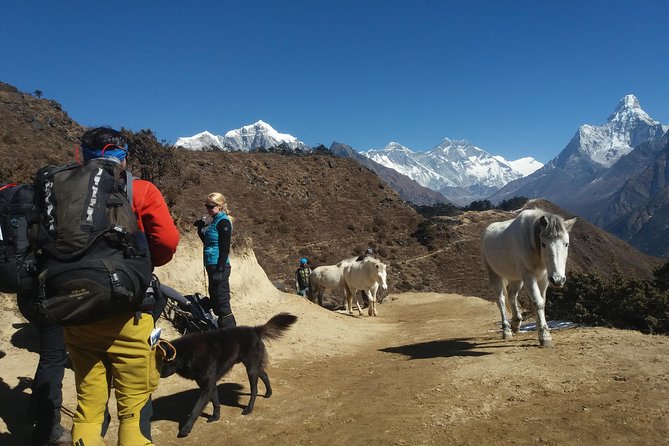
To embark on the exhilarating journey of the Everest Base Camp Trek, adventurers must equip themselves with essential trekking gear. It’s crucial to have the right equipment to ensure a safe and enjoyable experience in the rugged terrain of the Himalayas.
A trekking equipment checklist is a must for anyone venturing on this incredible adventure. Some of the essential items include sturdy hiking boots, a durable backpack, a warm sleeping bag, a headlamp, a water bottle, and a first aid kit.
Plus, recommended clothing for the trek includes layers of moisture-wicking base layers, insulated jackets, waterproof outer layers, and comfortable hiking pants. It’s important to pack wisely and prioritize items that are lightweight and versatile.
With the right gear, adventurers will be well-prepared for the challenges of the Everest Base Camp Trek.
Accommodation Options
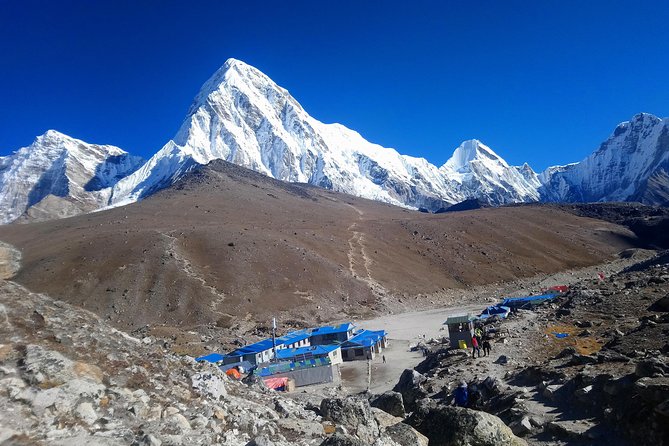
For adventurers embarking on the exhilarating journey of the Everest Base Camp Trek, there are a variety of accommodation options available to suit different preferences and budgets. Here are three options to consider:
Teahouses: These budget accommodations are the most popular choice among trekkers. Teahouses are small lodges along the trekking route that provide basic amenities such as a bed, shared bathroom, and meals. They offer a chance to interact with fellow trekkers and experience the local culture.
Camping: For a more adventurous experience, camping is an option. Trekkers can bring their own tents or rent them along the trail. Camping allows for a closer connection with nature and the freedom to choose your own camping spot.
Luxury Lodges: For those seeking a more comfortable and indulgent experience, luxury lodges are available along the trekking route. These lodges offer spacious rooms, private bathrooms, hot showers, and gourmet meals. They provide a retreat after a long day of hiking, allowing you to relax and rejuvenate in style.
Whatever accommodation option you choose, the Everest Base Camp Trek offers a unique and unforgettable experience surrounded by breathtaking views of the Himalayas.
Food and Water on the Trek
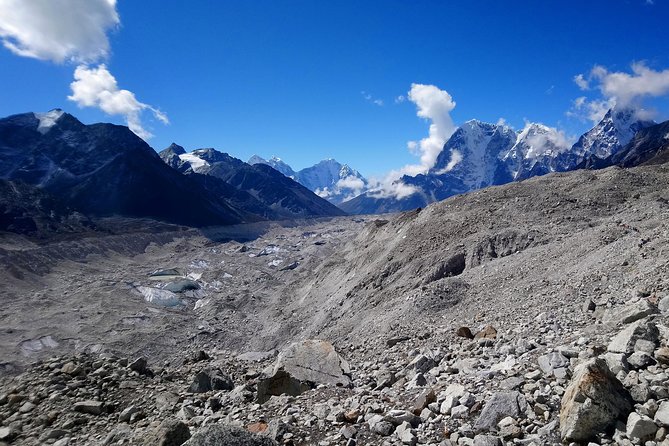
When embarking on the thrilling adventure of the Everest Base Camp Trek, trekkers must be mindful of the food and water options available along the route. Staying hydrated is crucial in high altitude environments, so it’s recommended to drink at least 3-4 liters of water per day. Trekkers should carry water purification tablets or a water filter to ensure safe drinking water.
As for food, the tea houses and lodges along the trail offer a variety of options. It’s advisable to try the local cuisine, such as momos (dumplings), dal bhat (rice and lentils), and Tibetan bread. These dishes provide the necessary energy and nutrients for the demanding trek. However, it’s important to choose wisely and opt for well-cooked meals to avoid any gastrointestinal issues that may hinder the trekking experience.

Altitude Sickness Prevention
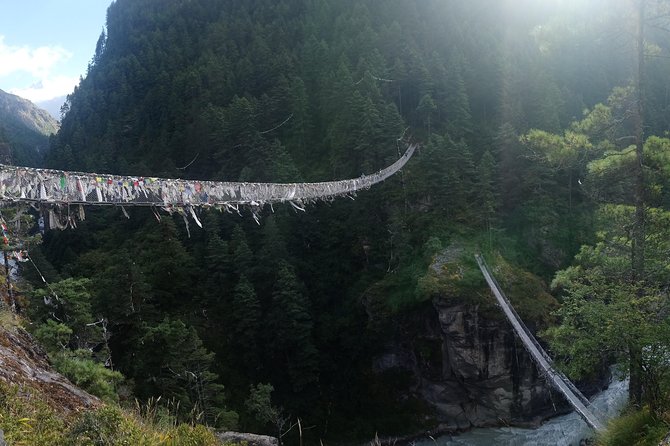
Altitude sickness prevention is crucial for trekkers embarking on the thrilling adventure of the Everest Base Camp Trek to ensure a safe and enjoyable journey to the highest point on Earth.
When trekking at high altitudes, it’s important to take certain measures to acclimatize properly and minimize the risk of altitude sickness. Here are three key techniques to help you stay healthy and acclimate effectively:
Gradual ascent: Climbing gradually allows your body to adapt to the decreasing oxygen levels. It’s recommended to take rest days during the trek to allow your body to adjust to the high altitude.
Hydration: Staying hydrated is essential at high altitudes to prevent dehydration and aid in acclimatization. Drink plenty of water and avoid excessive caffeine and alcohol consumption.
Medications: Consult with a healthcare professional about taking medications such as acetazolamide to help prevent altitude sickness symptoms.
Safety Tips and Guidelines
As trekkers embark on the thrilling adventure of the Everest Base Camp Trek, ensuring safety and following guidelines becomes paramount to a successful journey to the highest point on Earth.
One important aspect of safety is obtaining trekking insurance. This provides coverage for any unforeseen incidents or medical emergencies that may occur during the trek.
It’s also crucial to be aware of the emergency evacuation procedures in case of any emergencies that require immediate medical attention. Trekkers should familiarize themselves with the evacuation routes and ensure they’ve access to reliable communication devices.
Plus, it’s essential to follow the guidelines set by experienced guides and porters who are well-versed in the terrain and weather conditions.
Common Questions
Are There Any Age Restrictions for the Everest Base Camp Trek?
There are no age restrictions for the Everest Base Camp Trek. However, it is recommended to have a moderate physical fitness level. It is also advisable to hire a guide or porter and bring your own food, water, and electronic devices charging facilities. ATM facilities are limited.
Is It Necessary to Hire a Guide or Porter for the Trek?
Hiring a guide or porter for the trek is not necessary, but it is highly recommended. They provide valuable assistance, support, and local knowledge. Solo trekking is feasible, but having a guide or porter can enhance the overall experience.
Can I Charge My Electronic Devices Along the Trek Route?
Yes, you can charge your electronic devices along the trek route. There are charging facilities available at certain points. However, it is essential to consider the battery life and plan accordingly.
Are There Any ATM Facilities Available During the Trek?
Yes, there are ATM facilities available during the trek. However, it is important to take altitude sickness precautions and carry enough cash as ATMs may not be easily accessible in remote areas.
Can I Bring My Own Food and Water for the Trek?
Yes, travelers can bring their own food and water for the trek. It’s important to pack lightweight, non-perishable items. Additionally, there are hydration options available along the trail, such as water purification tablets and boiled water at tea houses.
The Sum Up
To sum it up, the Everest Base Camp Trek is an exhilarating adventure that offers breathtaking views and a chance to take in the awe-inspiring beauty of the Himalayas.
While it requires a moderate level of physical fitness and isn’t suitable for individuals with mobility issues, the trek is highly rated by previous participants.
With proper preparation, essential gear, and safety guidelines, this trek promises an unforgettable and adventurous experience for those seeking a thrilling mountain expedition.