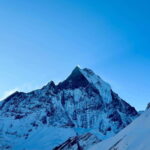
Hidden amidst the awe-inspiring peaks of the Himalayas lies a trail that beckons adventure seekers from around the globe – the Everest Base Camp Trek.
But did you know that this iconic journey is not just about reaching the base camp of the world’s highest mountain? It is a mesmerizing odyssey that immerses trekkers in the unparalleled beauty of the Nepalese landscapes, introduces them to the rich Sherpa culture, and tests their endurance and determination.
From the thrilling flight to Lukla, to the breathtaking views of snow-capped peaks, and the moments of tranquility in the charming villages along the way, the Everest Base Camp Trek promises an extraordinary adventure that will leave trekkers yearning for more.
- Good To Know
- Trek Itinerary
- Highlights and Views
- Accommodation and Terrain
- Acclimatization and Rest Days
- Return and Farewell
- Packing Essentials
- Safety and Health Tips
- Recommended Trekking Agencies
- Common Questions
- What Is the Best Time of Year to Do the Everest Base Camp Trek?
- How Difficult Is the Trek to Everest Base Camp?
- Is It Possible to Do the Trek Without a Guide or Porter?
- Are There Any Age Restrictions for the Everest Base Camp Trek?
- What Permits Are Required for the Everest Base Camp Trek?
- The Sum Up
- The Best Of Kathmandu!
- More Hiking & Trekking Tours in Kathmandu
- More Tour Reviews in Kathmandu
- Not for you? Here's more nearby things to do in Kathmandu we have reviewed
Good To Know
- Proper preparation and acclimatization are essential for a successful Everest Base Camp trek.
- Rest days during the trek allow for acclimatization and reduce the risk of altitude sickness.
- The Everest Base Camp trek offers stunning mountain views and opportunities for culture.
- Safety measures, including packing wisely and trekking with an experienced guide, are crucial for a successful and enjoyable journey.
👉 See our pick of the 14 Best Shopping Tours In Kathmandu
Trek Itinerary
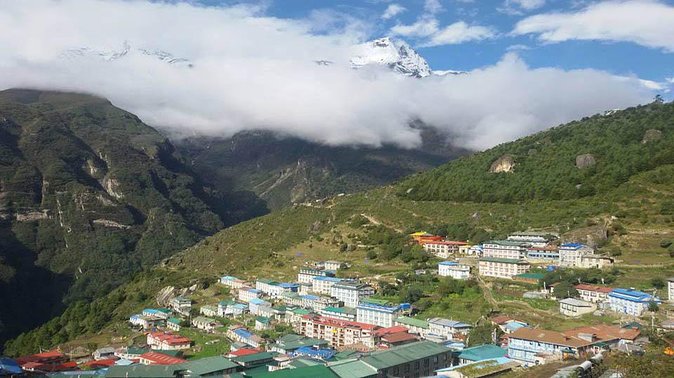
The trek itinerary for the Everest Base Camp trek takes you on an exhilarating journey through the stunning landscapes of the Himalayas. This adventure isn’t for the faint-hearted, as it involves a moderate to challenging level of trekking difficulty. The trail is well-developed, but there are steep inclines and rocky tracks that require endurance and physical fitness.
It’s essential to be prepared and acclimatized for the high altitude conditions. The best time to trek to Everest Base Camp is during the spring (March to May) and autumn (September to November) seasons. These months offer stable weather conditions, clear skies, and breathtaking views of the surrounding peaks. However, it’s important to note that the weather in the mountains can be unpredictable, so it’s advisable to be flexible and prepared for any changes.
With the right preparation and timing, the Everest Base Camp trek promises to be an unforgettable adventure of a lifetime.
You can also read our reviews of more hiking tours in Kathmandu
Highlights and Views
What makes the Everest Base Camp trek truly remarkable? The answer lies in its breathtaking highlights and awe-inspiring views.
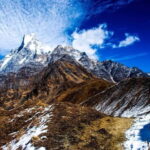
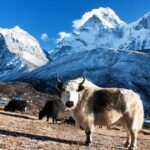
For photography enthusiasts, this trek offers countless opportunities to capture the beauty of the Himalayas, from the snow-capped peaks to the vibrant Sherpa culture.
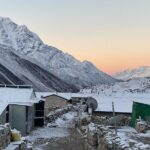
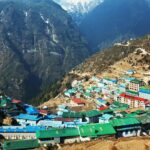
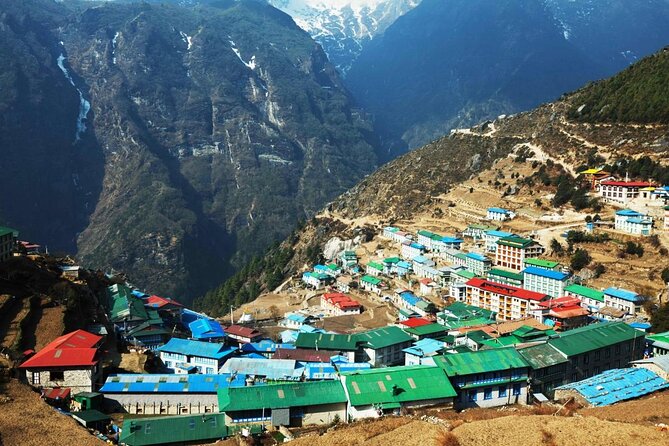
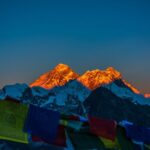
As trekkers make their way through the picturesque Namche Bazaar, they’re treated to spectacular views of the surrounding mountains, with the majestic Everest making its first appearance.
The journey continues to the Tyangboche Monastery, where panoramic vistas unfold before their eyes. And from Nagartsang, the sight of Makalu and Lhotse is simply unforgettable.
Along the way, trekkers also have the chance to enjoy the local culture, learning about Sherpa traditions and experiencing the warm hospitality of the mountain communities.
With its remarkable views and cultural richness, the Everest Base Camp trek is an adventure of a lifetime.
Accommodation and Terrain
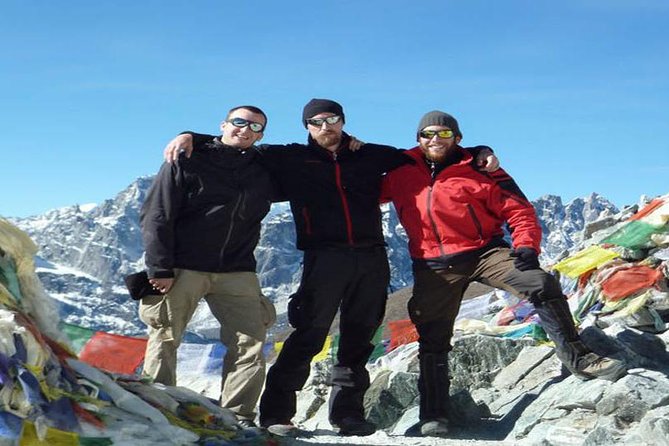
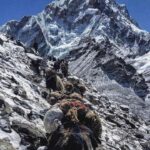
As trekkers continue their journey through the remarkable Everest Base Camp trek, they encounter diverse terrain and find comfortable accommodation in the midst of nature’s grandeur. The trek offers various types of accommodations in the teahouses along the route. These teahouses provide basic yet cozy rooms, where trekkers can rest and rejuvenate after a long day of hiking. The terrain, on the other hand, poses different levels of difficulty. The trek starts with flat and downhill paths, which gradually transition into rocky and dirt tracks with some steep inclines. As trekkers ascend further, they encounter hilly and grassy trails with more challenging inclines. Towards the end of the trek, the terrain becomes uneven, with ridge tracks consisting of rocky, uphill, and flat trails. Despite the difficulty level, the breathtaking views and the warm hospitality of the teahouses make the Everest Base Camp trek an unforgettable adventure.
| Types of Accommodations | Difficulty Level of Terrain |
|---|---|
| Basic teahouse rooms | Flat and downhill paths |
| Rocky and dirt tracks | |
| Hilly and grassy trails | |
| Uneven, ridge tracks |
Acclimatization and Rest Days
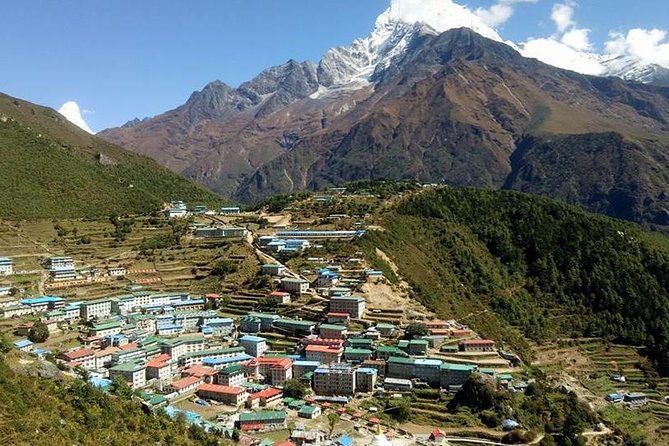
To ensure trekkers adapt well to the high altitude and challenging conditions, acclimatization and rest days are strategically incorporated into the Everest Base Camp trek itinerary. These days are crucial for allowing the body to adjust to the thin air and reduce the risk of altitude sickness.
During the acclimatization days, trekkers have the opportunity to explore the surrounding areas and engage in activities that aid in the adaptation process. Some popular activities include hiking to higher altitudes, visiting local monasteries, and interacting with the Sherpa community.
These rest days not only help trekkers acclimatize but also provide a chance to appreciate the stunning mountain views, immerse in the local culture, and rejuvenate for the upcoming challenges of the trek.
Return and Farewell

Upon completing the breathtaking trek to Everest Base Camp, trekkers bid farewell to the majestic Himalayas and embark on their return journey, filled with unforgettable memories and a sense of accomplishment.
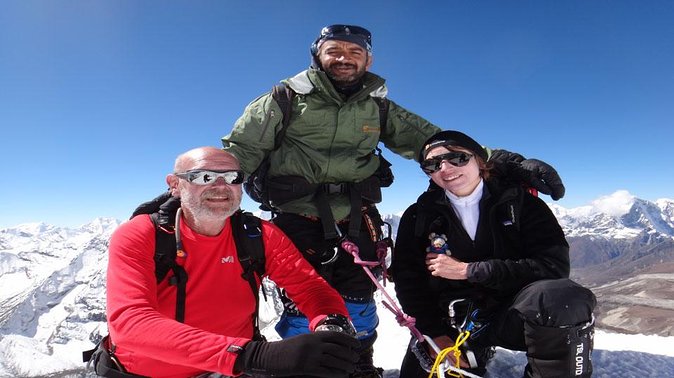
As they make their way back to Lukla, the trekkers take the time to celebrate their incredible achievement. Farewell activities include a gathering with fellow trekkers and guides, where stories are shared and laughter fills the air. There’s a sense of camaraderie and appreciation for the challenges faced and overcome together.
Trekkers also take a moment to soak in the final views of the towering peaks, knowing that they’ve conquered one of the world’s greatest adventures. With hearts full of gratitude and a deep connection to the mountains, they board the flight from Lukla to Kathmandu, carrying the spirit of the Everest Base Camp trek with them as they return home.


Packing Essentials
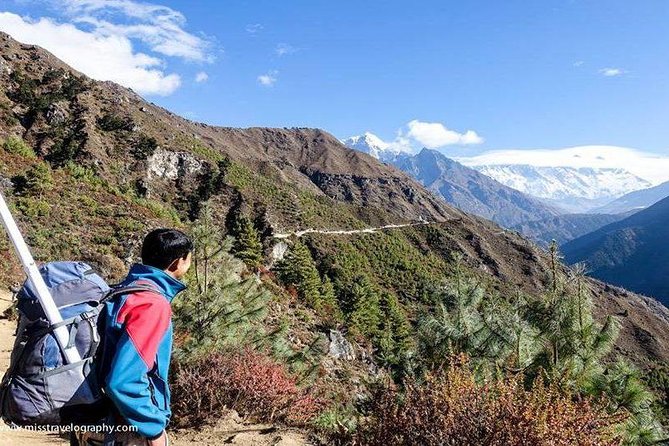
After bidding farewell to the majestic Himalayas and the trekkers’ incredible achievement, it’s time to prepare for the next adventure by discussing the essential items to pack for the Everest Base Camp trek.
Here are the must-have gear and some packing tips to ensure a successful and enjoyable journey:
Layered Clothing: With unpredictable weather, it’s crucial to pack layers such as thermal base layers, fleece jackets, and waterproof outer shells.
Sturdy Hiking Boots: Invest in a good pair of hiking boots that provide ankle support and have a sturdy sole for traction on rocky terrain.
Sleeping Bag: A warm and lightweight sleeping bag is essential for a comfortable night’s rest in the teahouses along the trail.
First Aid Kit: Include essential items like bandages, painkillers, altitude sickness medication, and blister treatment to address any potential health issues.
Remember to pack wisely, keeping in mind the weight restrictions and the specific needs of the trek.
Happy trekking!
Safety and Health Tips
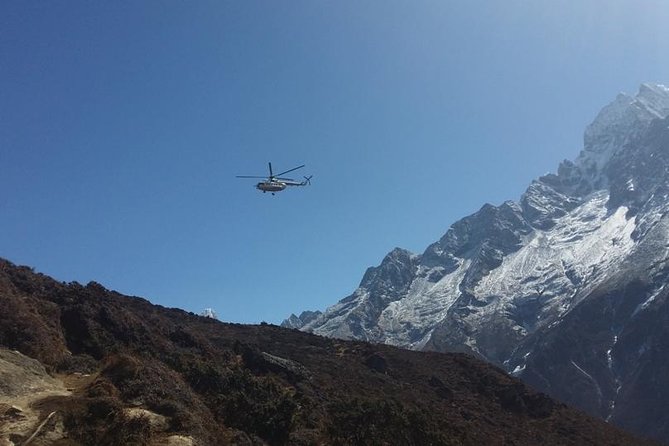
With the adventure of the Everest Base Camp trek ahead, it’s essential to prioritize safety and health to ensure a successful and enjoyable journey.
One of the most common altitude sicknesses that trekkers may experience is Acute Mountain Sickness (AMS). To prevent AMS, it’s important to acclimatize properly by taking rest days and ascending gradually.
Plus, staying hydrated and eating nutritious meals will help maintain good health during the trek.
It’s crucial to pack essential safety measures such as a first aid kit, water purification tablets, and a portable oxygen cylinder.
Trekking with an experienced guide is highly recommended as they can provide valuable advice and assistance in case of emergencies.
Recommended Trekking Agencies
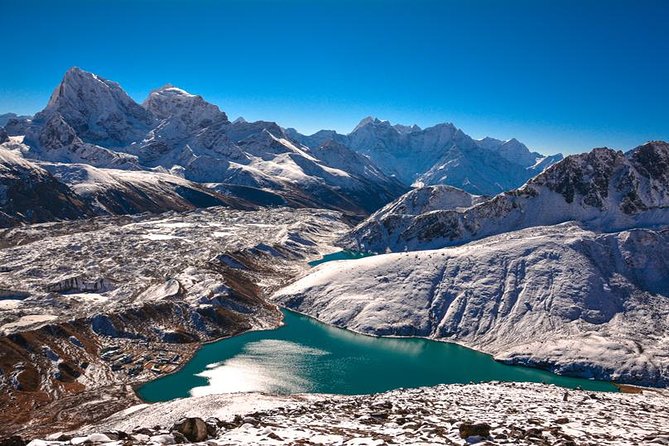
When embarking on the adventure of the Everest Base Camp trek, it’s highly recommended to choose a reputable trekking agency to ensure a safe and well-organized journey. Here are some factors to consider when selecting the right agency:
Experience and Expertise: Look for agencies with a proven track record in organizing treks to Everest Base Camp. Check their experience, certifications, and knowledge of the region.
Safety Measures: Ensure that the agency prioritizes safety by providing experienced guides, proper communication equipment, and emergency evacuation plans.
Itinerary and Flexibility: Consider agencies that offer a well-planned itinerary with ample acclimatization days. Also, check if they can tailor the trip to your preferences and accommodate any unforeseen circumstances.
Client Reviews: Read reviews and testimonials from previous trekkers to gauge the agency’s reputation and customer satisfaction.
The best time to go trekking to Everest Base Camp is during the spring (March to May) and autumn (September to November) seasons when the weather is stable and the views are stunning.
Common Questions
What Is the Best Time of Year to Do the Everest Base Camp Trek?
The best time of year to do the Everest Base Camp trek depends on the weather conditions. It is recommended to go during the spring (March to May) or autumn (September to November) for favorable trekking conditions.
How Difficult Is the Trek to Everest Base Camp?
The trek to Everest Base Camp is considered challenging but doable with proper physical preparation. It requires endurance, stamina, and the ability to navigate uneven terrain. It offers an adventurous and rewarding experience for those seeking a thrilling trekking adventure.
Is It Possible to Do the Trek Without a Guide or Porter?
Yes, it is possible to do the trek without a guide or porter. However, solo trekking requires thorough preparation, including packing essentials like proper gear, navigation tools, first aid kit, and knowledge of the route.
Are There Any Age Restrictions for the Everest Base Camp Trek?
Age restrictions for the Everest Base Camp Trek depend on the individual’s fitness level rather than a specific age range. It is recommended to consult with a healthcare professional to ensure physical readiness for the trek.
What Permits Are Required for the Everest Base Camp Trek?
Permit requirements for the trek include the Sagarmatha National Park Entry Permit and the Khumbu Pasang Lhamu Rural Municipality Permit. These necessary documents allow trekkers to explore the stunning landscapes and breathtaking views of the Everest Base Camp Trek.
The Sum Up
Embark on the adventure of a lifetime with the Everest Base Camp Trek. This incredible journey through the Himalayas will leave you in awe of the majestic beauty of Mount Everest.
From thrilling flights to picturesque villages, every step of the trek is filled with breathtaking views and unforgettable experiences.
So pack your essentials, choose a trusted trekking agency, and get ready for an epic adventure in the heart of the Himalayas.
Don’t miss out on this once-in-a-lifetime opportunity to witness the world’s highest peak up close.