
The Everest Base Camp Trek spans 14 days, guiding adventurers through the breathtaking Khumbu region of Nepal, where rugged terrain meets stunning vistas. This journey begins in Kathmandu and weaves through vibrant villages like Namche Bazaar, allowing trekkers to acclimatize while soaking in the rich Sherpa culture. As they ascend, the majestic peaks of the Himalayas loom closer, each step steeped in history and natural beauty. But what lies beyond the breathtaking views and cultural encounters? The trek offers much more than meets the eye, promising experiences that linger long after the journey ends.
- Key Points
- Trek Overview and Itinerary
- Highlights and Experience
- Inclusions and Accommodations
- Exclusions and Important Considerations
- Preparation and Packing Tips
- Safety and Health Considerations
- Best Time to Trek
- Questions You May Have
- What Is the Fitness Level Required for the Trek?
- Are There Age Restrictions for Participants?
- Can I Join Solo or Only in Groups?
- What Happens if I Experience Altitude Sickness?
- How Do I Communicate With Family During the Trek?
- Break Down
Key Points

- The Everest Base Camp Trek spans 14 days, including acclimatization days in Namche Bazaar and Dingboche to adjust to high altitudes.
- Key highlights include breathtaking views of Everest and exploration of Sagarmatha National Park, a UNESCO World Heritage site.
- Accommodation consists of cozy tea houses and lodges, with a 3-star hotel stay in Kathmandu and meals provided during the trek.
- Optimal trekking seasons are spring (late March to May) and autumn (late September to November), offering clear skies and vibrant landscapes.
- Essential preparations include layering clothing, necessary gear, travel insurance, and awareness of altitude sickness symptoms for safety.
Trek Overview and Itinerary
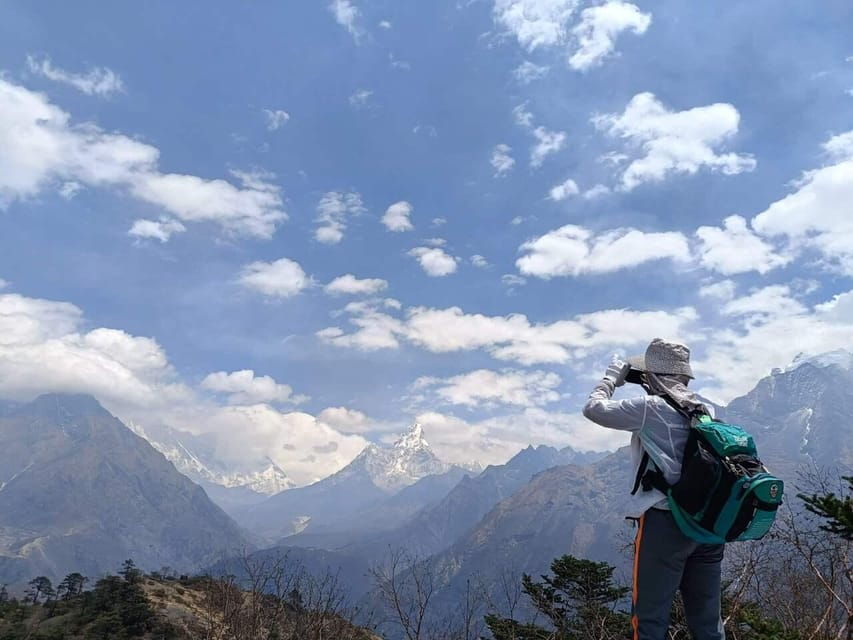
The Everest Base Camp Trek offers adventurers a thrilling 14-day journey through Nepal’s breathtaking Khumbu region, blending stunning landscapes with rich cultural experiences.
This trek begins in Kathmandu, where trekkers acclimatize before flying to Lukla, the gateway to the Himalayas.
Over the next ten days, they’ll trek through picturesque villages, lush forests, and high-altitude terrain, making stops at iconic locations like Namche Bazaar and Tengboche Monastery.
Each day presents new challenges and breathtaking views of towering peaks, including the majestic Everest.
Acclimatization days in Namche and Dingboche ensure trekkers adapt to the altitude.
As they progress, they’ll create unforgettable memories while seeing the vibrant Sherpa culture that thrives in this remarkable region.
Highlights and Experience
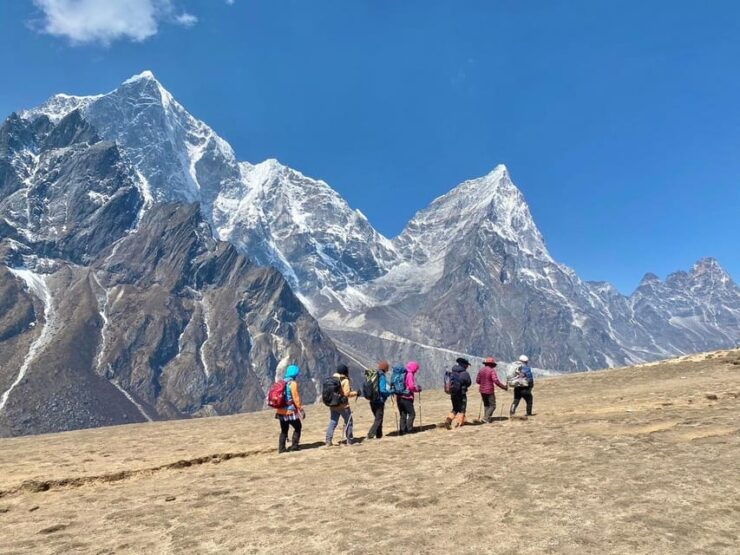
From soaring flights to Lukla and breathtaking views of the world’s highest peaks, the Everest Base Camp Trek immerses adventurers in a unique blend of natural beauty and rich Sherpa culture. This journey offers unforgettable experiences that leave trekkers in awe.
Visitors explore the spectacular Sagarmatha National Park, a UNESCO World Heritage site.
They engage with local Sherpa culture, tasting authentic cuisine and learning about traditions.
Iconic landmarks like Tengboche Monastery provide stunning sunrise and sunset views of Everest.
Each step of the trek reveals magnificent vistas of towering giants like Lhotse and Nuptse, making it a dream come true for nature lovers and adventure seekers alike.
The memories created here are truly unparalleled.
Inclusions and Accommodations

Inclusions and accommodations for the Everest Base Camp Trek ensure a comfortable and enriching experience, providing trekkers with essential services and amenities that enhance their adventure in the majestic Himalayas.
Participants enjoy seamless airport transfers via private vehicle and domestic flights to Lukla. In Kathmandu, they stay in a 3-star hotel for two nights, complete with breakfast.
Throughout the trek, meals are provided—breakfast, lunch, and dinner—alongside cozy tea houses and lodges for restful nights.
Trekkers also receive necessary permits, licensed guides, and porter services. A farewell dinner at a Nepali restaurant wraps up the journey, complemented by an achievement certificate.
With coverage for staff-related expenses and taxes, trekkers can focus solely on their unforgettable experience.
Exclusions and Important Considerations
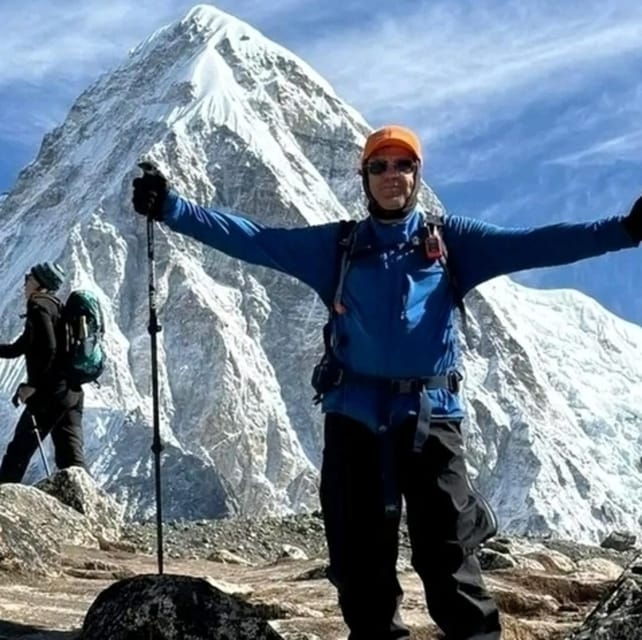
While trekkers enjoy a wealth of included services during the Everest Base Camp Trek, several important exclusions and considerations can impact their overall experience.
It’s essential for adventurers to be aware of what’s not covered, as these factors can add to their trek’s complexity and costs.
Nepal entry visa fee: Required for all international visitors.
Travel insurance: Essential for covering emergencies, including high-altitude evacuation.
Personal expenses: Costs for hot showers, WiFi, beverages, and tips aren’t included.
Preparation and Packing Tips
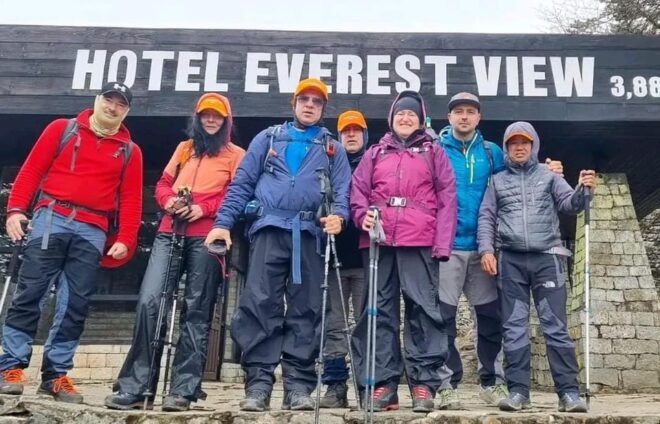
Preparing for the Everest Base Camp Trek requires careful planning and packing to ensure trekkers are equipped for the unpredictable Himalayan conditions. A well-organized packing list can make all the difference in comfort and safety. Trekkers should focus on layering clothing, as temperatures can fluctuate dramatically throughout the day.
| Essential Gear | Clothing | Health Supplies |
|---|---|---|
| Trekking boots | Thermal base layers | First aid kit |
| Daypack | Waterproof jacket | Altitude medication |
| Sleeping bag | Insulated gloves | Sunscreen |
Safety and Health Considerations
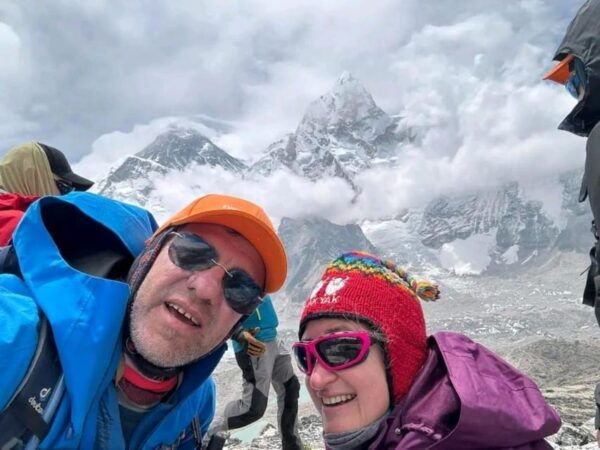
Safety and health are paramount for trekkers embarking on the Everest Base Camp Trek, as the rugged terrain and high altitude present unique challenges that require careful attention and preparation. Trekkers must be vigilant about acclimatization to avoid altitude sickness, which can strike unexpectedly. Staying hydrated and nourished is crucial for maintaining energy levels throughout the trek.
Key considerations include:
Acclimatization Days: Taking designated days to adjust to high altitudes, particularly in Namche and Dingboche.
Physical Fitness: Preparing with a fitness regimen to ensure stamina and strength for the demanding trails.
Travel Insurance: Securing comprehensive coverage, including high-altitude evacuation, to address any emergencies.
Best Time to Trek
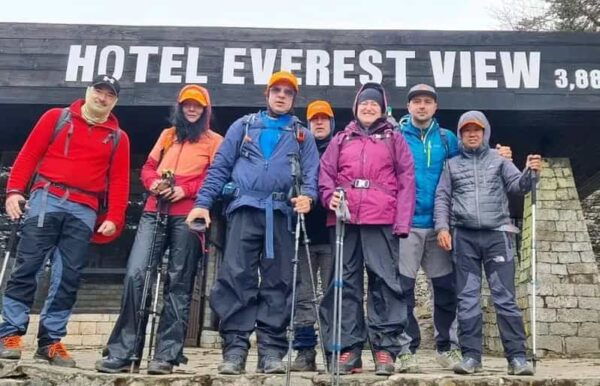
The best time to embark on the Everest Base Camp Trek is during the spring and autumn months, when the weather is generally clear and mild, providing trekkers with stunning views and comfortable hiking conditions.
Spring, from late March to May, showcases blooming rhododendrons and offers the clearest skies, while autumn, from late September to November, features crisp air and vibrant landscapes.
Trekking during these seasons, climbers can expect optimal visibility of the majestic peaks, including Everest, Lhotse, and Nuptse.
Plus, these months avoid the heavy monsoon rains and extreme winter cold, ensuring a safer and more enjoyable trekking experience.
Planning a trek during these times significantly enhances the overall adventure and appreciation of the breathtaking surroundings.
Questions You May Have
What Is the Fitness Level Required for the Trek?
For this trek, an intermediate fitness level’s required. Participants should be comfortable hiking for several hours daily, with stamina for altitude changes. Regular cardio and strength training help prepare for the demanding terrain and elevation.
Are There Age Restrictions for Participants?
There aren’t strict age restrictions for participants, but most operators recommend trekkers be at least 12 years old. Younger trekkers should have adult supervision, ensuring everyone enjoys a safe and fulfilling trekking experience.
Can I Join Solo or Only in Groups?
He can join either solo or in groups, as options exist for both. Many solo trekkers find camaraderie among fellow adventurers, while group experiences often enhance the journey with shared stories and support.
What Happens if I Experience Altitude Sickness?
If she experiences altitude sickness, her guide’ll monitor her closely, suggesting rest and hydration. He might recommend descending to a lower altitude if symptoms persist, ensuring her safety and well-being throughout the journey.
How Do I Communicate With Family During the Trek?
During the trek, he can communicate with family using satellite phones or Wi-Fi at select tea houses. Regular updates keep everyone connected, ensuring peace of mind while he enjoys breathtaking views and adventurous experiences.
Break Down
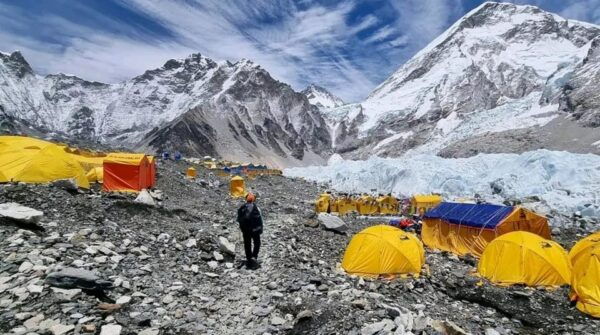
The Everest Base Camp Trek is an unforgettable journey that weaves through breathtaking landscapes and rich Sherpa culture.
Over 14 days, trekkers not only challenge themselves physically but also gain a profound appreciation for the majestic Himalayas.
With careful preparation and an adventurous spirit, they’ll create lasting memories and connections in a region that inspires awe.
Whether gazing at Everest’s summit or sharing stories with locals, this trek promises an experience of a lifetime.
You can check availability for your dates here: More Great Tours Nearby