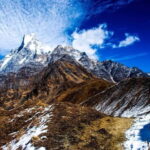
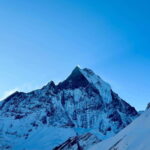
Deep in the heart of the Himalayas, a group of adventurers find themselves standing in awe at the foot of Mount Everest. The air is thin, the scenery breathtaking, and the challenge ahead immense.
This is the Everest Base Camp Trek, an 11-day journey that tests the limits of physical endurance and offers a once-in-a-lifetime experience.
But what awaits these intrepid travelers as they navigate through rugged terrain and face the unpredictable forces of nature?
Join us as we embark on this epic adventure, where every step brings us closer to the roof of the world.
- Good To Know
- Arrival in Kathmandu
- Fly to Lukla
- Trek to Phakding
- Trek to Namche Bazaar
- Acclimatization Day in Namche Bazaar
- Trek to Tengboche
- Trek to Dingboche
- Acclimatization Day in Dingboche
- Trek to Lobuche
- Trek to Everest Base Camp and Back to Gorak Shep
- Trek Back to Lukla and Departure From Kathmandu
- Common Questions
- What Is the Maximum Altitude Reached During the Everest Base Camp Trek?
- Are There Any Age Restrictions for Participating in the Trek?
- Is It Possible to Hire an Additional Porter for Personal Belongings?
- Are There Any Communication Facilities Available Along the Trekking Route?
- Are There Any Medical Facilities Available in Case of an Emergency During the Trek?
- The Sum Up
- The Best Of Kathmandu!
- More Hiking & Trekking Tours in Kathmandu
- More Tour Reviews in Kathmandu
- Not for you? Here's more nearby things to do in Kathmandu we have reviewed
Good To Know
- Acclimatization is crucial for a successful trek to Everest Base Camp.
- Spring or autumn are the recommended seasons for stable weather conditions.
- Pack lightly and wear comfortable clothing and shoes for the trek.
- Explore the vibrant Sherpa culture and visit UNESCO World Heritage Sites in Kathmandu before and after the trek.
👉 See our pick of the 14 Best Shopping Tours In Kathmandu
Arrival in Kathmandu
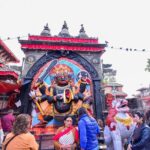
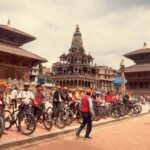
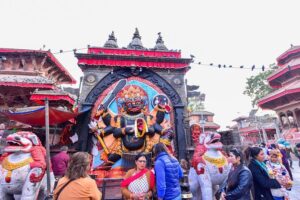
Upon arriving in Kathmandu, travelers will be greeted with a vibrant and bustling city that serves as the gateway to the awe-inspiring Everest Base Camp trek. Before embarking on the trek, it’s recommended to explore the cultural heritage of Kathmandu.
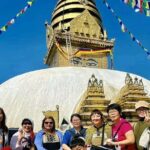
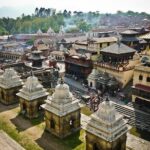
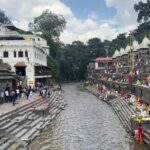
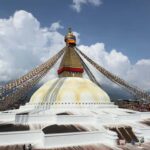
The city is home to numerous UNESCO World Heritage Sites, such as the ancient temples of Pashupatinath and Boudhanath, where one can witness the rich traditions and spirituality of Nepal.
Plus, it’s crucial to understand the significance of acclimatization in high altitude trekking. Altitude sickness is a real concern when trekking to Everest Base Camp, and taking the time to acclimate properly can make or break the journey.
This involves gradually ascending to higher altitudes, allowing the body to adjust to the thin air and reducing the risk of altitude-related illnesses. It’s important to prioritize acclimatization to ensure a safe and enjoyable trekking experience.
You can also read our reviews of more hiking tours in Kathmandu
Fly to Lukla
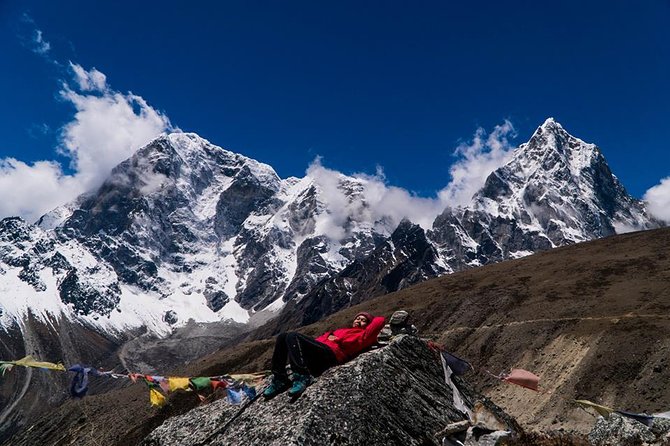
Travelers will embark on an exhilarating journey as they board a flight to Lukla, the starting point of the Everest Base Camp trek.
When it comes to the best time to fly to Lukla for the Everest Base Camp trek, it’s recommended to plan your trip during the spring (March to May) and autumn (September to November) seasons. These months offer stable weather conditions and clear skies, ensuring a smooth and safe flight experience. However, it’s important to note that weather in the mountains can be unpredictable, so it’s always advisable to check the weather forecast before your departure.
To ensure a comfortable flight to Lukla, here are some tips:
- Pack lightly
- Wear comfortable clothing and shoes
- Arrive early at the airport to avoid any rush
- Stay hydrated throughout the journey
Following these tips will help you have a seamless and enjoyable flight to Lukla, setting the stage for an unforgettable adventure in the Everest region.
Trek to Phakding
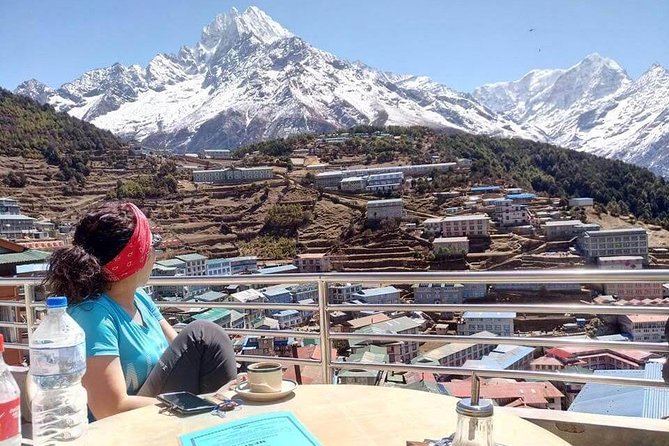
Embarking on the trek to Phakding, adventurers will traverse through stunning landscapes and experience the thrill of venturing deeper into the heart of the Everest region.
Phakding village, the first stop on the Everest Base Camp Trek, holds great significance. It serves as a resting point for trekkers to acclimatize to the altitude and prepare for the challenging journey ahead. The village offers basic amenities like lodges, teahouses, and shops, providing a glimpse into the local Sherpa culture.
Trekking to Phakding presents its fair share of challenges. The trail, although well-marked, can be steep and rocky at times, demanding a good level of physical fitness. However, the highlights outweigh the challenges. Trekkers will be rewarded with breathtaking views of snow-capped peaks, lush green valleys, and the mesmerizing Dudh Koshi River along the way.
Trek to Namche Bazaar
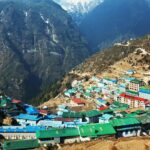
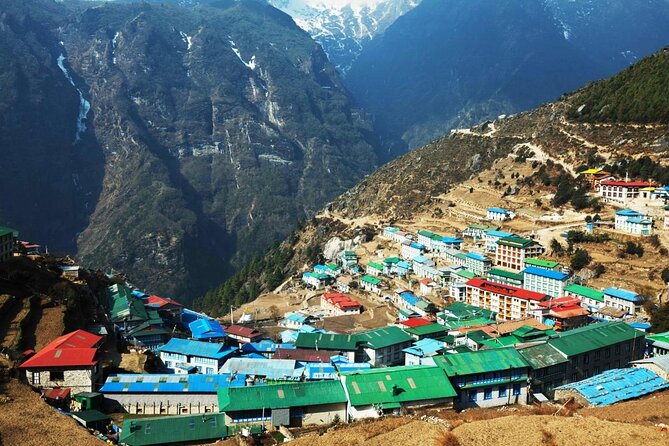
As you embark on the trek to Namche Bazaar, be prepared to learn about a thrilling adventure through breathtaking landscapes and learn about the vibrant Sherpa culture. The trek to Namche Bazaar is not for the faint of heart, as it presents a moderate difficulty level. However, the stunning views of the Himalayas and the opportunity to interact with the local Sherpa community make it all worthwhile. Along the way, trekkers can find various accommodations in Namche Bazaar, ranging from teahouses to guesthouses. These accommodations provide a comfortable resting place for weary trekkers, with basic amenities and warm hospitality. After a long day of trekking, you can relax and recharge in Namche Bazaar, ready to continue your journey to Everest Base Camp.
| Trek Difficulty | Accommodations |
|---|---|
| Moderate | Teahouses, Guesthouses |
Acclimatization Day in Namche Bazaar
After conquering the trek to Namche Bazaar and seeing the vibrant Sherpa culture, trekkers can look forward to an exhilarating acclimatization day in this bustling mountain town. Acclimatization is crucial for a successful Everest Base Camp trek, as it allows the body to adjust to the high altitudes and reduces the risk of altitude sickness.
Here are some tips for acclimatizing at high altitudes:
Take it slow: Ascend gradually to allow your body time to adapt to the thin air.
Stay hydrated: Drink plenty of water to prevent dehydration, which can worsen altitude sickness.
Listen to your body: Pay attention to any signs of altitude sickness, such as headaches or nausea, and descend if necessary.

Trek to Tengboche
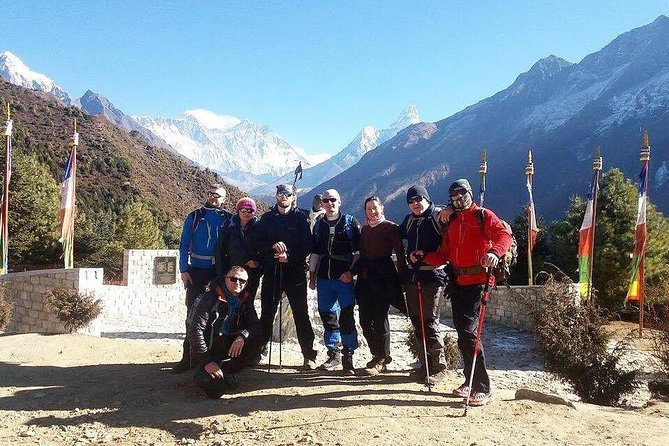
The trek to Tengboche offers trekkers a mesmerizing journey through the stunning landscapes of the Everest region. As they make their way towards Tengboche, adventurers will have the opportunity to explore the famous Tengboche Monastery, a spiritual and cultural gem nestled amidst the majestic Himalayas.
This ancient monastery holds great significance to the Sherpa people and is a peaceful haven for meditation and reflection. However, the trek to Tengboche isn’t without its challenges. The high altitude poses a test for even the most experienced trekkers, with thinner air and lower levels of oxygen. Altitude sickness is a real concern, and it’s important for trekkers to acclimatize properly and take necessary precautions.
Despite the challenges, the trek to Tengboche promises a truly unforgettable adventure in the heart of the Everest region.
Trek to Dingboche
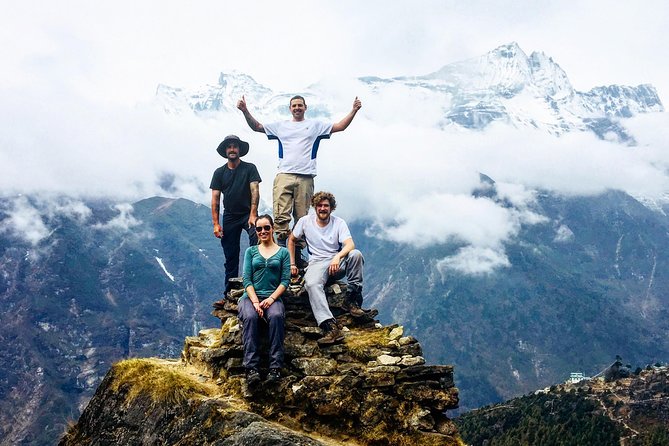
Embarking on the trek to Dingboche is like venturing into a world of rugged beauty and breathtaking panoramas in the heart of the Everest region. This leg of the journey offers a unique experience that combines the acclimatization benefits of a slower ascent with the challenges of trekking at higher altitudes.
Here are three key aspects to keep in mind:
Acclimatization benefits: Dingboche serves as an important acclimatization stop on the way to Everest Base Camp. The village is located at an altitude of around 4,410 meters, allowing trekkers to adapt to the thinning air before continuing their ascent.
Trekking difficulties: The path to Dingboche involves navigating steep uphill sections, rocky terrain, and potentially challenging weather conditions. Trekkers need to be prepared for the physical demands and potential altitude-related symptoms, such as shortness of breath and fatigue.
Stunning vistas: Despite the trekking difficulties, Dingboche rewards adventurers with awe-inspiring views of towering peaks, including Ama Dablam and Lhotse. The surrounding landscape is a photographer’s paradise, with snow-capped mountains, verdant valleys, and charming Sherpa villages.
As trekkers continue their journey to Dingboche, they’ll be captivated by the beauty of the Everest region while acclimatizing for the challenges ahead.
Acclimatization Day in Dingboche

Continuing their journey through the rugged beauty of the Everest region, trekkers reach Dingboche, a village nestled at an altitude of around 4,410 meters, where they can acclimate to the thinning air and soak in the awe-inspiring vistas that await them. Acclimatization is a crucial aspect of the Everest Base Camp trek, as it allows the body to adjust to the high altitude and reduces the risk of altitude sickness. Dingboche provides the perfect setting for this process, with its stunning mountain views and peaceful atmosphere. To ensure a successful acclimatization day, trekkers should follow a few tips. First, it is important to stay hydrated by drinking plenty of water. Second, taking short walks around Dingboche can help the body adapt to the altitude. Lastly, avoiding strenuous activities and getting enough rest is essential. By prioritizing acclimatization, trekkers can fully enjoy the breathtaking journey to Everest Base Camp.
| Benefits of Acclimatization | Tips for Acclimatization Success |
|---|---|
| – Reduces risk of altitude sickness | – Stay hydrated by drinking plenty of water |
| – Allows the body to adjust to high altitude | – Take short walks around Dingboche |
| – Enhances enjoyment of the trek | – Avoid strenuous activities |
| – Increases chances of reaching Everest Base Camp | – Get enough rest |
Trek to Lobuche
As trekkers embark on their journey towards Lobuche, they’re filled with excitement and anticipation for the rugged and awe-inspiring adventure that lies ahead. The trek to Lobuche is known for its stunning mountain views and challenging trekking difficulties.
Here are some key aspects of this leg of the journey:
High altitude: Trekkers will face the challenge of trekking at high altitudes, which can cause altitude sickness. Proper acclimatization and taking necessary precautions are essential.
Rocky terrain: The trail to Lobuche is characterized by rocky and uneven terrain, requiring trekkers to navigate carefully and wear appropriate footwear.
Magnificent vistas: Along the way, trekkers will be treated to breathtaking views of towering peaks, including Ama Dablam and Nuptse.
Despite the trekking difficulties, the reward of witnessing the majestic mountain views makes the journey to Lobuche an unforgettable experience.
Trek to Everest Base Camp and Back to Gorak Shep
With the exhilarating trek to Lobuche behind them, trekkers now set their sights on the next leg of their adventure: the journey to Everest Base Camp and back to Gorak Shep, where they’ll be immersed in the awe-inspiring beauty of the world’s highest peak.
As they continue their ascent, one of the key concerns is altitude sickness prevention. Trekkers are advised to acclimatize properly by taking rest days, staying hydrated, and ascending gradually.
It’s also essential to be equipped with the right gear for the Everest Base Camp trek. Some of the necessary items include sturdy hiking boots, warm clothing, a good-quality sleeping bag, a backpack, trekking poles, and a headlamp. Plus, it’s important to carry essential medications, sunscreen, sunglasses, and a water purification system.
Proper preparation and equipment will ensure a safe and memorable journey to Everest Base Camp and back to Gorak Shep.
Trek Back to Lukla and Departure From Kathmandu
After conquering the awe-inspiring beauty of Everest Base Camp and Gorak Shep, trekkers prepare for their final leg of the journey back to Lukla, where they’ll depart from Kathmandu, filled with unforgettable memories and a sense of accomplishment.
The trek back to Lukla offers trekkers a chance to reflect on the challenges and rewards of trekking in the Everest region. It’s a time to appreciate the stunning landscapes and the indomitable spirit of the Sherpa people.
Once in Lukla, trekkers can explore the cultural and natural highlights of the area, including ancient monasteries and breathtaking mountain views.
From Lukla, they’ll take a short flight back to Kathmandu, where they can continue their adventure by exploring the vibrant city and its rich cultural heritage.
Common Questions
What Is the Maximum Altitude Reached During the Everest Base Camp Trek?
The maximum altitude reached during the Everest Base Camp trek is 5,364 meters. It’s important to note that there are trek restrictions and travelers should have a moderate physical fitness level to undertake this adventure.
Are There Any Age Restrictions for Participating in the Trek?
Age restrictions for the trek are not explicitly stated, but participants are advised to have a moderate physical fitness level. It is recommended to consult with a healthcare professional before embarking on this adventurous journey.
Is It Possible to Hire an Additional Porter for Personal Belongings?
Yes, it is possible to hire an additional porter for personal belongings. However, there may be weight restrictions, so it’s important to check with the tour provider beforehand. This will ensure a more comfortable and enjoyable trekking experience.
Are There Any Communication Facilities Available Along the Trekking Route?
Yes, there are communication facilities available along the trekking route. The network coverage may vary, but most areas have access to Wi-Fi and mobile networks, allowing trekkers to stay connected during their journey to Everest Base Camp.
Are There Any Medical Facilities Available in Case of an Emergency During the Trek?
Medical facilities and emergency services are available along the trekking route. Travelers can rest assured knowing that help is nearby in case of any medical emergencies that may occur during the trek.
The Sum Up
Embark on the exhilarating Everest Base Camp Trek and experience the breathtaking beauty of the Himalayas. This challenging 11-day journey will test your physical fitness and offer unforgettable moments.
From the bustling streets of Kathmandu to the remote villages and majestic peaks, every step of the trek is filled with adventure. Take in the stunning landscapes, acclimatize in Namche Bazaar and Dingboche, and reach the iconic Everest Base Camp before returning to Lukla.
This incredible trek is a once-in-a-lifetime experience that will leave you in awe of nature’s wonders.