- Introduction
- Good To Know
- A Complete Breakdown of the 12-Day Everest Base Camp Trek
- Starting Point: Kathmandu to Lukla
- Day 1: Trek from Lukla to Phakding
- Day 2: Phakding to Namche Bazaar
- Day 3: Acclimatization in Namche
- Day 4: Trek to Tengboche
- Day 5: Tengboche to Dingboche
- Day 6: Acclimatization in Dingboche
- Day 7: Dingboche to Lobuche
- Day 8: Lobuche to Gorak Shep, Visit Everest Base Camp
- Day 9: Hike to Kala Patthar, then Pheriche
- Days 10-11: Return Trek to Lukla
- Day 12: Fly back to Kathmandu
- What Makes This Trek Stand Out?
- Stunning Mountain Vistas
- Cultural Encounters with Sherpa Communities
- Manageable Challenge for First-Timers
- Authentic Accommodation and Hospitality
- Value for Money
- Practical Aspects and Considerations
- Itinerary and Duration
- Transportation and Logistics
- What’s Included and What’s Not
- Preparation Tips
- Seasonal Timing
- Permits and Documentation
- Additional Notes
- The Sum Up
- FAQs
- The Best Of Kathmandu!
- More Tour Reviews in Kathmandu
- Not for you? Here's more nearby things to do in Kathmandu we have reviewed
Introduction
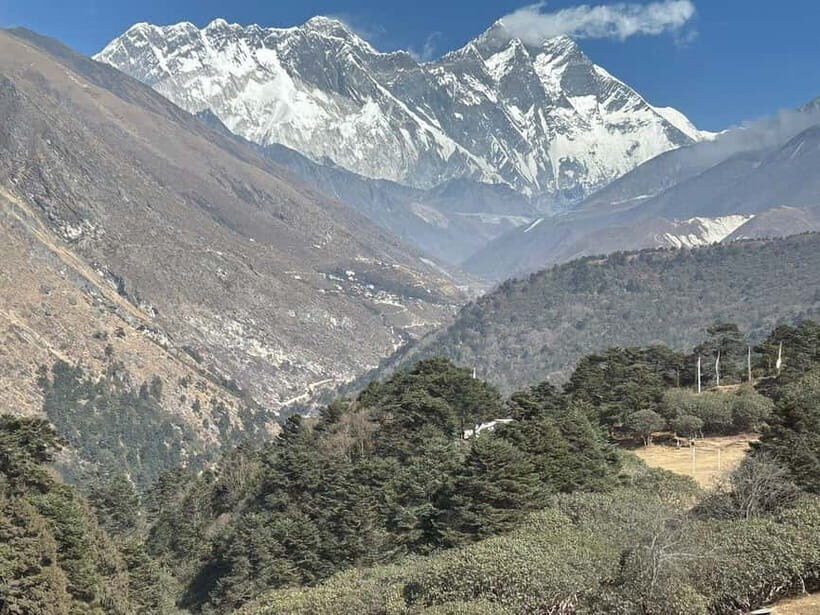
Exploring Everest Base Camp for the first time is often a dream for adventure lovers and cultural explorers alike. While most think of this iconic trek as reserved for seasoned climbers, the 12-day journey designed specifically for first-timers makes it more accessible — and equally unforgettable.
We love that this trek combines breathtaking views of Everest and neighboring peaks, immerses you in Sherpa culture, and provides a well-paced, manageable challenge. Plus, the chance to stay in cozy tea houses along the route adds a warm, social touch. On the flip side, it’s worth noting that high altitude is always a consideration, and some level of physical fitness is necessary. This experience suits travelers craving a once-in-a-lifetime adventure with stunning scenery and cultural richness without the need for prior trekking experience.
You can check availability for your dates here:
👉 See our pick of the 14 Best Shopping Tours In Kathmandu
Good To Know
- Stunning Landscapes: Views of Everest, Lhotse, Ama Dablam, and more create a visual feast.
- Cultural Encounters: Visit Sherpa villages and monasteries for authentic cultural insights.
- Moderate Challenge: Suitable for first-timers with good fitness; acclimatization days help prevent altitude sickness.
- All-Inclusive: Costs cover permits, guides, domestic flights, and basic equipment, providing good value.
- Authentic Stay: Tea house accommodations promise local hospitality and memorable mountain vistas.
- Flexible Payment: Book now with a pay later option, making the trip more accessible.
You can also read our reviews of more tours and experiences in Kathmandu.
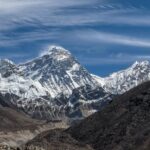

A Complete Breakdown of the 12-Day Everest Base Camp Trek
Starting Point: Kathmandu to Lukla
Our adventure begins with a scenic domestic flight from Kathmandu to Lukla. It’s a short 30-35 minute hop that offers spectacular views as the plane skirts the Himalayan valleys — a thrill in itself. From Lukla, you start your trek by walking through lush forests and small villages, setting the tone for a journey that balances natural beauty with local charm.
Day 1: Trek from Lukla to Phakding
The trek from Lukla to Phakding is about 3-4 hours. It’s an easy start, with a gentle downhill walk along the Dudh Kosi River, offering glimpses of soaring peaks and dense rhododendron forests. Reviewers mention the welcoming local hospitality here, which makes the first days feel cozy and friendly.
More Great Tours NearbyDay 2: Phakding to Namche Bazaar
A longer day (about 5-6 hours), this leg introduces you to the first major acclimatization stop: Namche Bazaar, a bustling hub that combines mountain trading traditions with vibrant Sherpa culture. The trail climbs gradually and offers stunning views of Everest, Lhotse, and Thamserku. Visitors often comment on the lively market atmosphere and the chance to sample local food and buy souvenirs.
Day 3: Acclimatization in Namche
This crucial day helps your body adjust to the increasing altitude. Many hikers opt for an optional hike to nearby viewpoints or visit the Everest View Hotel for spectacular panoramas. Reviewers find that proper acclimatization makes all the difference in preventing altitude sickness, and staying in Namche allows for a richer cultural experience.
Day 4: Trek to Tengboche
A highlight is the trek to Tengboche (around 4-5 hours), famous for its monastery, which offers a peaceful spot to absorb Sherpa spirituality. The trail features breathtaking vistas of Everest and Ama Dablam, often described as some of the best on the route. The monastery itself is a highlight — a place full of history, prayer flags, and panoramic views.
Day 5: Tengboche to Dingboche
This stretch (about 5 hours) takes you through rhododendron forests and across suspension bridges over glacial rivers. Dingboche is yet another high-altitude village, and many reviews mention its welcoming community and the chance for a gentle hike to Nangkartshang Peak for those wanting extra acclimatization. The scenery is rugged and stunning, with views of Lhotse and Island Peak making it well worth the effort.
Day 6: Acclimatization in Dingboche
Another day to prevent altitude sickness, with optional hikes that reveal sweeping views of Makalu and surrounding peaks. Reviewers appreciate the slower pace here, noting that it helps avoid fatigue and boosts confidence for the upcoming challenge.
Day 7: Dingboche to Lobuche
This tougher segment (about 5-6 hours) brings you closer to the high Himalayas, walking past scattered stone cairns and memorials honoring climbers lost on Everest. The landscape becomes sparse and windswept, but the views of Everest and Nuptse are awe-inspiring. Our sources report that the scenery here feels surreal and humbling.
Day 8: Lobuche to Gorak Shep, Visit Everest Base Camp
A memorable day, hikers trek to Gorak Shep (about 4 hours), then visit the iconic Everest Base Camp at 5,364 meters. Standing here, you’ll witness the colossal wall of ice and snow that forms the Khumbu Glacier. Several reviewers describe this moment as “unforgettable,” feeling truly close to the world’s highest peak. The ascent to Base Camp isn’t technical but demanding, so proper acclimatization and pacing are key.
Day 9: Hike to Kala Patthar, then Pheriche
An early morning hike to Kala Patthar (5,545 meters) is often called the highlight for its unbeatable panoramic views of Everest and surrounding peaks. Many mention that the sunrise from this vantage point is worth the early start. Afterward, you descend to Pheriche for a well-earned rest.
Days 10-11: Return Trek to Lukla
Descending back through the villages, you retrace your steps to Lukla. This part is less strenuous but offers time to reflect and soak in the mountain scenery one last time. Many reviews note the joy of passing familiar villages and sharing stories with fellow trekkers.
Day 12: Fly back to Kathmandu
The journey concludes with a short flight from Lukla to Kathmandu, wrapping up the adventure. Reviewers emphasize the convenience of the included airline transfers and how the flight offers a final scenic farewell to the Himalayas.
What Makes This Trek Stand Out?
Stunning Mountain Vistas
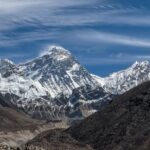
Throughout the trek, you’re constantly treated to jaw-dropping views of Everest and other towering peaks. Reviewers frequently comment that the scenery is truly awe-inspiring, with some describing the sight of Everest from Kala Patthar as “absolutely breathtaking.” The panoramic perspectives of snow-capped giants make every effort worthwhile.
Cultural Encounters with Sherpa Communities
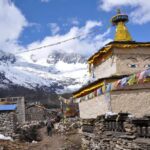
Walking through Sherpa villages like Namche and Tengboche provides a rare glimpse into Himalayan life. Many travelers mention the warmth and friendliness of locals, who are proud of their traditions. Visiting monasteries and seeing prayer flags fluttering against the mountains adds a spiritual dimension to the experience.
Manageable Challenge for First-Timers
The trek’s carefully paced itinerary and acclimatization days make it approachable for those new to high-altitude hiking. The moderate daily walking hours and the option for extra hikes help pace the journey to suit individual fitness levels. Reviewers stress that proper preparation and pacing significantly enhance enjoyment and safety.
Authentic Accommodation and Hospitality
Staying in tea houses offers a cozy, authentic Himalayan experience. Many reviews praise their warm hospitality, simple but comfortable rooms, and the chance to connect with fellow travelers. The communal atmosphere often turns the trek into a shared adventure.
Value for Money
At $1,150, the package includes essential permits, local guides, domestic flights, basic equipment like a sleeping bag and down jacket, and insurance for guides. The inclusion of permits and transportation simplifies logistics, making it a good deal considering the overall experience. Additional costs like personal gear, food, and tips are common considerations for travelers.
Practical Aspects and Considerations
Itinerary and Duration
The 12-day schedule is designed to balance adventure and acclimatization, with key stops at Namche, Tengboche, Dingboche, Lobuche, and Gorak Shep. The journey is thoughtfully paced, allowing your body to adjust gradually to higher elevations, which is crucial for avoiding altitude sickness.
Transportation and Logistics
The trip begins and ends with domestic flights between Kathmandu and Lukla. These are included in the price, easing logistical worries. The group size typically remains manageable, and guides are licensed and experienced, ensuring a smooth experience from start to finish.
What’s Included and What’s Not
The package covers important permits, airport transfers, flights, guides, and basic trekking gear like a sleeping bag and down jacket. It doesn’t include international airfare, personal gear, or food during the trek, so budget accordingly. Many reviews suggest bringing your own sturdy trekking boots, rain gear, and personal essentials.
Preparation Tips
You’ll want to be in good physical shape and prepared for high-altitude walking. Packing warm clothing, sunscreen, sunglasses, a power bank, and a good sleeping bag are advised. The trek reaches 5,364 meters at Base Camp, so altitude awareness and proper hydration are key.
Seasonal Timing
Spring (March-May) and autumn (Sept-Nov) are best for clear skies and stable weather. Reviewers note these seasons offer the most reliable views and pleasant trekking conditions.
Permits and Documentation
A valid passport, Nepal visa, and permits like the Sagarmatha National Park Entry Permit and TIMS card are necessary. These are arranged by your tour operator, making it hassle-free.
Additional Notes
Tipping guides and porters is customary, and being respectful of local customs enhances your experience. The trek is not suitable for pregnant women, people with heart problems, or those who are visually impaired.
The Sum Up
This 12-day Everest Base Camp trek offers an exceptional combination of stunning scenery, culture, and manageable challenge. It provides a great introduction to Himalayan trekking, allowing first-timers to experience the majesty of Everest without requiring mountaineering expertise. The well-paced itinerary, inclusive pricing, and authentic local stays make it a compelling choice for those seeking adventure and personal growth.
While high altitude remains a consideration, attentive acclimatization and proper preparation can ensure a smooth journey. The opportunity to witness Everest’s grandeur from Kala Patthar, combined with visits to Sherpa villages and monasteries, makes this an experience you’ll cherish forever.
If you’re looking for a value-packed, breathtaking adventure that balances natural beauty with cultural discovery, this trek is a fantastic option. It’s best suited for active travelers ready to embrace new challenges and eager to witness one of the world’s most iconic landscapes.
FAQs
What is included in the tour price?
The price covers permits such as the Sagarmatha National Park Entry Permit and TIMS card, local guides, round-trip domestic flights, airport transfers in Kathmandu, basic trekking equipment like a sleeping bag and down jacket, and insurance for guides.
Are international flights to Nepal included?
No, travelers need to arrange and pay for their own international airfare to and from Nepal.
Do I need a Nepal visa?
Yes, a valid passport and Nepal visa are required. The tour provider can help arrange permits, but visas are typically obtained beforehand or on arrival, depending on your nationality.
Is this trek suitable for beginners?
Yes, the itinerary is designed for first-time trekkers with a focus on manageable daily distances and acclimatization days. Proper fitness and pacing are essential.
What should I bring on the trek?
Warm clothing, sunglasses, sunscreen, a raincoat, a sleeping bag, trekking gear, a charged smartphone, and a power bank. Some agencies provide additional equipment, but personal gear like sturdy boots is advised.
When is the best time to do this trek?
Spring (March-May) and autumn (September-November) are ideal for their clear skies and stable weather conditions.
How are accommodations along the route?
Stays are in cozy tea houses, offering basic but comfortable rooms with local hospitality. Many reviewers appreciate the authentic experience.
What is the altitude at Everest Base Camp?
The trek culminates at Everest Base Camp, which is at 5,364 meters above sea level.
Is altitude sickness a concern?
Yes, but the itinerary’s acclimatization days help reduce risks. Adequate hydration, pacing, and listening to your body are crucial for safety.
In summary, this trek offers a well-rounded experience blending stunning scenery, cultural encounters, and physical challenge—perfect for first-time Himalayan explorers eager for a truly memorable adventure.
You can check availability for your dates here: More Great Tours Nearby