
The Everest Base Camp and Three Pass Trek unfolds as a striking journey through the heart of the Himalayas, inviting adventurers to embrace the challenge of its rugged terrain and high altitudes. With each step, trekkers encounter the thrill of crossing Kongma La, Cho La, and Renjo La passes, while the allure of Everest Base Camp looms ahead. The trek’s carefully crafted itinerary balances the exhilaration of breathtaking views with essential acclimatization, ensuring a memorable experience. As they ascend, the question arises: what hidden stories and breathtaking vistas await just beyond the next ridge?
- Key Points
- Trek Overview and Itinerary
- Experience and Highlights
- Inclusions and Services
- Exclusions and Additional Costs
- Important Information and Restrictions
- Preparation and Gear Checklist
- Tips for a Successful Trek
- Questions You May Have
- What Is the Best Time of Year for This Trek?
- How Physically Fit Do I Need to Be for This Trek?
- Are There Age Restrictions for Participants?
- Can I Modify the Itinerary During the Trek?
- What Should I Do in Case of Altitude Sickness?
- Break Down
Key Points
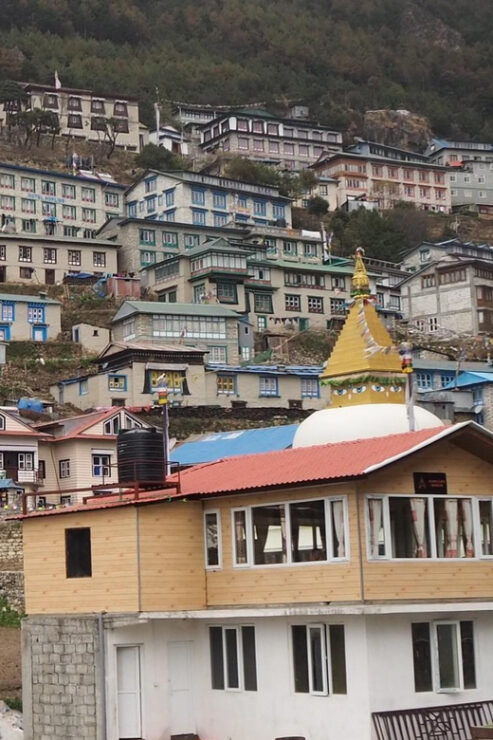
- The trek lasts 17 days, starting with a flight from Kathmandu to Lukla and includes iconic high passes and stunning views.
- Key highlights include reaching Everest Base Camp, witnessing sunrises from Kala Patthar and Gokyo Ri, and exploring Sherpa culture in Namche Bazaar.
- The trek involves acclimatization days in Namche and Dingboche to help prevent altitude sickness and ensure safety.
- Accommodation consists of cozy teahouses and lodges, with local guides and porters providing support throughout the journey.
- Important preparations include sturdy trekking gear, travel insurance, and budgeting for food and additional costs during the trek.
Trek Overview and Itinerary
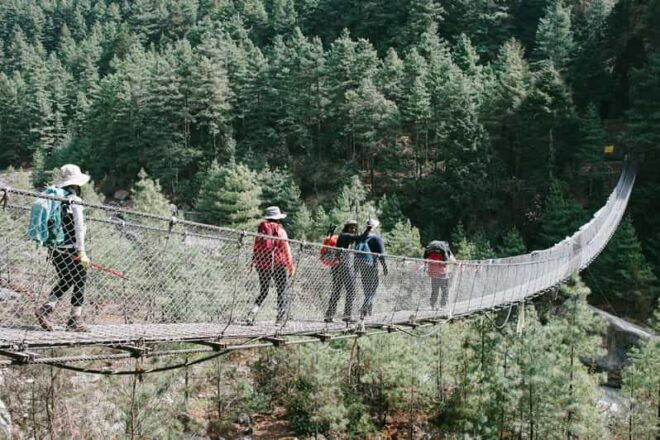
The Everest Base Camp Trek spans 17 exhilarating days, inviting adventurers to traverse lush forests, rugged terrain, and vibrant Sherpa villages while seeing the breathtaking beauty of the Himalayas.
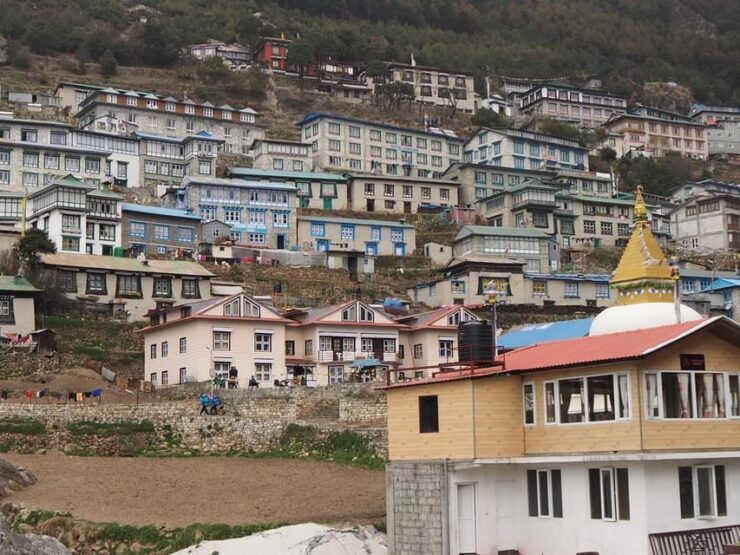
Starting from Kathmandu, trekkers embark on a round-trip flight to Lukla, kicking off their journey. They’ll meander through picturesque settlements like Phakding and Namche Bazaar, where the rich culture and warmth of the Sherpa people shine.
Acclimatization days in Namche and Dingboche prepare them for the altitude gains ahead. The trek includes crossings over iconic high mountain passes, offering thrilling challenges and awe-inspiring views.
Each day reveals new marvels, making this trek a remarkable adventure that promises unforgettable memories amidst towering peaks and stunning landscapes.
Experience and Highlights
Adventurers will find themselves conquering three breathtaking high mountain passes—Kongma La, Cho La, and Renjo La—each offering stunning vistas that leave a lasting impression. The trek presents an unforgettable experience, showcasing the grandeur of the Himalayas in all its glory.
Highlights include:
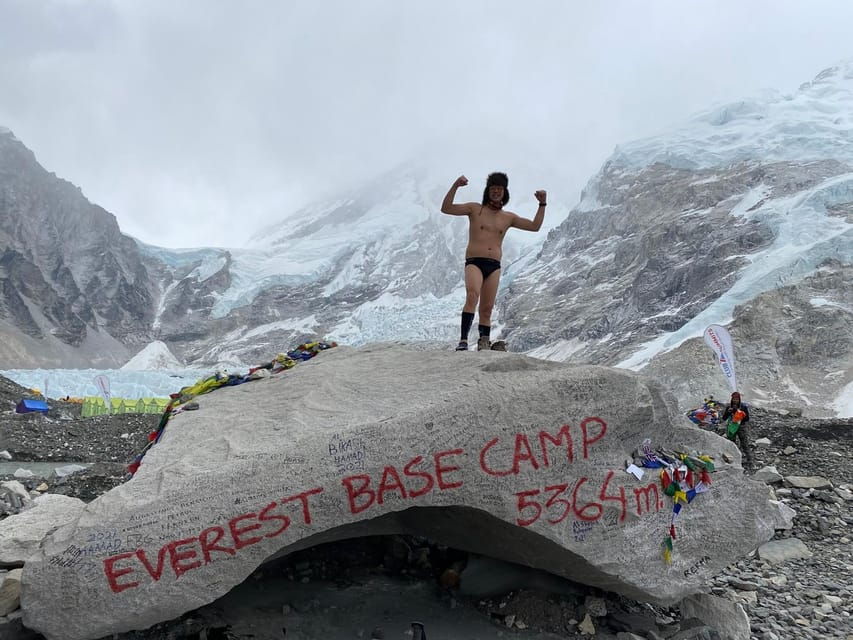
Standing at Everest Base Camp, surrounded by towering peaks and the majestic Khumbu Icefall.
Witnessing breathtaking sunrises from Kala Patthar and Gokyo Ri, where the mountains glow with golden hues.
Embracing the spiritual ambiance of ancient monasteries, prayer wheels, and mani walls, enriching the journey.
With every step, adventurers forge lifelong memories and friendships against the backdrop of the world’s highest peaks, making this trek a truly transformative experience.
Inclusions and Services
Trekking the Everest Base Camp route comes with a host of inclusions and services designed to ensure a seamless and unforgettable adventure in the heart of the Himalayas. Participants will benefit from expert local guides, essential permits, and comfortable accommodations, paving the way for an extraordinary journey.
| Inclusions | Details |
|---|---|
| Local Guide & Porter Services | Experienced guides ensure safety and support. |
| Accommodation | Cozy teahouses and lodges throughout the trek. |
| Emergency Evacuation Service | Peace of mind with support if needed. |
With airport transfers and pre-trek briefings, every detail is taken care of, allowing trekkers to focus on the stunning landscapes and vibrant culture of the Everest region.
Exclusions and Additional Costs

While the trek offers an impressive array of inclusions, participants should be aware of certain exclusions and additional costs that can impact their adventure in the breathtaking Himalayas.
These expenses may catch trekkers off guard if they’re not prepared, so it’s vital to plan accordingly.
Here are some key exclusions to consider:
International flights to and from Kathmandu
Travel insurance that covers medical and evacuation expenses
Food and beverages during the trek
Budgeting for these additional costs will ensure that the experience remains enjoyable and stress-free, allowing trekkers to fully enjoy the awe-inspiring landscapes and vibrant culture of this legendary region.
Adventure awaits, but preparation is key!
More Great Tours NearbyImportant Information and Restrictions
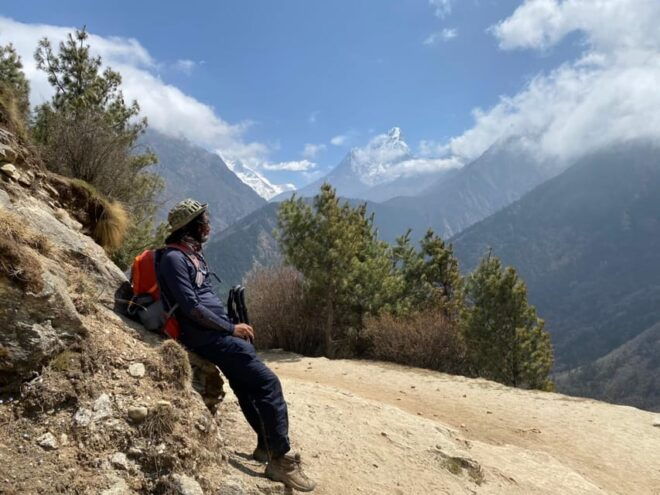
Before embarking on this thrilling journey to Everest Base Camp, trekkers must be aware of crucial information and restrictions that will ensure a safe and enjoyable experience in the majestic Himalayas.
This trek isn’t suitable for pregnant women or anyone with a history of altitude sickness, as the heights can pose serious risks.
Drones are strictly prohibited, preserving the serene beauty of the landscape.
Participants will attend a comprehensive briefing a day or two prior to the trek, where they’ll finalize their adventure plans.
It’s essential to check availability and select dates that fit their schedule, ensuring a seamless start to this unforgettable expedition.
Being informed enhances the journey, allowing trekkers to fully embrace the breathtaking surroundings.
Preparation and Gear Checklist
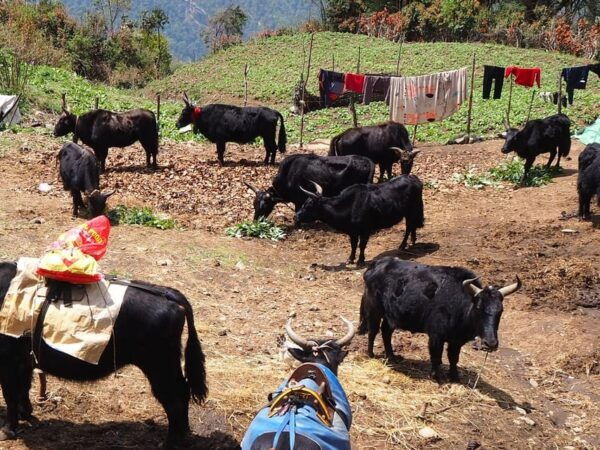
Preparing for the Everest Base Camp trek requires careful consideration of essential gear and equipment to ensure trekkers are ready to face the stunning yet challenging terrain of the Himalayas. Each item on the gear checklist plays a crucial role in enhancing comfort and safety during the adventure.
Trekkers should prioritize the following essentials:
Sturdy trekking boots: These provide the necessary support and grip on rugged trails.
Warm, layered clothing: Dressing in layers allows trekkers to adapt to fluctuating temperatures, keeping them comfortable.
Quality sleeping bag: A sleeping bag rated for cold temperatures ensures a restful night at altitude.
With the right gear, trekkers can fully enjoy the breathtaking beauty of the Himalayas while tackling the exhilarating challenges that lie ahead.
Tips for a Successful Trek
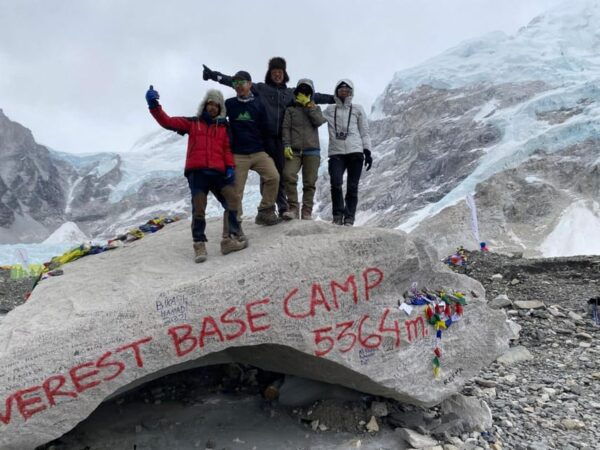
Embracing the spirit of adventure, trekkers can enhance their experience on the Everest Base Camp trek by following a few key tips that ensure both safety and enjoyment amidst the majestic Himalayan landscape.
First, acclimatization is crucial; take time to let the body adjust to altitude, especially in Namche Bazaar and Dingboche. Hydrating regularly keeps energy levels high, while nutritious snacks fuel the journey.
Dressing in layers helps combat the unpredictable weather, and sturdy trekking poles provide stability on rugged terrain.
Plus, embracing the local culture enriches the experience; interacting with Sherpa locals and visiting monasteries adds depth to the trek.
Lastly, maintaining a positive mindset fosters resilience, turning challenges into unforgettable adventures against the breathtaking backdrop of towering peaks.
Questions You May Have
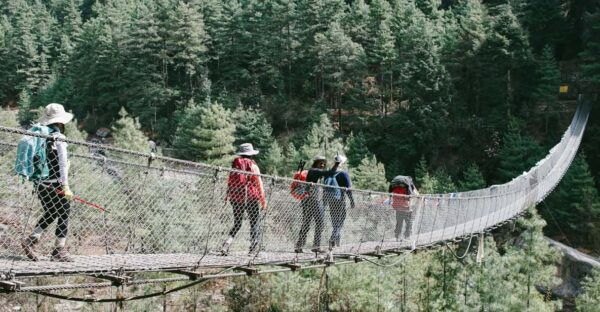
What Is the Best Time of Year for This Trek?
The best time for this trek is spring and autumn. During these seasons, trekkers enjoy clear skies, mild temperatures, and vibrant landscapes, creating an unforgettable adventure amidst breathtaking mountain views and charming villages.
How Physically Fit Do I Need to Be for This Trek?
To tackle this trek, a good level of fitness is essential. Participants should build stamina through regular hiking, cardio, and strength training, preparing their bodies for the exhilarating challenges and breathtaking views that await.
Are There Age Restrictions for Participants?
Age restrictions aren’t strictly enforced, but participants should be in good health and ready for physical challenges. Many adventurers, young and old, embrace the thrill, forging unforgettable memories amidst breathtaking landscapes and vibrant local cultures.
Can I Modify the Itinerary During the Trek?
They can modify the itinerary during the trek, but it’s best to consult their guide first. Flexibility enhances the adventure, allowing them to seize unexpected opportunities or explore breathtaking sights along the way.
What Should I Do in Case of Altitude Sickness?
If altitude sickness strikes, they should descend immediately to a lower elevation, hydrate, and rest. Consulting their guide is crucial, as he’ll provide support and advice, ensuring they can continue their adventure safely.
Break Down
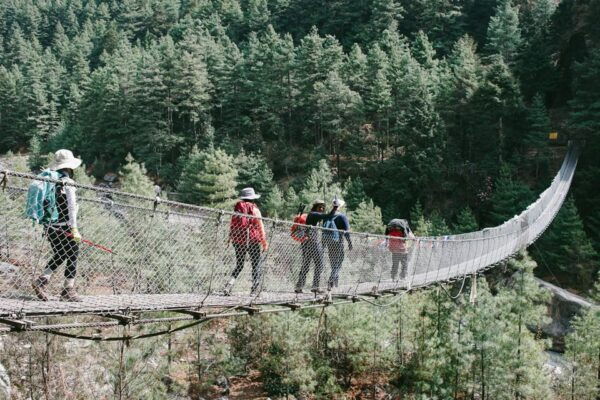
The Everest Base Camp and Three Pass Trek promises an unforgettable journey through the heart of the Himalayas.
With towering peaks, vibrant Sherpa culture, and breathtaking sunrises, every step is a new adventure waiting to unfold.
As trekkers conquer challenging passes and stand in awe at Everest Base Camp, they create memories that last a lifetime.
Ready your gear, embrace the challenge, and let the mountains call you to an experience like no other!
You can check availability for your dates here: More Great Tours Nearby