Planning a Himalayan adventure often feels overwhelming — but what if you could combine three incredible peaks in one 30-day expedition that balances challenge and approachability? That’s exactly what the Everest 3 Peak Challenge offers. This guided, all-inclusive tour is designed for those with some high-altitude trekking experience, eager to step into mountaineering without all the risks of ultra-technical climbs.
We love the way this tour blends stunning vistas, culture, and practical mountaineering training — all wrapped into a manageable timeframe. The ability to summit three iconic peaks in the Himalayas makes it a standout for those seeking a meaningful challenge that’s still beginner-friendly. Plus, the comprehensive support from experienced guides and all-inclusive amenities make it feel safe and well-organized.
One potential consideration? The tour involves long days of trekking, high altitudes, and challenging conditions that require good fitness and mental resilience. It’s not for absolute beginners, but if you’ve done high passes or mountain hikes before, you’ll find it rewarding. This trip seems best suited for adventurous trekkers ready to level up their skills and experience the Himalayas in a deep, authentic way.
This tour is perfect for those who want to push their limits, improve their mountaineering knowledge, and experience Nepal’s breathtaking landscapes without the extreme technicalities of Everest itself.
- Good To Know
- An Honest Look at the Everest 3 Peak Challenge
- Starting in Kathmandu: The Gateway to Adventure
- From Kathmandu to the Mountains: The Trek Begins
- Entering Sherpa Country: Pangom and Beyond
- Acclimatization and Preparation Days
- Mera Peak: The First Summit
- Crossing the Amphu Labtsa and Chukhung Valley
- Island Peak: The Iconic Climb
- Lobuche East: The Final Challenge
- Returning via Everest Base Camp Route
- What Makes This Tour Stand Out
- Who Would Love This Tour?
- Final Thoughts on Value and Experience
- FAQs
- Final Words
- The Best Of Kathmandu!
- More Tour Reviews in Kathmandu
- Not for you? Here's more nearby things to do in Kathmandu we have reviewed
Good To Know
- Balanced challenge: Suitable for those with high-altitude trekking experience but new to technical mountaineering.
- Comprehensive support: Includes experienced guides, all necessary gear, and logistical arrangements.
- Stunning scenery: Offers spectacular mountain views, from the lush Sherpa villages to glacier-covered peaks.
- Cultural immersion: Pass through Sherpa villages, monasteries, and local markets, adding depth to the adventure.
- Value for price: At $6,245, it covers flights, permits, accommodations, guiding, and safety gear.
- Flexible itinerary: Designed with buffer days for weather and acclimatization, reducing risk and enhancing success chances.
👉 See our pick of the 14 Best Shopping Tours In Kathmandu
An Honest Look at the Everest 3 Peak Challenge
This 30-day journey is not just a climb; it’s a carefully curated experience that combines trekking, mountaineering, and cultural exploration in Nepal’s Himalayas. We’ll walk through what makes each part of the journey special, what you can realistically expect, and why it might be just the adventure you’re after.
You can also read our reviews of more tours and experiences in Kathmandu.
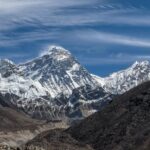

Starting in Kathmandu: The Gateway to Adventure
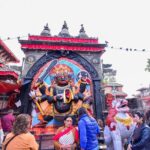
Your trip kicks off in Kathmandu, where a private vehicle picks you up from Tribhuvan International Airport. Staying in Thamel, the city’s bustling hub, gives you a chance to soak in Nepal’s vibrant street life, shop for last-minute gear, and get acclimatized to the local vibe. The hotel—Hotel Thamel Park—is a comfortable base for exploring before heading out into the mountains.
From Kathmandu to the Mountains: The Trek Begins
The first days involve a series of drives and hikes through scenic landscapes, passing bustling towns like Mulkot Bazar and the rugged mountains of Phaphlu. Expect a gradual transition from urban scenes to lush green farmlands, then into more remote terrain. This part of the journey allows your body to acclimate while soaking in Nepal’s natural beauty and local culture.
Entering Sherpa Country: Pangom and Beyond
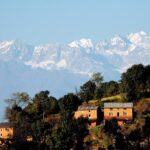
Driving deeper into Sherpa territory, you’ll pass through villages like Pangom. The landscape here transforms into a patchwork of terraced fields, rivers, and traditional settlements. The treks between Pangom, Ramailo Danda, and Kusum Kangaru lodge involve some steep ascents and descents—perfect for building your endurance and getting used to high-altitude conditions.
Acclimatization and Preparation Days
Before tackling the higher peaks, the itinerary smartly incorporates acclimatization hikes, like the trek to Thangnag Ri. These are critical for your safety and success, helping your body adjust to reduced oxygen levels and giving you a chance to practice technical skills like crampon use and rope walking under the supervision of guides.
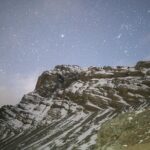
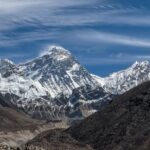
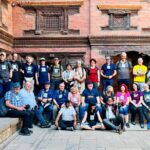
Mera Peak: The First Summit
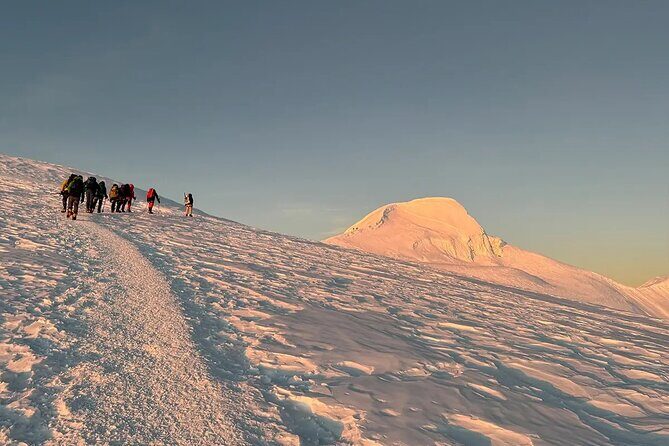
Mera Peak, at 6,476 meters, is the first big challenge. It’s considered one of the more accessible 6,000-meter peaks, making it a popular choice for climbers new to high-altitude mountaineering. The journey from Khare to the high camp involves crossing glaciers and steep ridges. Here, your guide conducts a thorough pre-climb briefing, emphasizing safety and technique.
Highlights include: the adrenaline rush of the summit push at dawn, witnessing sunrise from the peak, and the panoramic views of Everest, Lhotse, and Makalu. Reviewers mention that the climb is demanding but manageable for those with prior trekking experience, citing the importance of proper fitness and mental preparedness.
Crossing the Amphu Labtsa and Chukhung Valley
The adventure continues with crossing the Amphu Lapcha pass. It’s a physically demanding day, but the scenery—glacial valleys and towering peaks—is worth every effort. The route then takes you through charming villages like Chukhung and Tengboche, where the famed monastery offers a peaceful respite and cultural insight.
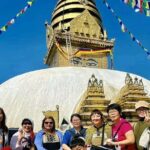
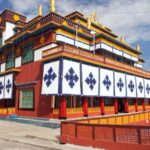
Tengboche Monastery is a highlight, often praised for its stunning setting and spiritual atmosphere. Reviewers note that visitors often linger here, enjoying the chance to absorb local traditions amid spectacular mountain vistas.
Island Peak: The Iconic Climb
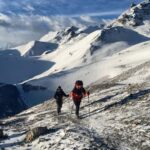
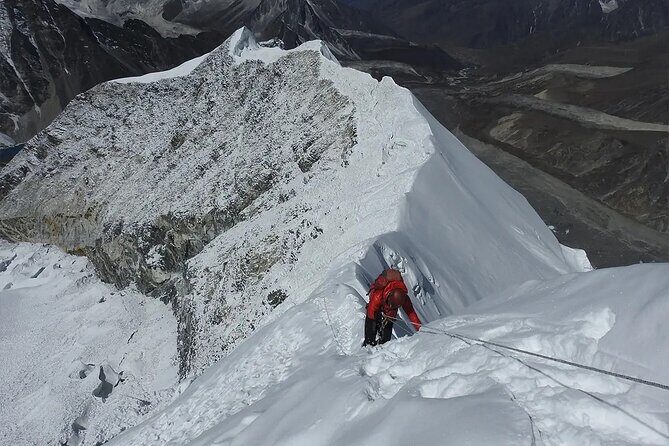
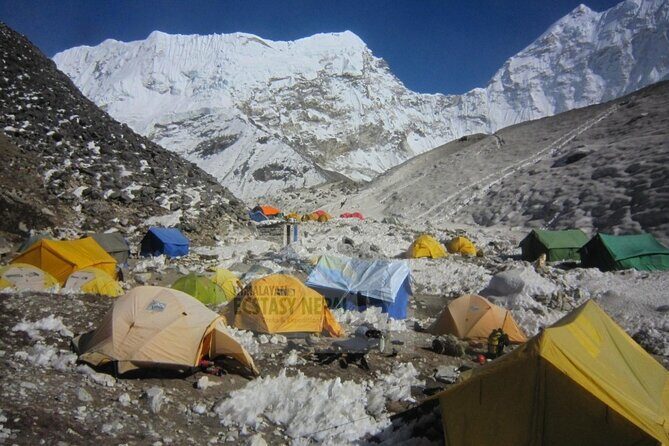
Next up is the ascent of Island Peak (6,189 meters), one of Nepal’s most popular mountaineering goals. The trek from Chhukung to Island Peak Base Camp is marked by sweeping views of the Imja Valley. Summit day begins pre-dawn, with your team tackling a steep snow gully followed by a final ridge scramble.
One reviewer shared that “the climb is tough but not overwhelming,” emphasizing the importance of acclimatization and proper pacing. Post-summit, the descent is quick, and you get to enjoy a well-earned rest in Dingboche, renowned for its friendly community and stunning scenery.
Lobuche East: The Final Challenge
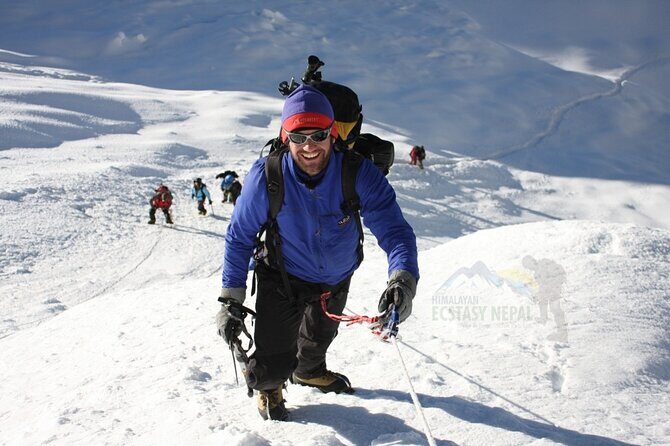
Lobuche East (6,119 meters) is the last of the three peaks, requiring a high level of technical skill. From Lobuche High Camp, you’ll face a strenuous night climb, navigating ice and rock with the help of fixed ropes. The summit offers sweeping views of Everest and Nuptse, a fitting finale to your mountaineering journey.
A reviewer mentioned that the ascent demands “sheer resolve and technical know-how,” but praised the guides for providing excellent support and safety measures. The descent can be arduous, but the sense of achievement makes it worthwhile.
Returning via Everest Base Camp Route
After Lobuche East, the trek winds back through villages like Pangboche and Namche Bazaar, where you can enjoy the last glimpses of mountain life and local hospitality. The final day involves descending into Lukla, the famous gateway to Everest, where you’ll fly back to Kathmandu.
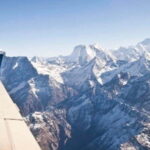
The Lukla flight is often cited as a highlight, with some reviewers mentioning it as “the most breathtaking flight of my life,” flying close to towering peaks and glaciers.
What Makes This Tour Stand Out
Value for money is one of the tour’s strongest points. For $6,245, it covers all major logistics: flights, permits, accommodations, meals, guiding, and gear. The all-inclusive setup reduces stress and unexpected expenses, allowing you to focus on the climb.
Flexibility and safety are also prioritized. Buffer days are built into the schedule to handle weather delays, and the guides are highly experienced — trained to help you understand your limits and respond to emergencies. The inclusion of a satellite phone and comprehensive medical kit further underscores this focus.
Cultural immersion enriches the experience. Passing through Sherpa villages, visiting monasteries, and experiencing local hospitality add layers of authenticity and connection to the environment.
The technical training provided before each peak ensures that even climbers new to high-altitude mountaineering can learn the necessary skills to succeed. This makes the tour ideal for those ready to take a serious step up in their mountaineering journey.
Who Would Love This Tour?
This experience is perfect for adventurous travelers with some trekking background who want to expand into mountaineering but aren’t yet ready for the world’s most technical climbs. If you’re comfortable with high passes, have good physical fitness, and want to learn new skills, you’ll find this challenging yet achievable.
It also appeals to those who are interested in experiencing the Himalayas beyond just sightseeing — who crave a real sense of achievement and a deep connection with local culture and natural landscapes.
Final Thoughts on Value and Experience
This trip offers an excellent balance of adventure, learning, and cultural insight. The inclusion of three peaks means you get a comprehensive mountaineering experience, while the logistical support makes it accessible and manageable.
The spectacular mountain views, combined with the chance to visit monasteries and Sherpa villages, make it more than just a climb — it’s a well-rounded Himalayan experience. The guides’ professionalism and safety focus give peace of mind, especially for those stepping into the high mountains for the first time.
While the price may seem high, the value is clear once you consider the logistics, permits, gear, and expert guiding included in the package. For those ready to push their limits and learn about mountain climbing, this challenge offers a rewarding and authentic Himalayan adventure.
FAQs
Do I need previous mountaineering experience?
You should have prior experience with high pass trekking or have summited at least one 6,000-meter peak. This ensures you’re physically prepared and familiar with mountain conditions.
Is this tour suitable for beginners?
It’s designed for those with some trekking background and high-altitude experience. It’s not a beginner’s trek, but it’s accessible for those ready to learn mountaineering skills.
What’s included in the price?
The price covers flights, permits, accommodations, meals, all guiding and safety gear, climbing permits, and some equipment. It also includes internal transportation and airport pickup.
Are meals provided during the trek?
Yes, breakfast, lunch, and dinner are included throughout the trek, with local lodge/tea house accommodations.
What kind of gear do I need to bring?
While many equipment items are provided, you should bring personal trekking gear, clothing suitable for high altitudes, and any personal essentials. The tour provides safety gear like crampons, harnesses, and helmets.
How difficult is the summit day?
Summit days are early and physically demanding, involving snow and ice navigation. Proper acclimatization and guidance are critical for success and safety.
Are there buffer days?
Yes, the itinerary includes buffer days to accommodate weather delays or acclimatization needs, reducing the risk of altitude sickness.
What is the group size?
While not explicitly stated, the tour accommodates groups of up to 18 people, with guides, assistant guides, and porters.
Will I get to see local culture?
Absolutely. Passing through Sherpa villages, monasteries, and local markets adds cultural richness to the mountain adventure.
What’s the best time to do this challenge?
Ideal months are March, April, October, and November, when weather conditions are most stable and visibility is excellent.
Final Words
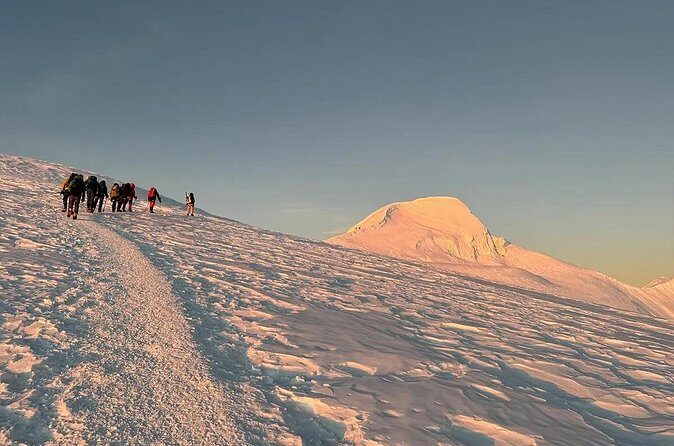
The Everest 3 Peak Challenge offers a well-rounded, accessible mountaineering adventure that combines stunning scenery, technical learning, and cultural discovery. It’s a smart choice for those with some trekking experience who want to step into the world of high-altitude climbing without jumping straight into Everest itself.
You’ll leave with more than just a summit — you’ll gain skills, confidence, and unforgettable memories of Nepal’s majestic Himalayas. If you’re ready for a meaningful challenge that pushes your limits and immerses you in authentic mountain life, this tour could be just what you’re looking for.