As visitors traverse the East Bank of Luxor, they can’t help but feel a sense of awe at the sheer magnitude of history that surrounds them. Karnak and Luxor Temples, monumental structures that have withstood the test of time, hold within their walls stories of ancient rituals, beliefs, and power.
But what mysteries lie behind the intricate carvings and towering pillars of these temples? What secrets do they reveal about the lives of those who built them? The journey to uncover these enigmas promises a profound insight into the fascinating world of ancient Egypt.
- Good To Know
- History of Luxor Temples
- Significance of Karnak Temple
- Architectural Wonders of East Bank
- Must-See Attractions in Luxor
- Cultural Insights and Traditions
- Tips for Visiting Temples
- How to Maximize Your Experience
- Common Questions
- Can I Visit Luxor Temples at Night?
- Are There Any Special Events or Festivals Held at Karnak Temple?
- Is There a Dress Code for Visiting the Temples?
- Are There Any Restrictions on Photography at the East Bank Temples?
- Are There Guided Tours Available for Visitors Who Want a More In-Depth Experience at Luxor Temples?
- The Sum Up
- The Best Of Luxor!
- More Tour Reviews in Luxor
- Not for you? Here's more nearby things to do in Luxor we have reviewed
Good To Know
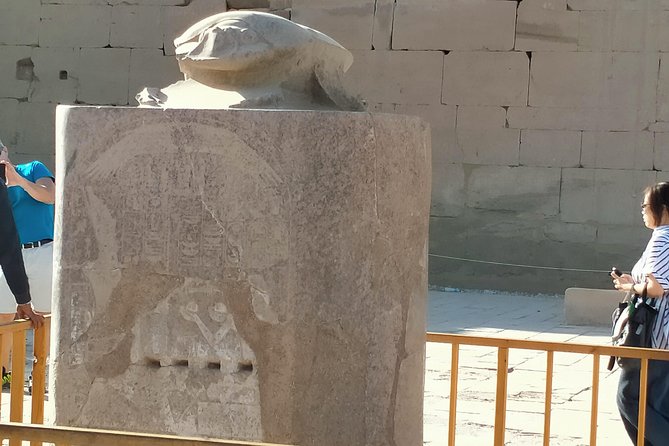
- Luxor Temples and Karnak Temple showcase historical and architectural significance in ancient Thebes.
- Immerse in Egyptian culture through traditional ceremonies, festivals, and local interactions in Luxor.
- Explore must-see attractions like Luxor Temple and Karnak Temple to explore ancient rituals.
- Adhere to travel etiquette, respect the sanctity of the temples, and capture the essence of Luxor’s cultural identity respectfully.

👉 See our pick of the 18 Best Shopping Tours In Luxor
History of Luxor Temples
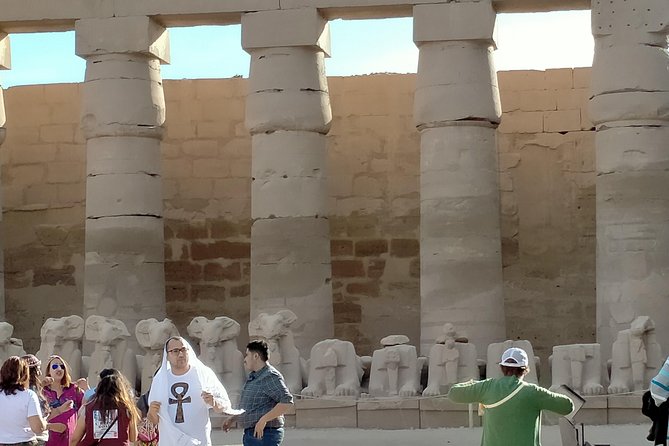
The history of Luxor Temples dates back thousands of years, showcasing a rich tapestry of ancient Egyptian civilization and architectural prowess. Luxor Temples, located on the east bank of the Nile River, are an integral part of the ancient city of Thebes. These temples served as religious sanctuaries dedicated to the gods Amun, Mut, and Khonsu.
The Luxor Temples are intricately connected to the Karnak Temple Complex, with both sites sharing a significant historical and religious importance. Karnak, the largest temple complex in Egypt, was dedicated to the worship of Amun, the king of the gods. Together, Luxor Temples and Karnak form a remarkable historical and architectural legacy that continues to captivate visitors from around the world.
You can also read our reviews of more tours and experiences in Luxor.

Significance of Karnak Temple
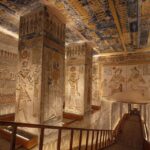
Nestled along the east bank of the Nile River, Karnak Temple stands as a monumental testament to ancient Egyptian religious devotion and architectural grandeur. This iconic temple complex played a vital role in religious practices and ceremonies, serving as a hub for various ancient rituals. The significance of Karnak Temple lies not only in its sheer size and impressive structures but also in its historical importance as a center for worship and spiritual connection. To provide a deeper understanding, consider the following table:
| Aspect | Importance |
|---|---|
| Religious Center | Hub for ancient rituals |
| Architectural | Symbol of grandeur |
| Historical | Significance in worship |
| Spiritual | Connection to the divine |
Exploring Karnak Temple offers a glimpse into the rich tapestry of ancient Egyptian culture and beliefs.
Architectural Wonders of East Bank
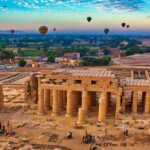
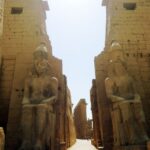
Architectural marvels dotting the East Bank of the Nile River showcase a remarkable fusion of ancient craftsmanship and artistic ingenuity. Luxor’s East Bank is home to stunning structures like the Luxor Temple, a grand monument built around 1400 BC, featuring colossal statues, intricate hieroglyphics, and majestic obelisks.
The Karnak Temple Complex, another highlight, impresses with its vast halls, towering columns, and sacred lakes. These architectural marvels not only reflect the mastery of ancient Egyptian builders but also reveal influences from various periods, including Greek and Roman additions.
The integration of modern influences, such as ongoing restoration and preservation efforts, ensures that these wonders continue to captivate visitors with their timeless beauty and historical significance.
Must-See Attractions in Luxor
Among the architectural wonders of Luxor’s East Bank lies a treasure trove of must-see attractions that promise to awe and inspire visitors with their historical richness and cultural significance. Visitors to Luxor can indulge in a truly immersive experience through:
Visitor Experience: Exploring the grandeur of Luxor Temple and witnessing the Avenue of Sphinxes.
Local Cuisine: Sampling authentic Egyptian dishes at traditional restaurants, offering a taste of the region’s flavorful culinary heritage.
Shopping Opportunities: Roaming through the vibrant markets near Luxor Temple to find unique souvenirs and locally crafted goods.
These attractions not only showcase the city’s history but also provide opportunities for a deep dive into its present-day culture.
Cultural Insights and Traditions
Enjoy the rich tapestry of Luxor’s cultural insights and traditions, uncovering the deep-rooted customs that have shaped this historic city. Luxor is a place where cultural practices and local customs intertwine seamlessly with daily life.
Visitors can witness traditional ceremonies, such as the mesmerizing sound and light shows that bring the ancient temples to life after dark. The locals take great pride in preserving their heritage, evident in the colorful festivals celebrating historical events and deities.
Exploring Luxor’s markets offers a glimpse into the culinary delights and artisan crafts that have been passed down through generations. Engaging with the community provides a unique opportunity to appreciate the essence of Luxor’s cultural identity and the warmth of its people.

Tips for Visiting Temples
To fully appreciate the temples in Luxor, visitors should familiarize themselves with essential tips to enhance their experience and navigate the historical sites with ease.
When visiting these ancient marvels, it’s important to respect the visiting etiquette to preserve the sanctity of the temples and show consideration for other visitors. Plus, capturing the beauty of the temples is a common desire, so here are some photography tips to help you take stunning shots while being respectful of the surroundings.
Remember not to touch any artifacts or walls, as the oils from your hands can cause damage. Be mindful of where you stand to avoid obstructing the view of others. Lastly, try visiting early in the morning or late in the afternoon for the best lighting conditions.
- Respect visiting etiquette
- Follow photography tips
- Avoid touching artifacts
How to Maximize Your Experience
To make the most of your visit to East Bank Luxor Karnak and Luxor Temples, consider planning your exploration during quieter times to fully absorb the historical significance and grandeur of these ancient Egyptian landmarks. By visiting early in the morning or later in the afternoon, you can avoid the crowds and have a more intimate experience with the temples.
Remember to dress modestly out of respect for the sacred sites, and be mindful of any guidelines provided by the local authorities. To enhance your understanding, consider hiring a knowledgeable guide who can provide insights into the history and architecture of the temples.
Don’t forget to bring water, sunscreen, and comfortable shoes for your exploration. Following these exploration tips and tourist etiquette will ensure a memorable and enriching visit to East Bank Luxor Karnak and Luxor Temples.
Common Questions
Can I Visit Luxor Temples at Night?
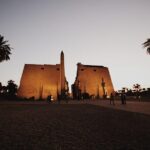
Yes, visitors can experience the beauty of Luxor temples at night through night tours. The illumination enhances the temples’ grandeur, offering a unique and captivating experience. Enjoy the enchanting atmosphere and history under the moonlight.
Are There Any Special Events or Festivals Held at Karnak Temple?
Special events and festivals at Karnak Temple include temple ceremonies and cultural celebrations. These vibrant occasions showcase the rich history and traditions of the temple, offering visitors a unique and immersive experience.
Is There a Dress Code for Visiting the Temples?
When visiting historical sites, it’s important to dress modestly out of respect for the culture. Visitors should adhere to clothing guidelines to show cultural respect and follow proper temple etiquette. Maintaining appropriate attire enhances the experience for everyone.
Are There Any Restrictions on Photography at the East Bank Temples?
Photography rules at the temples are essential to respect their cultural significance. Visitors should adhere to restrictions in place to preserve the historical sites. Capturing moments respectfully allows everyone to enjoy the beauty of these ancient landmarks.
Are There Guided Tours Available for Visitors Who Want a More In-Depth Experience at Luxor Temples?
Private tours offer visitors seeking a more in-depth experience at Luxor temples opportunities for historical insights and culture. Educational experiences are enriched through guided tours, providing a personalized and informative journey through these ancient sites.
The Sum Up
Set out on a journey through time at the East Bank of Luxor, where the Karnak and Luxor Temples stand as magnificent reminders of Egypt’s ancient glory. Marvel at the intricate carvings, colossal columns, and rich cultural heritage that await you at these historical wonders.
With their impressive architecture and deep significance, a visit to these temples promises an unforgettable experience for travelers seeking to explore the mysteries of Egypt’s past.