- Exploring Austin’s Black Heritage on a Guided Downtown Walk
- Good To Know
- An Authentic Dive into Austin’s Black History
- Why the Price Tag Offers Good Value
- What to Expect at Each Stop
- What Reviewers Have Praised
- Practical Tips for Visitors
- Why This Tour Is Worth Your Time
- Who Should Consider This Tour?
- Frequently Asked Questions
- The Best Of Austin!
- More Historical Tours in Austin
- More Walking Tours in Austin
- More Tour Reviews in Austin
- Not for you? Here's more nearby things to do in Austin we have reviewed
Exploring Austin’s Black Heritage on a Guided Downtown Walk

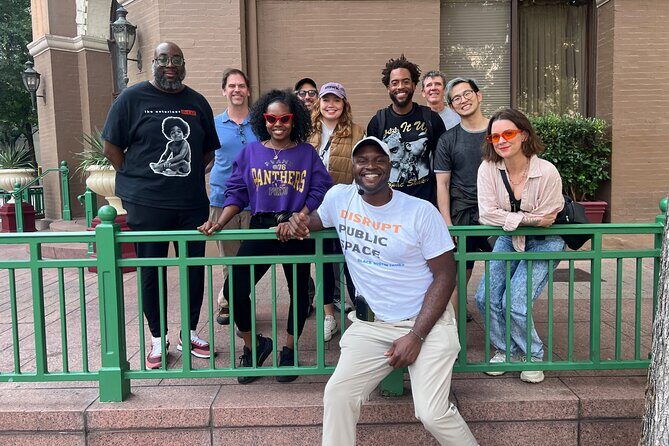
If you’re planning a trip to Austin and want to gain a deeper understanding of its overlooked Black history, the Downtown Black History Walk might just be the perfect addition to your itinerary. This two-hour tour offers a compelling look into the African American influence on the city’s growth, culture, and civil rights activism. It’s a walking experience that combines historical sites, storytelling, and community insights—all for $55 per person.
What makes this tour stand out? First, it’s designed to be accessible and intimate, usually limited to 30 participants, allowing for meaningful dialogue and personalized attention. Second, the itinerary covers iconic landmarks like the Texas Capitol grounds and Wooldridge Square, along with pivotal moments such as the civil rights protests. Third, the tour offers a chance to explore the city’s lesser-known stories—like the displacement of Black residents to East Austin or the history behind the Texas African American Memorial.
That said, it’s worth noting that walking for around two hours with some standing and listening involved might not suit everyone, especially those with mobility concerns. Also, since it’s an outdoor experience, good weather is key for the best experience.
This tour appeals most to history buffs, culture lovers, and anyone interested in understanding Austin beyond its famous music scene.

👉 See our pick of the 4 Best Shopping Tours In Austin
Good To Know
- In-depth historical insight into African American contributions to Austin’s development.
- Visit iconic sites like the Texas African American History Memorial and Wooldridge Square.
- Learn about civil rights movements, including the Sweatt v. Painter case and desegregation efforts.
- Authentic storytelling from guides who share both facts and personal stories.
- Accessible and social experience ideal for those interested in local culture and history.
- Value for money with free site admissions included in the price.
You can also read our reviews of more walking tours in Austin



An Authentic Dive into Austin’s Black History

This tour is a well-rounded introduction to a side of Austin often overlooked in mainstream narratives. For travelers craving more than just the usual sights, it’s an opportunity to see the city through a different lens—one that highlights resilience, contributions, and ongoing struggles of Black communities in Austin.
Why the $55 Price Tag Offers Good Value
While $55 might seem like a modest expense, consider what you’re getting: a guided walk through history, access to significant landmarks, and the chance to engage in meaningful dialogue. All site visits are free to enter, and the tour itself includes expert guides who bring stories to life with context and passion. Plus, it’s a two-hour experience that packs a lot of insight into a compact timeframe.
What to Expect at Each Stop
Texas African American History Memorial
Your journey begins at this impressive memorial on the Texas Capitol Grounds. Here, you’ll learn about African and African American history stretching from colonial times to today. The guide might highlight how the construction of the Capitol involved Black labor, often under forced circumstances, including convict leasing. This spot sets the tone, revealing how systemic exploitation and resilience are woven into the fabric of Texas history.
Texas Governor’s Mansion
Next, you’ll visit the Governor’s Mansion, a site that allows discussion of the brutal history of slavery in Travis County. The tour emphasizes the humanity of those enslaved and highlights influential figures who shaped Austin’s Black community through the centuries.
Wooldridge Square
This historic square is a focal point for Black community life in Austin’s early days. It’s where Black churches, schools, and social institutions first established roots post-enslavement. The guide might share stories like Booker T. Washington’s 1911 speech here, illustrating the ongoing fight for education and equality.
Heman Marion Sweatt Travis County Court House
This site connects Austin to a pivotal civil rights milestone. The Sweatt v. Painter case challenged segregation at the University of Texas, with Thurgood Marshall arguing the case in Austin. The tour explains the importance of this legal battle in the broader civil rights movement and how local actions contributed to national change.
Paramount Theatre
The historic Paramount Theatre on Congress Avenue played a role in desegregation efforts, hosting protests and demonstrations. You might hear about the swim-ins at Barton Springs or protests against segregation on public transportation, illustrating Austin’s evolving social landscape.
East Sixth Street
Ending on Austin’s vibrant Sixth Street, the tour reveals its origins as a hub for Black businesses. The creation of the Negro District in 1928 led to the displacement of Black residents from downtown, pushing them eastward. It’s a reminder of how racial segregation shaped urban development and community life.
What Reviewers Have Praised
One reviewer described the tour as “a significant Sunday stroll downtown,” emphasizing how it offers a blend of history and local culture. They appreciated the storytelling, particularly stories that “resonated” beyond the facts. Others have noted how guides create a respectful, engaging environment that makes the complex history approachable without oversimplifying.
You can also read our reviews of more historical tours in Austin






Practical Tips for Visitors
- Reserve in advance—booking about three weeks ahead is typical, ensuring you get a spot.
- The tour is mobile-ticketed, so you can easily access it via your phone.
- Wear comfortable walking shoes—many of the stops involve a short walk or standing.
- Bring water, especially during hot Texas days; bottled water isn’t included.
- The tour is suitable for most travelers, including service animals, but those with mobility issues should consider the walking distance.
Why This Tour Is Worth Your Time

This walking experience offers a genuine, thoughtful look into Austin’s Black history—something you won’t easily find in typical city tours. It’s a chance to see the city’s landmarks through a lens of resilience, activism, and community-building. If you’re passionate about understanding local cultures or civil rights history, this tour provides a compelling, accessible way to connect with Austin’s past.
The stories shared are authentic and meaningful, often packed with details that bring history to life. The guide’s ability to connect the dots between past and present makes each stop more than just a landmark—it’s a lesson in the ongoing struggle for equality and acknowledgment.
The tour’s value extends beyond the sights. It challenges perceptions and invites conversation, making it ideal for travelers eager for more than surface-level sightseeing. Plus, for just $55, it’s a meaningful investment in understanding a significant, often underrepresented piece of Austin’s story.
Who Should Consider This Tour?
This experience is perfect for history enthusiasts, civil rights advocates, or anyone curious about the true story of Austin. It’s especially suited for travelers who prefer walking tours that blend education with storytelling, offering a respectful space for reflection. If you’re traveling with a group that appreciates authentic, community-based experiences, this walk will resonate deeply.
It’s also an excellent choice for those who enjoy exploring urban history through landmarks and personal stories rather than museums alone. The tour’s engaging narrative and diverse stops make it a memorable way to spend a couple of hours in downtown Austin.
Frequently Asked Questions
Is the tour suitable for all ages?
Yes, most travelers can participate, but keep in mind it involves walking and standing for about two hours. It’s best suited for school-age children and older, but always assess individual mobility needs.
Do I need to book in advance?
Yes, booking around 21 days ahead is common, and it’s recommended to secure your spot early since the tour is popular and limited to 30 guests.
How long does the tour last?
The tour takes approximately 2 hours, including stops at six key sites around downtown Austin.
Are the sites included in the price?
All fees and taxes are included in the $55 ticket price; admission to the sites visited is free.
What should I bring?
Bring water, comfortable walking shoes, and perhaps a hat or sunscreen for sunny days. The tour is mobile-ticketed, so no paper ticket is necessary.
Is there a tour guide?
Yes, knowledgeable guides lead the walk, sharing stories and context that bring the sites to life. Reviews mention guides who make history engaging and personal.
Wrap up your trip to Austin with this meaningful walk through Black history, and you’ll leave with a richer understanding of the city’s diverse roots. It’s a well-curated, respectful experience that invites conversation, reflection, and appreciation for the resilience of Austin’s Black communities.