Step into the world of Pachinko, Japan’s traditional game, and unlock its hidden secrets.
Like a fascinating labyrinth of intrigue and excitement, Pachinko has captured the imagination of locals and visitors alike.
Dating back to the early 1900s, this captivating pastime has evolved into a cultural phenomenon, weaving its way into the fabric of Japanese society.
In this article, we will explore the rich history and intricacies of Pachinko, revealing the strategies and techniques used by seasoned players.
With a deeper understanding of this beloved game, readers will gain valuable insights to enhance their own gameplay experience.
Whether you’re a curious traveler or a passionate enthusiast, join us on a journey to uncover the allure of Pachinko, a timeless Japanese tradition.
- Good To Know
- The History of Pachinko
- How to Play Pachinko
- Pachinko Parlors: A Cultural Phenomenon
- The Mechanics Behind Pachinko Machines
- Pachinko Strategies and Tips
- Pachinko Collectibles and Memorabilia
- Pachinko’s Influence on Japanese Society
- Pachinko’s Modern Adaptations and Innovations
- Common Questions
- Is Pachinko Legal in Japan?
- How Much Money Do People Usually Spend When Playing Pachinko?
- Are Children Allowed to Play Pachinko?
- Are There Any Specific Rules or Etiquette That Players Need to Follow in Pachinko Parlors?
- Can You Win Real Money When Playing Pachinko?
- The Sum Up
- The Best Of Tokyo!
- More Tour Reviews in Tokyo
- Not for you? Here's more nearby things to do in Tokyo we have reviewed
Good To Know
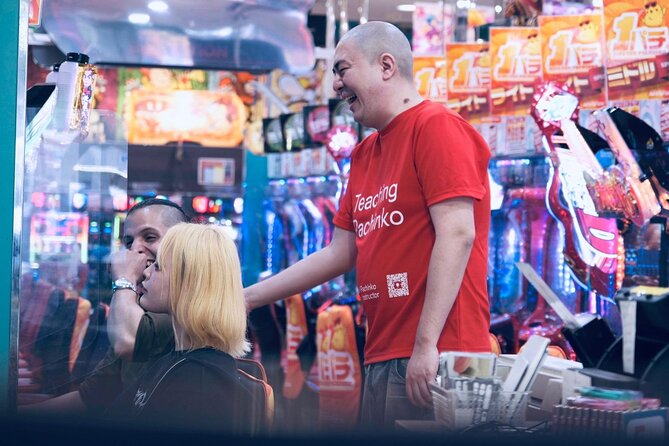
- Pachinko originated in Japan in the early 1920s and evolved into a unique form of entertainment.
- Pachinko parlors have a significant economic impact, generating billions of dollars in revenue and contributing to the Japanese economy.
- Pachinko machines combine elements of pinball and slot machines, and understanding their mechanics helps appreciate the game and its economic significance.
- Pachinko has become an iconic symbol of Japanese popular culture, inspiring artistic expressions and representing a form of escapism for many players.

👉 See our pick of the 25 Best Guided Tours In Tokyo
The History of Pachinko
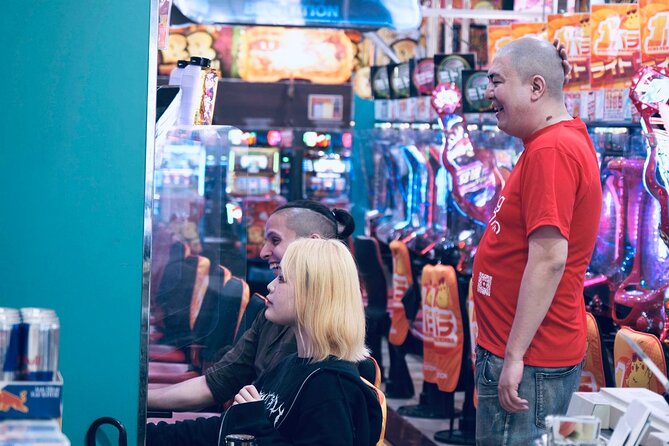
The history of Pachinko can be traced back to the early 1920s in Japan, during a time of rapid industrialization and modernization.
Originally, Pachinko was a mechanical game inspired by the American game of pinball. However, it quickly evolved into a unique form of entertainment that would have a significant impact on the Japanese economy.
Pachinko parlors became popular gathering places for people of all ages, and the game itself became a cultural phenomenon. The design of Pachinko machines also underwent a remarkable evolution. From simple wooden contraptions to intricate electronic devices, the machines became more sophisticated over time, incorporating lights, music, and various features to enhance the gameplay experience.
These advancements not only attracted more players but also fueled the growth of the Pachinko industry, contributing significantly to the Japanese economy.
You can also read our reviews of more tours and experiences in Tokyo.


How to Play Pachinko

To play Pachinko, players insert metal balls into a vertical pinball machine and aim to land the balls in certain pockets to win prizes. Here are some key points to keep in mind when playing Pachinko:
Benefits of Playing Pachinko:
Entertainment: Pachinko offers hours of fun and excitement for players of all ages.
Socializing: Pachinko parlors are a popular gathering place for friends and family to enjoy the game together.
Chance to Win: Pachinko provides the opportunity to win various prizes, from small trinkets to valuable items.
Pachinko Etiquette and Customs:
Respect Others: Be mindful of other players and avoid excessive noise or disruptive behavior.
Follow the Rules: Familiarize yourself with the specific rules and regulations of the Pachinko parlor you’re playing at.
Cash Out Properly: When you’re finished playing, make sure to cash out your winnings accurately and efficiently.
Pachinko Parlors: A Cultural Phenomenon
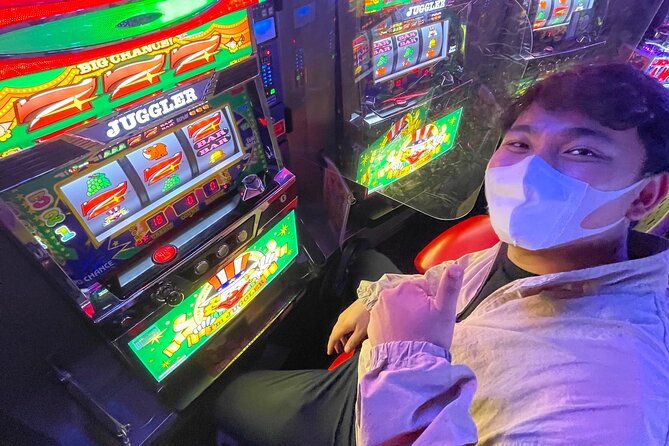
As players enjoy the world of Pachinko, they’ll soon discover that Pachinko parlors aren’t just places to play the game, but rather a cultural phenomenon that has captivated the hearts of many in Japan. These parlors have a significant economic impact on the country, generating billions of dollars in revenue each year.
Pachinko’s popularity extends beyond Japan, with many parlors opening in other countries such as the United States and South Korea. The unique combination of skill, luck, and excitement that Pachinko offers has attracted a global following. Visitors to these parlors can experience the vibrant atmosphere, the clattering of metal balls, and the anticipation of winning.
Pachinko parlors have become an integral part of Japanese culture, providing both entertainment and a glimpse into the country’s rich history and traditions.
The Mechanics Behind Pachinko Machines
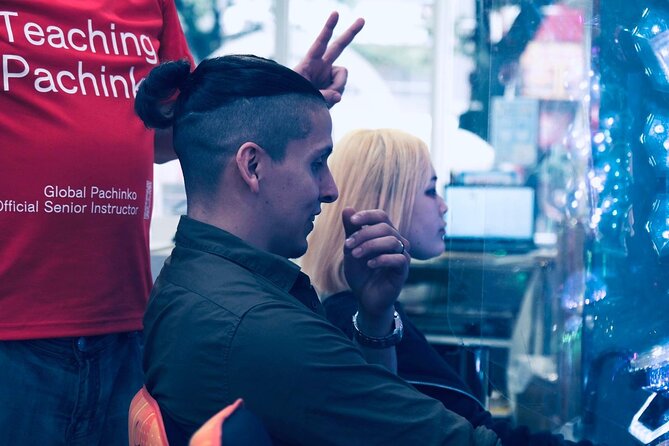
When exploring the secrets of Pachinko, one can explore the mechanics behind the game by understanding how the intricate design and functionality of the machines contribute to its enthralling gameplay.
Pachinko machine technology: Pachinko machines are a marvel of engineering, combining elements of pinball and slot machines. They feature a vertical playing field filled with hundreds of small metal balls that players aim to capture and guide into winning pockets. The machines are equipped with flashing lights, sound effects, and intricate mechanisms that create an immersive gaming experience.
Pachinko’s economic impact: Pachinko isn’t just a game, but a billion-dollar industry in Japan. It generates significant revenue and provides employment for many people. Pachinko parlors are a common sight in cities across the country, attracting both locals and travelers. The game’s popularity has led to the development of a thriving secondary market for pachinko machines, parts, and collectibles.
Understanding the mechanics behind Pachinko machines helps to appreciate the skill and precision required to play the game, as well as the economic significance it holds in Japanese society.
Pachinko Strategies and Tips
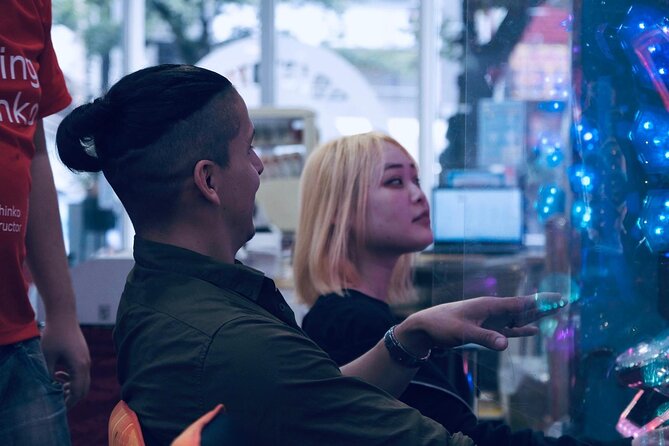
Players employ various strategies and techniques to maximize their chances of winning while playing Pachinko. One winning strategy is to carefully choose the machine to play. Some players prefer machines that have been recently loaded with balls, as they believe these machines are more likely to pay out. Others look for machines that are located near the entrance or exit, as they believe these machines have higher chances of winning.
Plus, players should always be aware of the pachinko etiquette and customs. It’s important to be respectful to other players and not disturb them while playing. It’s also customary to clean up after oneself and return the balls to the tray after finishing a game.
Following these strategies and observing the pachinko etiquette can enhance a player’s experience and increase their chances of winning.






Pachinko Collectibles and Memorabilia
A variety of collectibles and memorabilia related to Pachinko can be found, ranging from vintage machines to specialized merchandise. Pachinko enthusiasts and collectors can indulge in their passion by acquiring unique items that celebrate the rich history and culture of this traditional Japanese game.
Some popular Pachinko collectibles include:
Vintage Pachinko Machines: These machines from different eras showcase the evolution of Pachinko and are highly sought after by collectors.
Limited Edition Pachinko Balls: These colorful balls, used in gameplay, are often released in limited quantities and feature unique designs, making them prized collectibles.
Pachinko Merchandise: From keychains and t-shirts to posters and artwork, there’s a wide range of merchandise available for fans to showcase their love for Pachinko.
Whether you’re a seasoned collector or a newcomer to the world of Pachinko, exploring and acquiring these collectibles can be a rewarding experience, allowing you to connect with the history and excitement of this beloved game.
Pachinko’s Influence on Japanese Society
Pachinko has deeply ingrained itself into the fabric of Japanese society, exerting a profound influence on various aspects of daily life. One of the notable impacts is its economic significance.
Pachinko parlors contribute significantly to Japan’s economy, generating billions of dollars in revenue annually. The industry provides employment for thousands of people and contributes to local businesses through its supply chain.
However, alongside its economic impact, pachinko also plays a role in gambling addiction. The addictive nature of pachinko, with its bright lights, loud noises, and potential for big wins, can lead to compulsive gambling behaviors.
This has prompted the government to implement various measures to address gambling addiction, such as setting limits on the number of pachinko parlors and introducing regulations to promote responsible gambling.
Despite these concerns, pachinko remains deeply intertwined with Japanese society, shaping both its economy and the lives of its citizens.
Pachinko’s Modern Adaptations and Innovations
One notable aspect of Pachinko’s modern adaptations and innovations is the introduction of advanced digital technologies. These technological advancements have revolutionized the game, providing players with a more immersive and interactive experience.
- Advanced LED displays: Pachinko machines now feature vibrant and dynamic LED displays, enhancing the visual appeal of the game and captivating players.
- Digital sound effects: The introduction of digital sound effects has elevated the audio experience, creating a more engaging atmosphere for players.
- Cashless systems: Many Pachinko parlors have adopted cashless payment systems, allowing players to easily purchase and exchange tokens without the need for physical currency.
Pachinko’s modern adaptations and innovations haven’t only enhanced the gameplay experience but also had a significant impact on the economy. The industry generates billions of dollars in revenue each year, contributing to the growth of the Japanese economy. Plus, Pachinko’s role in gambling culture remains prominent, attracting a wide range of players who enjoy the thrill and excitement of the game.
Common Questions
Is Pachinko Legal in Japan?
Pachinko is legal in Japan. It has evolved from a simple game to a cultural phenomenon. The history of Pachinko dates back to the early 20th century, and it continues to be a popular pastime in Japan today.
How Much Money Do People Usually Spend When Playing Pachinko?
On average, people spend a significant amount of money when playing pachinko, which has a substantial impact on Japan’s economy. The game’s popularity and widespread participation contribute to its financial significance.
Are Children Allowed to Play Pachinko?
Children are not allowed to play pachinko due to age restrictions on gambling activities. The impact of pachinko on child development is a topic of debate, with concerns about addiction and potential negative effects on social and academic development.
Are There Any Specific Rules or Etiquette That Players Need to Follow in Pachinko Parlors?
In Pachinko parlors, players are expected to follow specific rules and etiquette. They should not use their phones, smoke, or eat while playing. When it comes to winnings and losses, players can exchange their balls for prizes or cash out their winnings.
Can You Win Real Money When Playing Pachinko?
Playing pachinko for real money has its pros and cons. While it offers the chance to win big, it also carries the risk of losing money. Common strategies to increase your chances of winning include studying the machine’s patterns and setting a budget.
The Sum Up
To sum it up, Pachinko is much more than just a game. It’s a cultural phenomenon that has captured the hearts of people all over Japan.
With its rich history, intricate gameplay, and strategic techniques, Pachinko offers a unique and thrilling experience for both locals and travelers.
Whether you’re a seasoned player or just starting out, exploring the secrets and allure of Pachinko is sure to enhance your appreciation for this beloved Japanese tradition.
So, dive into the world of Pachinko and let the excitement begin!