Taking a walk through Shibuya is like flipping through a living scrapbook of Japan’s modern energy and traditional charm. While many travelers know the famous Scramble Crossing and the Hachikō Statue, this tour dives deeper, revealing the lesser-known stories, hidden alleys, and local flavors that make Shibuya so compelling. Whether you’re visiting solo, as a couple, or with family, this experience aims to give you a genuine taste of Tokyo’s most dynamic district—all in just about two hours.
What really makes this tour stand out? First, you get to see the iconic landmarks through a local lens, enriching your understanding of their significance. Second, the guide is described as friendly and knowledgeable, making the walk both informative and fun. Third, the tour balances sightseeing with cultural insights—covering everything from street art and youth fashion to traditional shrines and quirky capsule toy stores. The only caveat? Since it’s a short tour, those wanting in-depth exploration might want to add extra time or visit some spots at their own pace afterward.
This tour is perfect for travelers who want a compact, authentic glimpse of Shibuya’s lively scene without the hassle of navigating on their own. It’s especially suited for those who appreciate local stories, photo opportunities at trendy spots, and a well-rounded mix of Tokyo’s modern and traditional sides.
- Good To Know
- Exploring the Heart of Shibuya: An In-Depth Review
- Starting Point: Shibu Hachi Box and What to Expect
- The Hachikō Statue: Loyalty That Tugs at the Heartstrings
- The Shibuya Scramble Crossing: The World’s Busiest Pedestrian Intersection
- Shibuya 109: Fashion, Youth, and Kawaii Culture
- Shibuya Center-gai: The Pulse of Youth Culture
- Capsule Toy (Gachapon) Experience at C-Pla Shibuya
- Miyashita Park: A Modern Urban Oasis
- Nonbei Yokocho: Post-War Nostalgia
- Shibuya’s Nightlife: The Hidden Side
- The Peaceful Chiyoda Inari Shrine
- Murals and Art: The Myth of Tomorrow
- The Pepper Parlor: Japan’s Robotics Obsession
- Practical Tips and Final Thoughts
- The Sum Up
- FAQ
- The Best Of Tokyo!
- More Guided Tours in Tokyo
- More Tour Reviews in Tokyo
- Not for you? Here's more nearby things to do in Tokyo we have reviewed
Good To Know


- Authentic Local Perspective: Experience Shibuya with a guide who knows the area’s hidden gems and popular icons.
- Balanced Itinerary: From famous landmarks to tucked-away alleyways, street art, and cultural sites.
- Value for Money: At only $40 per person, it offers a quick but comprehensive introduction to the district.
- Photograph-Ready Stops: Plenty of Instagram-worthy moments along the way.
- Inclusive and Friendly: Ideal for solo travelers, couples, and families—conducted in English.
- Cultural and Modern Mix: Learn about Japan’s youth fashion scene, traditional shrines, and pop culture.

👉 See our pick of the 25 Best Guided Tours In Tokyo
Exploring the Heart of Shibuya: An In-Depth Review
You can also read our reviews of more guided tours in Tokyo


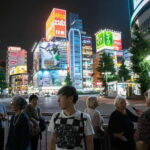
Starting Point: Shibu Hachi Box and What to Expect
The tour kicks off at Shibu Hachi Box in Denzaka, a lively spot close to public transportation, making it easy to find. Your guide, whose name might be Yuki or Satoshi based on reviews, is friendly and eager to share stories that bring the area to life. Expect to begin with an overview of Shibuya’s history, setting the scene for the landmarks ahead.
The Hachikō Statue: Loyalty That Tugs at the Heartstrings
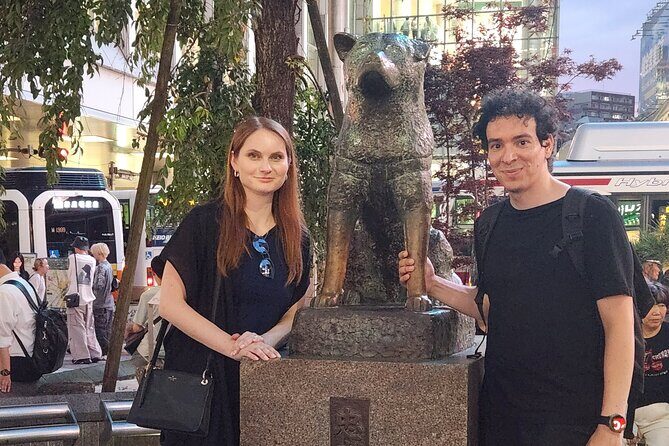
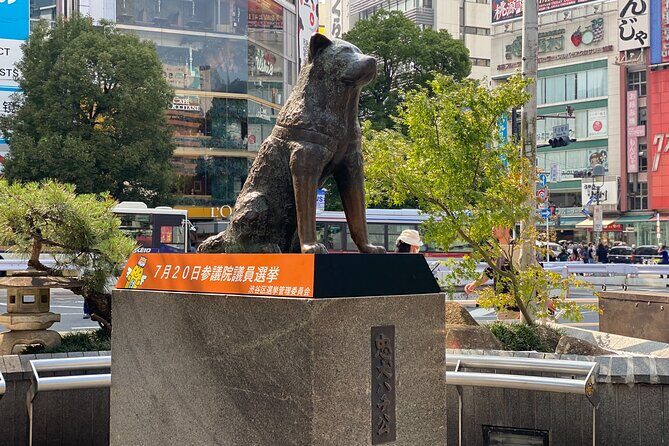
The first stop is the Hachikō Statue, arguably Japan’s most beloved canine monument. This statue isn’t just a cute photo op; it symbolizes loyalty and devotion, memorializing a dog that waited faithfully at Shibuya Station for his owner every day, even after his owner’s death. Visitors often comment on the emotional resonance of this spot. One reviewer notes, “We loved the way the guide explained Hachikō’s story, making the statue more than just a statue—it’s a symbol of unwavering loyalty.”
The Shibuya Scramble Crossing: The World’s Busiest Pedestrian Intersection
Next up is the famous Scramble Crossing, where crowds from all directions cross in perfect chaos. The guide will explain how this intersection has become an international icon of Tokyo’s bustling life. It’s an excellent spot for photos, and many visitors enjoy watching the organized chaos from nearby cafes or elevated viewpoints. The crossing is not just about traffic; it’s a symbol of Tokyo’s never-slow-down attitude.
Shibuya 109: Fashion, Youth, and Kawaii Culture
A quick walk to Shibuya 109 introduces you to Japan’s vibrant youth fashion scene. Opened in 1979, this building became a cultural icon of “kawaii” (cute) culture and gyaru fashion. While some might find shopping here pricey, the building itself is a photo-worthy symbol of Tokyo’s trendsetting youth. One reviewer called it “the birthplace of Japan’s youth fashion movement,” adding that it’s worth seeing even just for the window displays and street style outside.



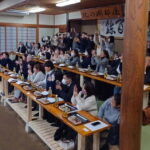


Shibuya Center-gai: The Pulse of Youth Culture
Crossing into Shibuya Center-gai, you’re stepping into a hive of activity—small shops, street performers, and endless energy. This narrow pedestrian street is a favorite among the young and adventurous, perfect for people-watching and absorbing the local vibe. Our guide might point out some hidden cafes or boutiques that are frequented by locals rather than travelers, adding an insider’s touch.
Capsule Toy (Gachapon) Experience at C-Pla Shibuya
A highlight for many is the visit to C-Pla Shibuya, one of Tokyo’s largest gachapon stores. Here, you can try your luck at capsule toy machines, which are a favorite pastime for Japanese children and adults alike. The tour offers a chance to understand why these toys are more than just collectibles—they’re part of a larger pop culture phenomenon. Visitors often mention how fun and surprising it is to see the variety, from tiny figurines to quirky gadgets. One reviewer even said, “Trying out gachapon was a cultural moment I didn’t expect, but loved the surprise element.”
Miyashita Park: A Modern Urban Oasis
Having been a simple public park before, Miyashita Park now presents a sleek, multi-level complex sitting above a train line. It’s a space that blends leisure, shopping, and trendy eateries—all designed to appeal to Tokyo’s youth and urban professionals. We loved the way this spot showcases how Shibuya balances tradition with modernity. Expect to see stylish locals lounging or grabbing a quick bite, making it perfect for a quick rest and photo.
Nonbei Yokocho: Post-War Nostalgia
Just a short walk from the busy streets, Nonbei Yokocho offers a nostalgic glimpse into post-war Japan. This narrow alleyway is packed with tiny, traditional izakayas (Japanese pubs). It feels like stepping back in time, and many travelers find it charming and atmospheric. The guide might point out the tiny establishments, some with just a handful of seats, where locals gather after work. It’s a rare chance to experience Japan’s drinking culture on a small, authentic scale.
Shibuya’s Nightlife: The Hidden Side
As the walk progresses into evening, the tour shifts to explore Shibuya’s nightlife district—a maze of narrow alleys filled with bars, clubs, and late-night eateries. This area reveals a different side of Shibuya: more subdued, yet equally vibrant. Reviewers note how the guide offers insights into Tokyo’s nightlife culture, making it more than just a place to party—it’s a social hub that reflects Tokyo’s dynamic spirit.
The Peaceful Chiyoda Inari Shrine
Amid the lively chaos, the Chiyoda Inari Jinja offers a peaceful, spiritual stop. This small shrine dedicated to Inari, the deity of prosperity and agriculture, provides a quiet moment to reflect. Locals often come here for good fortune, and the fox statues are a typical sight. Guests appreciate the contrast between this serene spot and the energetic streets nearby.
Murals and Art: The Myth of Tomorrow
Inside Shibuya Station, you’ll find Taro Okamoto’s mural, The Myth of Tomorrow. It’s a striking piece that captures a sense of chaos, optimism, and resilience—an artistic reflection of Tokyo itself. Visitors find it inspiring and thought-provoking—an unexpected highlight that adds depth to the tour.
The Pepper Parlor: Japan’s Robotics Obsession
Finally, a visit to Pepper Parlor, a robot-themed café where humanoid robots serve drinks and interact with visitors. It’s a fun, quirky way to wrap up your walk, giving you a peek into Japan’s robotics fascination. Many guests enjoy this as a light-hearted finale, and the guide will share insights into why robots are such a big part of modern Japanese culture.
Practical Tips and Final Thoughts
Group size is limited to 10, which means you’ll get plenty of personalized attention from your guide. The tour lasts approximately 2 hours, making it a perfect quick introduction or a supplement to a full day of sightseeing. The price of $40 offers excellent value, especially considering the variety of sites covered and the insider stories shared.
Expect to walk on foot through busy streets and alleyways, so comfortable shoes are recommended. The tour is suitable for most travelers, especially those interested in authentic local stories, vibrant street scenes, and cultural contrasts. Since it’s conducted in English, non-Japanese speakers will find it easy to follow along and engage.
The Sum Up
This Shibuya culture and street life tour offers a thoughtfully curated look at one of Tokyo’s most iconic districts. It’s especially valuable for travelers wanting a balanced view of famous landmarks and hidden corners, all delivered through an engaging local perspective. The guide’s friendliness and knowledge add a personalized touch that turns sightseeing into storytelling.
At just $40, the tour provides an accessible way to deepen your understanding of Shibuya’s multifaceted character. Whether you’re interested in pop culture, traditional shrines, or just snapping cool photos, this experience covers it all in a relaxed, friendly atmosphere.
If you’re after a fun, insightful, and well-priced introduction to Shibuya, this walk is a smart choice. It’s perfect for solo explorers eager for local insights or families looking for a manageable way to experience Tokyo’s vibrant street life.
Discover Shibuya Culture and Street Life with a Local Guide
FAQ
How long does the tour last?
It takes approximately 2 hours, covering several key spots and hidden gems in Shibuya.
Where does the tour start and end?
The meeting point is Shibu Hachi Box in Denzaka, and the tour concludes back at the same location.
Is the tour suitable for all ages?
Yes, it’s designed to be inclusive for most travelers, including families and solo visitors.
What should I wear?
Comfortable walking shoes are recommended as you’ll be on your feet for the duration of the tour.
Does the tour include food or drinks?
While it doesn’t specify food inclusion, there is an opportunity to try out gachapon and visit some local spots, making it a fun cultural experience.
Is it possible to cancel?
Yes, you can cancel up to 24 hours in advance for a full refund.
Are guides knowledgeable about the local culture?
Absolutely, with reviews noting guides are friendly, engaging, and well-versed in explaining both modern and traditional aspects of Shibuya.
Is the tour stroller or wheelchair accessible?
This isn’t explicitly mentioned, so it’s best to inquire directly with YURAGI if accessibility is a concern.
This walking tour offers a practical, friendly, and authentic way to experience Shibuya’s vibrant streets and rich stories—an excellent choice for those wanting to see beyond the standard tourist spots.