Step into the captivating world of Ranjana Lipi, the traditional script of the Newari people. With its intricate calligraphy and rich cultural heritage, Ranjana Lipi is a script that has stood the test of time.
But what is the history behind this unique writing system? How does it play a role in Newari culture? And what efforts are being made to preserve and revive this ancient script?
Here, we will uncover the answers to these questions and more, inviting you to discover the beauty and significance of Ranjana Lipi in the modern era.
- Good To Know
- History and Origins
- Characteristics and Features
- Importance in Newari Culture
- Writing System and Alphabets
- Usage and Preservation Efforts
- Influence on Nepali and Tibetan Scripts
- Modern Applications and Adaptations
- Learning and Resources
- Common Questions
- Is Ranjana Lipi the Only Traditional Script Used in Newari Culture?
- How Is Ranjana Lipi Different From Other Traditional Scripts Used in Nepal?
- What Are the Challenges Faced in Preserving and Promoting Ranjana Lipi?
- Are There Any Modern Applications or Adaptations of Ranjana Lipi?
- Are There Any Online Resources or Courses Available for Learning Ranjana Lipi?
- The Sum Up
- The Best Of Kathmandu!
- More Tour Reviews in Kathmandu
- Not for you? Here's more nearby things to do in Kathmandu we have reviewed
Good To Know
- Ranjana Lipi holds immense cultural significance for the Newari people, preserving their history and artistic traditions.
- It is a symbol of artistic expression and religious devotion, woven into rituals, ceremonies, and religious texts.
- The script’s characteristics include its vertical orientation, interconnected letters, and elaborate curves and loops, conveying Newar cultural heritage through artistic flair.
- Efforts are being made to preserve and promote Ranjana Lipi, including educational programs, digitization of ancient manuscripts, and collaborations with artists and designers.

👉 See our pick of the 14 Best Shopping Tours In Kathmandu
History and Origins
The history and origins of Ranjana Lipi, the traditional Newari script, can be traced back to ancient times in the Kathmandu Valley. This unique script holds great cultural significance for the Newari people and has had a profound influence on other scripts in the region.
Ranjana Lipi is known for its beautiful and intricate calligraphy, characterized by flowing lines and ornate curves. It was primarily used for religious and ceremonial purposes, including inscriptions on monuments, manuscripts, and religious texts.
Over time, its influence spread to neighboring regions, where it influenced scripts like Lantsa and Tibetan. Today, Ranjana Lipi continues to be cherished and celebrated as an important part of Newari culture, preserving their rich history and artistic traditions.
Its cultural significance and influence on other scripts make it a fascinating subject of study and admiration.
You can also read our reviews of more tours and experiences in Kathmandu.


Characteristics and Features
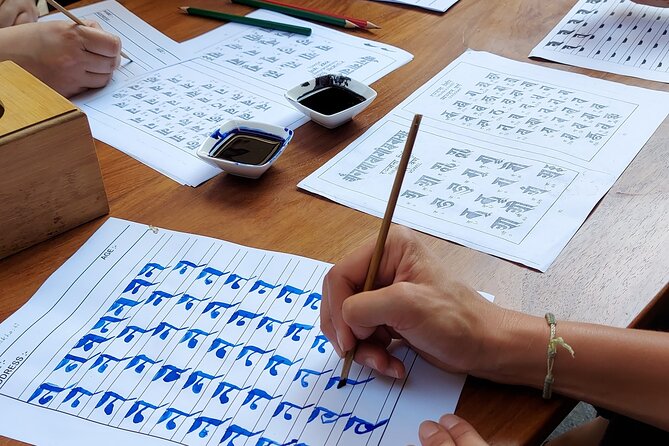
With its flowing lines and ornate curves, Ranjana Lipi, the traditional Newari script, showcases the exquisite beauty and intricate calligraphy that has captivated people for centuries. This unique script has had a significant influence on calligraphy, both within the Newari community and beyond. The script’s distinct features make it instantly recognizable and culturally significant. One notable characteristic is its vertical orientation, with each character standing tall and proud. The letters are beautifully interconnected, creating a harmonious flow of strokes. Another striking feature is the intricate ornamentation, with delicate loops and flourishes adorning each character. The script’s cultural significance is evident in its use for religious texts, inscriptions, and decorative purposes. It is a symbol of the Newari heritage and an art form that continues to be cherished and celebrated today.
| Characteristics | Features |
|---|---|
| Vertical orientation | Tall and proud letters |
| Interconnected letters | Harmonious flow of strokes |
| Ornamentation | Delicate loops and flourishes |
| Use for religious texts, inscriptions, and decoration | Cultural significance and heritage |
Importance in Newari Culture
In the rich tapestry of Newari culture, Ranjana Lipi holds a cherished place as a symbol of artistic expression and religious devotion. The importance of this traditional script can be seen in its cultural significance and the preservation techniques used to safeguard its legacy.
Ranjana Lipi isn’t just a form of writing, but a reflection of the Newari people’s deep-rooted beliefs and traditions. It’s intricately woven into their rituals, ceremonies, and religious texts. The script’s elegant curves and intricate designs showcase the Newari community’s artistic prowess and their commitment to preserving their cultural heritage.
Ranjana Lipi serves as a bridge between generations, ensuring that the rich traditions and values of Newari culture are passed down and celebrated for years to come.
Writing System and Alphabets
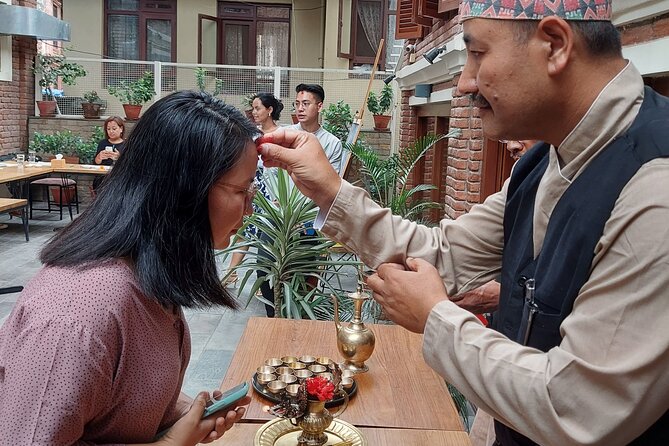
As we explore the fascinating world of Ranjana Lipi, let us now explore the captivating writing system and alphabets that make up this traditional Newari script. The evolution of Ranjana Lipi can be traced back to the 11th century, where it originated as a script for writing Buddhist texts. It is a unique script that stands out among other writing systems due to its intricate and decorative nature. The script consists of 33 consonants and 11 vowels, which are beautifully crafted with elaborate curves and loops. These alphabets are written in a left-to-right direction, similar to many other writing systems. However, what sets Ranjana Lipi apart is its artistic flair and its ability to convey the rich cultural heritage of the Newar people.
| Consonants | Vowels |
|---|---|
| क | अ |
| ख | आ |
| ग | इ |
| घ | ई |
| ङ | उ |
Usage and Preservation Efforts
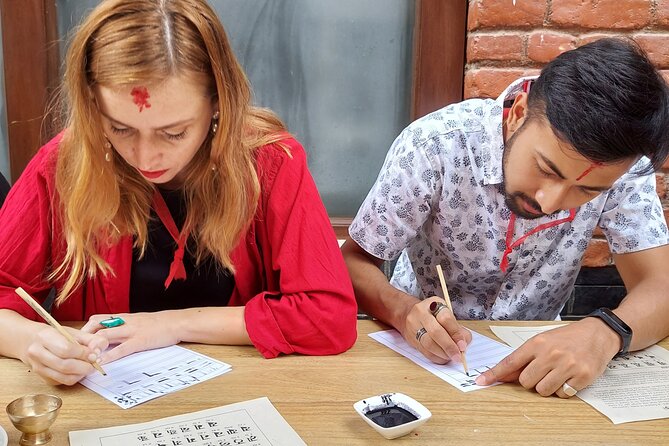
Efforts to preserve and promote the usage of Ranjana Lipi, the traditional Newari script, have been instrumental in safeguarding the rich cultural heritage of the Newar people. The script holds immense cultural significance and has been passed down through generations as a means of communication.
To ensure its preservation, several initiatives have been undertaken:
Establishment of educational programs: Various organizations have introduced classes and workshops to teach the script to younger generations, fostering a sense of pride and connection to their heritage.
Digitalization of manuscripts: With the advancement of technology, efforts have been made to digitize ancient manuscripts written in Ranjana Lipi. This hasn’t only facilitated easier access but also ensured their long-term preservation.
Collaboration with artists and designers: By collaborating with artists and designers, Ranjana Lipi has found its way into various art forms such as paintings, sculptures, and fashion, thus increasing its visibility and promoting its usage among a wider audience.
These preservation initiatives are crucial in maintaining the cultural identity and legacy of the Newar people, ensuring that Ranjana Lipi continues to thrive in the modern world.



Influence on Nepali and Tibetan Scripts
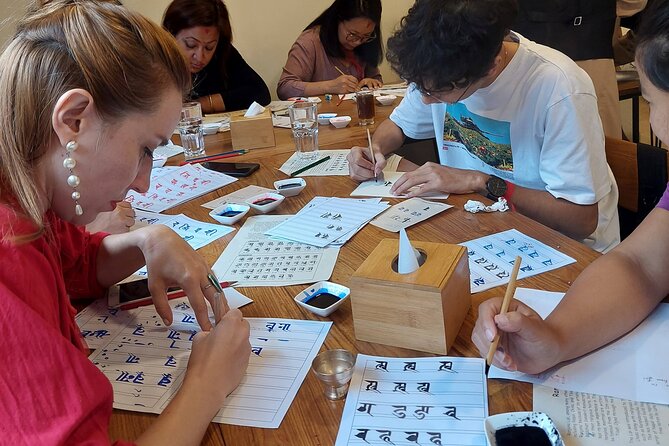
The influence of Ranjana Lipi, the traditional Newari script, extends beyond the boundaries of its own culture, leaving a lasting impact on both Nepali and Tibetan scripts.
The intricate and elegant calligraphy of Ranjana Lipi has had a significant influence on the development of calligraphy in both Nepali and Tibetan scripts. The Newari script’s cultural significance and aesthetic appeal have inspired artists and scribes to incorporate similar elements into their own writing systems.
This influence can be seen in the flowing lines and intricate curves of Nepali and Tibetan scripts, which bear a striking resemblance to the graceful strokes of Ranjana Lipi.
The influence of Ranjana Lipi on Nepali and Tibetan scripts showcases the interconnectedness of these cultures and highlights the enduring legacy of the Newari script.
Modern Applications and Adaptations
Modern applications and adaptations of Ranjana Lipi, the traditional Newari script, have breathed new life into this ancient writing system, making it relevant and accessible in the contemporary world. With the advent of modern technology, Ranjana Lipi has found new ways to be used and appreciated.
Digital Fonts: Ranjana Lipi has been adapted into digital fonts, allowing it to be used in various applications such as graphic design, typesetting, and digital art.
Cultural Preservation: The use of Ranjana Lipi in signage, logos, and branding helps to preserve and promote the cultural significance of the Newari community.
Tattoo Art: Many people are now getting tattoos of Ranjana Lipi characters, not only as a form of self-expression but also to honor and celebrate the rich heritage of the Newari script.
These modern applications and adaptations ensure that Ranjana Lipi continues to thrive and be appreciated in today’s world.
Learning and Resources
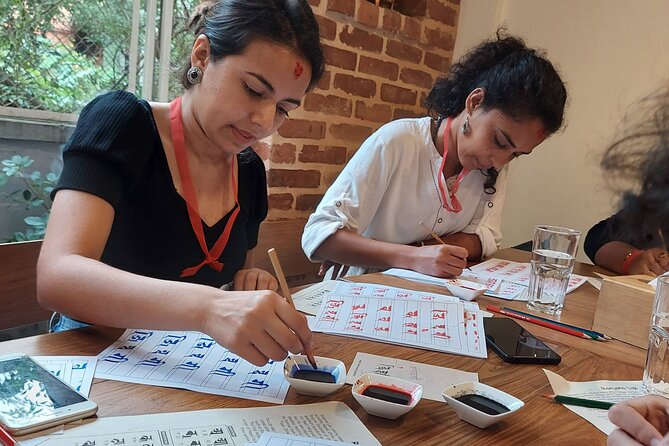
To explore the world of learning and resources for Ranjana Lipi, one must explore the abundance of materials available to those interested in discovering this unique and ancient script.
Learning resources for Ranjana Lipi are diverse and cater to different levels of expertise. For beginners, there are online tutorials, books, and interactive courses that provide step-by-step guidance on how to write and read in Ranjana Lipi. These resources not only teach the script but also explore its cultural significance, helping learners understand the rich heritage associated with it.
For more advanced learners, there are workshops and seminars conducted by experts in the field, allowing participants to interact with like-minded individuals and deepen their understanding of Ranjana Lipi.
Plus, there are online forums and communities where learners can connect, share their progress, and seek guidance from experienced practitioners.
With such a wealth of learning resources available, anyone interested in Ranjana Lipi can embark on a fulfilling journey of discovery.
Common Questions
Is Ranjana Lipi the Only Traditional Script Used in Newari Culture?
No, Ranjana Lipi is not the only traditional script used in Newari culture. There are other scripts like Prachalit Lipi and Bhujimol Lipi that are also used. Newari calligraphers play a vital role in preserving these cultural scripts.
How Is Ranjana Lipi Different From Other Traditional Scripts Used in Nepal?
Ranjana Lipi differs from other traditional scripts used in Nepal due to its unique calligraphic style and intricate designs. Its significance lies in its association with the Newari culture and its use in religious texts and manuscripts.
What Are the Challenges Faced in Preserving and Promoting Ranjana Lipi?
Preservation efforts for Ranjana Lipi, the traditional Newari script, face challenges due to lack of awareness. Efforts are being made to educate people about its importance and promote its usage to ensure its preservation for future generations.
Are There Any Modern Applications or Adaptations of Ranjana Lipi?
Modern adaptations of Ranjana Lipi have found cultural significance in various domains. It is now used in graphic design, fashion, and tattoos, preserving the script’s traditional charm while also appealing to contemporary sensibilities.
Are There Any Online Resources or Courses Available for Learning Ranjana Lipi?
Yes, there are online courses and learning resources available for learning Ranjana Lipi. These resources provide convenient and accessible ways for individuals to study and master the traditional Newari script.
The Sum Up
To sum it up,
Ranjana Lipi is a remarkable script that reflects the rich cultural heritage of the Newari people.
Its intricate calligraphy and ornamental flourishes make it a unique and significant art form.
Through the efforts of scholars and enthusiasts, this traditional script is being preserved and revived in the modern era.
By exploring Ranjana Lipi, readers have gained a deeper understanding of the importance of preserving traditional scripts and the artistic legacy of the Newari people.