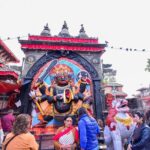
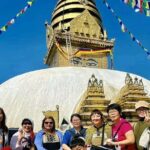
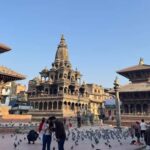
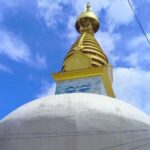
A traveler stumbles upon three extraordinary destinations in Nepal: Pashupatinath Temple, Boudanath Stupa, and Patan Durbar Square.
These sites, each with its own unique charm, offer a captivating journey into the heart of Nepal’s religious and cultural heritage.
From the resplendent Pashupatinath Temple, where devotees gather to pay homage to Lord Shiva, to the grandeur of Boudanath Stupa, a sanctuary of Buddhist art and meditation, and the awe-inspiring Patan Durbar Square, an open-air museum of Newari architecture and history, the exploration of these remarkable landmarks promises an unforgettable experience.
So, let’s embark on this captivating journey and uncover the secrets and wonders that await.
- Good To Know
- History and Significance
- Architectural Marvels
- Religious Rituals and Practices
- Cultural Events and Festivals
- Nearby Attractions and Activities
- Common Questions
- How Do I Get to Pashupatinath Temple, Boudanath Stupa, and Patan Durbar Square?
- What Are the Operating Hours of These Attractions?
- Are There Any Admission Fees for Visiting These Sites?
- Can I Take Photographs Inside the Temples and Stupa?
- Are There Any Restrictions or Dress Codes for Visitors at These Sites?
- The Sum Up
- The Best Of Kathmandu!
- More Tour Reviews in Kathmandu
- Not for you? Here's more nearby things to do in Kathmandu we have reviewed
Good To Know
- Pashupatinath Temple is a sacred Hindu temple dedicated to Lord Shiva, known for its intricate architecture and religious activities.
- Boudanath Stupa is an ancient Buddhist monument, a UNESCO World Heritage Site, and a focal point for Buddhist pilgrims.
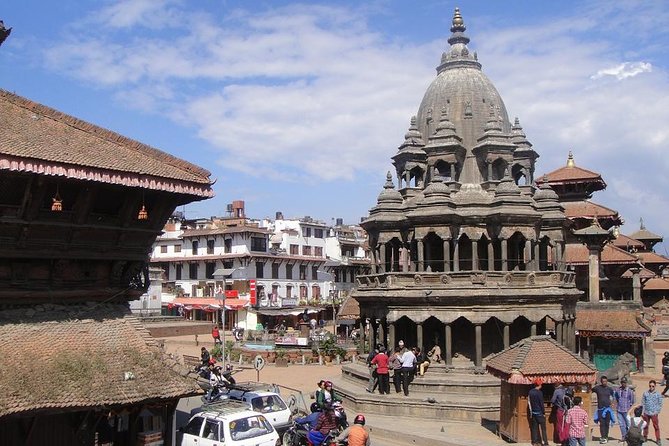
- Patan Durbar Square showcases stunning examples of Newari architecture and offers a glimpse into the grandeur of the Malla dynasty.
- Kathmandu’s cultural events and festivals, such as Indra Jatra and Holi, provide a vibrant and immersive experience into the city’s diverse traditions.
👉 See our pick of the 14 Best Shopping Tours In Kathmandu
History and Significance
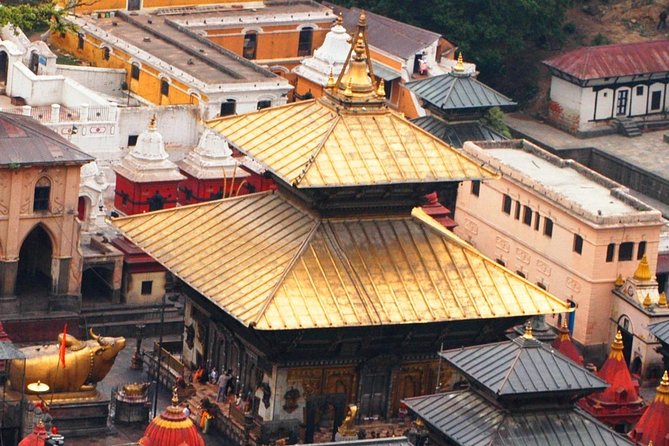
The history and significance of Pashupatinath Temple, Boudanath Stupa, and Patan Durbar Square in Kathmandu are rich and deeply intertwined with the cultural fabric of Nepal.
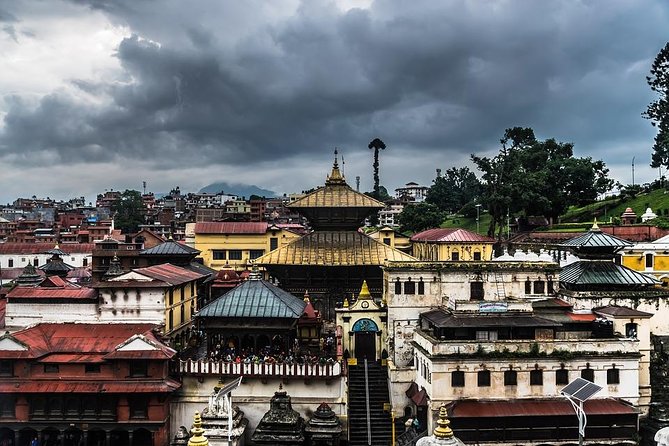
Pashupatinath Temple holds immense spiritual practices and cultural significance. As one of the most sacred Hindu temples, it’s dedicated to Lord Shiva and attracts devotees from all over the world. The temple complex is adorned with intricate architecture and is a hub of religious activities, including cremation rituals and festivals.
The temple’s history dates back to ancient times, and it has witnessed the rise and fall of dynasties, making it a symbol of Nepal’s enduring spirituality. Its cultural significance lies in its ability to bring people together and foster a sense of community and devotion. The temple is a testament to the profound religious traditions that have shaped Nepal’s cultural identity.
You can also read our reviews of more tours and experiences in Kathmandu.


Architectural Marvels
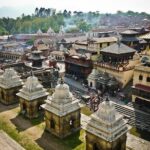
Nestled within the bustling streets of Kathmandu, these cultural attractions showcase architectural marvels that leave visitors in awe of their intricate designs and historical significance.
The Pashupatinath Temple, known as the most sacred Hindu temple in Nepal, is a masterpiece of traditional craftsmanship. Its pagoda-style architecture, adorned with exquisite wood carvings and metalwork, reflects the rich cultural heritage of the region. The temple holds great spiritual significance, as it’s dedicated to Lord Shiva and attracts devotees from all over the world.
Similarly, the Boudhanath Stupa, with its massive dome and peaceful ambiance, is a true testament to the architectural brilliance of the past. This ancient Buddhist monument is a UNESCO World Heritage Site and serves as a focal point for Buddhist pilgrims.
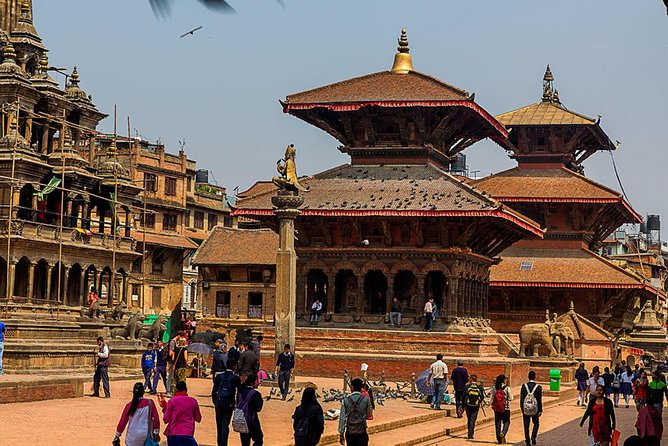
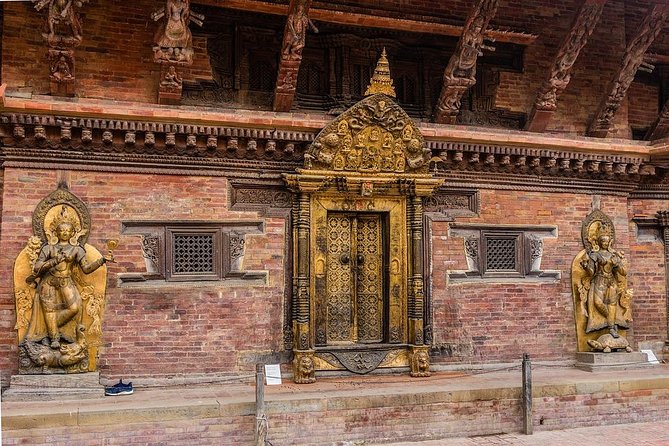
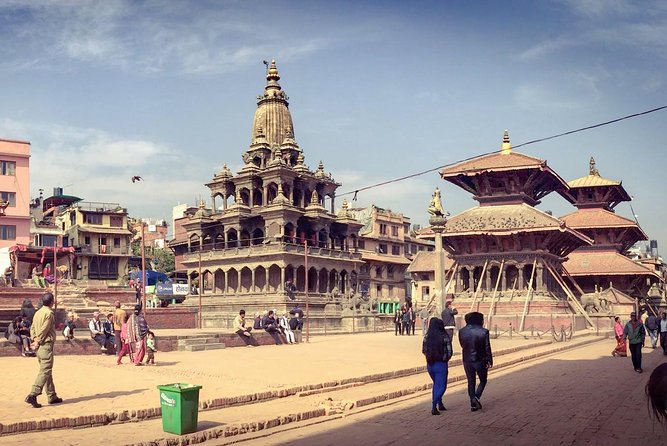
Lastly, the Patan Durbar Square, a complex of palaces and temples, showcases stunning examples of Newari architecture. The intricate carvings, golden spires, and intricate details throughout the square depict the grandeur of the Malla dynasty.
These architectural marvels not only captivate the eye but also serve as a reminder of Nepal’s rich cultural heritage and spiritual traditions.
Religious Rituals and Practices
As visitors marvel at the intricate designs and historical significance of Kathmandu’s architectural marvels, they’re drawn into a world where religious rituals and practices come to life.
The city is known for its rich religious heritage, and the Pashupatinath Temple, Boudanath Stupa, and Patan Durbar Square are all important sites for religious ceremonies and spiritual beliefs.
At Pashupatinath Temple, one can witness Hindu rituals such as cremations and holy bathing in the Bagmati River.
The Boudanath Stupa, on the other hand, is a sacred site for Buddhists, with devotees circumambulating the stupa in prayer.
Finally, in Patan Durbar Square, one can observe Newari rituals and ceremonies, as well as explore the intricately carved temples and palaces.
These religious practices offer visitors a glimpse into the spiritual heart of Kathmandu.
Cultural Events and Festivals
Cultural events and festivals in Kathmandu offer a vibrant and immersive experience into the city’s diverse traditions and celebrations. The city is known for its rich cultural heritage, and there are several upcoming events that showcase the unique cultural traditions of Kathmandu.
One such event is the Indra Jatra festival, which is held in September and celebrates the harvest season. During this festival, the streets of Kathmandu come alive with processions, music, and dance performances.
Another important cultural event is the Holi festival, also known as the Festival of Colors. This festival, celebrated in March, involves throwing colored powders and water at each other, symbolizing the arrival of spring.
These cultural events provide a wonderful opportunity to take in the vibrant traditions of Kathmandu.
Nearby Attractions and Activities
Immerse yourself further in the vibrant traditions of Kathmandu by exploring the nearby attractions and activities that showcase the city’s rich cultural heritage.
After visiting Pashupatinath Temple, Boudanath Stupa, and Patan Durbar Square, take some time to explore the surrounding areas and discover the hidden gems of Kathmandu.
One must-visit destination is the nearby markets, where you can experience the lively atmosphere and browse through a wide variety of traditional crafts.
These markets offer a unique opportunity to interact with local artisans and witness the craftsmanship firsthand.
From intricately carved wooden statues to colorful textiles and pottery, you’ll find a myriad of traditional crafts that reflect the artistic traditions of Nepal.
Don’t miss the chance to bring back a piece of Kathmandu’s cultural heritage with you as a memento of your visit.



Common Questions
How Do I Get to Pashupatinath Temple, Boudanath Stupa, and Patan Durbar Square?
To get to Pashupatinath Temple, Boudanath Stupa, and Patan Durbar Square, visitors can use various modes of transportation such as taxis, buses, or hire a private driver. Nearby accommodations offer convenient access to these iconic landmarks.
What Are the Operating Hours of These Attractions?
The operating hours of these attractions vary, but the best time to visit is during the daytime. There are many nearby accommodations and restaurants that cater to travelers, providing convenience and a taste of local cuisine.
Are There Any Admission Fees for Visiting These Sites?
There are admission fees for visiting these sites. However, they are worth it due to their cultural significance. The Pashupatinath Temple, Boudanath Stupa, and Patan Durbar Square offer a unique glimpse into Nepal’s rich heritage.
Can I Take Photographs Inside the Temples and Stupa?
Yes, visitors are allowed to take photographs inside the temples and stupa. However, it is important to respect the cultural significance of these sites and follow any photography policies that may be in place.
Are There Any Restrictions or Dress Codes for Visitors at These Sites?
Visitors at these sites should be aware of certain restrictions and dress codes. Appropriate attire is required, and it is important to respect the religious significance of the temples and stupa by behaving respectfully and refraining from any disruptive behavior.
The Sum Up
To sum it up, Pashupatinath Temple, Boudanath Stupa, and Patan Durbar Square are three remarkable cultural and historical landmarks that offer a glimpse into Nepal’s rich heritage.
From the stunning architecture of Pashupatinath Temple to the spiritual significance of Boudanath Stupa and the intricate artistry of Patan Durbar Square, these sites are must-visit destinations for anyone interested in exploring Nepal’s cultural treasures.
Whether you’re seeking religious enlightenment, architectural marvels, or a deeper understanding of Nepal’s history, these landmarks will leave you in awe.