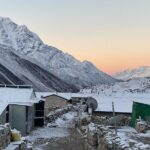
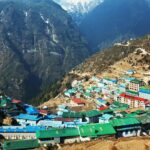
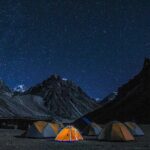
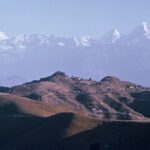
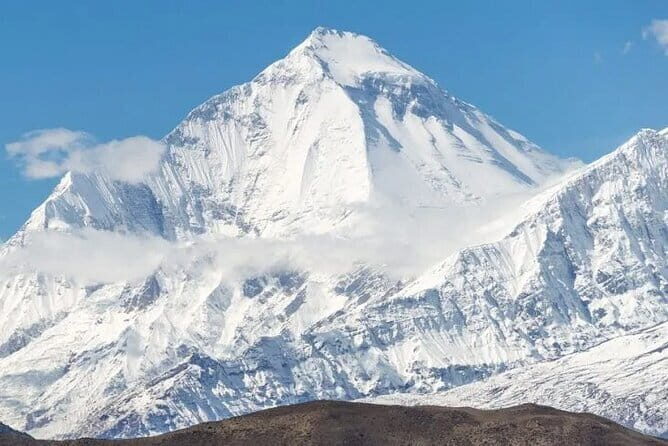
Traveling through Nepal’s rugged landscapes offers some of the most breathtaking mountain scenery and authentic cultural encounters you can find. The Dhaulagiri Circuit Trek is no exception — a 17-day journey that takes you beyond the crowds and into the heart of Himalayan wilderness, offering unrivaled views of towering peaks like Dhaulagiri I, the seventh highest mountain in the world.
What sets this trek apart? We love the chance to explore untouched landscapes, get close to Himalayan giants, and meet diverse local communities. The trek’s remote nature means fewer travelers, giving you a feeling of stepping back in time amidst ancient villages and pristine glaciers.
A potential consideration? It’s a physically demanding adventure, with high-altitude passes and rugged terrain. This trek requires good fitness levels and a spirit ready for challenge.
This trek is best suited for seasoned hikers and adventure seekers who crave solitude, authentic culture, and jaw-dropping mountain views — and who don’t mind a bit of a workout.
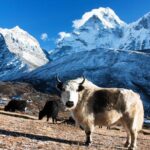
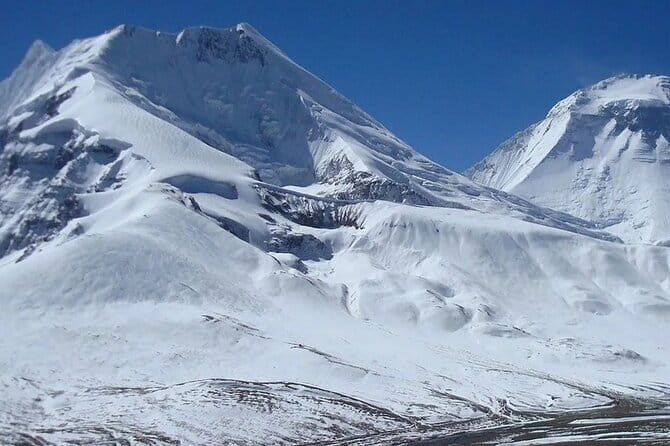
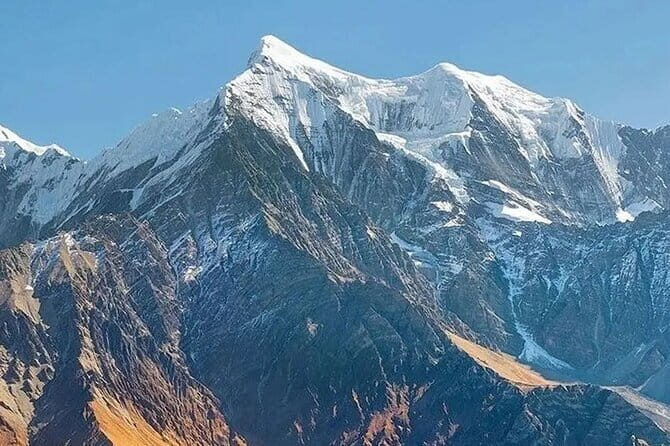
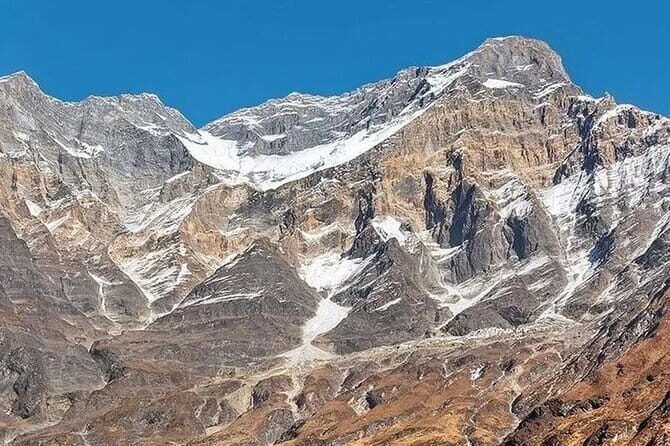
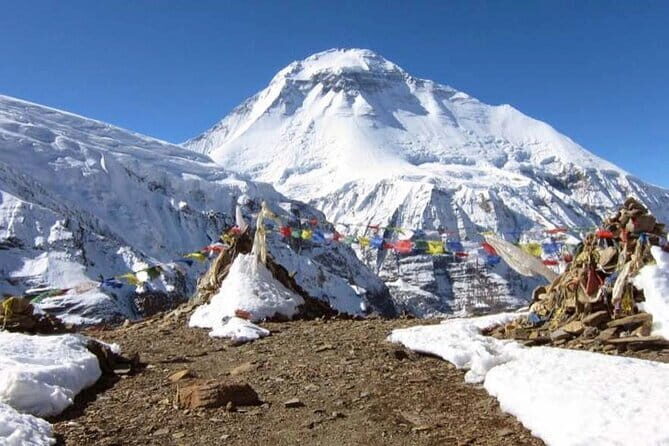
Stunning mountain vistas: Close encounters with Himalayan giants like Dhaulagiri I and other glaciers are unforgettable.
Cultural diversity: You’ll visit villages inhabited by Magar, Gurung, and Thakali people — each with their own traditions.
Remote wilderness: Unlike popular routes, this trek takes you through pristine, untouched areas.
Challenging terrain: Expect rugged trails, high passes like French Pass, and significant altitude changes.
Comprehensive itinerary: The 17 days cover a variety of landscapes, from lush valleys to icy glaciers.
Value for money: At $1,750, the trip includes permits, accommodations, guides, and some meals, making it a good investment for serious trekkers.
- Starting Point: Beni — The Gateway to the Himalayas
- Day 2: Transitioning to Babiyachaur
- Day 3: Into the Valley — Dharapani
- Day 4: Ascending to Muri
- Days 5-7: Approaching Dhaulagiri Base Camp
- Days 8-9: Reaching Italian Base Camp
- Days 10-12: Approaching and Climbing Dhaulagiri Base Camp
- Days 13-14: Crossing French Pass and Hidden Valley
- Days 14-15: Descending to Yak Kharka and Marpha
- Days 16-17: Return to Pokhara and Kathmandu
- The Best Of Kathmandu!
- More Hiking & Trekking Tours in Kathmandu
- More Tour Reviews in Kathmandu
- Not for you? Here's more nearby things to do in Kathmandu we have reviewed
Starting Point: Beni — The Gateway to the Himalayas
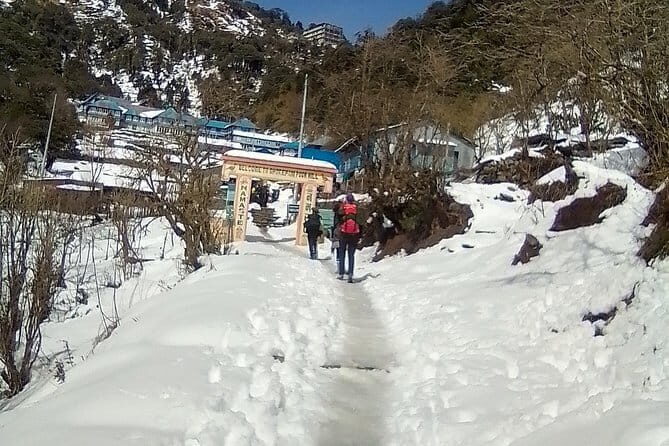
Your adventure begins with an approximately 8-9 hour drive from Kathmandu to Beni, passing through Pokhara and along scenic routes like Trishuli Highway and Baglung Highway. Beni, at 850 meters altitude, acts as the primary launching pad into the mountains, setting the tone with its lively atmosphere and mountain views. It’s the perfect base to start acclimatizing and preparing for the physical challenge ahead.
The journey itself is part of the adventure, offering glimpses of small streams, local villages, and the Kali Gandaki Valley. Beni’s status as the gateway to Mustang adds an element of anticipation — you’re stepping into a different world.
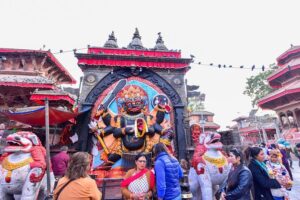
👉 See our pick of the 14 Best Shopping Tours In Kathmandu
Day 2: Transitioning to Babiyachaur
From Beni, the trek moves westward along the Myagdi Khola River to Babiachor, a small village at 950 meters. This day involves about five hours of walking, crossing wooden bridges, and navigating the narrow riverbanks. Expect a peaceful atmosphere, with the sound of flowing water and views of surrounding greenery.
Staying overnight in tents, hikers get a taste of true wilderness. This initial day is manageable but sets the tone for the days ahead — a mix of river crossings and forested trails.
You can also read our reviews of more hiking tours in Kathmandu
Day 3: Into the Valley — Dharapani
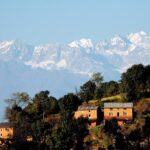
The third day involves a longer, approximately seven-hour walk to Dharapani at 1400 meters. The trail begins to open up, revealing the valley’s natural beauty. As you cross Dudh Khola and the trail narrows, the landscape becomes more dramatic, with towering cliffs and rushing streams.
Dharapani’s charm lies in its beautiful setting and proximity to the mountains. It’s a good spot to rest and acclimate before the tougher sections ahead. The walk introduces you to the Himalayan terrain’s ruggedness, with some sections requiring careful footing.
Day 4: Ascending to Muri
Traveling about five hours, you’ll reach Muri, situated at 1850 meters. The trek involves crossing rivers, ascending ridges, and navigating rough roads. Expect a mixture of forested paths and open ridges, with views of snow-capped peaks and lush valleys.
Muri is notable for its high-altitude charm, offering a sense of progress in the journey. It’s one of the last villages before the more remote sections, giving you a chance to enjoy local hospitality and prepare for the upcoming ascent.
Days 5-7: Approaching Dhaulagiri Base Camp
Over this stretch, the trek becomes increasingly remote and challenging. You’ll ascend through terraced fields, forests filled with oak and pine, and cross streams. Notably, you’ll arrive at Boghara (2100 meters) and Dobang (2500 meters), where the landscape becomes more alpine.
Day 5 introduces the first significant change in scenery as you walk along the Naura River, surrounded by towering peaks. Day 6 takes you through lush forests and open fields, culminating at Jyardan and Lipse. The gradual gain in altitude prepares you for the glacier zones.
Day 7 sees you entering the Myagdi Khola Valley, with wide views of Dhaulagiri and its glaciers. The proximity to these giants makes this section particularly memorable. Reviewers mention the “stunning views of Dhaulagiri and its glaciers” and how the landscape remains untouched by mass tourism, allowing for breathtaking photography opportunities.
Days 8-9: Reaching Italian Base Camp
From the valley, you trek onto glacier paths to reach Chhonbardan Glacier and the Italian Base Camp at 3660 meters. Expect many ups and downs along the glacier, with dramatic views of Tukuche Peak. This part of the trek involves walking on ice and snow, so crampons may be necessary, and guidance is critical.
Rest and acclimatize at the base camp on Day 9, with optional hikes to nearby glaciers. The reviews highlight how peaceful and majestic this setting is, with some mentioning the “serene Himalayan landscapes” and the opportunity to experience the glacier environment firsthand.

Days 10-12: Approaching and Climbing Dhaulagiri Base Camp
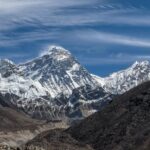
The journey continues with challenging ascents through moraine paths and glacier crossings to reach the Dhaulagiri Base Camp at 4740 meters. This is where the true grandeur of the Himalayas hits home — towering snow peaks surround you, and the silence is profound.
Day 11 marks your arrival at the base camp, where the panoramic view of peaks like Dhaulagiri I and II is spectacular. The reviews describe the “mesmerizing view of snowy mountain peaks,” emphasizing how special this remote location feels.
Day 12 is crucial for acclimatization, allowing your body to adapt to high altitude before the most demanding sections. The tranquility here is a highlight for many trekkers.
Days 13-14: Crossing French Pass and Hidden Valley
On Day 13, you’ll ascend to French Pass at 5323 meters, one of the trek’s highest points. The walk over moraine and snow is tough but rewarded with views of Mount Mukut Himal and Tashi Kang. You’ll then descend into the Hidden Valley at 5200 meters, a remote and awe-inspiring area often described as a “secret place of the mountains” by reviewers.
The trail involves significant elevation gain and loss, making physical preparation essential. The scenery here is surreal: vast glaciers, jagged peaks, and enormous open spaces.
Days 14-15: Descending to Yak Kharka and Marpha
After crossing Dhampus Pass, you’ll gradually descend through lush forests down to Yak Kharka at 3680 meters. Expect a steep descent, a change from the icy heights to verdant terrain filled with flora and fauna.
Further descending along the Kali Gandaki Valley brings you to Marpha, a charming village famous for its apple orchards and traditional architecture. It feels like a reward after days of high-altitude trekking, with cozy guesthouses and local apple brandy.
Reviews note the “beautiful whitewashed houses” and the peaceful atmosphere, making Marpha a favorite stop for many.
Dhaulagiri Circuit Trek – 17 Day
Days 16-17: Return to Pokhara and Kathmandu
The final stretch involves a scenic 7-hour drive back to Pokhara, giving you a last chance to enjoy mountain views and the lakeside town’s relaxed vibe. The ease of transportation after days of trekking is appreciated, providing a comfortable end to the adventure.
On the last day, you’ll drive from Pokhara to Kathmandu, completing your journey. The trip ends with a transfer to your hotel or airport, leaving you with memories of one of Nepal’s most remote and rewarding treks.
At $1,750, the tour covers all essential permits, accommodations, guide services, and transportation, making it a solid deal for what it delivers. Staying in guesthouses and tents allows a more intimate experience, and the included permits mean less hassle for travelers. You’ll also benefit from the expertise of a knowledgeable guide, which is invaluable in such remote terrain.
While the cost might seem high compared to some shorter treks, the scope and remoteness justify it. You’re getting a comprehensive experience that combines high-altitude adventure, culture, and a chance to witness some of Nepal’s most stunning landscapes.
This journey is ideal for experienced trekkers who are comfortable with challenging terrain and high altitudes. The remote location means fewer amenities, so a good level of fitness and resilience are needed. It’s perfect for those seeking solitude, genuine cultural encounters, and awe-inspiring mountain panoramas away from the crowds. If you’re craving an adventure that pushes your limits and rewards you with untouched beauty, this trek is a perfect match.
How difficult is the Dhaulagiri Circuit Trek?
It is considered physically demanding due to rugged terrain and high-altitude passes. Excellent fitness and prior trekking experience are recommended.
What is included in the tour price?
The price covers permits (special permit for Dhaulagiri and Annapurna conservation area), accommodations (guesthouses and tents), a local English-speaking guide, and intercity transport.
Are the accommodations comfortable?
Expect basic guesthouses in villages and tents at higher elevations. The experience is more about the scenery and adventure than luxury, but many reviewers appreciate the authenticity.
How challenging are the high passes?
Passes like French Pass at 5,360m and Dhampus Pass at 5,323m are tough but manageable with proper acclimatization and guidance. They offer breathtaking views but require good stamina.
What about altitude sickness?
Altitude is a concern at higher points like Dhaulagiri Base Camp and French Pass. Proper acclimatization days and hydration are included, but travelers should be prepared for high elevations.
Is this trek suitable for solo travelers?
Yes, as it’s a private tour with a guide, solo travelers can join with confidence, ensuring safety and company throughout.
How do I prepare physically for this trek?
Training with cardio, strength, and endurance exercises is advisable. The trail involves steep ascents, descents, and glacier crossings.
Can I customize the itinerary?
Since it’s a private trip, modifications might be possible but should be discussed with the tour provider beforehand.
The Dhaulagiri Circuit Trek offers a rare opportunity to explore Nepal’s most untouched mountain landscapes. Its combination of towering peaks, glacier crossings, and vibrant local villages makes it a truly rewarding experience for seasoned adventurers. While physically demanding, the journey rewards trekkers with extraordinary views, genuine cultural exchanges, and a sense of solitude difficult to find elsewhere.
If you’re seeking a challenging trek that takes you off the beaten path and into the core of Nepal’s high Himalayas, this tour is an excellent choice. Just come prepared, pack your spirit of adventure, and get ready for some of the most stunning scenery Nepal has to offer.
Note: Always check with your tour provider for the latest information on permits, weather conditions, and gear requirements to ensure a smooth and enjoyable trek.