Cham art has a strong sense of place: carved figures and sacred reliefs connect Da Nang to the Champa Kingdom that once flourished along Vietnam’s central coast. At this compact museum, more than 400 works from the 5th to 15th centuries give you a close look at that history in sandstone, terracotta, and bronze.
I like two things here: the sculptures are displayed close enough to inspect their detail, and the phone-based audio guide lets you explore at your own pace. The museum’s French-Champa architecture and quiet courtyard also make a welcome pause from the city.
One practical caution: don’t count on air-conditioning. Several exhibition spaces can feel hot, especially on a warm day, so bring water and plan a shorter visit if you’re heat-sensitive.
- What to know before you go
- A small museum with a big story
- Start with the sculptures, not the clock
- Use the audio guide, but connect first
- Expect a warm visit in some galleries
- Make it part of a Da Nang day
- Is the ticket worth the price?
- Who should make time for it?
- Should you book this ticket?
- FAQ
- How much time should I allow for the museum?
- What are the museum’s opening hours?
- What languages are available for the audio guide?
- How do I access the audio guide?
- Is a tour guide included with admission?
- Can I leave the museum and come back in?
- Where is the museum?
- The Best Of Da Nang!
- More Tickets in Da Nang
- More Tours in Da Nang
- More Tour Reviews in Da Nang
- Not for you? Here's more nearby things to do in Da Nang we have reviewed
What to know before you go
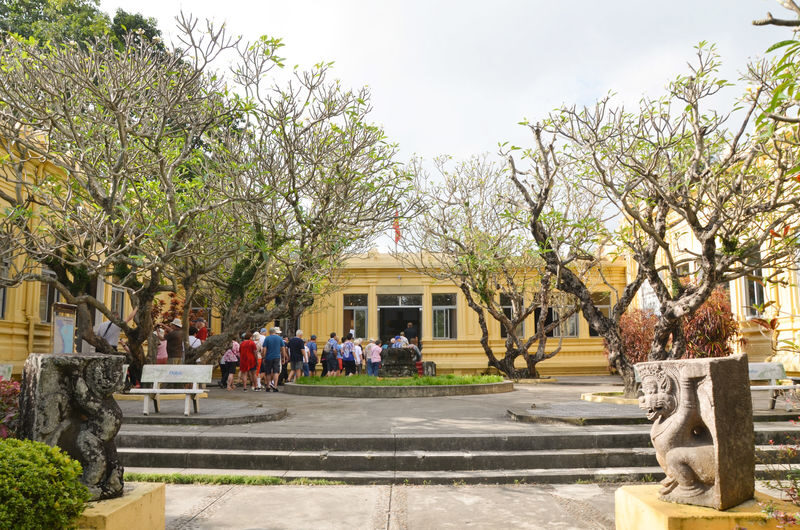
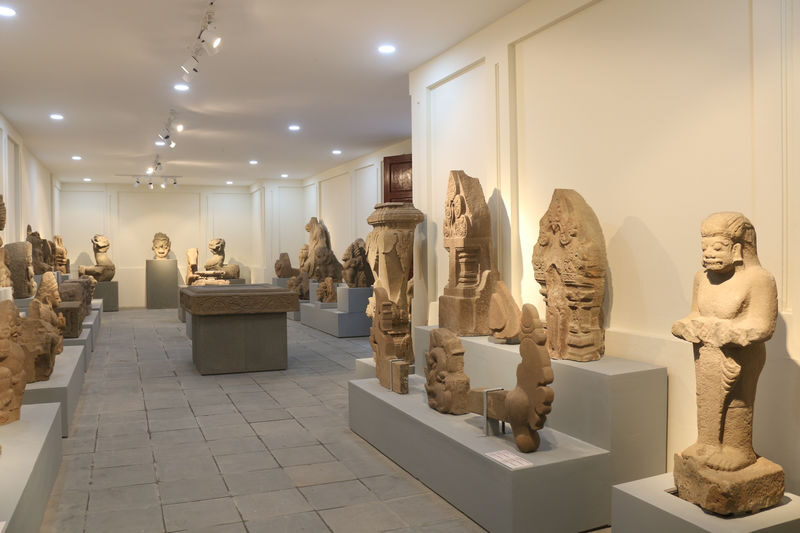
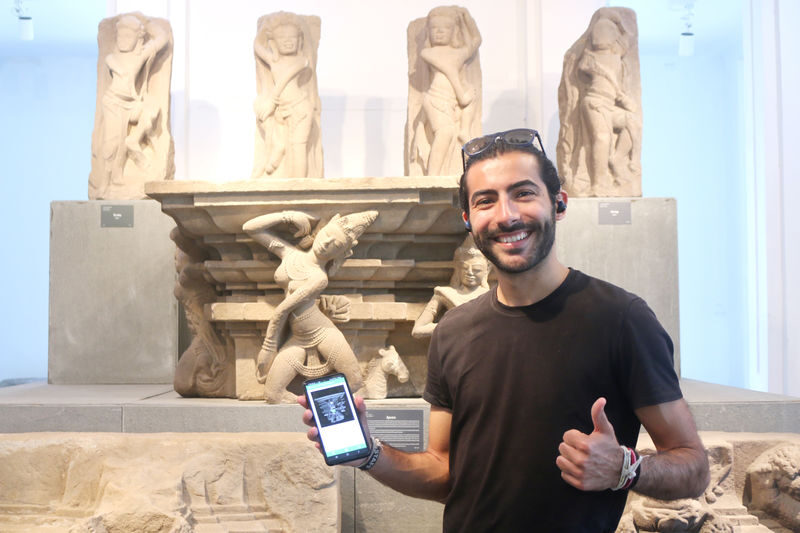
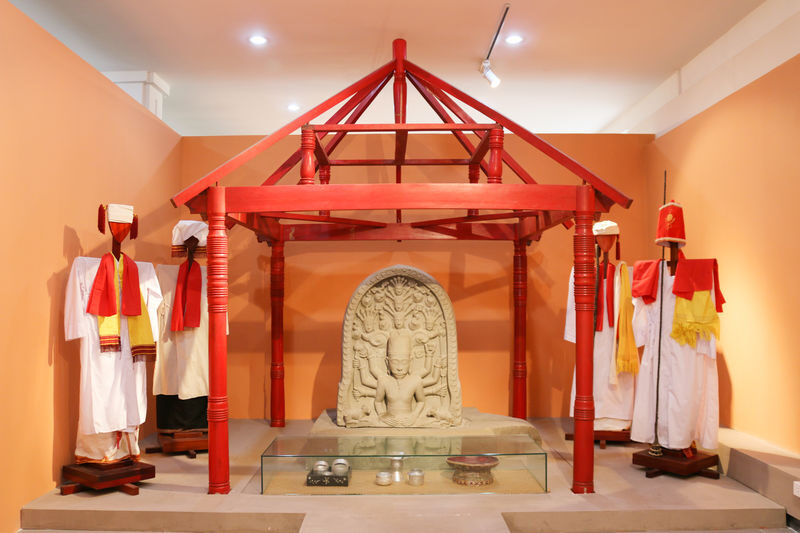
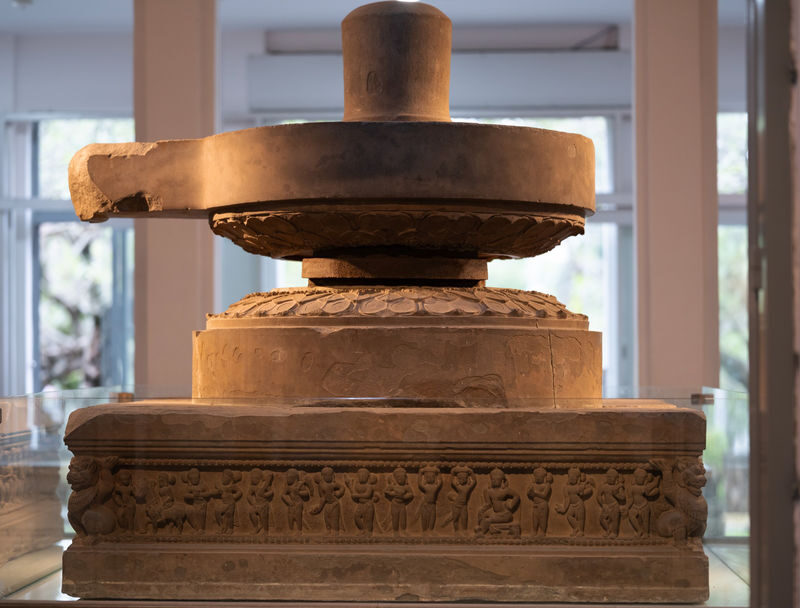
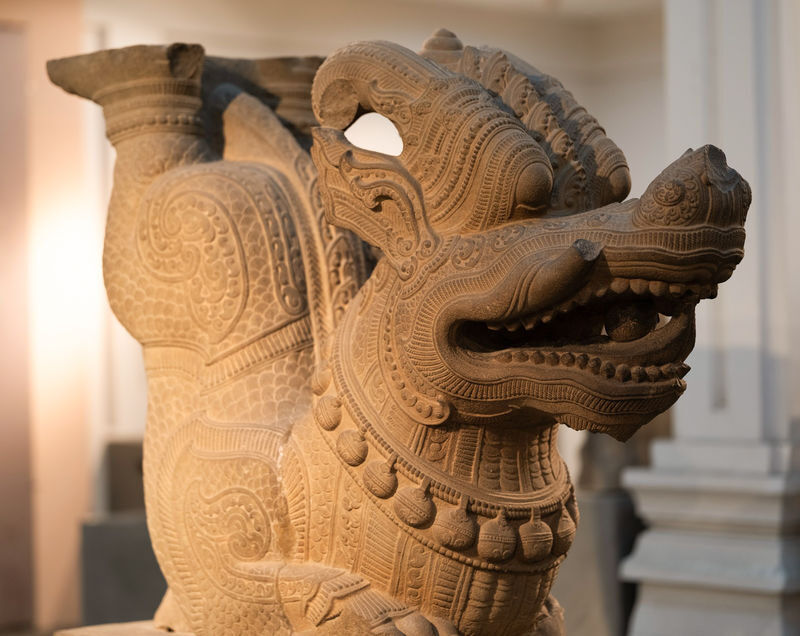
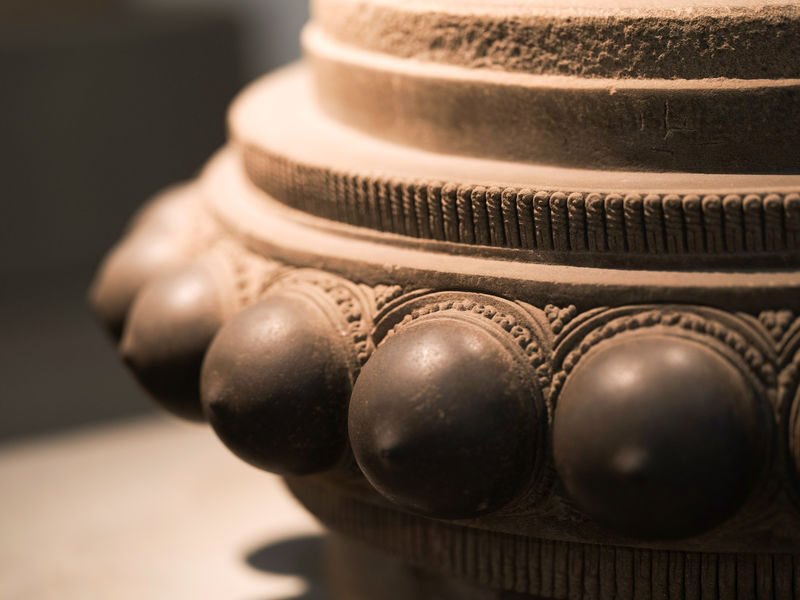
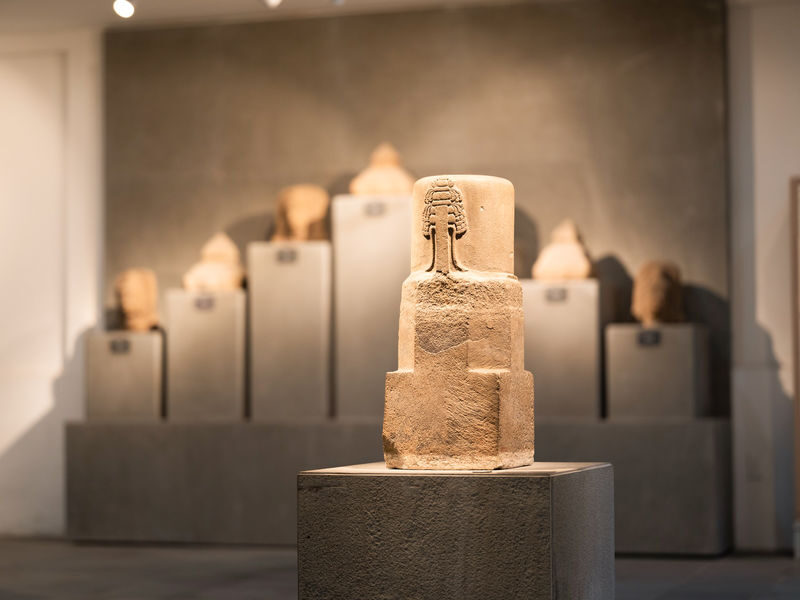
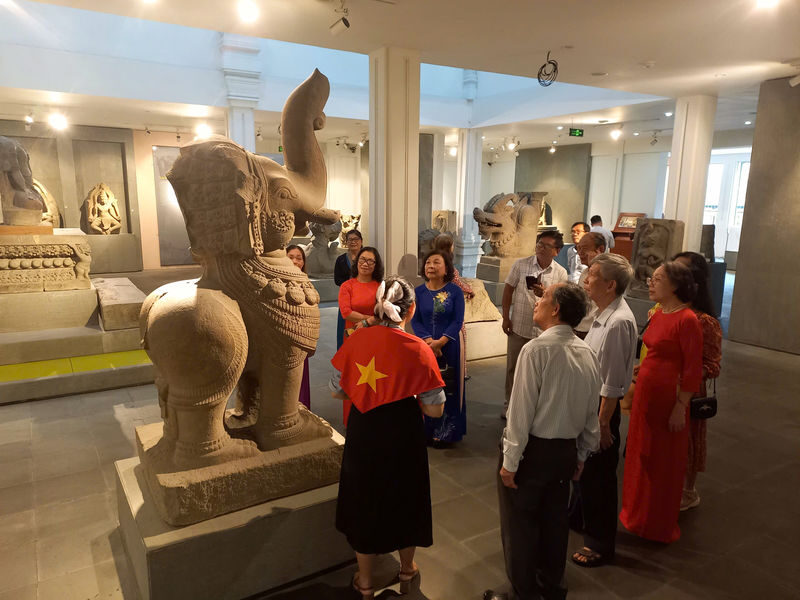
- More than 400 Cham works: See sculptures, reliefs, and other objects dating from the 5th to 15th centuries.
- A useful first stop before My Son: The museum offers context for the Cham culture and sculptures you may encounter at My Son Sanctuary.
- A self-guided audio option: Connect to the museum Wi-Fi, then open chamaudio.com in your browser. Audio is available in Vietnamese, English, and French.
- A short city-center visit: Set aside 1 to 2 hours, though a quick look can take about 30 minutes.
- Easy QR-code entry: Present your voucher at the museum for scanning. The ticket is valid only on the selected date.
- Heat is the main drawback: Some exhibition areas lack air-conditioning, so the experience may be less comfortable in hot weather.
👉 See our pick of the 25 Best Shopping Tours In Da Nang
A small museum with a big story
Da Nang Museum of Cham Sculpture gives you a focused introduction to a civilization that is easy to overlook when a trip is planned around beaches, food, and the city’s newer sights. The Champa Kingdom once held sway along Vietnam’s central coast, and its art reflects religious and cultural influences that differ from the better-known imperial stories of Vietnam.
The collection includes more than 400 works made between the 5th and 15th centuries. You’ll see Hindu and Buddhist figures, carved reliefs, and objects identified as National Treasures. The materials matter: sandstone gives many sculptures a weighty, weathered presence, while terracotta and bronze offer a different sense of craft and scale.
This is not a large, interactive museum with films and hands-on displays. It is a place to look closely, read, and make connections. If you’re curious about history or religious art, that direct encounter with the objects is the point. If you need screens, activities, or a lively guided presentation to hold your attention, the visit may feel quiet and a little old-fashioned.
The museum’s setting adds to the experience. Its French-Champa architecture and courtyard give the visit a calmer pace than the streets outside, while the building itself is part of the appeal. You are not just ticking off a collection; you are seeing Cham sculpture in a museum built around its preservation and display.
You can also read our reviews of more tours and experiences in Da Nang


Start with the sculptures, not the clock
Allow 1 to 2 hours if you want time to read the labels, use the audio guide, and look carefully at the pieces that catch your eye. If you are mainly curious to see the collection, you can move through more quickly. Some visitors finish in around 30 minutes, but that leaves little time to understand what you are seeing.
I’d begin by taking a broad look at the galleries, then return to the sculptures that draw you in. The subject matter includes Hindu and Buddhist deities, and the carved details can be easy to miss if you hurry from one room to the next. Give yourself a moment to compare faces, poses, and relief work rather than treating the rooms as a checklist.
The collection’s age range is another reason not to rush. Works span roughly a thousand years, from the 5th to 15th centuries. Even without a specialist’s knowledge, you can use the displays to notice how artistic styles and religious imagery vary across the collection.
There is no tour guide included with admission, so the visit is self-guided. That suits visitors who like to set their own pace, but it also means you should use the audio option or take time with the written information if you want more context. English descriptions are not equally available throughout the museum, so the audio guide can be especially useful.
Use the audio guide, but connect first
Admission includes access to the museum’s website audio guide. It is not a separate device handed to you at the door. Bring a phone, connect to the museum Wi-Fi, open a browser, and visit chamaudio.com. Then choose Vietnamese, English, or French.
You can select artifacts individually, scan the QR codes beside objects, or follow the tour sequences offered on the site. This gives you a flexible way to learn more without having to follow a group or keep to a fixed schedule. You can pause when a sculpture interests you and skip ahead when it doesn’t.
Set it up early in your visit. The guide works only while connected to the museum Wi-Fi, and the steps may not be obvious at first. If you have trouble, check that you are connected to the museum network before opening the page. The audio guide is a helpful addition, but it depends on your phone and the museum’s connection rather than a printed guide or staff-led explanation.
The museum staff are described as approachable and helpful, which is useful if you need basic assistance. Still, this is not a guided tour, and you should not expect a staff member to accompany you through the galleries.
Expect a warm visit in some galleries
The biggest comfort issue is temperature. Several visitors have found the exhibition spaces hot, and the ground-level hall in particular may not have air-conditioning. A few visitors have reported different conditions, so facilities may vary, but it is safest to plan as if some rooms will be warm.
That matters in Da Nang, where an indoor activity can sound like an easy escape from the heat. The museum may offer shade and a slower pace, but it is not necessarily a cool retreat. Bring water, dress for warm conditions, and avoid arriving tired from a long stretch outdoors if heat affects you.
There are practical comforts: the restroom has been described as clean, and a luggage storage area is available outside. The courtyard offers a quiet contrast to the galleries, though it is not a substitute for air-conditioning. The museum also has a souvenir shop near the exit; bring cash if you may want to buy something, since the shop has been reported to accept cash only.
Make it part of a Da Nang day
The museum is at No. 2, 2/9 Street, in Hai Chau Ward, in central Da Nang. It is near the Han River and Dragon Bridge, which makes it easy to combine with nearby city stops. There is no transport or hotel pickup included, so you’ll need to arrange your own way there.
The central location also makes this a practical choice if you have time to fill before checking in, heading to the airport, or continuing onward. It is a relatively short visit, not a full-day outing. That can be an advantage when your schedule has a gap, but it is less compelling if you are looking for a major attraction with several hours of activities.
If you plan to visit My Son Sanctuary, consider seeing the museum first. The gallery’s sculptures and historical context can give you a better starting point for understanding Cham art and religious imagery at the sanctuary. If you visit My Son beforehand, the museum can work just as well as a place to look again at the culture and artistic traditions you have already encountered.
The museum is open daily from 7:00 a.m. to 5:00 p.m. Keep the closing time in mind if you arrive late in the afternoon; a quick pass through the collection is possible, but there is less room to linger.
You can also read our reviews of more museum experiences in Da Nang





Is the ticket worth the price?
Admission is listed from $2.35, making this a modest-cost cultural stop. For that price, you get entry to a distinctive collection and access to a phone-based audio guide. The value is strongest if you enjoy sculpture, religious history, or learning about the region beyond its modern city life.
The ticket may also be convenient if you prefer to book ahead and enter with a QR code. You can present the voucher directly for scanning, and same-day booking may be available. Some visitors have found buying at the museum cheaper, particularly when paying cash, so compare the current online and on-site prices before you decide. The listed starting price can change, and the ticket is valid only on the date selected.
This is a straightforward admission ticket, not a guided experience. Transport, hotel pickup, a tour guide, and personal expenses are not included. If you want a guide to explain the collection in person, you’ll need to arrange that separately.
One important rule: re-entry is not allowed after you leave. Take a restroom break or visit the shop before exiting, and don’t plan to step outside and return later on the same ticket.
Who should make time for it?
I’d put this museum high on the list if you like archaeology, sculpture, religion, or the history of central Vietnam. It also suits visitors who want a meaningful indoor stop between meals and city sightseeing, provided they are comfortable with a self-guided visit and the possibility of warm galleries.
It may be less satisfying if you want a highly interactive museum, a long guided tour, or a reliably air-conditioned break. The displays reward attention, but the format is quiet and traditional. Families with children who prefer hands-on activities may want to keep the visit brief and focus on a few striking works rather than trying to read every label.
For a first visit, I’d allow about an hour, then extend it if the audio guide and sculptures hold your attention. If you have only 30 minutes, you can still see a sample of the collection, but the museum makes more sense when you have time to pause and absorb the details.
Should you book this ticket?
Book it if you want a low-cost introduction to Cham art and history, especially before or after a trip to My Son Sanctuary. The QR-code entry is simple, the location is central, and the collection offers something different from Da Nang’s beach and food scene.
Skip it if your schedule is packed, you have little interest in sculpture or history, or you need a cool indoor refuge. If you do go, connect to the Wi-Fi audio guide at the start, bring water, and leave yourself enough time to look rather than just walk through.
Da Nang Museum of Cham Sculpture Admission Ticket
“Convenience of booking with Klook: It's convenient to just show the QR code directly to the staff for a quick scan. If you enjoy exploring history…”
FAQ
How much time should I allow for the museum?
Plan for 1 to 2 hours if you want time to explore the collection and use the audio guide. A quicker visit can take about 30 minutes.
What are the museum’s opening hours?
The museum is open Monday through Sunday, from 7:00 a.m. to 5:00 p.m.
What languages are available for the audio guide?
The audio commentary is available in Vietnamese, English, and French.
How do I access the audio guide?
Connect to the museum Wi-Fi, open a web browser, and go to chamaudio.com. You can choose a language and select artifacts, scan artifact QR codes, or follow the tour sequences.
Is a tour guide included with admission?
No. Admission includes entry to the museum and access to its website audio guide. A tour guide is not included.
Can I leave the museum and come back in?
No. Re-entry is not allowed after you leave the venue.
Where is the museum?
Da Nang Museum of Cham Sculpture is at No. 2, 2/9 Street, Hai Chau Ward, Da Nang City, near the Han River and Dragon Bridge.