The Cultural Triangle of Sri Lanka is a captivating journey through the country’s rich history and cultural heritage. Nestled in the heart of the island, this remarkable region encompasses three UNESCO World Heritage Sites: Anuradhapura, Polonnaruwa, and Sigiriya.
From the awe-inspiring ruins of ancient kingdoms to the iconic rock fortress of Sigiriya, visitors are transported back in time to a bygone era. Encounter magnificent temples, intricate cave paintings, and vibrant festivals, all contributing to the unique tapestry of Sri Lankan culture.
The Cultural Triangle promises an unforgettable experience.
- Good To Know
- Historical Significance of the Cultural Triangle
- UNESCO World Heritage Sites in the Cultural Triangle
- Architectural Wonders of the Cultural Triangle
- Must-Visit Ancient Cities in the Cultural Triangle
- Cultural and Religious Festivals in the Cultural Triangle
- Natural Attractions Surrounding the Cultural Triangle
- Exploring the Local Cuisine in the Cultural Triangle
- Common Questions
- How Can I Book a Tour to Explore the Cultural Triangle of Sri Lanka?
- What Is the Best Time of Year to Visit the Cultural Triangle?
- Are There Any Specific Dress Code Requirements for Visiting Religious Sites in the Cultural Triangle?
- Can I Visit All the UNESCO World Heritage Sites in the Cultural Triangle in a Single Day?
- Are There Any Safety Precautions or Health Considerations to Keep in Mind While Visiting the Cultural Triangle?
- The Sum Up
- The Best Of Colombo!
- More Tour Reviews in Colombo
- Not for you? Here's more nearby things to do in Colombo we have reviewed
Good To Know
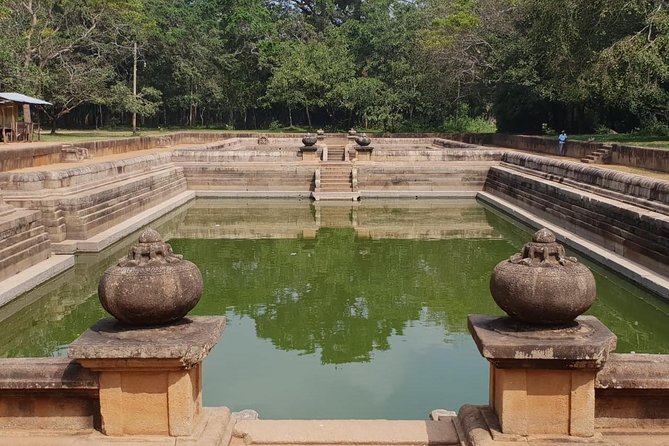
- The Cultural Triangle of Sri Lanka is home to ancient relics and archaeological sites, showcasing the architectural and artistic achievements of the past.
- The preservation efforts in the Cultural Triangle ensure that cultural treasures are intact, symbolizing national pride and commitment to cultural preservation.
- The architectural wonders in Anuradhapura, Polonnaruwa, and Kandy, including unique styles, magnificent stupas, stone sculptures, and intricately designed temples, contribute to the awe-inspiring architecture of the region.
- The Cultural Triangle encompasses must-visit ancient cities such as Anuradhapura and Polonnaruwa, where visitors can enjoy local traditions, cultural experiences, and witness iconic landmarks like the Sacred Bodhi tree and the Gal Vihara.
👉 See our pick of the 14 Best Shopping Tours In Colombo
Historical Significance of the Cultural Triangle
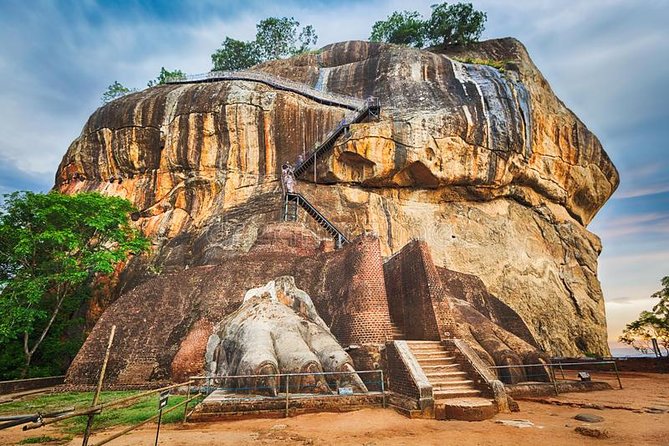
The historical significance of the Cultural Triangle in Sri Lanka lies in its rich collection of ancient relics and archaeological sites. This region, located in the heart of the country, is home to some of the most important historical artifacts in South Asia. From the ancient city of Anuradhapura to the magnificent rock fortress of Sigiriya, the Cultural Triangle showcases the country’s rich cultural heritage and its commitment to cultural preservation.
The Cultural Triangle is a treasure trove of historical artifacts that offer a glimpse into the ancient civilizations that once thrived in Sri Lanka. The ruins of ancient cities, temples, and palaces provide valuable insights into the architectural and artistic achievements of the past. The meticulous preservation efforts in this region ensure that future generations can appreciate and learn from these cultural treasures.
Visiting the Cultural Triangle is like taking a step back in time. As you explore the ancient sites, you can’t help but imagine the vibrant life that once filled these places. From the intricate carvings on the temple walls to the grandeur of the palace ruins, every corner of the Cultural Triangle tells a story of a bygone era.
Along With its historical significance, the Cultural Triangle is also a testament to Sri Lanka’s commitment to cultural preservation. Efforts to conserve and protect these ancient sites have been ongoing for decades, ensuring that they remain intact for future generations. The Cultural Triangle isn’t just a tourist attraction; it’s a symbol of national pride and a testament to the country’s rich cultural heritage.
You can also read our reviews of more tours and experiences in Colombo.


UNESCO World Heritage Sites in the Cultural Triangle
One of the notable features of the Cultural Triangle in Sri Lanka is its collection of UNESCO World Heritage Sites. These sites showcase the rich history and cultural significance of the region. Here are some key points to know about the UNESCO World Heritage Sites in the Cultural Triangle:
Sigiriya: Also known as the Lion Rock, it’s a stunning fortress and palace built on top of a massive rock. The intricate frescoes, beautiful gardens, and breathtaking views make it a must-visit site.
Polonnaruwa: This ancient city was the capital of Sri Lanka during the 11th and 12th centuries. It’s home to well-preserved ruins, including grand palaces, temples, and statues.
When planning a visit to the Cultural Triangle, it’s important to consider the best time to go. The months of December to April offer the most favorable weather conditions, with less rainfall and cooler temperatures. Plus, keep an eye out for upcoming events in the Cultural Triangle, such as cultural festivals and traditional performances, to enhance your experience and learn about the local culture.
Architectural Wonders of the Cultural Triangle
Visitors to the Cultural Triangle of Sri Lanka are captivated by the architectural wonders that adorn this UNESCO World Heritage Site. Architectural preservation in the cultural triangle is of utmost importance, as it showcases the rich history and cultural influences on the architecture in the area.
The triangle is home to three ancient cities – Anuradhapura, Polonnaruwa, and Kandy – each with its own unique architectural style. In Anuradhapura, the magnificent Dagobas (stupas) stand tall, showcasing the mastery of ancient engineering.
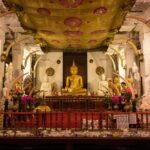
Polonnaruwa, on the other hand, boasts stunning stone sculptures and intricately designed temples. In Kandy, the Temple of the Tooth Relic is a prime example of traditional Sri Lankan architecture.
The combination of these architectural wonders, along with the cultural influences, makes the Cultural Triangle a truly awe-inspiring destination for travelers.
Must-Visit Ancient Cities in the Cultural Triangle
Showcasing the rich history and cultural influences on the architecture in the area, the must-visit ancient cities in the Cultural Triangle of Sri Lanka offer a captivating glimpse into the past. These cities provide cultural experiences and a chance to take in local traditions.
Anuradhapura: This ancient city was the first capital of Sri Lanka and is home to numerous Buddhist temples, stupas, and ancient ruins. Visitors can explore the sacred Bodhi tree, believed to be the oldest recorded tree in the world.
Polonnaruwa: Known for its well-preserved ruins, Polonnaruwa offers a fascinating insight into the medieval kingdom of Sri Lanka. The city features ancient palaces, temples, and statues, including the iconic Gal Vihara, a collection of enormous Buddha statues.
These ancient cities aren’t only architectural wonders but also provide an opportunity to connect with the rich cultural heritage of Sri Lanka, making them a must-visit for any traveler seeking a deeper understanding of the country’s past.
Cultural and Religious Festivals in the Cultural Triangle
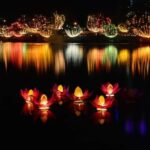
The Cultural Triangle of Sri Lanka hosts a variety of cultural and religious festivals throughout the year. These festivals showcase the rich heritage and traditions of the region, providing visitors with a unique opportunity to enjoy the vibrant culture of Sri Lanka. Traditional music and dance performances are a highlight of these festivals, with colorful costumes, rhythmic beats, and graceful movements captivating the audience. Plus, traditional crafts and artisans play a significant role in these festivities, displaying their skills and craftsmanship through intricate creations. To give you a glimpse of the festivals in the Cultural Triangle, here is a table showcasing four popular events:
| Festival Name | Date | Location |
|---|---|---|
| Kandy Esala Perahera | July/August | Kandy |
| Poson Poya Festival | June | Anuradhapura |
| Navam Perahera | February | Colombo |
| Vesak Festival | May | Polonnaruwa, Anuradhapura, Kandy |
These festivals are not only a celebration of Sri Lankan culture and religious traditions, but they also provide a unique and unforgettable experience for visitors.


Natural Attractions Surrounding the Cultural Triangle
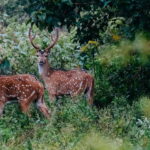
Surrounded by breathtaking natural beauty, the Cultural Triangle of Sri Lanka offers visitors a myriad of captivating attractions. Here are some of the natural wonders that await exploration:
Wildlife Sanctuaries
Yala National Park: Home to a diverse range of animals including elephants, leopards, and crocodiles, Yala National Park is a must-visit for wildlife enthusiasts.
Minneriya National Park: Known for its large gatherings of elephants, this park also offers the chance to spot various bird species and other wildlife.
Eco Tourism Opportunities
Horton Plains National Park: With its stunning landscapes, including the famous World’s End viewpoint, Horton Plains National Park is perfect for hiking and birdwatching.
Sinharaja Forest Reserve: A UNESCO World Heritage Site, this tropical rainforest is a hotspot for eco-tourism, offering opportunities for nature walks and birdwatching.
These natural attractions surrounding the Cultural Triangle provide a chance to connect with nature, observe diverse wildlife, and experience the wonders of eco-tourism in Sri Lanka.
Exploring the Local Cuisine in the Cultural Triangle
Visitors to the Cultural Triangle of Sri Lanka can explore the local cuisine and savor the authentic flavors that abound in the region. The local food experiences in the Cultural Triangle are a delightful blend of diverse flavors and traditional cooking methods. From aromatic rice dishes to spicy curries and fresh seafood, there is something to satisfy every palate. To give you a visual representation of the local cuisine, here is a table showcasing some popular dishes:
| Dishes | Description | Cooking Method |
|---|---|---|
| Kottu Roti | Chopped roti with vegetables and meat | Stir-frying |
| Hoppers | Bowl-shaped pancakes | Fermenting and steaming |
| Pol Sambol | Coconut relish | Grinding and mixing |
| Fish Ambulthiyal | Sour and spicy fish curry | Slow cooking in clay pots |
These dishes are prepared using traditional cooking methods that have been passed down through generations. Exploring the local cuisine in the Cultural Triangle is not only a treat for the taste buds but also a chance to explore the rich culinary heritage of Sri Lanka.
Common Questions
How Can I Book a Tour to Explore the Cultural Triangle of Sri Lanka?
To book a tour to explore the Cultural Triangle of Sri Lanka, travelers can find various tour packages available online. They can choose from a range of options and select local guides to enhance their experience.
What Is the Best Time of Year to Visit the Cultural Triangle?
The best time to visit the Cultural Triangle is during the dry season, which typically runs from May to September. During this time, travelers can explore ancient ruins, enjoy the best accommodation options, savor local cuisine, and dine at excellent restaurants.
Are There Any Specific Dress Code Requirements for Visiting Religious Sites in the Cultural Triangle?
There are dress code requirements when visiting religious sites in the Cultural Triangle. It is important to respect local customs and dress modestly, covering shoulders and knees.
Can I Visit All the UNESCO World Heritage Sites in the Cultural Triangle in a Single Day?
Exploring the Sigiriya rock fortress and other UNESCO World Heritage sites in the Cultural Triangle of Sri Lanka in a single day is not feasible without a tour guide due to the vastness of the area and the need for expert knowledge.
Are There Any Safety Precautions or Health Considerations to Keep in Mind While Visiting the Cultural Triangle?
Safety precautions and health considerations should be kept in mind while visiting the Cultural Triangle. Travelers should follow any local guidelines, stay hydrated, wear appropriate clothing, and take necessary precautions against insect bites and sun exposure.
The Sum Up
To sum it up, the Cultural Triangle of Sri Lanka is a captivating region that takes visitors on a journey through the country’s rich history and cultural heritage.
With its UNESCO World Heritage Sites, ancient cities, architectural wonders, and vibrant festivals, the Cultural Triangle offers a unique tapestry of Sri Lankan culture.
From exploring awe-inspiring ruins to indulging in local cuisine, this region promises an unforgettable experience that will transport you back in time and leave you with a deeper appreciation for Sri Lanka’s cultural legacy.