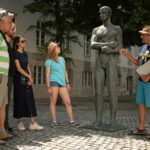
The Cold War Walking Tour of Berlin offers a unique chance to explore this iconic city’s history during a tumultuous period. Led by expert guides, you will visit notable sites like the Berlin Wall Memorial and the Former Stasi, gaining insights into life in the German Democratic Republic.
With opportunities to ask questions, take photos, and browse exhibits, this immersive tour provides a comprehensive understanding of the significance of the Wall’s fall and the end of the Cold War.
- Quick Takeaways
- Overview and Tour Highlights
- History of Berlin During the Cold War
- Cold War Attractions and Sites
- Living in the German Democratic Republic
- Escape Attempts and Remarkable Stories
- Berlin Wall Memorial and Former Stasi
- Significance of the Fall of the Wall and the End of the Cold War
- Significance of the Fall of the Wall and the End of the Cold War
- Common Questions
- What Is the Duration of the Cold War Walking Tour of Berlin?
- Is Transportation Included in the Tour?
- Are There Any Age Restrictions for Participating in the Tour?
- Can the Tour Accommodate Individuals With Mobility Issues?
- Are There Any Additional Costs or Fees Associated With the Tour?
- The Sum Up
- The Best Of Berlin!
- More Walking Tours in Berlin
- More Tours in Berlin
- More Tour Reviews in Berlin
- Not for you? Here's more nearby things to do in Berlin we have reviewed
Quick Takeaways

- Berlin changed from the capital city of Nazi Germany into the pivotal city in a struggle to control war-torn Europe after World War II.
- The tour explores the history of Berlin, from its founding to its division during the Cold War.
- Participants will retrace the trail of the death strip and the Berlin Wall.
- The tour aims to convey the significance of the fall of the Wall and the end of the Cold War.
👉 See our pick of the 2 Best 3 Day Tours In Berlin
Overview and Tour Highlights

The tour offers participants an opportunity to explore the history and highlights of the Cold War in Berlin. With its focus on tour logistics and positive feedback from visitors, this points provides an overview of what participants can expect.
Starting at 10:00 AM, the tour begins outside Friedrichstrasse train station and ends at Alexanderplatz in Berlin. Along the way, you will visit popular Cold War attractions such as the Berlin Wall Memorial and former Stasi (DDR secret police). They’ll have the chance to retrace the trail of the death strip and the Berlin Wall, walking along Bernauer Strasse where remarkable escape attempts occurred.
Throughout the tour, visitors will have opportunities to ask questions, take photos, and browse exhibits and museums. Positive feedback from previous participants highlights the knowledge and storytelling abilities of the tour guides, making this an engaging and insightful experience.
You can also read our reviews of more walking tours in Berlin



History of Berlin During the Cold War
During the Cold War, Berlin experienced significant political and social changes as it became a focal point in the struggle for control over war-torn Europe.
The city was divided into East and West Berlin, with the Berlin Wall serving as a physical barrier between the two. This division had a profound impact on the architecture and infrastructure of Berlin.
The Wall not only separated families and friends, but it also led to the creation of a ‘death strip’ that included watchtowers, barbed wire, and mines. The divided city became a symbol of the ideological conflict between the East and the West.
Today, remnants of the Wall can still be seen throughout Berlin, reminding visitors of the city’s turbulent past.
The Cold War walking tour offers a unique opportunity to explore these historical sites and gain a deeper understanding of Berlin’s role in this global conflict.
Cold War Attractions and Sites
One of the most notable Cold War attractions and sites in Berlin is the Berlin Wall Memorial. This memorial serves as a powerful reminder of the division that once separated the city.
As visitors explore this site, they can witness the remnants of the Berlin Wall, symbolizing the struggles and sacrifices endured during the Cold War.
Plus, the tour offers the opportunity to visit underground ghost stations, which were abandoned subway stations located in East Berlin during the division. These ghost stations stand as eerie reminders of the physical and ideological barriers that once existed.
Walking along the path of the Berlin Wall and visiting these ghost stations allows visitors to truly grasp the historic significance and emotional impact of the Cold War in Berlin.
Living in the German Democratic Republic
Visitors on the Cold War walking tour of Berlin can gain insights into what it was like to reside in the German Democratic Republic, as they explore the city’s history and landmarks.
Daily life in the German Democratic Republic was heavily influenced by the surveillance state that existed during the Cold War era. The government closely monitored its citizens through the Stasi, the secret police force. People lived with the constant fear of being watched and reported on by their neighbors and colleagues.
This atmosphere of suspicion affected all aspects of daily life, from work to social interactions. However, despite the oppressive regime, the people of the German Democratic Republic found ways to resist and maintain their own sense of identity.
The Cold War walking tour offers a unique opportunity to understand the complexities of living in this surveillance state.
Escape Attempts and Remarkable Stories
The Cold War walking tour of Berlin delves into the remarkable stories and daring escape attempts that occurred within the divided city. Participants will be captivated by personal accounts of individuals who risked everything in their quest for freedom.
Here are four examples of escape attempts and remarkable stories that will evoke emotion in the audience:
A family’s harrowing journey through underground tunnels to reach the West, narrowly avoiding capture by the East German authorities.
The heart-wrenching tale of a young couple who devised an ingenious plan to escape by hiding inside a car being transported across the border.
The daring escape of a courageous East German soldier who defected to the West, leaving behind his family and risking his life for a chance at freedom.
The incredible story of a group of friends who built a homemade hot air balloon and flew over the Berlin Wall, defying all odds.
These personal accounts bring to life the immense courage and determination of those who sought to break free from the oppressive grip of the Cold War era.





Berlin Wall Memorial and Former Stasi
A significant stop on the Cold War walking tour of Berlin is the Berlin Wall Memorial, where visitors can explore the remnants of the iconic barrier that once divided the city. The memorial serves as a poignant reminder of the division and oppression experienced by the people of Berlin during the Cold War. It’s an important site for understanding the historical significance of the Berlin Wall and its impact on the city and its inhabitants.
The preservation of the Berlin Wall allows visitors to visualize the physical structure that stood as a symbol of political and ideological tension. Plus, the tour includes a visit to the Former Stasi headquarters, where visitors can learn about the extensive surveillance and control exerted by the Stasi, the East German secret police. This offers a deeper understanding of the daily lives and challenges faced by Berliners during this period of history.
Significance of the Fall of the Wall and the End of the Cold War
Significance of the Fall of the Wall and the End of the Cold War
Highlighting the transformative event in history, the fall of the Wall marked the end of the Cold War, bringing about significant changes in global political dynamics. Its impact on Europe and the geopolitical consequences were profound.
Peace and Reunification: The fall of the Wall symbolized the end of the division between East and West Germany, leading to the reunification of the country and the restoration of peace in Europe.
End of the Soviet Union: The fall of the Wall also marked the decline and eventual collapse of the Soviet Union, ending the dominance of the communist bloc and shifting the balance of power in the world.
Expansion of NATO: With the Cold War coming to an end, NATO expanded its membership, incorporating former Eastern Bloc countries into its alliance, thereby strengthening European security.
Democratization: The fall of the Wall paved the way for the spread of democracy throughout Eastern Europe, as countries transitioned from authoritarian rule to democratic governance.
The fall of the Wall and the end of the Cold War brought about a new era of peace, cooperation, and freedom in Europe, reshaping the global political landscape.
Common Questions
What Is the Duration of the Cold War Walking Tour of Berlin?
The duration of the Cold War walking tour of Berlin varies depending on the specific tour package chosen. Participants can expect to spend several hours exploring the highlights of Berlin’s Cold War history.
Is Transportation Included in the Tour?
Yes, transportation is included in the tour. Participants will meet the expert local guide outside Friedrichstrasse train station. This ensures accessibility and convenience for everyone joining the Cold War walking tour of Berlin.
Are There Any Age Restrictions for Participating in the Tour?
There are no age restrictions for the Cold War Walking Tour of Berlin. The tour is designed to be accessible for individuals with disabilities, allowing everyone to experience and learn about the city’s history.
Can the Tour Accommodate Individuals With Mobility Issues?
Yes, the tour can accommodate individuals with mobility issues. Accessibility options are available, and alternative tours can be arranged to cater to specific needs. Participants can enjoy the tour without limitations.
Are There Any Additional Costs or Fees Associated With the Tour?
Yes, there are no additional costs or tour fees associated with the Cold War Walking Tour of Berlin. Participants can enjoy the tour without having to worry about any extra expenses.
The Sum Up
To sum it up, the Cold War Walking Tour of Berlin offers a captivating journey through the city’s tumultuous history.
From the rise and fall of the Berlin Wall to the stories of those who lived under the watchful eye of the German Democratic Republic, this tour provides a deep understanding of the significance of the Cold War era.
With expert guides, immersive experiences, and iconic sites, participants are sure to gain a comprehensive insight into this pivotal period in history.