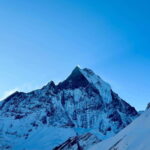
Nestled amidst the majestic peaks of the Himalayas, where the air is both crisp and thin, lies a journey that juxtaposes the thrill of adventure with the tranquility of nature.
The Classic Everest Base Camp Trek beckons intrepid explorers to embark on a quest that will test their physical limits and reward them with unparalleled views of the world’s highest mountain.
From the vibrant Sherpa villages dotted along the trail to the ancient monasteries that whisper tales of spiritual enlightenment, this trek promises an experience like no other.
But what lies beyond the well-trodden path? What hidden wonders await those who dare to venture further?
- Good To Know
- Trekking Route Overview
- Essential Gear and Equipment
- Acclimatization and Altitude Sickness
- Accommodation and Food
- Highlights of the Trek
- Safety Tips and Precautions
- Cultural Insights and Local Interactions
- Best Time to Trek and Weather Conditions
- Common Questions
- How Do I Get to the Meeting Point in Kathmandu, Nepal?
- Is Transportation Provided From the Airport to the Meeting Point?
- Can I Join a Group Tour or Is It Only Private Tours?
- What Is the Cancellation Policy for This Trek?
- Are There Any Age Restrictions for Participating in This Trek?
- The Sum Up
- The Best Of Kathmandu!
- More Hiking & Trekking Tours in Kathmandu
- More Tour Reviews in Kathmandu
- Not for you? Here's more nearby things to do in Kathmandu we have reviewed
Good To Know
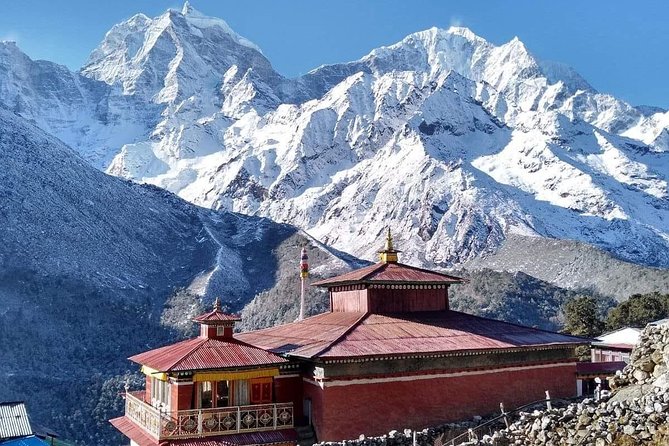
- The Classic Everest Base Camp Trek starts in Lukla, Nepal and includes steep ascents, rocky paths, and suspension bridges.
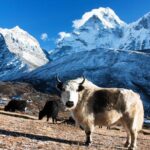
- Trekkers may encounter wildlife such as Himalayan Tahr, musk deer, and snow leopards along the trek.
- Challenges include acclimatizing to high altitudes, navigating unpredictable weather, and enduring long hours of walking.
- The reward of the trek is reaching Everest Base Camp and witnessing the world’s tallest peak, along with breathtaking views of Himalayan peaks and the beauty of the Khumbu region.
👉 See our pick of the 14 Best Shopping Tours In Kathmandu
Trekking Route Overview
The trekking route to Everest Base Camp offers a thrilling and awe-inspiring adventure through the stunning landscapes of the Himalayas.
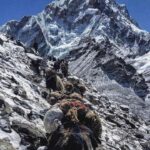
The journey begins in Lukla, a small town in Nepal, and takes trekkers through various challenging terrains, including steep ascents, rocky paths, and suspension bridges.
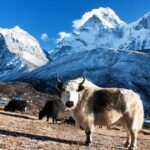
Along the way, adventurers can expect to encounter a diverse range of local wildlife, such as Himalayan Tahr, musk deer, and snow leopards.
The trekking challenges include acclimatizing to high altitudes, navigating unpredictable weather conditions, and enduring long hours of walking.
However, the reward of reaching Everest Base Camp and standing in the shadow of the world’s tallest peak makes every step worth it.
This trekking route isn’t only physically demanding but also offers an opportunity to take in the breathtaking beauty of the Himalayas and witness the unique wildlife that calls this region home.
You can also read our reviews of more hiking tours in Kathmandu
Essential Gear and Equipment
Continuing the exhilarating journey through the stunning landscapes of the Himalayas, adventurers embarking on the Everest Base Camp trek must come prepared with essential gear and equipment to ensure a safe and successful expedition. Here are three items that are crucial for this adventure:
Recommended brands: Investing in high-quality gear is essential for the demanding conditions of the Everest Base Camp trek. Brands such as The North Face, Patagonia, and Black Diamond are known for their durability and performance in extreme environments.
Proper clothing: Dressing appropriately for the trek is vital to stay comfortable and protected from the harsh elements. Layering is key, so pack moisture-wicking base layers, insulating mid-layers, and a waterproof outer shell. Don’t forget warm hats, gloves, and sturdy hiking boots to keep you warm and provide traction on the challenging terrain.
Other essential equipment: Besides clothing, adventurers should also bring important items like a sturdy backpack, a sleeping bag suitable for cold temperatures, a headlamp for navigating in the dark, trekking poles for stability, and a water purification system to stay hydrated throughout the journey.
With the right gear and equipment, adventurers can fully enjoy the awe-inspiring beauty of the Everest Base Camp trek and conquer the challenges that lie ahead.
Acclimatization and Altitude Sickness
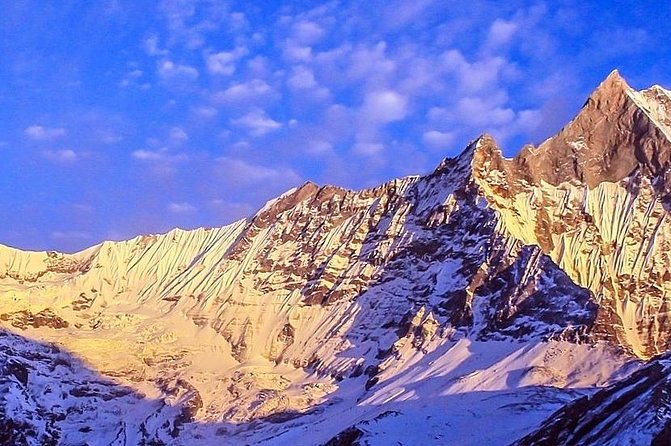
To ensure a safe and successful ascent to Everest Base Camp, acclimatization and awareness of altitude sickness are crucial. Trekking challenges at high altitudes can be physically demanding, and the risk of altitude sickness increases as you go higher. Acclimatization techniques are essential to help your body adjust to the thinning air and decrease the chances of altitude-related illnesses. Here are a few acclimatization techniques that trekkers can employ during their journey:
| Acclimatization Technique | Description |
|---|---|
| Gradual Ascent | Ascend slowly, allowing your body time to adapt to the changing altitude. Take rest days to acclimatize properly. |
| Hydration | Drink plenty of fluids to stay hydrated and help your body cope with the altitude. |
| Medication | Consult with a doctor about medications like Diamox that can help prevent altitude sickness. |
| Listen to Your Body | Pay attention to any symptoms of altitude sickness, such as headaches, dizziness, or shortness of breath, and descend if necessary. |
Accommodation and Food
Nestled amidst the breathtaking Himalayan landscape, trekkers on the Everest Base Camp adventure can expect a range of comfortable accommodations and delicious meals to fuel their journey.
The traditional meals served in the tea houses along the trek provide a taste of the local culture and cuisine. From steaming bowls of hearty dal bhat, a traditional Nepalese dish of lentil soup and rice, to momos, delicious dumplings filled with meat or vegetables, there’s something to satisfy every palate.
After a long day of trekking, travelers can look forward to cozy tea houses where they can relax and unwind, enjoying warm hospitality and a warm meal in the company of fellow adventurers.
Highlights of the Trek
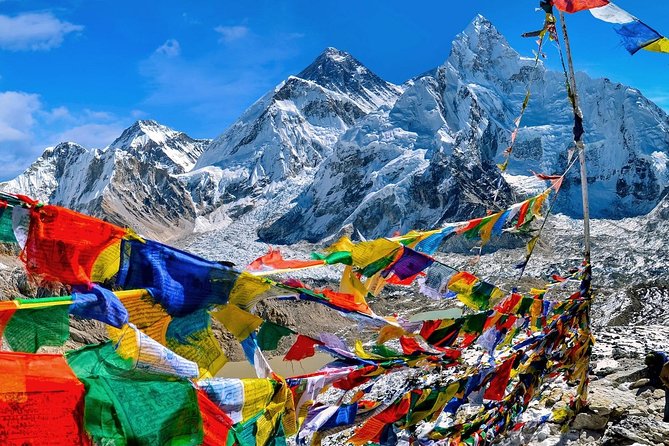
One can’t help but be captivated by the breathtaking vistas and exhilarating challenges that await on the Everest Base Camp trek. Trekking to Everest Base Camp offers a unique and unforgettable experience, filled with incredible highlights that will leave adventurers in awe.
The trek presents a series of trekking challenges, such as steep ascents, rocky trails, and high altitude, testing the physical and mental endurance of trekkers. However, the rewards are well worth it.
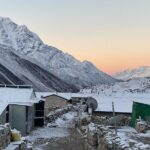
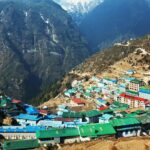
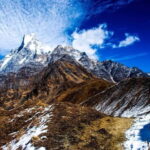
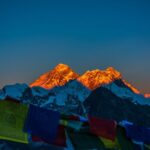
Along the way, trekkers will be treated to breathtaking views of the towering Himalayan peaks, including the iconic Mount Everest. The beauty of the Khumbu region, with its majestic glaciers, picturesque valleys, and vibrant Sherpa villages, adds to the overall charm of this remarkable journey.


Safety Tips and Precautions
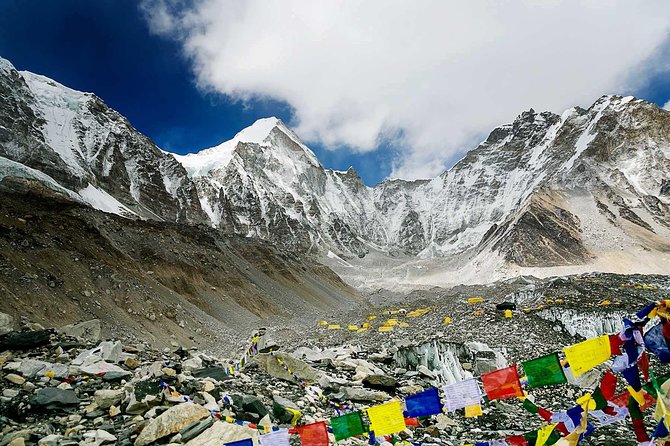
As adventurers embark on the remarkable journey to Everest Base Camp, it’s crucial to prioritize safety and take necessary precautions to ensure a successful and enjoyable trekking experience.
Here are some essential safety tips and precautions to keep in mind:
Stay hydrated: The high altitude can cause dehydration, so it’s important to drink plenty of water throughout the trek to avoid altitude sickness.
Acclimatize properly: Take the time to acclimatize at various points along the trek to allow your body to adjust to the altitude. This will help prevent altitude-related illnesses.
Pack an emergency kit: Be prepared for any unforeseen circumstances by carrying an emergency kit that includes a first aid kit, extra warm clothing, a flashlight, and a map.
Cultural Insights and Local Interactions
Enjoy the rich cultural tapestry of the Everest region as you embark on the trek to Everest Base Camp. This journey not only offers breathtaking views of the Himalayas but also provides an opportunity for culture and meaningful interactions with the local communities. The Sherpa people, known for their resilience and mountaineering expertise, inhabit the region and have a unique set of customs and traditions. To give you a glimpse of the local customs, here is a table showcasing some cultural insights:
| Local Custom | Description | Significance |
|---|---|---|
| Sherpa greeting | Namaste is the traditional greeting in the Everest region | Shows respect and goodwill |
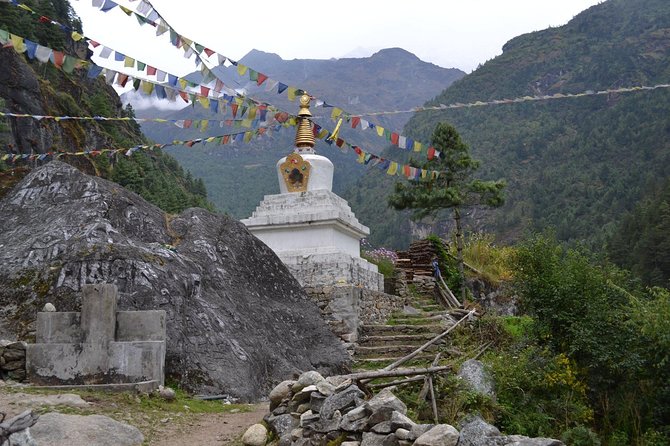
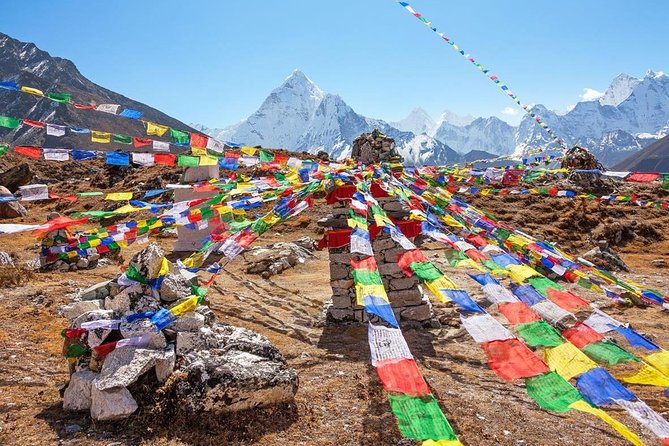
| Prayer flags | Colorful flags with prayers written on them | Symbolize blessings and good fortune |
| Mani walls | Stone walls with inscribed prayers | Believed to bring good karma and protection |
Interacting with the locals and participating in their customs will not only deepen your understanding of the region but also create a memorable and enriching experience.
Best Time to Trek and Weather Conditions
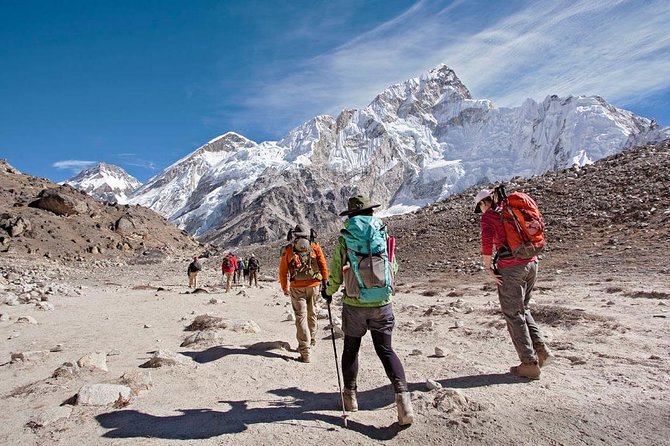
Embarking on the culture journey to Everest Base Camp also requires careful consideration of the best time to trek and the ever-changing weather conditions in the region. The Himalayas are known for their unpredictable weather patterns, so choosing the right time to undertake this adventure is crucial. Here are some insights to help you plan accordingly:
- Spring (March to May): The best time to trek, with mild temperatures and clear skies offering breathtaking views of the surrounding peaks.
- Autumn (September to November): Another ideal time, characterized by stable weather conditions and vibrant landscapes.
Recommended clothing: Layering is key. Pack warm base layers, fleece jackets, waterproof outerwear, hats, gloves, and sturdy hiking boots to combat the cold and protect against sudden weather changes.
Prepare yourself for an unforgettable journey through the majestic Himalayas, where the stunning beauty of the mountains is accompanied by the thrill of conquering nature’s challenges.
Common Questions
How Do I Get to the Meeting Point in Kathmandu, Nepal?
To get to the meeting point in Kathmandu, Nepal, they can head there directly or request a pickup. The meeting point address is Kathmandu 44600. The activity starts at 06:45 AM and ends back at the meeting point.
Is Transportation Provided From the Airport to the Meeting Point?
Transportation options are available for participants to get from the airport to the meeting point in Kathmandu. Meeting point arrangements can be made for pickup if needed, ensuring a convenient and hassle-free start to the activity.
Can I Join a Group Tour or Is It Only Private Tours?
Yes, participants have the option to join a group tour or take a private tour. Group tours allow for interaction with other travelers, while private tours offer more flexibility and personalized experiences.
What Is the Cancellation Policy for This Trek?
The cancellation policy for this trek follows a full refund if canceled up to 24 hours in advance. However, there is no refund for cancellations made less than 24 hours before the start time. Changes are also not accepted within 24 hours of the start time.
Are There Any Age Restrictions for Participating in This Trek?
Age requirements and health considerations are important factors to consider when participating in this trek. It is recommended to have a moderate physical fitness level and be in good health to fully enjoy the adventure.
The Sum Up
Embark on the adventure of a lifetime with the Classic Everest Base Camp Trek. This exhilarating journey will take you to the heart of Mount Everest, offering breathtaking landscapes and unforgettable experiences along the way.
With icicles adventure treks and tours, you can expect a personalized and intimate exploration of the stunning Himalayan region. Conquer challenging terrains, learn about Sherpa culture, and bask in the awe-inspiring views of snow-capped peaks.
Don’t miss your chance to reach the roof of the world and create memories that will last a lifetime.