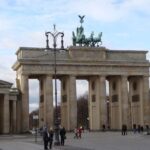
If you’re looking to uncover a side of Berlin that’s less about the Brandenburg Gate and more about bold visions for the future, the Modernist Architecture Tour in the Hansaviertel offers a fascinating peek into the city’s postwar rebuilding. This 2-hour guided walk takes you through one of Berlin’s most surprising neighborhoods—an area that exemplifies how architecture can reflect political ideals, resilience, and a desire for progress.
What we love about this experience is the way it seamlessly combines history, architecture, and social stories into a compact tour. We’re drawn to the chance to see work from iconic architects like Gropius and Niemeyer, appreciate the neighborhood’s elegant 19th-century villas, and learn about the resilience of Jewish communities lost to Nazi persecution. Plus, the opportunity to view a Cold War showcase of design makes this tour stand out.
A possible consideration is that since this is a walking tour lasting about two hours, it requires a reasonable level of mobility and comfort with standing and walking. Also, while the tour offers a wealth of insights, it’s primarily focused on architecture and history—so those expecting a more leisure-oriented experience might find it less engaging.
This tour is perfect for architecture buffs, history enthusiasts, and travelers eager to see Berlin from a different perspective—beyond the usual landmarks and into the realm of visionary urban design.
- Good To Know
- An In-Depth Look at the Tour Experience
- The Starting Point and Meeting Logistics
- The Neighborhood’s Early Days: 19th-Century Elegance
- Transition to Cold War Innovation: The 1957 Interbau
- Architectural Icons and Their Philosophies
- Social and Cultural Layers
- Practical Aspects and Comfort
- Why This Tour is Worth Considering
- Who Should Book This Experience?
- Final Thoughts
- FAQ
- The Best Of Berlin!
- More Tours in Berlin
- More Tour Reviews in Berlin
- Not for you? Here's more nearby things to do in Berlin we have reviewed
Good To Know
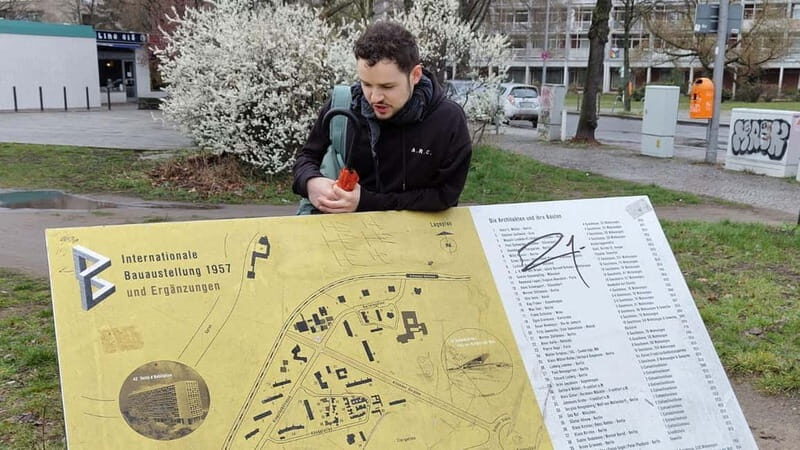
- Unique Neighborhood: Explore Berlin’s postwar modernist experiment, built as a showcase for new ideas in urban living.
- Historical Layers: Discover both the 19th-century elegance and the Cold War ambitions behind the district’s design.
- Architectural Icons: See works by Gropius, Niemeyer, Aalto, and other legendary architects, gaining insight into their visions.
- Cultural Depth: Visit a site linked to Jewish life impacted by Nazi persecution, adding a poignant historical element.
- Design Philosophy: Learn how Interbau 1957 turned wartime destruction into a symbol of innovation and cooperation.
- Authentic Experience: The tour combines storytelling about architects, residents, and Berlin’s social history in a lively, engaging style.
👉 See our pick of the 2 Best 3 Day Tours In Berlin
An In-Depth Look at the Tour Experience
You can also read our reviews of more tours and experiences in Berlin.


The Starting Point and Meeting Logistics
Your journey begins in front of the Berlin-Tiergarten S-Bahn station, right next to the Biergartenquelle, a cozy spot with a lively outdoor atmosphere. Look for guides with vibrant orange umbrellas—easy to spot in the bustling station area. This spot is centrally located, making it convenient to access from various parts of Berlin. The tour typically lasts about 2 hours, making it a perfect addition to a day of sightseeing without feeling rushed.
The Neighborhood’s Early Days: 19th-Century Elegance
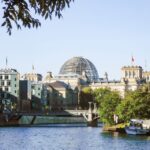
We start by walking through the area’s roots, where large villas and manicured gardens tell stories of Berlin’s prosperous middle and upper classes in the late 1800s. These buildings, with their ornate facades, give a contrasting backdrop to the later modernist structures. As we stroll, the guide shares interesting tidbits about notable residents such as Rosa Luxemburg and Käthe Kollwitz—figures who shaped Berlin’s social and political fabric.
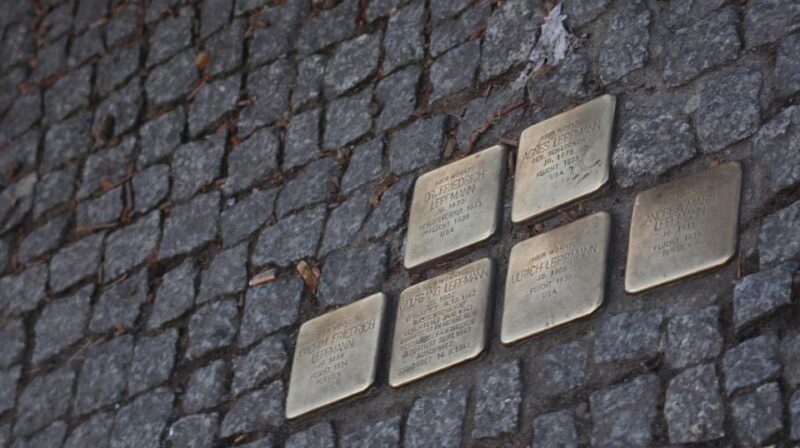
One poignant stop is the site of a historic Jewish community that was obliterated during Nazi rule. Here, a quiet but powerful memorial stands as a reminder of a lost way of life, making this part of the tour not just about architecture but about resilience and remembrance. Reviewers have appreciated this moment, with one noting that the guide “tells the story in a lively way and conveys many details,” adding emotional depth to the walk.
Transition to Cold War Innovation: The 1957 Interbau
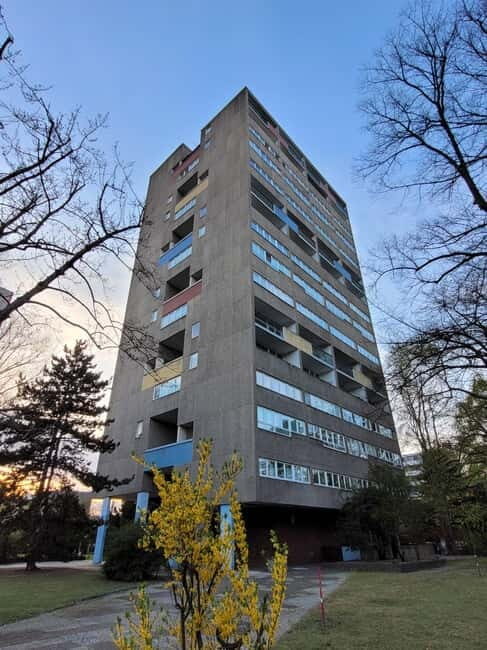
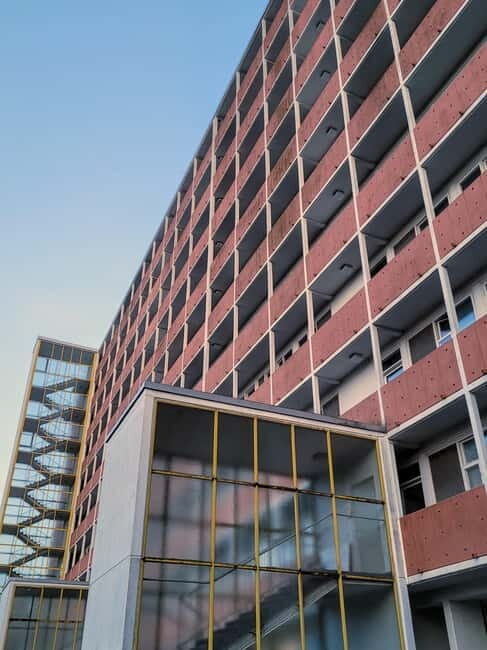
The dramatic shift occurs when the tour reaches the site of Interbau 1957, an international architecture exhibition that aimed to redefine urban life after WWII. This was Berlin’s response to destruction, transforming a battlefield of rubble into a showcase of modernist ideas. Here, bold designs by architects like Walter Gropius and Oscar Niemeyer come into view.
Walking among these structures, you’ll notice their experimentation with form, function, and materials—some provocative, others elegant. The guide explains how each building was meant to embody a new way of living, reflecting hopes for a more open, efficient, and optimistic future. As one review mentions, the tour “takes us on a journey through time, from the old part to the modern part,” highlighting how architecture can mirror societal shifts.
More Great Tours NearbyArchitectural Icons and Their Philosophies
Throughout the walk, we’re introduced to the ideas behind the buildings. For instance, Gropius’ modernist design embodies the ideals of the Bauhaus movement—simplicity, function, and the blending of art and industry. Niemeyer’s curves and organic forms challenge traditional notions of space, aiming to create environments that inspire creativity and social interaction.
We loved the way the guide responds to questions, offering deeper insights into each architect’s vision and influence. The structures are sometimes provocative, sometimes understated, but always thought-provoking. It’s clear this neighborhood was designed not just as housing but as a statement of a new, hopeful Berlin.




Social and Cultural Layers
Beyond architecture, the tour touches on the social history of the area. We learn about the residents’ lives, resistance movements, and efforts to reinvent the neighborhood over the decades. The story of how the district transitioned from an upscale enclave to a Cold War showcase and then to its current state adds richness to the experience.
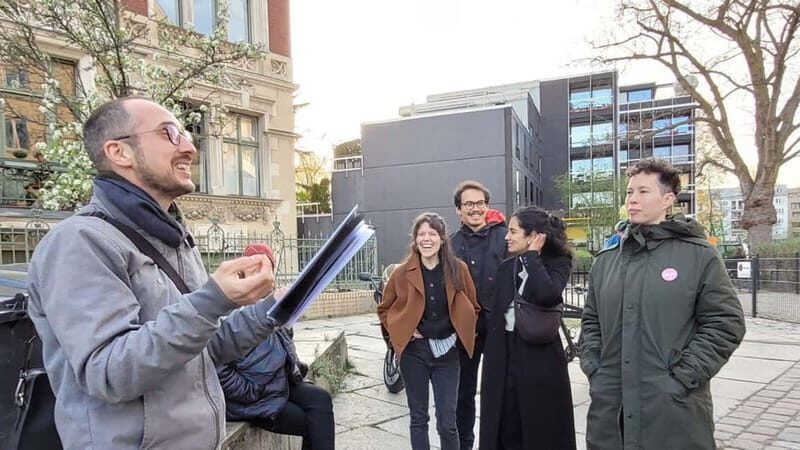
According to one reviewer, “Morgan takes us on a journey through time,” making the history come alive with lively storytelling and extensive knowledge. The guide’s ability to respond to a wide range of questions helps create a personalized experience that feels authentic and engaging.
Practical Aspects and Comfort
The tour is wheelchair accessible, which is great for those with mobility concerns. Since it’s primarily a walking experience, comfortable shoes and water are recommended. The group size tends to be manageable, allowing for interaction and personalized attention.
The cost is reasonable, considering the depth of knowledge and exclusive access to architectural sites. While it doesn’t include entry to nearby museums or monuments, the value lies in the storytelling and unique views you gain of Berlin’s postwar urban renewal.
Why This Tour is Worth Considering
This experience offers a rare glimpse into Berlin’s architectural innovation, set against the backdrop of its complex history. It’s a thoughtful way to see the city through a different lens—one that emphasizes creativity, resilience, and ideological visions. The tour’s length makes it accessible even for those with tight schedules but still eager to learn deeply about the city’s modern transformation.
The guides, especially Morgan, bring the stories to life, making architectural details accessible and engaging. If you’re someone who enjoys understanding the ideas behind buildings and appreciating their historical significance, this tour will resonate.
On the downside, those seeking a leisurely or non-walking experience might find it a bit brisk. Also, since the focus is mainly on architecture and history, travelers primarily interested in food, shopping, or leisure might prefer other kinds of tours.
Who Should Book This Experience?
- Architecture enthusiasts wanting to see iconic modernist designs.
- History lovers interested in Berlin’s social and political evolution.
- Design students and professionals seeking insight into influential architects.
- Travelers looking for a meaningful, educational walk that’s easy to combine with other sightseeing.
Final Thoughts
In essence, the Berlin Modernist Architecture Tour in the Hansaviertel offers an enriching and visually stimulating journey into Berlin’s postwar identity. It’s a chance to see how architecture can reflect societal hopes, resilience, and ideological conflicts. The tour manages to be both educational and inspiring, making it a great choice for those who want to add depth to their Berlin visit.
While it’s not a leisurely stroll for those with limited mobility, the experience rewards curiosity and a willingness to explore beyond the usual tourist sights. You’ll walk away with new appreciation for the city’s boldness, ingenuity, and layered history—plus some fantastic photo opportunities along the way.
This tour is best suited for those who love architecture, history, and cultural stories told by passionate guides. It’s a window into Berlin’s innovative spirit, told through buildings that still challenge and inspire today.
FAQ

Is the tour suitable for people with limited mobility?
Yes, it’s wheelchair accessible, and the walking is manageable in about two hours, but comfortable shoes are recommended.
What should I bring?
Comfortable shoes and water are advisable since the tour involves walking and standing.
Does the tour include entry to any museums or monuments?
No, it doesn’t include entry fees to other sites—it’s mainly a walking tour focusing on architecture and history.
Where exactly does the tour start and end?
It begins in front of the Berlin-Tiergarten S-Bahn station, next to the Biergartenquelle, and finishes at Hansaplatz.
Is there a guide available in languages other than English?
Yes, the tour is conducted in both German and English.
How long does the tour last?
Approximately 2 hours.
Can I cancel if my plans change?
Yes, you can cancel up to 24 hours in advance for a full refund.
Who leads the tour?
A knowledgeable local guide—Morgan has received praise for his lively storytelling and extensive knowledge.
Is this tour family-friendly?
While there’s no strict age limit, it’s recommended for ages 14 and up due to the historical and architectural content.
What makes this tour stand out?
The combination of modernist architecture, social history, and the stories behind Berlin’s rebuilding efforts make it a truly unique experience.