Berlin: A Third Reich Walking Tour offers a fascinating journey through one of the most significant periods in history. With over 70 years having passed since the end of World War II, it is estimated that nearly 80% of Berlin’s buildings were destroyed during the conflict.
Led by expert guides, this tour takes participants to the very locations where Hitler and the Third Reich left their indelible marks on the city. From Hitler’s New Reichs Chancellery to the haunting remains of the Führer Bunker, visitors gain a firsthand understanding of the events that shaped this dark chapter in Berlin’s past.
With its informative and engaging approach, this walking tour provides a unique opportunity to explore the secrets and history of the Third Reich.
- Good To Know
- History of Berlin During World War II
- Hitler’s Bunker and New Reichs Chancellery
- Goering’s Air Defence Ministry and Goebbels Propaganda Ministry
- The Imaginary Axis of Germania
- Soviet Attack and the Reichstag
- Review and Recommendations
- Common Questions
- How Long Is the Berlin: a Third Reich Walking Tour?
- What Languages Are the Live Tour Guides Fluent In?
- Is Pickup From the Hotel Included in the Tour?
- Can I Cancel the Tour and Get a Refund?
- Do I Need to Pay for the Tour in Advance or Can I Pay on the Day?
- The Sum Up
- The Best Of Berlin!
- More Walking Tours in Berlin
- More Tours in Berlin
- More Tour Reviews in Berlin
- Not for you? Here's more nearby things to do in Berlin we have reviewed
Good To Know
- Learn about the history of Berlin during World War II.
- Explore significant sites related to Hitler and the Third Reich, such as the Führer Bunker and Hitler’s New Reichs Chancellery.
- Visit the Topography of Terror exhibit and the Soviet War Memorial.
- Gain a deeper understanding of the events and locations that shaped the 20th century.
👉 See our pick of the 2 Best 3 Day Tours In Berlin
History of Berlin During World War II

During World War II, Berlin experienced significant historical events that shaped the city’s trajectory.
Berlin, the capital of Nazi Germany, played a central role in the war as the headquarters of Adolf Hitler and the Nazi regime.
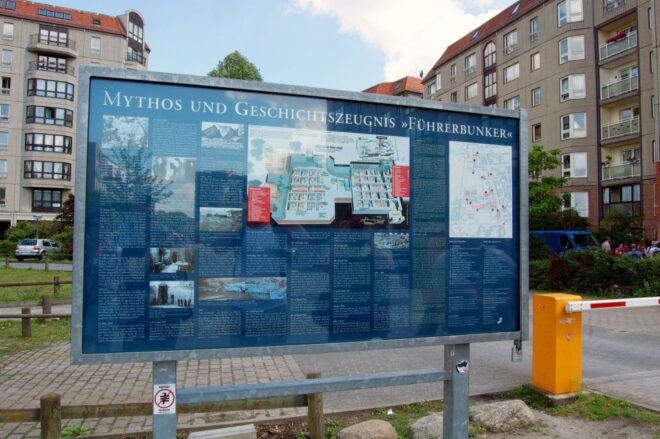
One of the most infamous events that occurred in Berlin during this time was Hitler’s suicide in the Führer Bunker. Located beneath the New Reich Chancellery, the Führer Bunker was where Hitler spent his final days before taking his own life on April 30, 1945.
This event marked the end of the war for Germany and had far-reaching consequences for the city and its inhabitants.
The Führer Bunker has since become a site of historical significance, attracting visitors who want to learn more about the dark history of Berlin during World War II.
You can also read our reviews of more walking tours in Berlin

Hitler’s Bunker and New Reichs Chancellery
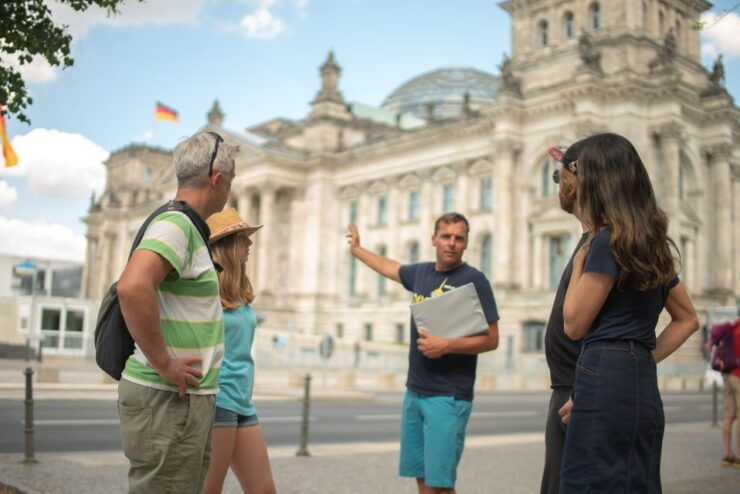
The New Reichs Chancellery and Hitler’s Bunker hold significant historical importance in Berlin’s dark past during World War II. Located underground, Hitler’s bunker was the site where the infamous dictator took his own life in April 1945. This underground complex, known as the Führerbunker, was where Hitler spent his final days before the fall of the Third Reich. It’s a chilling reminder of the atrocities that took place during that time.
The New Reichs Chancellery, on the other hand, was the seat of power for Nazi Europe. It was here that Hitler conducted his affairs and made decisions that would shape the course of history. Exploring these underground locations provides a glimpse into Berlin’s underground history and the horrors of the Nazi regime.
Goering’s Air Defence Ministry and Goebbels Propaganda Ministry
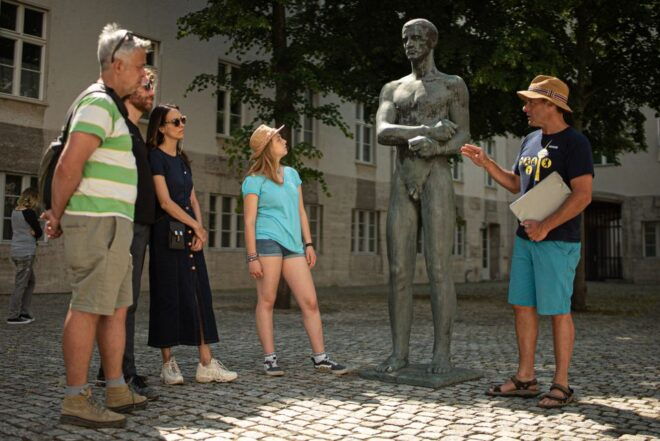
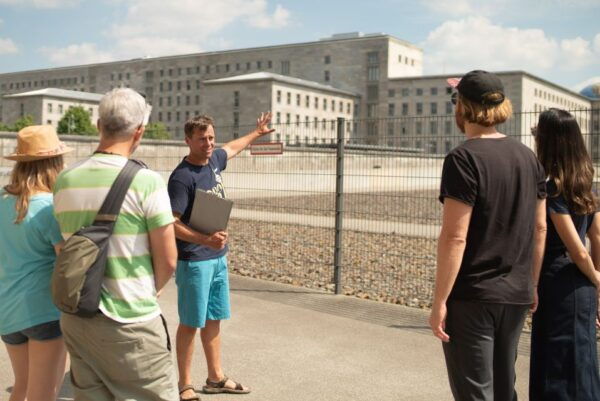
Located adjacent to Hitler’s Bunker and the New Reichs Chancellery, visitors can explore Goering’s Air Defence Ministry and Goebbels Propaganda Ministry, which played significant roles in the operations and propaganda machine of the Nazi regime.
Goering’s Air Defence Ministry: This imposing building served as the headquarters for the Luftwaffe, the German air force. From here, Hermann Goering, the commander-in-chief of the Luftwaffe, coordinated the Battle of Britain and other air defense strategies.
Goebbels Propaganda Ministry: Joseph Goebbels, the Minister of Propaganda, controlled the dissemination of information and shaped public opinion through his ministry. This building witnessed the production of propaganda materials, including newspapers, films, and radio broadcasts, all aimed at promoting the ideology of the Nazi regime.
Symbolic Power: Both ministries symbolized the power and control exerted by the Nazi regime. Goering’s Air Defence Ministry showcased the military might of the Luftwaffe, while Goebbels Propaganda Ministry represented the regime’s manipulation of information and the creation of a totalitarian state.
Historical Significance: Exploring these sites provides visitors with a deeper understanding of the mechanisms behind the Nazi regime’s operations and propaganda machine, shedding light on the dark history of Berlin during World War II.
The Imaginary Axis of Germania
The Imaginary Axis of Germania showcases the grand vision of Albert Speer, as he designed a monumental north-south axis that spanned from the towering Great Hall to the monumental arch, symbolizing the power and dominance of the Nazi regime.
Speer’s architectural designs were intended to create a sense of awe and intimidation, reflecting Hitler’s desire for a grand capital city that would solidify Germany’s status as a world power.
However, the realization of Germania never came to fruition, as Hitler’s suicide in the Führer Bunker marked the end of the Nazi regime.
The fate of Hitler’s remains and the ultimate downfall of the Third Reich serve as a haunting reminder of the dark history associated with the Imaginary Axis of Germania.
More Great Tours NearbySoviet Attack and the Reichstag
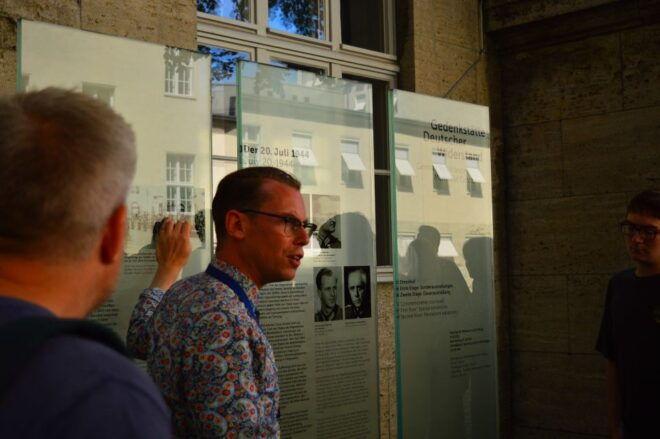
Exploring the Soviet attack and the Reichstag, visitors can witness the remnants of a significant event in Berlin’s history. Here are four key points to consider:
Soviet attack strategy: The Soviet Union launched a massive assault on Berlin in April 1945, aiming to capture the city and bring an end to World War II in Europe. Their strategy involved encircling the city and launching a two-pronged attack from the east and south.
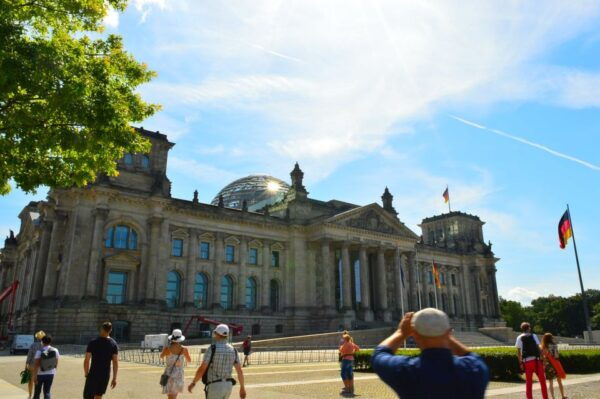
Impact of the Reichstag on the outcome of the war: The Reichstag, Germany’s parliament building, played a crucial role in the Soviet attack. It was fiercely defended by German troops, symbolizing the resistance of the Nazi regime. The capture of the Reichstag by Soviet forces on May 2, 1945, marked a significant turning point in the war and the imminent downfall of Hitler’s Third Reich.
Remnants of the Soviet attack: Today, visitors can still see the scars of the Soviet attack on the Reichstag. The building underwent extensive damage during the battle, with bullet holes and shrapnel marks left on its walls. The iconic image of the Soviet flag being raised atop the Reichstag remains a powerful symbol of victory over fascism.
Historical significance: The Soviet attack on the Reichstag represents a pivotal moment in Berlin’s history. It not only marked the end of Nazi rule but also symbolized the beginning of the Cold War era and the division of Berlin into East and West. Exploring this part of the city allows visitors to gain a deeper understanding of the events that shaped the world we live in today.




Review and Recommendations
After exploring the Soviet attack and the Reichstag, it’s time to explore the review and recommendations of the Berlin Third Reich Walking Tour.
This tour offers a captivating experience, providing insights into the history of Berlin during World War II. One of the highlights is the visit to the site of Hitler’s suicide in the Führer Bunker, where the guide provides a detailed account of his last days and the fate of his remains.
Another significant stop is the Soviet War Memorial, adorned with T34 Tanks and Red Army Howitzers, marking the final battlefield of the Reichstag.
Reviews from satisfied travelers praise the knowledgeable and approachable guides, the value for money, and the excellent organization of the tour.
If you’re interested in World War II history and want to explore Berlin’s dark past, this walking tour comes highly recommended.
Common Questions
How Long Is the Berlin: a Third Reich Walking Tour?
The Berlin: A Third Reich Walking Tour is a guided experience that explores historical sites connected to Hitler and the Third Reich. The tour’s duration is 3 hours, allowing participants to explore the city’s dark history.
What Languages Are the Live Tour Guides Fluent In?
The live tour guides on the Berlin: A Third Reich Walking Tour are fluent in English and German. They are highly qualified and provide authoritative commentary, offering a fascinating insight into the history of Berlin during World War II.
Is Pickup From the Hotel Included in the Tour?
Yes, there is a specific meeting point for the Berlin: A Third Reich Walking Tour. If you are not staying at a hotel in Berlin, you can still join the tour by meeting the guide at the designated location.
Can I Cancel the Tour and Get a Refund?
Yes, you can cancel the tour and receive a refund. The cancellation policy allows for a full refund if you cancel up to 24 hours in advance. Please check the specific tour details for any tour itinerary changes.
Do I Need to Pay for the Tour in Advance or Can I Pay on the Day?
Payment options for the tour include both advance payment and payment on the day. It is recommended to check availability for the desired tour time.
The Sum Up
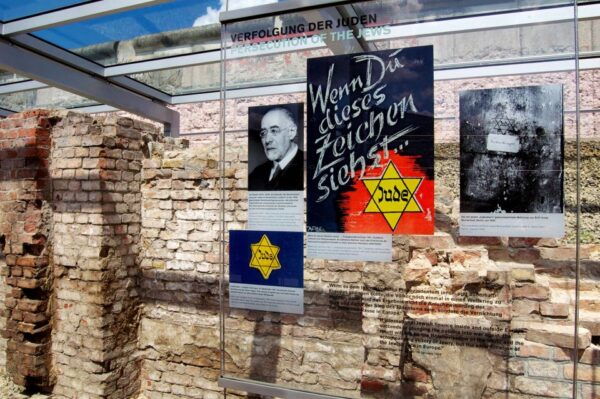
To sum it up, the Berlin: A Third Reich Walking Tour offers a captivating and educational experience for history enthusiasts looking to explore the dark past of Berlin during World War II.
Led by knowledgeable guides, visitors can explore significant locations tied to Hitler and the Third Reich, gaining insights into the secrets and events that unfolded during this defining period of the 20th century.
With its comprehensive approach and engaging commentary, this tour is a must-visit for those seeking a deeper understanding of Berlin’s role in the war.
You can check availability for your dates here: More Great Tours Nearby