Exploring Belgrade’s Socialist and Brutalist Architecture: A Closer Look
If you’re curious about how architecture can tell the story of a society, the Belgrade: Socialist Brutalist Architecture Private Tour offers an eye-opening journey through the city’s modernist past. This 2.5-hour experience takes you through a carefully curated selection of the city’s most striking buildings, each with its own story about Yugoslavia’s unique brand of socialism and urban planning.
What we love about this tour is how it combines expert commentary with authentic sights, providing a layered perspective on a society that once aimed to build a classless utopia. The guide, an art historian who grew up in a socialist housing block, offers personal insights that you wouldn’t find in a guidebook. The attention to detail in how these structures reflect political ideals and social realities makes this tour stand out.
A possible consideration might be the fast pace and focused scope—if you’re a architecture enthusiast or history buff, you’ll find it enriching, but those craving a leisurely, broad overview might feel a bit rushed. This experience appeals most to travelers interested in architecture, history, or the story behind Yugoslavia’s social experiments. It’s perfect for those who want a deeper understanding of Belgrade’s urban fabric beyond the usual tourist sights.
- Good To Know
- An In-Depth Look at the Tour Experience
- Starting Point: Museum of Contemporary Art
- Park of Friendship: The Heart of Yugoslav Unity
- Palace Serbia: A Look at Socialist Government Architecture
- Genex Tower: The Brutalist Icon
- Housing Block No. 23: Social Housing with a Personal Touch
- Sava Center: The Monumental Congress Hub
- Practical Details
- Group Size, Duration, and Accessibility
- Cost and Value
- Meeting Point and Flexibility
- Who Will Love This Tour?
- Consider this tour if you want to see iconic buildings not just for their looks, but for their stories—learning about Yugoslavia’s ambitions, struggles, and achievements through architecture. It’s perfect for those who enjoy deeper cultural context and authentic local perspectives.
- Final Thoughts
- FAQ
- The Best Of Belgrade!
- More Private Tours in Belgrade
- More Tours in Belgrade
- More Tour Reviews in Belgrade
- Not for you? Here's more nearby things to do in Belgrade we have reviewed
Good To Know
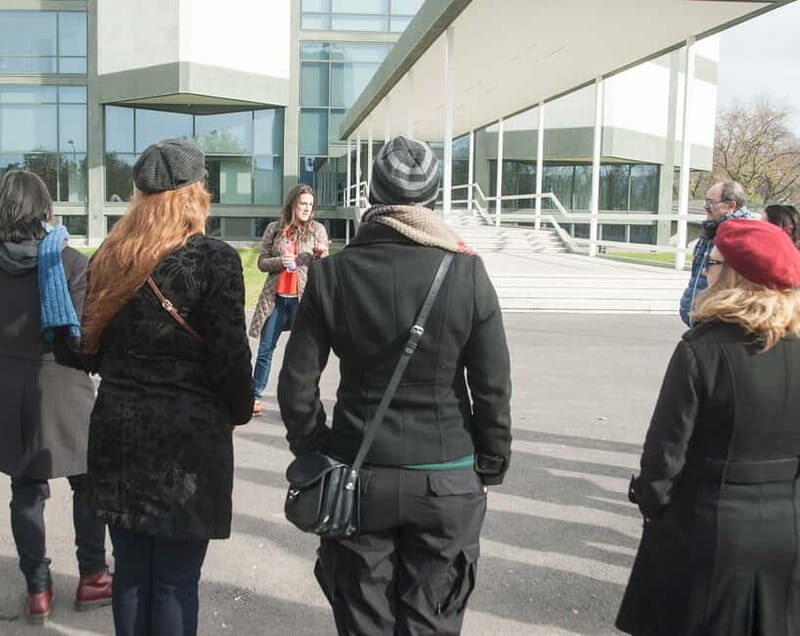
- Authentic Expertise: Led by an art historian who lived through it, offering personal stories and insider knowledge.
- Architectural Highlights: Focuses on five key buildings that exemplify socialist modernism and brutalism.
- History in Concrete: Learn how architecture reflects Yugoslavia’s political moves, from Cold War balancing acts to nationalist movements.
- Photo Opportunities: Iconic structures like the Western City Gate and the Yugoslav Congress Center make for striking photos.
- Insightful Context: Gain a new perspective on social housing, urban growth, and Yugoslav society’s aspirations.
- Value for Money: Free entry to venues plus expert guiding make this tour a cost-effective way to explore Belgrade’s modernist side.

👉 See our pick of the 5 Best 3 Day Tours In Belgrade
An In-Depth Look at the Tour Experience
You can also read our reviews of more private tours in Belgrade


Starting Point: Museum of Contemporary Art
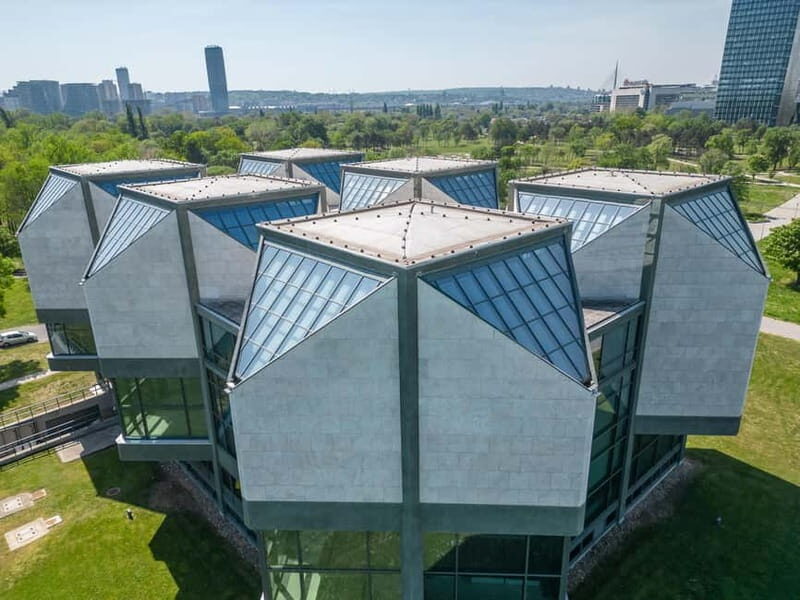
Your journey begins in front of the Museum of Contemporary Art, an architectural gem in itself. Built in the 1960s, its modernist form with marble facades surprisingly contradicts the typical image of socialist architecture. As your guide explains, the building’s design was chosen to project cultural prestige, making it a fitting starting point for your exploration of Belgrade’s architectural language.
The guide, an experienced art historian, shares not only facts but personal anecdotes about her childhood living in a socialist housing block. This adds a layer of authenticity that turns a sightseeing tour into a storytelling experience. You’ll appreciate how her firsthand knowledge helps you understand the social significance behind these structures.
Park of Friendship: The Heart of Yugoslav Unity
Next, your walk takes you to the Park of Friendship, a historic spot where the Non-Aligned Movement was founded in 1961. As you stroll among the trees planted by leaders of 120 countries, your guide discusses Yugoslavia’s unique position during the Cold War—straddling East and West, trying to maintain independence from both superpowers.
This park isn’t just about greenery; it’s a symbol of Yugoslavia’s attempt at forging a non-aligned path, and your guide explains how architecture in the surrounding area reflects this aspiration. It’s a quiet but powerful reminder of the nation’s diplomatic ambitions.
Palace Serbia: A Look at Socialist Government Architecture
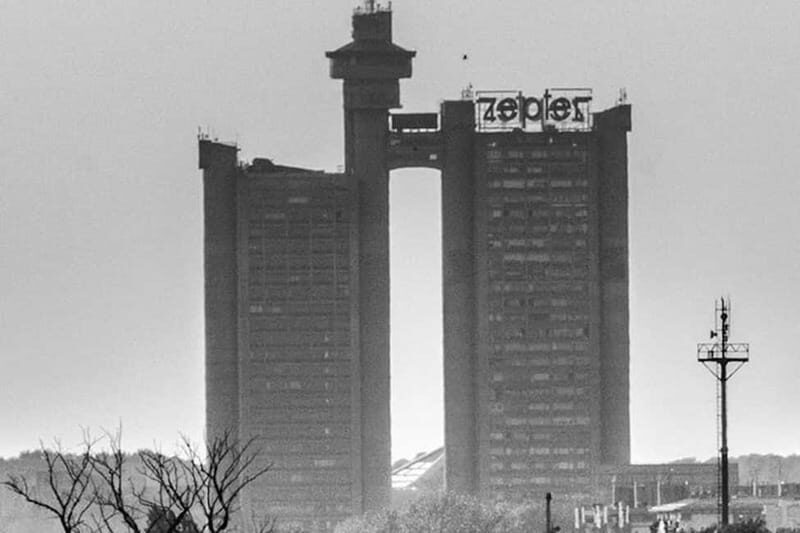
The next stop is Palace Serbia, a government building that tells a story of a nation in transition. Its modernist style was intended to impress both domestic and international visitors, showcasing Yugoslavia’s political stability. Your guide points out how its design was influenced by broader modernist trends but also adapted to reflect socialist ideals of order and progress.
Here, you’ll get a chance to ask questions about Yugoslav politics and how architecture played a role in political messaging. The guide highlights how the building’s construction coincided with a period of ideological shift, adding nuance to its appearance.
More Great Tours NearbyGenex Tower: The Brutalist Icon
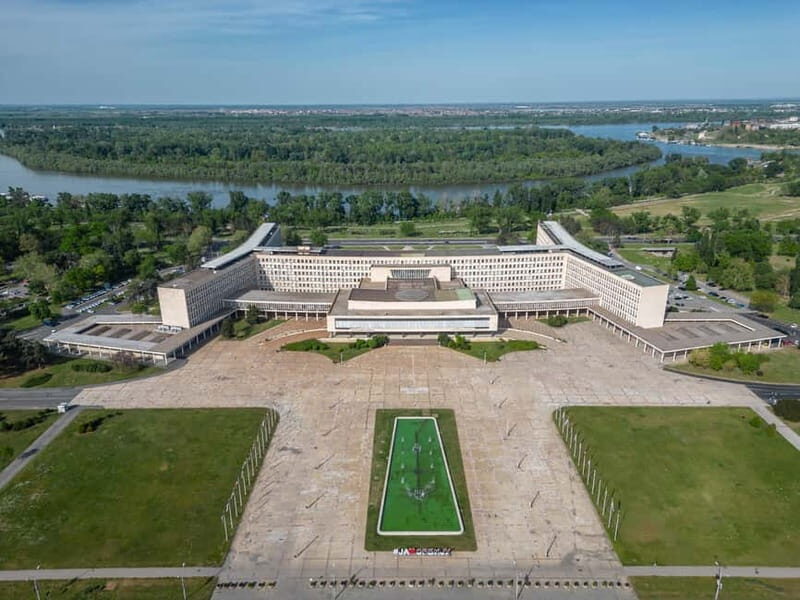
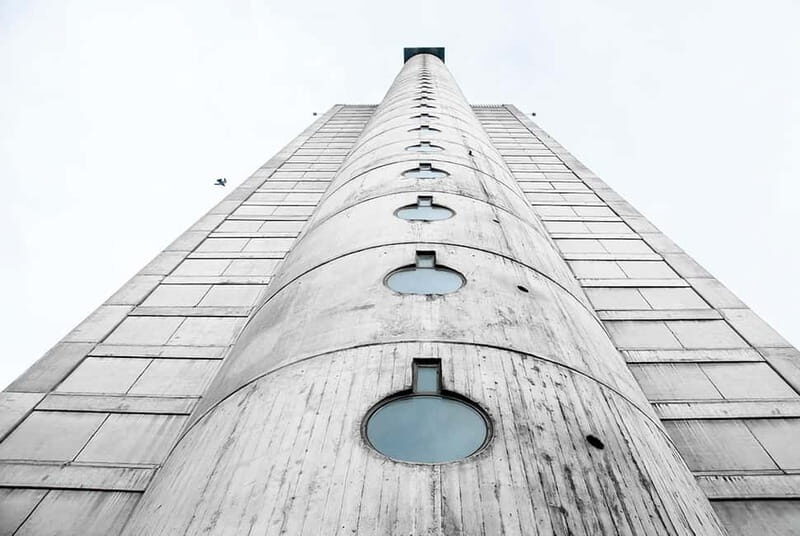
One of the highlights is the Genex Tower, also known as the Western City Gate. This 30-floor structure is perhaps Belgrade’s most recognizable brutalist building. Its bold, geometric design has earned it recognition on Instagram and in architectural circles worldwide.
Your guide explains that it was the first “smart building” in the Balkans and an early example of Yugoslav innovative business architecture. It also served as a symbol of Yugoslav success in technology and enterprise during the 1970s. As you take photos, your guide breaks down what brutalism means as a style—raw concrete, massive forms, and functionality—and how it was used to make statements about strength and modernity.


Housing Block No. 23: Social Housing with a Personal Touch
Moving into Block 23, you step inside a well-preserved example of socialist city planning. This residential complex included not just housing, but also public amenities like schools, kindergartens, artist studios, and small shops, all designed to foster a sense of community.
Your guide shares personal stories of living in these blocks during their heyday in the 60s, 70s, and 80s, contrasting them with the hardships of the 90s. Travelers often comment on how this part of the tour makes the socialist vision feel more tangible—homes, gardens, and shared spaces that aimed to create equality, even if reality sometimes fell short.
Sava Center: The Monumental Congress Hub
Your final stop is the Sava Center, a massive congress hall built in 1977 that broke speed records during construction. It has hosted major international events, from OSCE conferences to the Non-Aligned Summit. Interestingly, it’s also the site where Yugoslavia’s disintegration began, during the last Congress of the ruling party in 1990.
Your guide discusses the building’s architectural significance, its nomination for the Pritzker Prize, and its role as a symbol of Yugoslav progress—and decline. The contrast of its grandeur with the political upheaval of the time offers a compelling narrative about how architecture can mirror societal change.
Practical Details
Group Size, Duration, and Accessibility
This is a private tour, which means you get personalized attention and flexible pacing. The duration is approximately 2.5 hours, and the tour is wheelchair accessible, making it suitable for a wide range of travelers.
Cost and Value
The tour includes free access to the venues, so the main value comes from the expertise of your guide and the insights shared. It’s a cost-effective way to explore a less-trodden side of Belgrade, especially for architecture enthusiasts or history buffs eager for authentic stories.
Meeting Point and Flexibility
You’ll meet in front of the Museum of Contemporary Art, a central and recognizable spot. The tour ends at the Sava Center, making it convenient for those staying nearby or continuing their explorations without extra hassle.
Who Will Love This Tour?
This experience is ideal for anyone interested in architecture, history, or politics, especially those keen on understanding how social and political ideals are reflected in the built environment. It suits travelers who appreciate expert-guided insights and are curious about non-touristy aspects of Belgrade.
Consider this tour if you want to see iconic buildings not just for their looks, but for their stories—learning about Yugoslavia’s ambitions, struggles, and achievements through architecture. It’s perfect for those who enjoy deeper cultural context and authentic local perspectives.
Final Thoughts
This private tour offers an eye-opening perspective on Belgrade’s urban landscape, exposing the stories embedded in its concrete and glass structures. The combination of expert narration and authentic sights makes it a compelling way to understand the complex society that was Yugoslavia.
If you’re interested in architecture that doubles as social history, this tour delivers both stunning visuals and meaningful insights. It’s especially valuable for those who want to go beyond the surface and explore the layers of political, social, and artistic expression this city has to offer.
For travelers seeking a guided experience that combines content, context, and striking visuals—at a fair price—this tour is definitely worth considering.
FAQ
Is this tour suitable for wheelchair users?
Yes, the tour is wheelchair accessible, allowing a broader range of travelers to participate comfortably.
How long is the tour, and what does it include?
The tour lasts about 2.5 hours and includes visits to five key buildings, with free entry to all venues we explore.
What language is the guide speaking?
The tour is conducted in English and Italian, depending on your booking preferences.
Do I need to pay extra for entrance fees?
No, the entrance fees to the venues are included in the tour price, so there’s no additional charge.
Can I book and pay later?
Yes, you can reserve your spot now and pay later, providing flexibility for your travel plans.
Where do we start and end the tour?
You’ll meet in front of the Museum of Contemporary Art and finish at the Sava Center, making it easy to plan your day.
Is this tour suitable for families or children?
While the focus is on architecture and history, it can be enjoyed by older children and teens interested in social history or architecture.
What’s the ideal type of traveler for this experience?
Those interested in architecture, history, political stories, or authentic local insights will find this tour especially rewarding.
To sum it up, the Belgrade: Socialist Brutalist Architecture Private Tour offers a rare glance into the city’s modernist past, combining stunning sights with insightful stories. It’s a meaningful experience for history buffs, architecture lovers, or curious travelers eager to understand how a society’s values are built into its structures. With expert guidance and authentic buildings, this tour stands out as a unique way to explore Belgrade’s urban story.
You can check availability for your dates here: More Great Tours Nearby