- Belfast: ‘1798 – A Belfast Rebellion’ Walking Tour
- Good To Know
- An In-Depth Look at the Tour Experience
- Starting at City Hall: Setting the Scene
- Visiting the Linen Hall Library: A Historic Landmark
- St Mary’s Church: Belfast’s Catholic First
- Rosemary Street and Support for the Rebellion
- The Court Martial of Henry Joy McCracken
- Other Notable Stops
- Reflecting Back at City Hall
- Practical Details and Value
- Who Will Love This Tour?
- The Sum Up: Is It Worth It?
- FAQ
- The Best Of Belfast!
- More Walking Tours in Belfast
- More Tours in Belfast
- More Tour Reviews in Belfast
- Not for you? Here's more nearby things to do in Belfast we have reviewed
Belfast: ‘1798 – A Belfast Rebellion’ Walking Tour
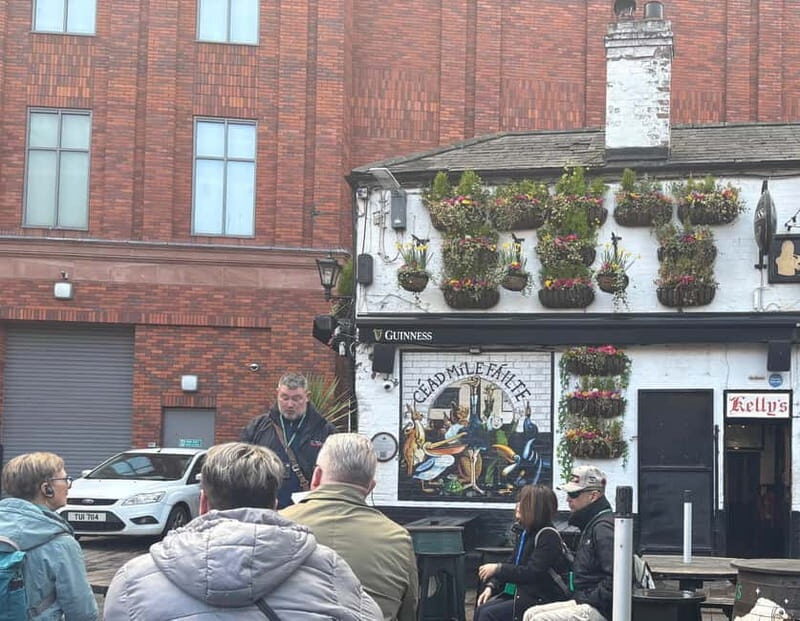
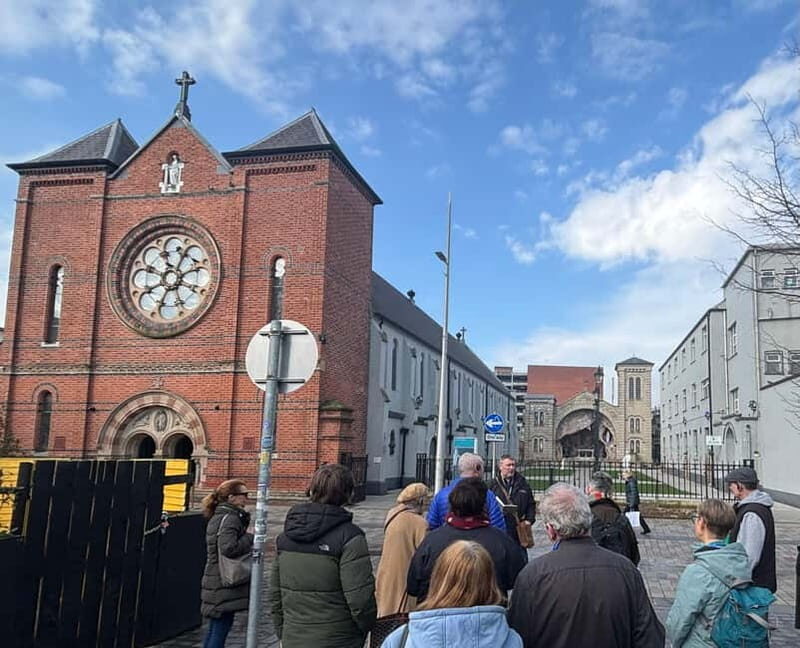
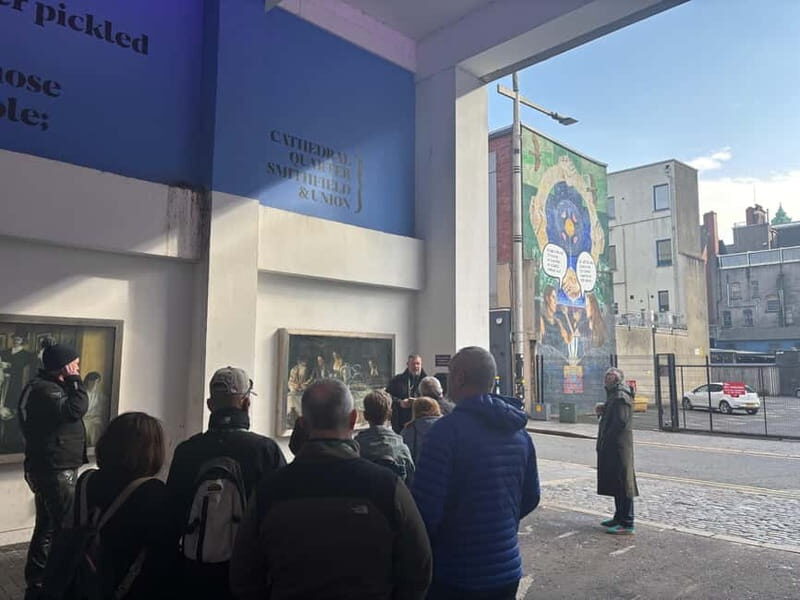
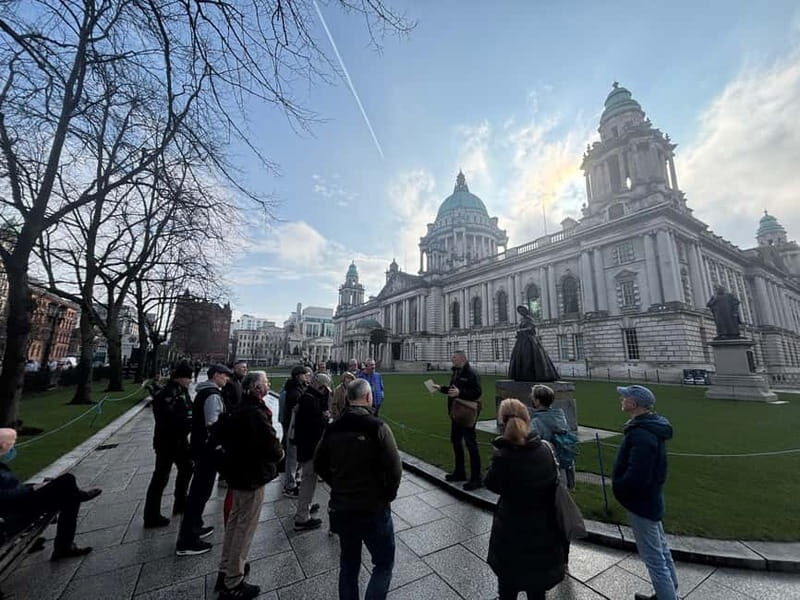
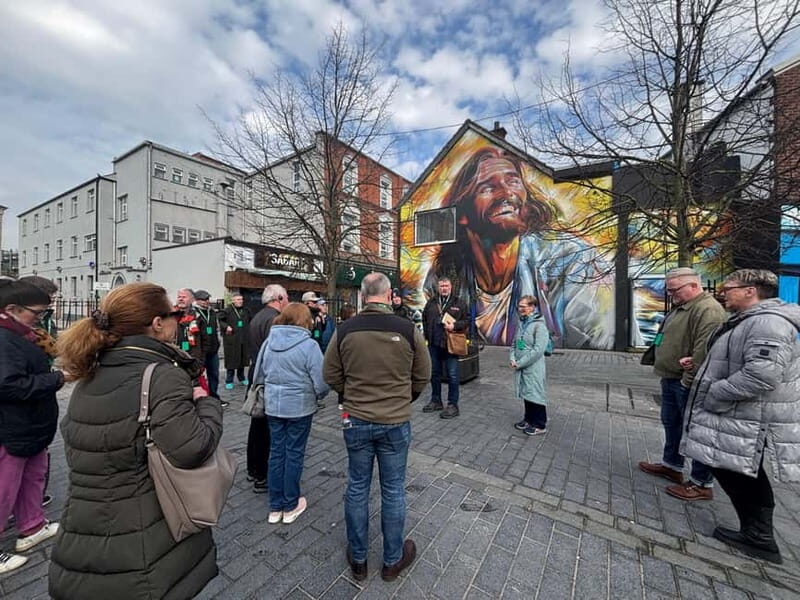
If you’re looking to combine history, culture, and a bit of local storytelling, the ‘1798 – A Belfast Rebellion’ walking tour offers just that. Guided by experts from DC Tours, this 2.5-hour journey takes you through the streets of Belfast, revealing the stories behind one of Ireland’s most pivotal uprisings. It’s a compelling way to understand Belfast’s complex past, especially if you’re interested in the roots of Irish independence and the social fabric of the late 18th century.
What makes this tour stand out? First, the well-planned route covers key sites like St Mary’s Church and the Linen Hall Library, offering genuine insights into Belfast’s revolutionary history. Second, the expert guides bring history to life with engaging stories and context. Third, the accessible route—less than two miles on flat terrain—makes it suitable for most visitors. However, if you’re not a history buff or prefer more interactive experiences, the tour might feel a bit heavy on detail. It’s best suited for those interested in Irish history, political history, or cultural heritage.
The tour provides a good mix of storytelling, site visits, and historical context, all wrapped in a manageable walking experience. For anyone curious about the roots of modern Belfast or wanting to explore around City Hall, this tour can add depth and understanding to your trip.
You can check availability for your dates here:
👉 See our pick of the 2 Best 3 Day Tours In Belfast
Good To Know
- Historical Focus: Explores the 1798 Rebellion and its significance in Belfast’s history.
- Site Visits: Includes iconic locations like St Mary’s Church and Linen Hall Library.
- Expert Guides: Led by knowledgeable guides who bring authenticity and insight.
- Accessible Route: Less than two miles on a flat route, suitable for most travelers.
- Cultural Context: Explains the role of religious and political groups in shaping Belfast.
- Reflective Experience: Encourages understanding of the rebellion’s legacy in today’s Ireland.
You can also read our reviews of more walking tours in Belfast


An In-Depth Look at the Tour Experience
Starting at City Hall: Setting the Scene
The tour kicks off at Belfast’s City Hall gates on Donegall Square North. Your guide, typically wearing a black DC Tours jacket or t-shirt, greets you promptly 10 minutes before the scheduled start. From here, your journey back in time begins. The guide paints a picture of Belfast in the late 1700s, a city burgeoning through its shipping trade and burgeoning industries like linen, cotton, shipbuilding, and ropeworks.
One of the first things we appreciated was how the guide contextualizes Belfast’s economic growth alongside the political unrest brewing in the background. The city was attracting imports like tobacco, rum, sugar, wine, and port, which became symbols of its expanding trade. As Belfast’s citizens navigated this prosperity, they also looked inward, contributing to cultural and political organizations—like the Society for Promoting Knowledge, which would later become the Linen Hall Library.
Visiting the Linen Hall Library: A Historic Landmark
The Linen Hall Library is more than a lending library; it’s a symbol of Belfast’s cultural awakening. The guide highlights that Thomas Russell, a former soldier and leader of the United Irishmen, was arrested here in 1796, a move aimed at suppressing revolutionary ideas. Visiting this site helps you understand the tightrope Belfast citizens walked—balancing economic growth with political dissent.
The library’s historical significance makes it a standout stop. It’s a reminder that Belfast’s fight for recognition and rights was intertwined with its intellectual pursuits. The guide points out that the library was a hub for reform-minded thinkers, which adds a layer of depth to your understanding of the rebellion’s roots.
More Great Tours NearbySt Mary’s Church: Belfast’s Catholic First
Next, the group visits St Mary’s Church, the city’s first Roman Catholic church, opened in 1784. This site underscores the religious diversity that fueled Belfast’s social tensions. The presence of a guard of honor from the Presbyterian Belfast Volunteers during the church’s opening day speaks to the interconnectedness of religious groups and their shared democratic values.
The guide explains how these religious communities supported each other’s struggles, setting the stage for the broader political unrest. Visiting St Mary’s offers a tangible sense of the city’s religious landscape in the late 18th century, and how faith and politics often went hand-in-hand.



Rosemary Street and Support for the Rebellion
A short walk takes you to Rosemary Street, once home to three large Presbyterian Meeting Houses and the family of Henry Joy McCracken, one of the rebellion’s leaders. The Presbyterians’ democratic church structure fostered a sense of community activism and resistance, which played a part in the uprising.
Here, the guide discusses how Presbyterian beliefs contributed to their support for the rebellion. It’s fascinating to see how faith, politics, and social ideals converged in Belfast’s streets—an aspect some visitors might find surprising given the city’s later divisions.
The Court Martial of Henry Joy McCracken
One of the tour’s most poignant moments is at the site of the Exchange and Assembly Rooms, where Henry Joy McCracken was court-martialed following the Battle of Antrim. McCracken was found guilty and hanged later that day; these sites echo with the weight of revolutionary sacrifice.
The guide offers a sober but inspiring narration about McCracken’s role and the tragic outcome. As you stand on this spot, it’s easier to understand the high stakes of rebellion, and how Belfast’s history is marked by both heroism and loss.
Other Notable Stops
Additional sites like the Muddlers Club, St George’s Church, and Joys Entry help recreate the bustling, charged atmosphere of late 18th-century Belfast. These locations offer glimpses into the lively civic life of the time, filled with political debates and social gatherings critical to fostering revolutionary ideas.
Reflecting Back at City Hall
The tour ends back at City Hall, where the guide encourages reflection on how the 1798 Rebellion fits into Irish history and the troubled history of Belfast itself. The guide discusses the complex legacy of the rebellion, how it’s often misremembered or shunned, but also how it symbolized hope for equality, liberty, and fraternity—values still relevant today.
Practical Details and Value
Tour Duration & Route: The 2.5-hour walk covers less than two miles on flat terrain, making it accessible and manageable. It’s ideal for travelers who want a compact but meaningful historical experience without the fatigue of long-distance walking.
Guides & Audio: Led by knowledgeable local guides, this tour ensures clarity and engagement. Use of Vox headsets means you won’t miss a word, even in busy streets.
Availability & Flexibility: Running on the first and third Saturdays of each month at 10:00 am, booking in advance is recommended. The option to reserve now and pay later offers flexibility, especially if your plans change.
Cost & Value: Though specific pricing isn’t detailed here, the experience’s depth and the inclusion of key historic sites suggest it offers good value—particularly for history enthusiasts wanting a guided, insightful exploration rather than just a self-led walk.
Accessibility: The route’s flatness and wheelchair accessibility make this tour suitable for most visitors, including those with mobility challenges.
Who Will Love This Tour?
This tour is ideal for history buffs eager to understand Belfast’s revolutionary past, especially the 1798 Rebellion’s significance. It also suits those interested in the role of religion and civic institutions in shaping social movements. If you enjoy walking tours that combine storytelling with site visits, this is a fine choice. However, if pure entertainment or more interactive experiences are what you seek, you might find it a bit straightforward.
The Sum Up: Is It Worth It?
For anyone looking to add historical depth to their Belfast visit, this tour offers a well-balanced mix of storytelling, landmarks, and genuine insight into Ireland’s fight for independence. Its focus on key sites like St Mary’s and the Linen Hall Library gives a tangible sense of history, while the knowledgeable guides make the past approachable and compelling.
This experience is especially valuable for those who appreciate context—understanding how Belfast’s religious and civic life influenced the rebellion. It’s suitable for most travelers, thanks to its flat route and manageable duration. Although it’s educational rather than entertainment-focused, it offers an authentic look into Belfast’s revolutionary roots that no visitor should miss.
Whether you’re a history enthusiast, a curious traveler, or someone wanting a meaningful walk through Belfast’s past, this tour promises to enrich your understanding of Ireland’s complex journey toward independence.
Belfast: ‘1798 – A Belfast Rebellion’ Walking Tour
FAQ
How long is the tour?
It lasts approximately 2.5 hours, covering less than two miles on a flat route, making it easy to follow and comfortable for most.
Where does the tour start and finish?
It begins and ends at the gates of Belfast City Hall on Donegall Square North.
Is the tour accessible for wheelchairs?
Yes, the route is flat and suitable for wheelchair users.
What is included in the tour?
You’ll get a guided walk with a local expert, use of Vox headsets for clear audio, and visits to several important historic sites related to the 1798 Rebellion.
When does the tour run?
On the first and third Saturday of each month at 10:00 am.
Do I need to reserve in advance?
Yes, booking in advance is recommended, especially since you can reserve now and pay later.
Can I cancel if my plans change?
Yes, you can cancel up to 24 hours before the tour for a full refund.
Is it suitable for children?
While not explicitly specified, the route’s simplicity and duration make it suitable for most ages, but parents should gauge their children’s interest in history.
What should I wear?
Comfortable walking shoes and weather-appropriate clothing are advised, as the tour is outdoors and on city streets.
In essence, the ‘1798 – A Belfast Rebellion’ walking tour offers an authentic, insightful, and well-paced exploration of Belfast’s revolutionary past. If you’re eager to understand the city beyond its scenic landscapes, this is a compelling addition to your Belfast itinerary.
You can check availability for your dates here: More Great Tours Nearby