Standing like a sentinel of time, Belem Tower in Lisbon, Portugal, beckons visitors to uncover the secrets woven into its walls.
A masterpiece born from the vision of Francisco de Arruda, this architectural gem marries Moorish intricacies with Manueline grandeur, offering a glimpse into a bygone era.
As the sun sets on the Tagus River, casting shadows that whisper tales of conquest and resilience, Belem Tower stands stoic, ready to reveal the mysteries that lie within its ancient stones.
- Good To Know
- Construction and Architect of Belem Tower
- Historical Significance and Preservation Efforts
- Influence of Moorish Art in Decorations
- Evolution of Belem Tower Over Time
- Unique Features and Artistic Details
- Frequently Asked Questions
- How Long Did It Take to Build Belem Tower?
- Were There Any Specific Reasons for Choosing the Location of Belem Tower?
- Has Belem Tower Always Been Open to the Public, or Were There Periods When It Was Closed?
- Are There Any Legends or Myths Associated With Belem Tower?
- How Has the Surrounding Landscape of Belem Tower Changed Since Its Construction in the 16th Century?
- The Sum Up
- The Best Of Lisbon!
- More Historical Tours in Lisbon
- More Tour Reviews in Lisbon
- Not for you? Here's more nearby things to do in Lisbon we have reviewed
Good To Know
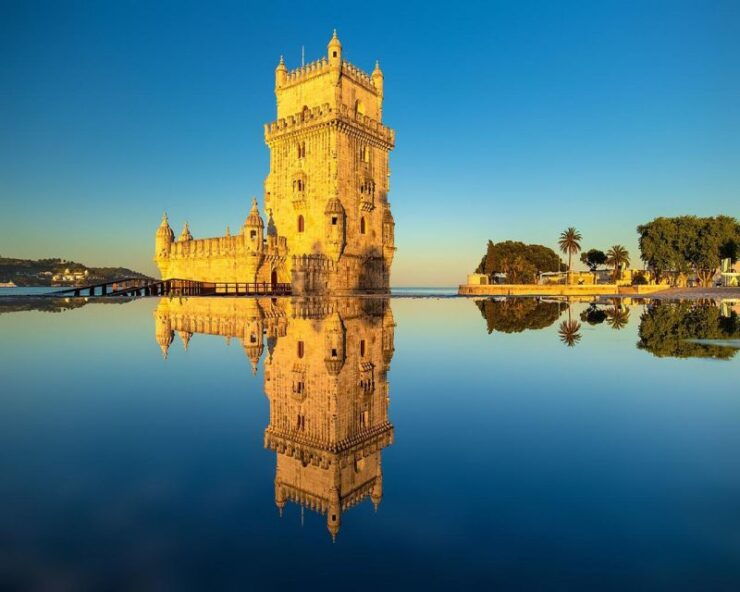
- Blend of Moorish and Manueline styles in construction
- Symbol of Portugal’s heritage and enduring legacy
- Moorish art influences in decorative elements
- Evolution and preservation showcase rich architectural history

👉 See our pick of the 19 Best Shopping Tours In Lisbon
Construction and Architect of Belem Tower

Constructed between 1515 and 1521, Belem Tower in Lisbon, Portugal, was brought to life by the skilled hands of military architect Francisco de Arruda, showcasing a blend of Moorish artistry and Manueline style in its intricate design. The construction techniques employed in the tower’s creation reflect a mastery of both aesthetics and functionality.
Influenced by Moorish art, the delicate decorations of arched windows and balconies add a touch of elegance to the structure. Meanwhile, the Manueline style is evident in the rich sculptural ornamentation adorning the battlements. Francisco de Arruda’s architectural influences are apparent in the seamless integration of these diverse styles, creating a unique and captivating monument that stands as a testament to the artistry and craftsmanship of its time.
You can also read our reviews of more historical tours in Lisbon



Historical Significance and Preservation Efforts

With a storied past steeped in resilience and historical significance, Belem Tower stands as a cherished emblem of Portugal’s enduring heritage and architectural prowess. The tower’s cultural significance isn’t only rooted in its strategic importance but also in its architectural beauty, showcasing intricate Manueline style embellishments. Preservation efforts have been instrumental in maintaining this iconic structure for future generations to appreciate.
Declared a national monument in 1910, Belem Tower has undergone restoration projects to ensure its longevity. The dedication to safeguarding this historical gem reflects Portugal’s commitment to honoring its past. Through these preservation endeavors, Belem Tower continues to stand tall, offering a glimpse into the rich history and cultural heritage of the region.
Influence of Moorish Art in Decorations
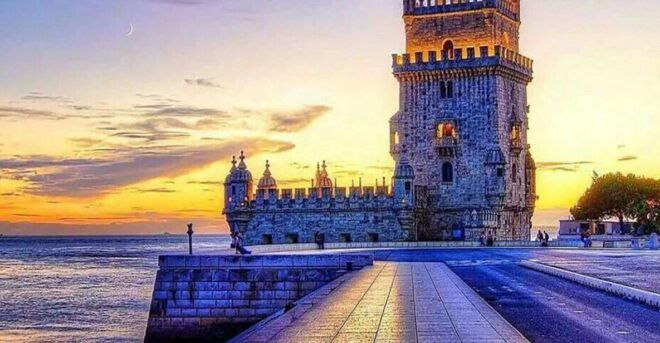
The delicate decorations of arched windows and balconies at Belem Tower showcase a clear influence of Moorish art, adding a touch of exotic elegance to the Manueline style sculptural ornamentation.
Moorish influences are evident in the intricate geometric patterns, arabesques, and ornate details that adorn the tower. These decorative elements reflect the cultural exchange between Portugal and the Moors during the Middle Ages, blending Moorish aesthetics with European architectural styles.
The fusion of these artistic traditions creates a unique and visually stunning design that sets Belem Tower apart. Visitors can admire the intricate Moorish-inspired decorations while appreciating the historical significance of this architectural gem, making it a must-see attraction for those interested in art and history.
Evolution of Belem Tower Over Time
As time passed, Belem Tower underwent significant transformations that reflected its shifting role and significance in Lisbon’s history. Originally serving as an outpost, the tower gradually saw the northern shore come closer over time, altering its surrounding landscape.
Over the centuries, preservation efforts have played a crucial role in maintaining the tower’s historical significance and architectural integrity. The evolution of Belem Tower showcases a blend of different architectural styles, from the Manueline decorations of the 16th century to the neo-Manueline elements added during the 19th-century restoration.
These changes not only highlight the tower’s adaptability but also emphasize its enduring presence as a symbol of Portugal’s maritime heritage. The ongoing efforts to preserve Belem Tower ensure that its legacy continues to captivate visitors from around the world.
More Great Tours NearbyUnique Features and Artistic Details
Having witnessed significant transformations over time, Belem Tower boasts a myriad of unique features and exquisite artistic details that showcase its rich history and architectural significance.
The tower’s intricate Manueline style architectural marvels are a testament to the skilled artistic craftsmanship of its builders. Delicate Moorish influences can be observed in the intricate decorations adorning the arched windows and balconies, adding a touch of elegance to the structure.
The battlements adorned with rich sculptural ornamentation further highlight the tower’s historical and artistic importance. Restored in the 1840s with neo-Manueline decorative elements, Belem Tower continues to captivate visitors with its blend of artistry and architectural prowess.
It stands as a remarkable example of Portugal’s cultural heritage and artistic ingenuity.





Frequently Asked Questions
How Long Did It Take to Build Belem Tower?
The construction timeline for Belem Tower stretched from 1515 to 1521. Its architectural details reflect a blend of military functionality and intricate Moorish artistry. This iconic structure stands as a testament to the skilled craftsmanship of its time.
Were There Any Specific Reasons for Choosing the Location of Belem Tower?
Strategically perched on the banks of the Tagus River, the choice of Belem Tower’s location was driven by its defense benefits. Its position allowed for optimal surveillance and control of the river, crucial for safeguarding Lisbon’s maritime interests.
Has Belem Tower Always Been Open to the Public, or Were There Periods When It Was Closed?
Belem Tower, a historical gem, has undergone intermittent tourist restrictions due to restoration projects. Despite closures, it remains an open place for public exploration. Its rich past includes serving as a prison during the Spanish invasion.
Are There Any Legends or Myths Associated With Belem Tower?
Legends and myths swirl around Belem Tower, enriching its cultural significance. Artistic interpretations of its architectural symbolism fuel folklore, captivating visitors with tales of hidden passageways, lost treasures, and ghostly apparitions, adding mystique to this historic icon.
How Has the Surrounding Landscape of Belem Tower Changed Since Its Construction in the 16th Century?
Over the centuries, the landscape surrounding Belem Tower has witnessed significant changes due to urban development. The gradual encroachment of the northern shore towards the tower showcases the dynamic evolution of the area’s urban fabric.
The Sum Up
To sum it up, Belem Tower stands as a timeless symbol of Portugal’s rich history and architectural prowess. With its blend of Moorish influences and Manueline style, this iconic landmark continues to captivate visitors with its intricate decorations and fascinating stories.
From its construction by Francisco de Arruda to its preservation as a national monument, Belem Tower remains a testament to the enduring legacy of past civilizations. Explore this magnificent structure and uncover the layers of history and artistry that make it truly unique.
You can check availability for your dates here: More Great Tours Nearby