The Battle of Berlin marks a pivotal moment in history, as Adolf Hitler’s reign and the Nazi regime crumbled under the weight of Allied forces.
This article explores Hitler’s rise to power, the events leading up to the battle, and the ultimate downfall of the Third Reich.
Through an engaging and informative narrative, the reader gains a deeper understanding of Hitler’s motivations and the impact his actions had on the course of World War II.
- Quick Takeaways
- The Early Years: Hitler’s Path to Power
- The Nazi Regime: Consolidating Control
- World War II: Germany’s Aggression and Expansion
- The Battle of Berlin: Allies Closing In
- Hitler’s Last Days: The Fall of the Third Reich
- The Aftermath: Rebuilding Berlin and Remembering the Holocaust
- Lessons Learned: Understanding Hitler’s Rise and Fall
- Common Questions
- What Was the Significance of the Battle of Berlin in Hitler’s Rise and Fall?
- How Did the Battle of Berlin Impact the Outcome of World War Ii?
- What Strategies Did the Allies Use to Close in on Berlin During the Battle?
- How Did Hitler’s Last Days in Berlin Contribute to the Fall of the Third Reich?
- What Were the Immediate Consequences of the Battle of Berlin for the City of Berlin and Its Residents?
- The Sum Up
- The Best Of Berlin!
- More Tour Reviews in Berlin
- Not for you? Here's more nearby things to do in Berlin we have reviewed
Quick Takeaways
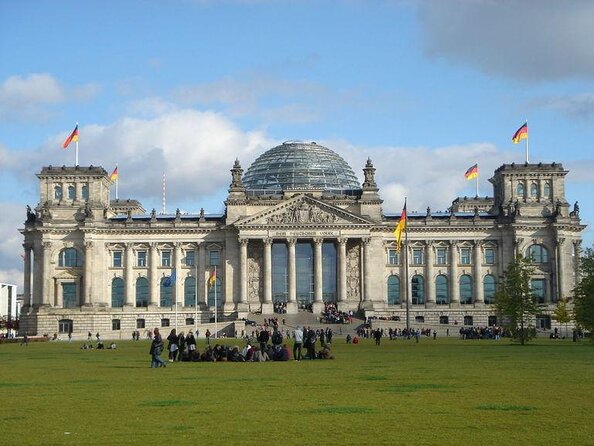
- Hitler’s rise to power was facilitated by his charisma, strategic alliances, and manipulation of political circumstances.
- The Battle of Berlin was a fierce and intense conflict, with Allied forces closing in on Hitler’s stronghold and engaging in street-by-street fighting.
- The fall of the Third Reich occurred when Hitler retreated to his bunker, took his own life, and Berlin fell to Soviet forces, leading to Germany’s unconditional surrender.
- The impact and aftermath of the Battle of Berlin and Hitler’s rise and fall included widespread devastation, the Nuremberg Trials, reconstruction efforts in post-war Germany, and ongoing remembrance and commemoration of World War II.
👉 See our pick of the 2 Best 3 Day Tours In Berlin
The Early Years: Hitler’s Path to Power
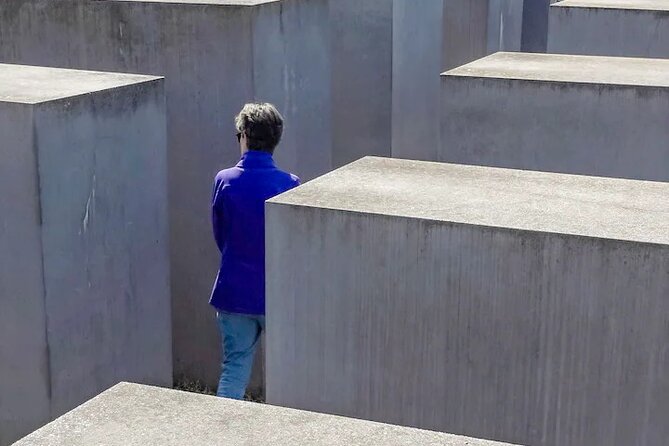
During the early years, Hitler rose to power through a combination of charisma, strategic alliances, and manipulation of political circumstances.
Hitler’s early influences played a significant role in shaping his political aspirations. Growing up in Austria, he developed a strong sense of nationalism and anti-Semitism, which would later become central to his ideology.
As a young man, Hitler moved to Munich and immersed himself in the city’s political scene. He joined the German Workers’ Party and eventually rose to become its leader, renaming it the National Socialist German Workers’ Party, or Nazi Party.
Hitler’s political strategies were characterized by propaganda, public speaking skills, and the ability to exploit economic and social unrest. He skillfully capitalized on the dissatisfaction of the German people, promising them a better future and blaming the Jews for their problems.
Through these tactics, Hitler gained a loyal following and gradually consolidated his power, ultimately leading to his appointment as Chancellor of Germany in 1933.
You can also read our reviews of more tours and experiences in Berlin.



The Nazi Regime: Consolidating Control
The Nazi regime solidified its control by implementing stringent policies and exerting absolute authority over all aspects of German society. To consolidate their power, Hitler’s propaganda machine played a crucial role in manipulating the masses.
The Nazi Party utilized various mediums, such as newspapers, radio broadcasts, and mass rallies, to spread their ideology and create a cult-like devotion to Hitler. Plus, the regime enforced Nazi ideology’s core belief in racial superiority, which justified the persecution and marginalization of certain groups, particularly Jews, Romani people, and individuals with disabilities.
The regime also implemented strict censorship and control over education, ensuring that the younger generations were indoctrinated with Nazi principles. Through these measures, the Nazi regime sought to control the minds and hearts of the German people, solidifying their grip on power.
World War II: Germany’s Aggression and Expansion
Germany aggressively expanded its territories during World War II, propelled by Hitler’s ambition for dominance and conquest. The Nazi regime, under Hitler’s leadership, pursued a policy of aggressive expansion, seeking to create a vast empire known as the ‘Third Reich.’ This expansionist agenda was driven by a combination of ideological beliefs, economic motivations, and a desire for Lebensraum, or living space, for the German people.
Germany’s aggression was evident in its invasions of Poland, France, and other European countries, as well as its attempts to conquer the Soviet Union. These actions not only sparked the global conflict of World War II but also resulted in widespread devastation, loss of life, and the eventual downfall of Hitler’s regime.
The consequences of Germany’s aggression during this period are still felt today, shaping the course of history.
The Battle of Berlin: Allies Closing In
Allied forces were rapidly closing in on Hitler’s stronghold in Berlin as the Battle of Berlin intensified. The Allies had devised a strategic plan to encircle the city and cut off all avenues of escape for the German forces.
The Berlin resistance, consisting of die-hard Nazi loyalists and fanatical SS troops, put up fierce resistance, fighting street by street and house by house. The Allies utilized a combination of artillery bombardment, tank assaults, and infantry advances to slowly advance towards the heart of the city.
The close-quarters urban combat proved to be incredibly challenging, with the German defenders using every advantage of the city’s architecture to their benefit. Despite the formidable resistance, the Allies remained determined to crush the Nazi regime and bring an end to Hitler’s reign of terror.
Hitler’s Last Days: The Fall of the Third Reich
During the final days of the Third Reich, Hitler’s reign came to a devastating end. As Allied forces closed in on Berlin, Hitler retreated to his bunker located beneath the city. It was in this fortified underground complex that Hitler spent his last days, isolated and increasingly delusional. On April 30, 1945, Hitler took his own life, choosing suicide over capture or surrender. With his death, the downfall of the Third Reich was sealed. The table below provides a snapshot of the key events leading to Hitler’s demise and the ultimate collapse of Nazi Germany.
| Date | Event | Significance |
|---|---|---|
| April 16 | Soviet forces initiate the Battle of Berlin | The final assault on the city, marking its imminent fall |
| April 30 | Hitler commits suicide in his bunker | Symbolic end of the Nazi regime |
| May 2 | Berlin officially falls to Soviet forces | Complete defeat of the Third Reich |
| May 7 | Germany surrenders unconditionally | World War II in Europe comes to an end |
| May 8 | Victory in Europe (VE) Day celebrated | Allied triumph over Nazi Germany |
The fall of the Third Reich marked the end of Hitler’s tyrannical rule and brought an end to one of the darkest chapters in history.


The Aftermath: Rebuilding Berlin and Remembering the Holocaust
After the fall of the Third Reich, Berlin faced the daunting task of rebuilding and confronting the atrocities of the Holocaust. The city embarked on extensive rebuilding efforts, aiming to restore its infrastructure and revitalize its economy.
Key initiatives included the reconstruction of damaged buildings, the creation of new housing projects, and the hotel of industrial zones.
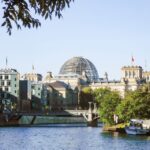
Plus, Berlin recognized the importance of memorializing the Holocaust and ensuring that the victims would never be forgotten. To accomplish this, numerous Holocaust memorials were erected throughout the city, serving as solemn reminders of the millions of lives lost.
These memorials, such as the Memorial to the Murdered Jews of Europe and the Jewish Museum, provide spaces for reflection and education, fostering a collective commitment to remember and learn from the dark history of the Holocaust.
Lessons Learned: Understanding Hitler’s Rise and Fall
Occasionally, historians reflect on the lessons learned from understanding Hitler’s rise and fall.
Two key factors that contributed to his ascent were the effective use of propaganda and the impact of economic conditions.
Hitler’s propaganda machine was unparalleled, manipulating the emotions and beliefs of the German people. Through skilled messaging and imagery, he was able to rally support and create a cult of personality.
Plus, the economic conditions of post-World War I Germany played a significant role in Hitler’s rise. The country was plagued by hyperinflation, unemployment, and economic instability, which provided fertile ground for Hitler’s promises of stability and prosperity.
Understanding these factors reminds us of the dangers of unchecked propaganda and the importance of addressing economic grievances in society.
Common Questions
What Was the Significance of the Battle of Berlin in Hitler’s Rise and Fall?
The significance of the Battle of Berlin in Hitler’s downfall and Berlin’s destruction cannot be overstated. It marked the final major offensive of World War II in Europe and ultimately led to the collapse of the Nazi regime.
How Did the Battle of Berlin Impact the Outcome of World War Ii?
The Battle of Berlin had a significant impact on the outcome of World War II. German civilians suffered greatly as the Soviet Union played a crucial role in the battle, ultimately leading to the defeat of Nazi Germany.
What Strategies Did the Allies Use to Close in on Berlin During the Battle?
The Allies implemented various strategies to close in on Berlin during the battle. These included encircling the city to cut off supply lines, launching coordinated offensives, and utilizing air power to weaken German defenses.
How Did Hitler’s Last Days in Berlin Contribute to the Fall of the Third Reich?
Hitler’s mental state and the Soviet offensive played crucial roles in the fall of the Third Reich. As the Soviets closed in on Berlin, Hitler’s deteriorating mental health hindered effective decision-making, ultimately leading to the collapse of Nazi Germany.
What Were the Immediate Consequences of the Battle of Berlin for the City of Berlin and Its Residents?
The immediate consequences of the Battle of Berlin for the city and its residents were extensive destruction and loss of life. The city faced the daunting task of reconstruction efforts while also dealing with post-war trauma.
The Sum Up
To sum it up, the Battle of Berlin marked the end of Adolf Hitler’s reign and the collapse of the Nazi regime. This historic event was a turning point in World War II, as Allied forces closed in on the German capital.
Hitler’s last days were filled with desperation and despair, ultimately leading to the fall of the Third Reich. The aftermath saw the rebuilding of Berlin and a collective remembrance of the horrors of the Holocaust.
Through understanding Hitler’s rise and fall, we can learn important lessons from history.