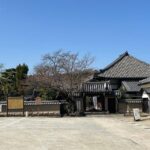
If you’re fascinated by Japan’s early history or looking to step into the roots of the nation’s cultural identity, a private guided tour of Asuka offers a uniquely enriching experience. This 8-hour journey takes you through one of Japan’s most significant archaeological sites, blending history, nature, and tradition in a way that feels intimate and authentic.
What makes this tour stand out? First, its focus on archaeological sites that are soon to become a UNESCO World Heritage location. Second, the chance to explore a quaint, Edo-period style town that seems frozen in time. And third, the opportunity to enjoy a well-balanced mix of museums, ruins, and scenic landscapes. The only possible downside? It’s a full day, which might be a bit long if you prefer a more relaxed pace or have limited mobility. Still, for those interested in Japan’s roots, this tour hits all the right notes.
This experience is perfect for history buffs, culture lovers, or curious travelers eager to understand Japan beyond its modern cityscapes. If you’re after a meaningful, guided exploration of ancient Japan, this itinerary could be a highlight of your Kansai trip.
- Good To Know
- A Deep Dive into the Asuka Tour
- Introduction to Asuka’s Significance
- The Itinerary Breakdown
- What’s Included and What’s Not
- Practical Details & Tips
- Authentic Experience and Insider Insights
- Who Should Consider This Tour?
- Final Thoughts
- FAQ
- More Guided Tours in Asuka
- More Tours in Asuka
- More Tour Reviews in Asuka
- Not for you? Here's more nearby things to do in Asuka we have reviewed
Good To Know
 1 / 5
1 / 5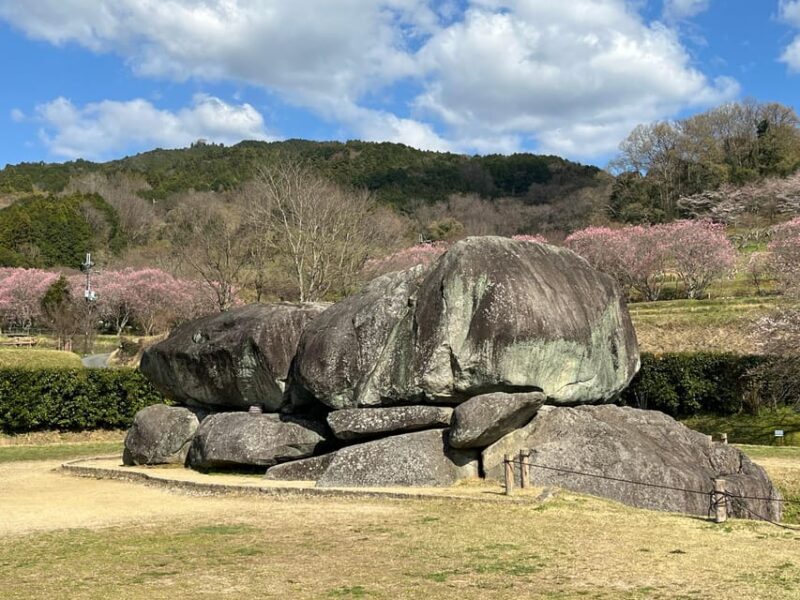 2 / 5
2 / 5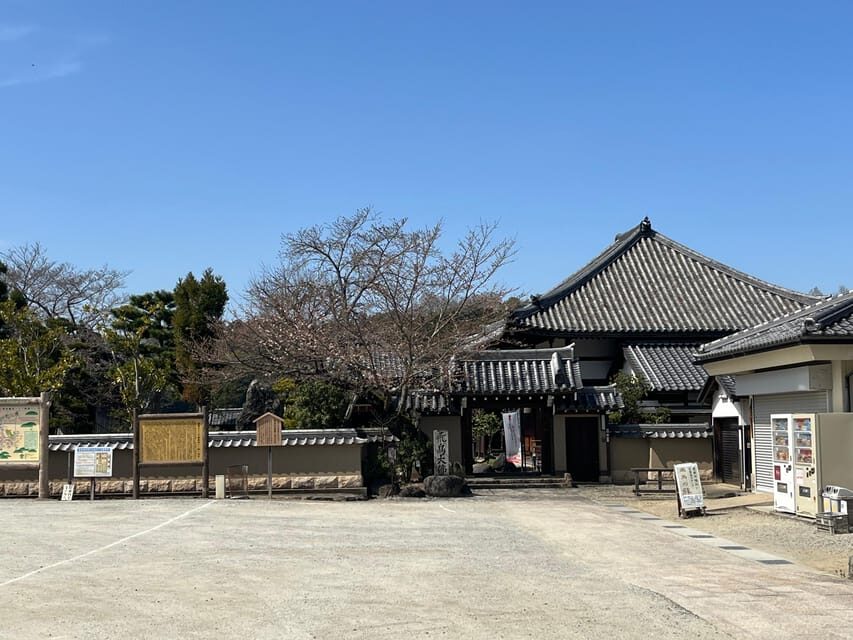 3 / 5
3 / 5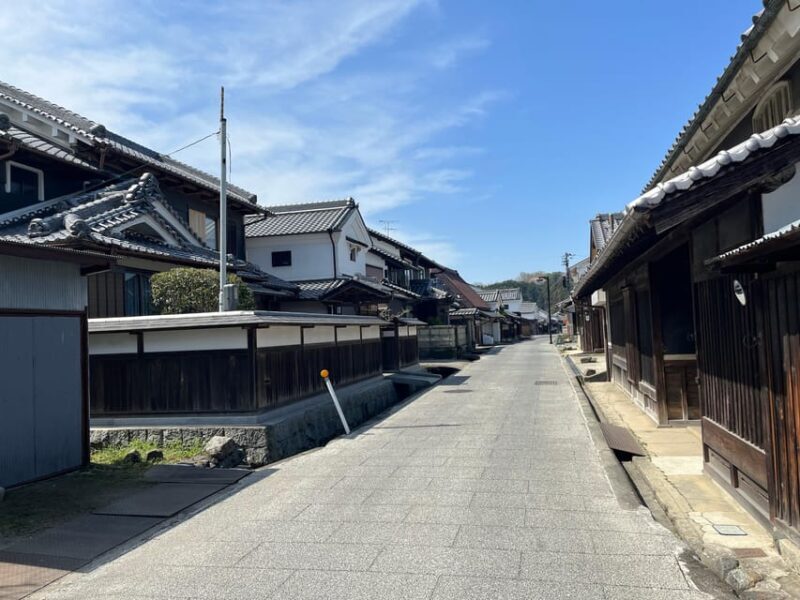 4 / 5
4 / 5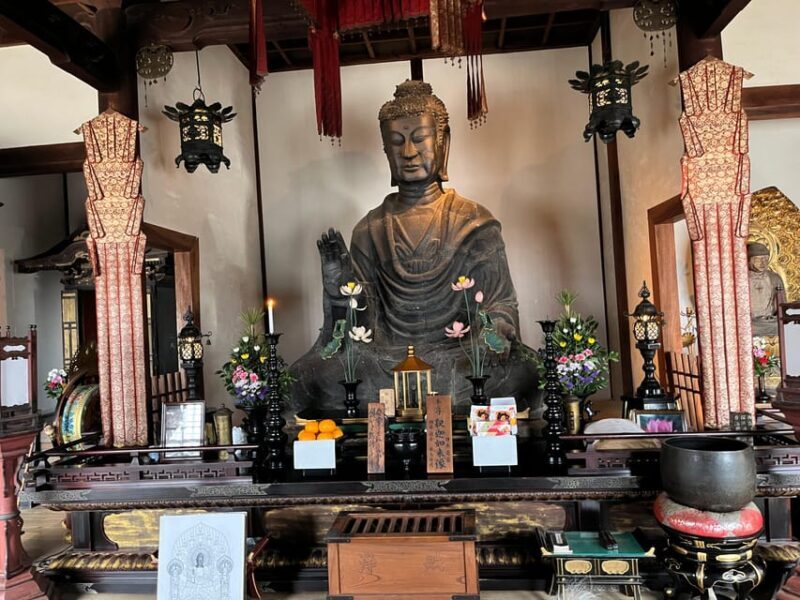 5 / 5
5 / 5- Expert-guided experience that covers key archaeological and historical sites
- Authentic ancient town atmosphere blending rural charm with cultural heritage
- Upcoming UNESCO World Heritage site with future global recognition
- Diverse stops including museums, temples, and tumuli for a well-rounded story
- Private group ensures personalized attention and flexible pacing
- Includes transportation, guide, and entrance fees, making it a practical value
A Deep Dive into the Asuka Tour
You can also read our reviews of more guided tours in Asuka

Introduction to Asuka’s Significance
Asuka, located in the Kansai region, was once the heart of Japan’s early formation as a nation. This tour offers a chance to walk through the remains of Japan’s protohistoric period, where the foundations of Japanese culture and governance were laid. The village’s population of just over 5,600 keeps it small but packed with historical treasures. You’ll find yourself in a place that balances rural simplicity with ancient grandeur.
The Itinerary Breakdown
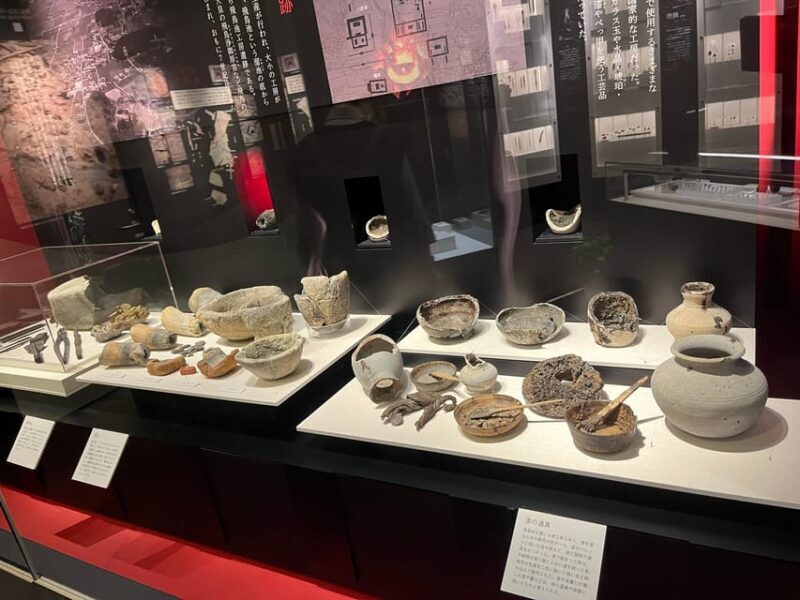
The tour begins at Hekija, where you’ll meet your guide—probably someone like the well-reviewed Nara Guide—ready to lead you through a day filled with discovery. The first stop is the Asuka Historical Museum at the Nara National Institute for Cultural Properties. Here, you’ll get a solid overview and context for the sites you’ll later visit. The guided walk of about an hour helps set the scene, and many visitors appreciate having expert narration to deepen their understanding.
Next, the Asuka-dera Temple awaits. This Buddhist temple, with its simple yet powerful architecture, is one of the oldest in Japan. Visitors often find that the entrance fee (around 350 JPY) is well worth it for the chance to see ancient relics and spiritual history up close. The guided tour ensures you’ll learn about the temple’s role in early Japanese Buddhism and its architectural evolution.
Moving on, the Site of Asuka Itabuki-no-miya Palace promises a glimpse into royal life of centuries past. Although only ruins remain, the site’s significance as an early imperial residence makes it a highlight. Our reviewer mentions that walking around these ruins feels like stepping back in time, especially with a guide pointing out key features.
The Manyo Museum at the Nara Prefecture Complex of Manyo Culture is another gem. It focuses on the Manyoshu, Japan’s oldest poetry anthology. Visitors report it’s a peaceful spot to appreciate Japan’s literary beginnings, with some noting that the exhibits help connect the poetry to the physical landscape of Asuka.
Lunchtime is at a local restaurant, where you can sample regional dishes, adding a taste of modern life to your historic day. Expect to spend about an hour enjoying meals that might cost around 2,000 JPY.
In the afternoon, the Inukai Manyo Memorial Museum offers more poetic insights into Japan’s early literature and culture. Many visitors find it a serene place to reflect on the day’s discoveries.
The Ishibutai Tumulus is a major highlight. This massive stone tomb, often called Japan’s Stonehenge, is a must-see. The guided tour here reveals how the massive stones were transported and assembled, and visitors often comment on its impressive scale and mystique. The fee (about 300 JPY) is considered reasonable given the monument’s significance.
Finally, the Kitora Tumulus completes your archaeological journey. The ancient mural inside is notable, and the guided visit offers insights into the burial practices of the period.
The day concludes back at Asuka Station, where you’ll leave with a profound understanding of Japan’s early history and a collection of stunning photos and memories.
What’s Included and What’s Not
The price of $217 per person covers guides, guide fees, entrance fees, and transportation—a good value given the depth of information provided. The guide is multilingual (English, French, Japanese) and the tour is private, ensuring flexibility and personalized attention.
Additional expenses include transport from Osaka or Kyoto (less than 2,000 JPY one way), lunch (~2,000 JPY), and entrance fees to specific sites like Asuka Historical Museum, Asuka-dera, and Ishibutai Kofun. These are relatively modest investments for such a comprehensive experience.
More Great Tours NearbyPractical Details & Tips
The tour typically lasts around 8 hours, making it a full but manageable day. It’s wheelchair accessible, which is great for those with mobility needs. The ability to reserve and pay later adds convenience, especially if your travel plans are still flexible.
Start times vary, so check availability beforehand. The group size is limited to private groups, which means you’ll enjoy a more intimate experience with your guide’s tailored commentary.
Authentic Experience and Insider Insights
From reviews, guides like Nara Guide are praised for their knowledge and friendliness. One traveler mentioned that the guide’s explanations about the Ishibutai Tumulus made the monument’s construction feel tangible and human, not just ancient stones.
Another review highlighted the authentic charm of Asuka town—”It felt like walking through a living museum,” one visitor said. The combination of traditional town ambiance with archaeological marvels makes this tour more than just a series of stops; it’s a glimpse into Japan’s earliest days.
Who Should Consider This Tour?
This guided experience suits travelers with an interest in history, archaeology, or Japanese culture who prefer a comprehensive, well-organized day. It’s ideal for those who want a guided overview rather than wandering independently. Its private nature makes it flexible, so it can cater to small groups, couples, or solo travelers who want a personalized touch.
If you’re short on time but want to see key sites of early Japan, this tour packs in the highlights efficiently. Conversely, if you’re more leisurely or prefer self-guided exploration, you might prefer to visit some sites independently.
Final Thoughts
This tour offers a fascinating window into Japan’s ancient roots, combining archaeological sites, literary history, and traditional town scenery. The fact that it is a private guided experience adds significant value, allowing for a tailored, insightful, and engaging day.
While it’s a full day, the mix of sites and stories makes it worthwhile for those eager to deepen their understanding of Japan beyond its modern image. The reasonable price, inclusive of transportation and guide fees, makes it an attractive option for travelers who want depth without the hassle of planning every detail.
In summary, if you’re looking for an authentic, educational, and memorable way to explore Japan’s early history, this tour offers a compelling package that balances culture with comfort and convenience.
Asuka: Private Guided tour of an ancient capital of Japan
FAQ
Is this tour suitable for people with limited mobility?
Yes, the tour is wheelchair accessible, but it’s best to confirm with the provider for specific needs, as some sites involve walking on uneven terrain.
Do I need to bring my own transportation to Hekija?
No, the tour starts from Hekija, and transportation from Osaka or Kyoto is an extra cost (less than 2,000 JPY one way). The tour includes transportation during the day.
How long does each site visit last?
Most sites are scheduled for about 1 hour each, allowing a thorough but manageable exploration with guided insights.
Are meals included in the price?
No, lunch is not included. You’ll have about an hour to enjoy local cuisine at your own expense, roughly 2,000 JPY.
What can I expect from the guide?
Guides are knowledgeable in Japanese, English, and French, and many reviews praise their friendly, informative nature, making complex history accessible and engaging.
Can I cancel this tour?
Yes, you can cancel up to 24 hours in advance for a full refund, offering flexibility if your plans change.
This guided tour of Asuka stands out as an excellent choice for travelers eager to see Japan’s earliest history brought to life with expert guidance, authentic sites, and cultural charm.
You can check availability for your dates here: More Great Tours Nearby