Trying to find a meaningful, hands-on activity that offers a glimpse into traditional Japanese craftsmanship? This Kintsugi workshop in Asakusa perfectly fits the bill. With just 90 minutes, you’ll learn the art of repairing ceramics with real gold, guided by a seasoned, certified master. Whether you’re an art lover, a curious traveler, or someone seeking a unique souvenir, this experience offers more than just a craft—it’s a slice of Japanese culture.
We love how this workshop is both accessible and rooted in authenticity. The hands-on approach—from the initial restoration to the final gold finish—means you leave with a true sense of accomplishment. The insights into Japanese aesthetics, particularly the philosophy of embracing imperfection, add depth to the activity. Plus, you get to take home your own self-mended piece of art, making it a valuable keepsake.
One potential consideration is that the process involves handling urushi lacquer, which can cause skin rashes for those with allergies or sensitivities. It’s something to keep in mind if you’re prone to reactions. Still, for most, the experience is safe, guided carefully by experts.
This workshop is ideal for travelers who want a cultural experience with tangible results. It suits those interested in traditional Japanese arts, craft lovers, or anyone eager to create a special souvenir that combines beauty and resilience.
- Good To Know
- An In-Depth Look at the Kintsugi Workshop Experience
- Location and Accessibility
- What is Kintsugi?
- The Workshop Breakdown
- The Art of Making a Unique Keepsake
- The Materials and Guidance
- Curing and Care
- Safety and Practical Tips
- Pricing and Value
- Group Size and Atmosphere
- Additional Considerations
- Who Should Do This?
- Final Thoughts on the Asakusa Kintsugi Workshop
- FAQs
- The Best Of Tokyo!
- More Workshops & Classes in Tokyo
- More Tour Reviews in Tokyo
- Not for you? Here's more nearby things to do in Tokyo we have reviewed
Good To Know
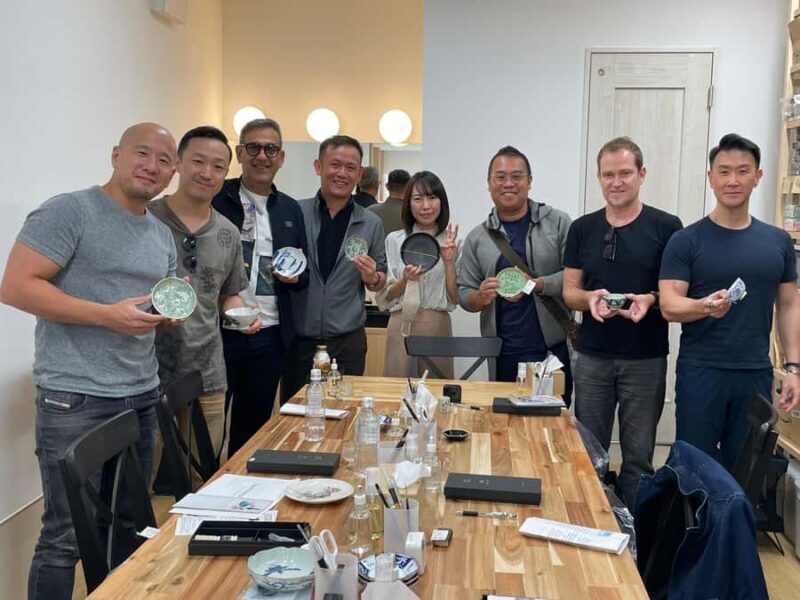
- Authentic learning experience: Guided by a certified Kintsugi master.
- Cultural insight: Deepens understanding of Japanese aesthetics and philosophies.
- Hands-on activity: Participate in key stages of the restoration process.
- Unique souvenir: Leave with a personalized, gold-finished ceramic piece.
- Materials provided: All supplies and instructions are included.
- Time commitment: Just 1.5 hours, ideal for fitting into a busy travel schedule.

👉 See our pick of the 25 Best Guided Tours In Tokyo
An In-Depth Look at the Kintsugi Workshop Experience
You can also read our reviews of more tours and experiences in Tokyo
Location and Accessibility
The workshop is conveniently located just a short walk from Senso-ji Temple in Asakusa, one of Tokyo’s most iconic neighborhoods. The studio, Kintsugi Tsugu Tsugu, is on the ground floor along Asakusa-dori Avenue, with coordinates 35.7093, 139.7940. Its central location makes it easy to combine with visits to nearby attractions or to plan as part of a day exploring Tokyo’s traditional side.
What is Kintsugi?
Before jumping into the hands-on part, it’s helpful to understand what makes Kintsugi special. This centuries-old Japanese technique involves repairing broken ceramics with a lacquer mixed with gold, creating a visually stunning contrast and emphasizing the cracks instead of hiding them. It embodies a philosophy of beauty in imperfection and resilience, making each piece not just functional but a symbol of strength.
The Workshop Breakdown
The 90-minute session is split into two main parts, both offering a tactile and engaging experience. It’s worth noting that the workshop is designed for accessibility—no prior experience needed—and materials are all provided, so you won’t need to bring anything but your enthusiasm.
First Half: Collaborative Restoration
You’ll start by participating in one of the essential intermediate steps in the Kintsugi process. Your guide, a professional with daily practice, will instruct you on tasks such as gluing or filling chips with sabi urushi, a natural lacquer. The specific step assigned on the day varies, which keeps the experience dynamic. This stage involves teamwork and patience, as your work will eventually be passed on to future guests, creating a chain of craftsmanship. A piece used in this step cannot be taken home but serves as a vital part of the workshop’s collaborative spirit.
Second Half: Final Gold Finishing
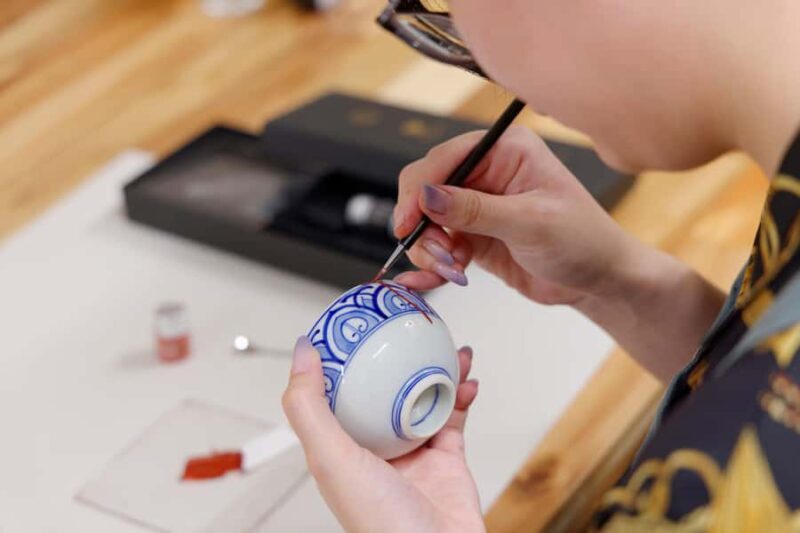
Next, you’ll select a pre-restored vessel—ranging from simple cups to small plates—and add the finishing touches. You’ll apply real urushi lacquer carefully, then sprinkle on genuine 23K gold powder to create the iconic Kintsugi look. The use of real gold makes this a luxurious touch that elevates the entire experience. It’s surprisingly satisfying to see your vessel transform with shimmering gold accents, turning what could be a simple repair into a piece of art.
More Great Tours NearbyThe Art of Making a Unique Keepsake
The beautiful part is that you get to take home your hand-finished ceramic vessel. Unlike many workshops that leave you with only memories, this one provides a tangible, functional artifact. It’s a reminder that beauty can arise from brokenness—a comforting message in today’s fast-paced world.




The Materials and Guidance
All necessary materials are prepared in advance. Participants are advised to wear clothes they don’t mind staining, as urushi lacquer can cause rashes in sensitive individuals. Gloves and arm covers are provided, and long-haired participants should tie back their hair for safety.
The workshop is led by an expert who practices daily, offering insights into the cultural significance of Kintsugi. From the philosophy behind embracing imperfections to the practical steps, the guide ensures everyone feels confident in their craft.
Curing and Care
A key part of the process involves waiting for the lacquer to cure. Traditional urushi takes several days to fully harden, requiring specific conditions—around 20-30°C and humidity levels of 70-85%. On the day, your finished piece is placed in a special drying box, and you’re advised to keep it closed for at least one night, extending up to a week for optimal curing.
An instruction manual is provided, guiding you on how to care for your piece at home, ensuring it remains beautiful for years to come. This extra care requirement adds a layer of authenticity, as you’re participating in the true traditional process.
Safety and Practical Tips
Urushi lacquer, while natural, can trigger allergic reactions. If you have a history of severe lacquer allergies, it’s best to skip this experience. For others, wearing protective clothing and keeping long hair tied back guarantees safety. The studio staff is attentive and takes precautions to minimize risks, but awareness is key.
Pricing and Value
The experience is priced to reflect its quality and authenticity. You pay for expert guidance, all materials, and the chance to create a truly exclusive piece. Considering that you leave with a custom gold-finished vessel, the value is high compared to typical souvenir shops. It’s an art lesson, a cultural lesson, and a keepsake rolled into one—at a reasonable cost for a memorable Tokyo activity.
Group Size and Atmosphere
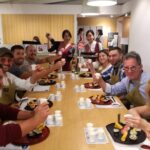
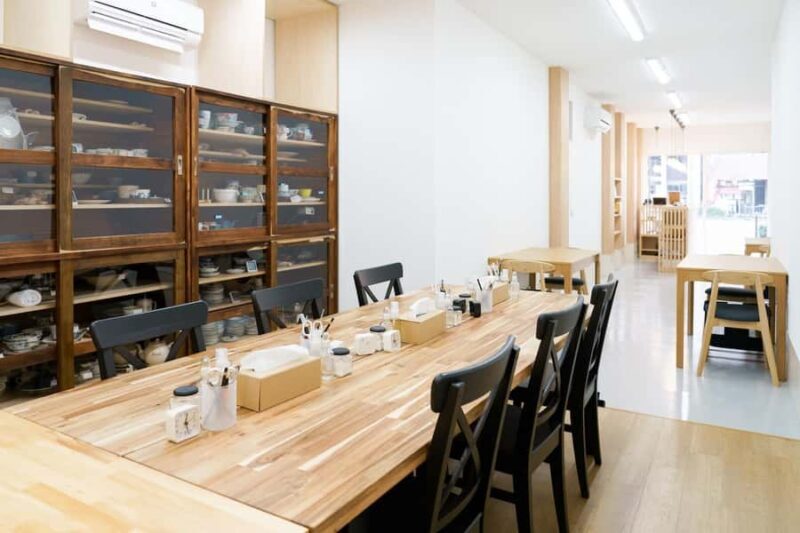
Typically, the workshop runs with small groups, making it intimate and personalized. This setting fosters a relaxed environment where questions are encouraged, and everyone feels comfortable experimenting. The guides are bilingual in English and Japanese, ensuring clear instructions for international visitors.
Additional Considerations
While the experience is generally straightforward, participants should plan for some curing time at home. The vessel needs to be kept in a dry, warm space to ensure the lacquer sets properly. The process might take anywhere from one night to a week, depending on conditions, so consider this when scheduling your day.
Who Should Do This?
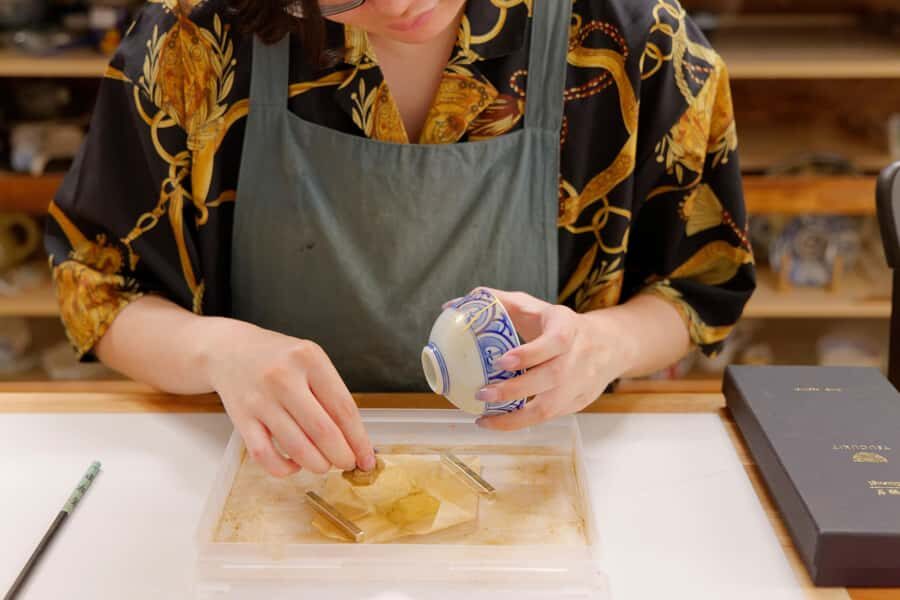
This workshop suits travelers looking for a cultural activity rooted in tradition. It’s ideal for craft enthusiasts, art lovers, or anyone wanting a meaningful souvenir that’s unlike mass-produced gifts. If you’re curious about Japanese values or enjoy hands-on experiences, you’ll find this both enriching and fun. It also makes for a great activity if you’re traveling with friends or family (over age 10), as it encourages shared creativity and conversation.
Final Thoughts on the Asakusa Kintsugi Workshop
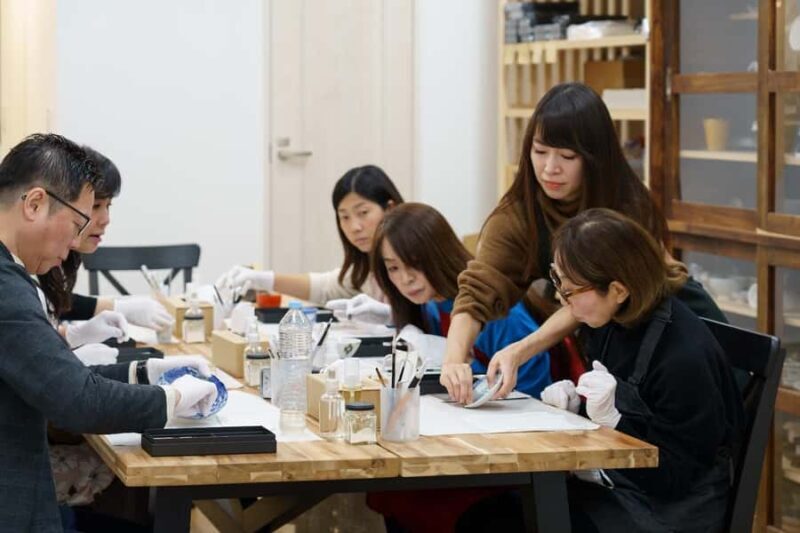
This experience stands out as a beautifully crafted way to connect with Japanese culture. The guided instruction by a professional artist, combined with the opportunity to participate in the core steps of Kintsugi, ensures you gain more than just a souvenir—you gain a story and a skill.
The quality of the materials, especially the use of genuine 23K gold, elevates the experience and the final product. Plus, the central Asakusa location means you can easily pair this activity with visits to Senso-ji and other local sights.
While the curing process requires some planning, the personal achievement and cultural insight make it well worth the effort. The workshop’s intimate setting and expert guidance create a memorable, authentic encounter with Japan’s approach to beauty and resilience.
In short, this Kintsugi workshop offers a balanced mix of education, creativity, and culture—an experience to cherish and a perfect addition to your Tokyo travel itinerary. Whether you’re a dedicated traveler or simply looking for a unique activity, it’s worth considering for a taste of true Japanese craftsmanship.
FAQs
Is this workshop suitable for children?
Children over the age of 10 can participate, but younger kids might find the handling of lacquer and materials challenging. It’s best suited for those with enough patience and dexterity.
Do I need to bring anything?
No, all materials are provided. Just wear clothes you don’t mind getting stained and have long hair tied back if necessary.
How long does the curing process take?
The finished pieces need to cure for at least one night, and possibly up to a week for full curing, especially if conditions are cooler or more humid.
Can I choose the vessel I work on?
No, the vessel used in the restoration part is assigned on the day. However, you select a vessel for the final gold finishing stage from pre-restored options.
Is the experience guided in English?
Yes, the guides speak both English and Japanese, ensuring clear instructions and cultural insights.
What should I wear for the workshop?
Clothes that can get stained are recommended. Gloves and arm covers are provided for safety.
What is the price of the workshop?
While the specific cost isn’t stated, the value lies in the quality of experience, materials, and the final personalized vessel you take home.
What if I’m allergic to lacquer?
Those with a severe history of lacquer allergies should avoid participating, as urushi lacquer can cause skin rashes.
To sum it up, this Kintsugi workshop in Asakusa offers a genuine, hands-on dive into Japanese craftsmanship, emphasizing the beauty of imperfection. It’s perfect for artistic souls, culture seekers, and anyone wishing to craft a meaningful souvenir while learning about resilience and aesthetics.
You can check availability for your dates here: More Great Tours Nearby