In the heart of Paris, a city known for its timeless elegance and artistic flair, lies a treasure trove of architectural marvels that whisper tales of a bygone era. The 19th century bourgeois class, with their insatiable appetite for opulence and refinement, left an indelible mark on the fabric of the city.
As one meanders through the streets, a symphony of ornate facades, intricate ironwork, and majestic domes unfolds before their eyes, each structure telling a story of wealth, aspiration, and societal change.
From the grand boulevards meticulously crafted by Baron Haussmann to the enchanting Galerie Lafayette with its labyrinthine halls, the architectural landscape of 19th century Paris beckons us to unravel its secrets, to immerse ourselves in the world of the bourgeoisie and their vision of a city that would forever capture the essence of elegance and sophistication.
- Good To Know
- Historical Background of 19th Century Paris
- Influences on Architectural Style
- Notable Architectural Features
- Iconic Buildings and Structures
- The Role of the Bourgeoisie in Shaping Parisian Architecture
- Architectural Trends and Movements
- Preservation and Restoration Efforts
- Impact of 19th Century Architecture on Modern Paris
- Common Questions
- What Are Some Specific Examples of Architectural Features Commonly Found in 19th Century Parisian Buildings?
- How Did the Role of the Bourgeoisie Influence the Architectural Style and Design of Buildings in 19th Century Paris?
- Can You Provide Information About Any Notable Architectural Trends or Movements That Emerged During the 19th Century in Paris?
- What Efforts Have Been Made to Preserve and Restore 19th Century Buildings in Paris?
- In What Ways Has 19th Century Architecture in Paris Influenced Modern Architectural Designs and Structures in the City?
- The Sum Up
- The Best Of Paris!
- More Tour Reviews in Paris
- Not for you? Here's more nearby things to do in Paris we have reviewed
Good To Know
- The architectural style in 19th century Paris was heavily influenced by historical events such as the French Revolution and the rise of Napoleon Bonaparte, as well as the Industrial Revolution and technological advancements.
- Notable architectural features during this period included Haussmannian architecture, the use of wrought iron for balconies and railings, grandiose entrances with intricate carvings, symmetrical facades, and opulent interiors in mansions and townhouses.
- Iconic buildings and structures like the Eiffel Tower, Louvre Museum, and Palais Garnier showcased the artistic vision and architectural genius of the era.
- The bourgeoisie played a significant role in shaping Parisian architecture, preferring neoclassical and eclectic styles, commissioning renowned architects, and influencing urban planning and infrastructure.

👉 See our pick of the 25 Best Shopping Tours In Paris
Historical Background of 19th Century Paris
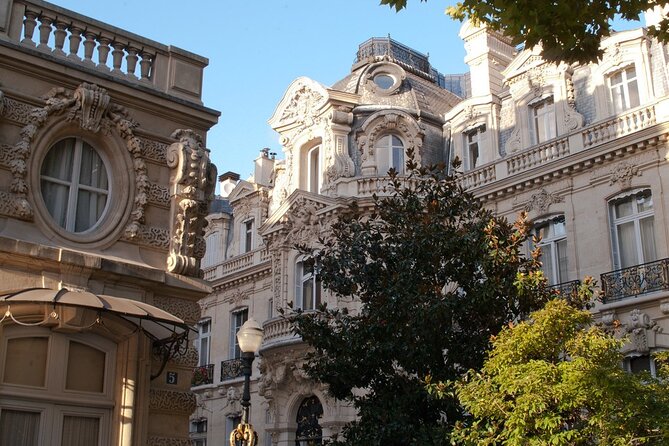
The 19th century in Paris was a time of profound transformation, marked by a series of historical events that would leave an indelible mark on the city’s architectural landscape.
The most significant of these events was the French Revolution, which swept away the old order and ushered in a new era of political and social change.
This period of upheaval was followed by the rise of Napoleon Bonaparte, whose ambitious city planning projects sought to transform Paris into a grand imperial capital.
The construction of iconic landmarks such as the Arc de Triomphe and the Louvre Museum exemplified this vision of architectural magnificence.
Plus, the Industrial Revolution brought about rapid urbanization and technological advancements, leading to the construction of the iconic Eiffel Tower, a symbol of modernity and progress.
These historical events, with their political, social, and technological implications, played a pivotal role in shaping the architectural landscape of 19th century Paris.
You can also read our reviews of more tours and experiences in Paris.



Influences on Architectural Style
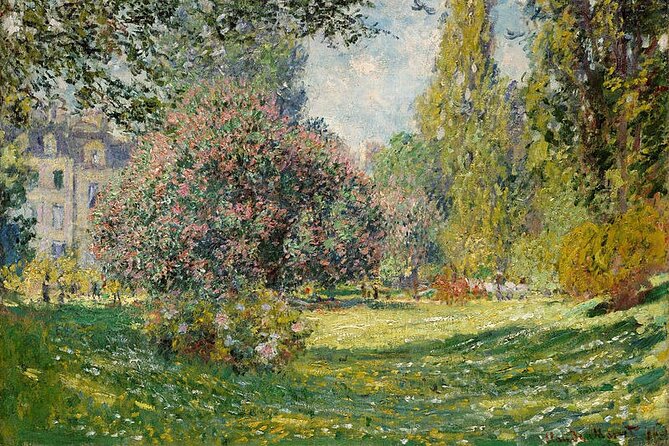
The architectural style of 19th century Paris was influenced by a myriad of factors, including historical events, cultural movements, and technological advancements. These influences shaped the city’s buildings and structures, creating a unique blend of styles that still captivates visitors today.
Here are three key influences on the architectural style of 19th century Paris:
Historical Events: The French Revolution and the subsequent rise of Napoleon Bonaparte had a profound impact on the architecture of Paris. The city saw a shift towards neoclassical and empire styles, with grand buildings and monuments inspired by ancient Greece and Rome.
Cultural Movements: The Romantic movement, with its emphasis on emotion, individualism, and nature, influenced the architectural style of the time. This led to the development of picturesque and eclectic styles, characterized by their ornate details and romantic motifs.
Technological Advancements: The industrial revolution brought about significant advancements in construction techniques and materials. The use of iron and glass allowed for the creation of large, open spaces and intricate facades, leading to the emergence of the iconic Parisian glass-roofed arcades and the grand Haussmannian boulevards.
These influences combined to create an architectural landscape that reflects the rich history, culture, and innovation of 19th century Paris.
Notable Architectural Features
The architectural landscape of 19th century Paris was influenced by historical events, cultural movements, and technological advancements. One such feature is the Haussmannian architecture, characterized by grand boulevards, uniform facades, and ornate balconies. These buildings, with their distinctive mansard roofs and ironwork details, exude a sense of elegance and opulence.
Another prominent feature is the use of wrought iron in balconies, gates, and railings, adding a touch of intricate beauty to the cityscape. The grandiose entrances of buildings, adorned with intricate carvings and sculptures, create a sense of grandeur and importance.
Lastly, the iconic mansions and townhouses, with their symmetrical facades and grand staircases, exemplify the architectural splendor of the era. These notable features, combined with the romantic charm of the city, make 19th century Paris an architectural treasure trove.
Iconic Buildings and Structures
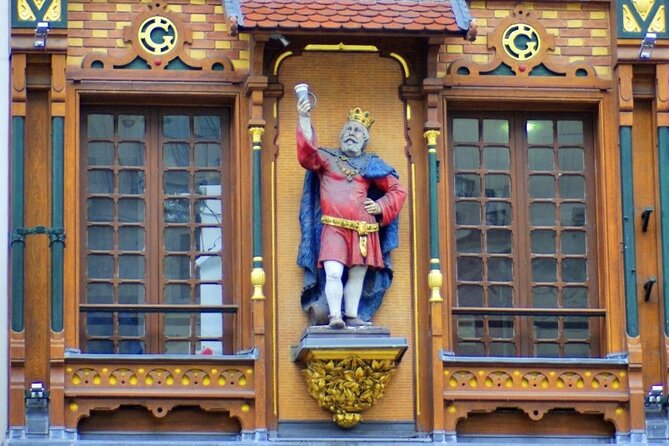
Nestled within the enchanting streets of 19th century Paris, a symphony of iconic buildings and structures emerges, each one a testament to the architectural brilliance of the era. These magnificent structures stand tall, capturing the imagination and evoking a sense of awe and wonder.
Here are three of the most iconic buildings and structures that define the architectural splendor of bourgeois Paris:
The Eiffel Tower: Rising gracefully above the cityscape, the Eiffel Tower is a true symbol of Paris. Its intricate iron lattice design and towering height make it a marvel of engineering and a beloved landmark.
The Louvre Museum: A masterpiece in itself, the Louvre Museum showcases a harmonious blend of Renaissance and classical architectural styles. Its grand façade, adorned with intricately carved sculptures and majestic columns, beckons visitors to explore the treasures within.
The Palais Garnier: With its opulent interiors and lavish ornamentation, the Palais Garnier is a true gem of 19th century architecture. The grand staircase, adorned with marble and gold, leads to a breathtaking auditorium adorned with plush velvet and gilded accents.
These iconic buildings and structures serve as a testament to the artistic vision and architectural genius of the 19th century, inviting visitors to enjoy the timeless beauty of Paris.
The Role of the Bourgeoisie in Shaping Parisian Architecture
With their refined tastes and deep pockets, the bourgeoisie of 19th century Paris played a pivotal role in shaping the city’s architectural landscape. They sought to create a city that reflected their social status and aspirations, resulting in the construction of grand buildings and structures that still stand today as a testament to their influence. The bourgeoisie favored neoclassical and eclectic styles, blending elements from different architectural movements to create unique and opulent buildings. Their desire for spaciousness and comfort led to the development of wide boulevards, elegant townhouses, and luxurious apartments. In their pursuit of sophistication, they commissioned renowned architects and designers to create masterpieces that showcased their wealth and taste. As a result, Paris became a city of architectural marvels, where each building tells a story of the bourgeoisie’s vision and legacy.
| Architectural Styles | Examples |
|---|---|
| Neoclassical | Palais Garnier, Arc de Triomphe |
| Eclectic | The Louvre, Eiffel Tower |
| Haussmannian | Haussmann’s Paris renovation plan |
The bourgeoisie not only transformed the physical appearance of the city but also influenced the urban planning and infrastructure. They advocated for the creation of parks, squares, and public spaces, which provided recreational areas for the city’s residents while enhancing the aesthetic appeal of Paris. Their investment in transportation infrastructure, such as railways and bridges, facilitated the development of new neighborhoods and improved connectivity within the city.
Paris became a stage for the bourgeoisie’s architectural ambitions, a canvas upon which they expressed their wealth, taste, and social standing. The result is a cityscape that continues to inspire and captivate, a testament to the enduring legacy of the bourgeoisie in shaping Parisian architecture.


Architectural Trends and Movements
In the vibrant streets of 19th century Paris, a symphony of architectural trends and movements danced together, each contributing its unique melody to the grand composition of the cityscape. The architectural landscape of this time was a reflection of the changing social and cultural fabric of Paris, as well as the technological advancements that allowed for new possibilities in design and construction.
Here are three notable architectural trends and movements that left their mark on the city:
Haussmannization: Under the direction of Baron Haussmann, Paris underwent a massive urban reconstruction project that aimed to modernize the city and improve sanitation. This led to the creation of wide boulevards, grand avenues, and uniform building facades, giving Paris its iconic architectural style.
Neo-Gothic Revival: Inspired by the medieval cathedrals of France, architects embraced the Gothic style, characterized by pointed arches, ribbed vaults, and elaborate ornamentation. Notable examples include the Sainte-Chapelle and the Basilica of Sacré-Cœur.
Art Nouveau: As the 19th century drew to a close, a new artistic movement emerged, characterized by organic forms, flowing lines, and nature-inspired motifs. Architects like Hector Guimard incorporated these elements into their designs, leaving behind a legacy of stunning Art Nouveau buildings such as the entrances to the Paris Métro.
These architectural trends and movements not only shaped the physical landscape of 19th century Paris, but also contributed to its cultural identity, leaving behind a lasting legacy of beauty and innovation.
Preservation and Restoration Efforts
Preservation and restoration efforts in 19th century Paris have played a vital role in maintaining the architectural legacy of the city, ensuring that its historic buildings and landmarks continue to stand as testaments to its rich cultural heritage.
These efforts have been a dance between the past and the present, a delicate balance between preserving the authenticity of the structures while adapting them to the needs of modern life. Skilled craftsmen and architects have meticulously worked to restore the intricate details and ornate facades, breathing new life into these architectural treasures.
From the grandeur of the Louvre to the elegance of the Palais Garnier, these restoration projects have allowed Parisians and visitors alike to step back in time and appreciate the beauty and craftsmanship of the 19th century.
Impact of 19th Century Architecture on Modern Paris
The architectural treasures of 19th century Paris have left an indelible mark on the city’s landscape, shaping and influencing the modern Paris we see today. The grandeur and elegance of these structures continue to captivate visitors and residents alike, reminding them of the city’s rich history and artistic legacy.
Here are three ways in which 19th century architecture has impacted modern Paris:
Iconic Landmarks: The iconic landmarks of 19th century Paris, such as the Eiffel Tower and the Louvre Museum, have become symbols of the city and its cultural identity. These architectural marvels attract millions of travelers every year, contributing to the city’s economy and global reputation.
Haussmannian Influence: The extensive renovation and urban planning carried out by Baron Haussmann in the 19th century transformed the city’s layout, creating wide boulevards, spacious parks, and uniform facades. This urban design still characterizes the modern Parisian streetscape, providing a sense of order and elegance.
Preservation Efforts: The appreciation for 19th century architecture has led to a concerted effort to preserve and restore these historic buildings. Many of these structures have been transformed into museums, hotels, and residences, allowing people to experience the grandeur of the past while embracing the comforts of the present.
The architectural legacy of 19th century Paris is a testament to the city’s enduring allure and its commitment to preserving its cultural heritage.
Common Questions
What Are Some Specific Examples of Architectural Features Commonly Found in 19th Century Parisian Buildings?
In 19th century Parisian buildings, one can find specific architectural features such as ornate balconies, decorative wrought ironwork, grand entrances with intricate carvings, elegant mansard roofs, and symmetrical facades adorned with neoclassical elements. These elements showcase the opulence and sophistication of the architectural bourgeois style.
How Did the Role of the Bourgeoisie Influence the Architectural Style and Design of Buildings in 19th Century Paris?
The role of the bourgeoisie in 19th century Paris influenced the architectural style and design of buildings by promoting a sense of grandeur and opulence. This can be seen in the use of ornate decorations, large windows, and spacious interiors.
Can You Provide Information About Any Notable Architectural Trends or Movements That Emerged During the 19th Century in Paris?
During the 19th century in Paris, notable architectural trends and movements emerged that shaped the city’s landscape. These included the Haussmannization of Paris, the rise of the Beaux-Arts style, and the Art Nouveau movement, among others.
What Efforts Have Been Made to Preserve and Restore 19th Century Buildings in Paris?
Efforts to preserve and restore 19th century buildings in Paris have been extensive, with government initiatives, private organizations, and architectural professionals collaborating to protect the city’s architectural heritage. Restoration techniques and materials are carefully chosen to ensure authenticity and longevity.
In What Ways Has 19th Century Architecture in Paris Influenced Modern Architectural Designs and Structures in the City?
The architectural legacy of 19th century Paris has greatly influenced modern designs and structures in the city. From Haussmann’s grand boulevards to the ornate details of the Belle Époque, this rich heritage continues to shape and inspire contemporary architectural creations.
The Sum Up
To sum it up, the architectural landscape of 19th century Paris reflects the grandeur and influence of the bourgeoisie class.
From the Haussmannian buildings to the intricate details of the Galerie Lafayette, the city’s aesthetic was shaped by the opulence and taste of this influential group.
The iconic structures and preservation efforts continue to inspire and captivate visitors today, leaving a lasting impact on the modern Parisian architecture.