Trekking in Nepal is often considered one of the most rewarding adventures for lovers of nature and culture, and the Annapurna Trek with Throng-la Pass stands out as a particularly memorable route. This 11-day journey curated by Global Eco Trails promises a blend of mountain majesty, local flavor, and challenging passes, all wrapped in the warm hospitality of Nepalese villages.
What makes this trek especially compelling? We love the diverse landscapes, from lush valleys to high mountain passes; the cultural encounters in authentic villages; and the spectacular views of Mt. Annapurna and surrounding peaks. On the flip side, the itinerary’s physical demands and high-altitude crossings might be challenging for some, making this experience best suited for those with moderate fitness levels.
If you’re keen on conquering a renowned trail that offers both adventure and culture, this trek is a fantastic choice. Whether you’re a seasoned trekker or a determined beginner eager to push your limits, you’ll find plenty to love here.
- Good To Know
- An Authentic Nepalese Trekking Experience
- Day-by-Day Breakdown of the Trek
- Day 1: Kathmandu to Dharapani
- Day 2: Dharapani to Chame
- Day 3: Chame to Pisang
- Day 4: Pisang to Manang
- Day 5: Rest Day in Manang
- Day 6: Manang to Yak Kharka
- Day 7: Yak Kharka to High Camp
- Day 8: Crossing Throng-la Pass to Muktinath
- Day 9: Muktinath to Jomsom via Kagbeni
- Day 10: Jomsom to Tatopani
- Day 11: Tatopani to Pokhara
- Food, Accommodation, and Logistics
- Physical Demands and What to Prepare
- Food and Cultural Experiences
- Who Is This Trek For?
- Final Thoughts
- FAQ
- The Best Of Kathmandu!
- More Hiking & Trekking Tours in Kathmandu
- More Tour Reviews in Kathmandu
- Not for you? Here's more nearby things to do in Kathmandu we have reviewed
Good To Know
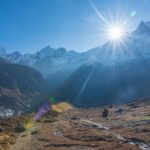
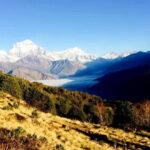
- Stunning Scenery: Experience breathtaking views of Mt. Annapurna and the Himalayas.
- Cultural Immersion: Visit charming villages and interact with local communities.
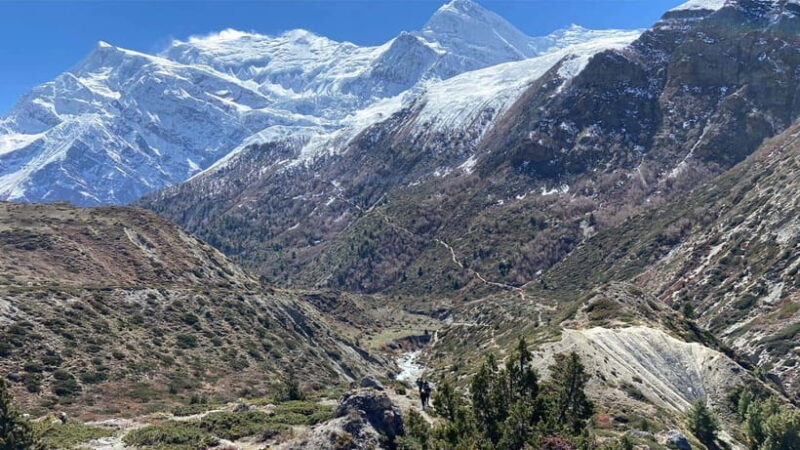
- Varied Terrain: From lush forests to high-altitude passes, the trail offers diverse landscapes.
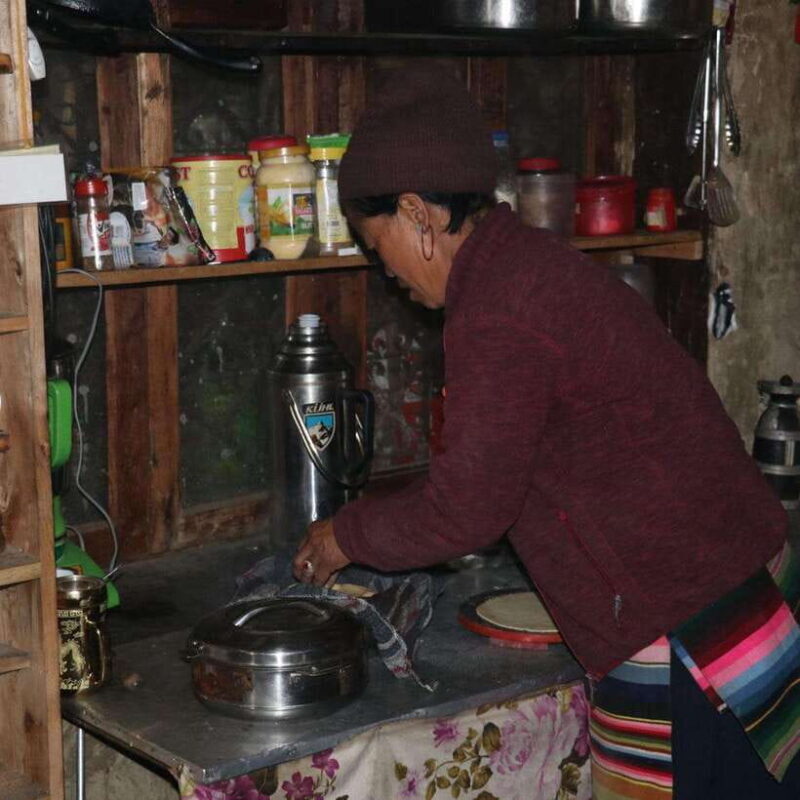
- Food and Comfort: Enjoy local Nepali cuisine and comfortable accommodations along the route.
- Expert Guidance: Led by knowledgeable guides, ensuring safety and insight.
- Flexible for Different Trekkers: Suitable for solo travelers, families, and groups with moderate fitness.
👉 See our pick of the 14 Best Shopping Tours In Kathmandu
An Authentic Nepalese Trekking Experience
This trek through the Annapurna Conservation Area is carefully designed to balance adventure, scenery, and cultural exposure. Starting from Kathmandu, you’ll travel by local bus and sharing jeep—an experience in itself—before heading into the hills. The route is thoughtfully planned to include acclimatization days, helping prevent altitude sickness, which is crucial given the high passes and elevations you’ll encounter.
Guided by professional trekkers, you’ll get more than just a walk in the mountains; you’ll gain insights into local life, traditions, and the stunning natural beauty that defines Nepal. The guides, such as those from Global Eco Trails, are praised for their professionalism, local knowledge, and friendly demeanor. One reviewer mentioned their guide, “Mohan,” as being particularly attentive and informative, making the journey even more enjoyable.
You can also read our reviews of more hiking tours in Kathmandu
Day-by-Day Breakdown of the Trek
Day 1: Kathmandu to Dharapani
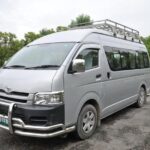
Your adventure begins with a long but scenic drive, first by bus from Kathmandu to Beshisahar, then by shared jeep to Dharapani. Expect a 9-hour transfer that sets the stage with views of the foothills and terraced fields. Although long, this day is an important part of gradually acclimating your body to the altitude.
Day 2: Dharapani to Chame
This 6-hour trek covers about 15 km through lush forests and local villages, arriving at Chame at 2,700 meters. The path offers a gentle warm-up with plenty of opportunities to observe local life and the changing landscape.
More Great Tours NearbyDay 3: Chame to Pisang
A 5-hour walk brings you to Pisang at 3,200 meters. Here, you’ll notice the landscape starting to shift as you gain altitude, with pine forests giving way to more exposed terrain. Reviewers appreciate how the trail offers a good mix of scenery and cultural sights.
Day 4: Pisang to Manang
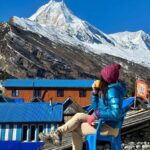
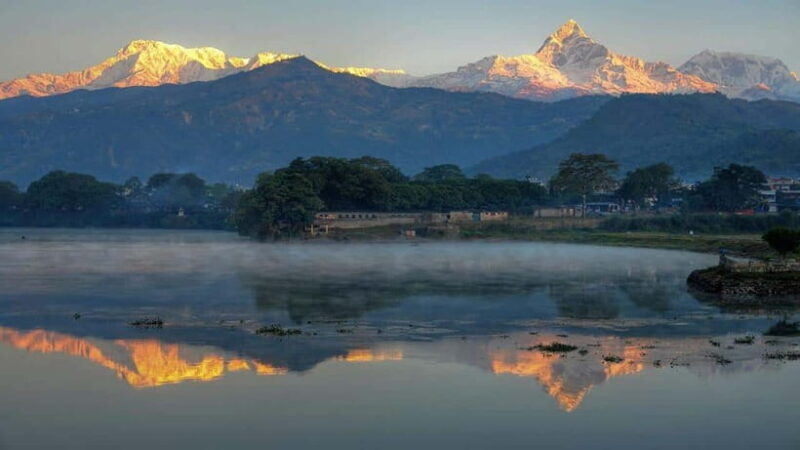
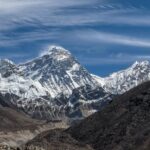
Covering 17 km over 6 hours, this day takes you to the famed village of Manang at 3,440 meters. The village is a hub for trekkers, with several lodges and a chance to sample local food. The views of Annapurna range from here are especially praised, and many mention the “vibrant mountain scenery” as a highlight.
Day 5: Rest Day in Manang
An essential acclimatization day, allowing your body to adjust before tackling higher elevations. Use this time for short hikes or exploring the village’s cultural sites.
Day 6: Manang to Yak Kharka
A shorter, 5-hour trek of 10 km, ascending to 4,050 meters. The landscape opens up to alpine meadows and striking mountain views. One reviewer said, “The landscape here feels like stepping into another world.”
Day 7: Yak Kharka to High Camp
This 5-hour, 8 km trek takes you to the high camp at 4,925 meters, preparing for the Throng-la Pass crossing. The ascent is demanding but rewarding, with a sense of achievement building with every step.
Day 8: Crossing Throng-la Pass to Muktinath
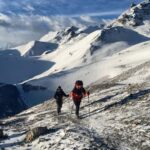
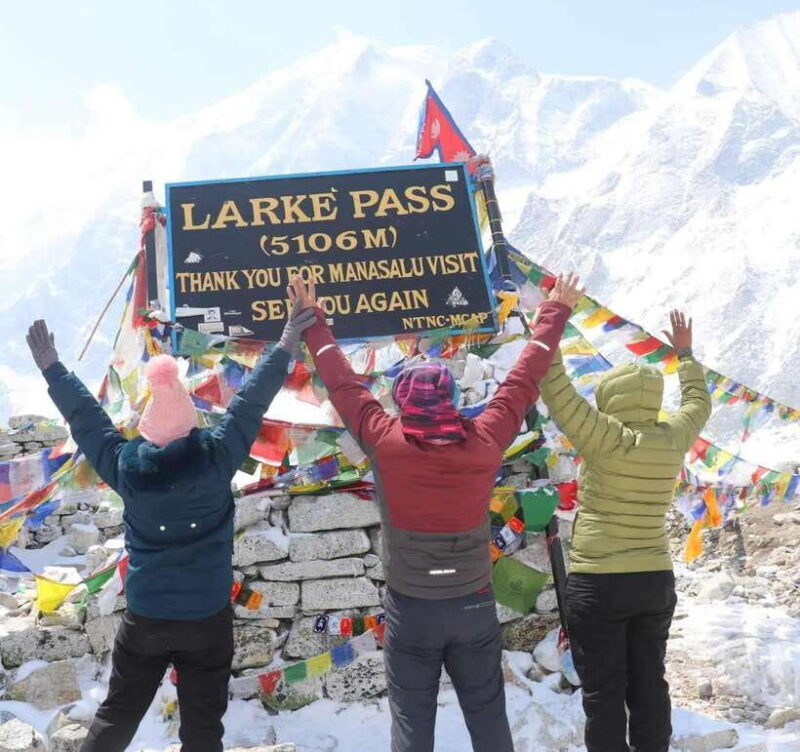
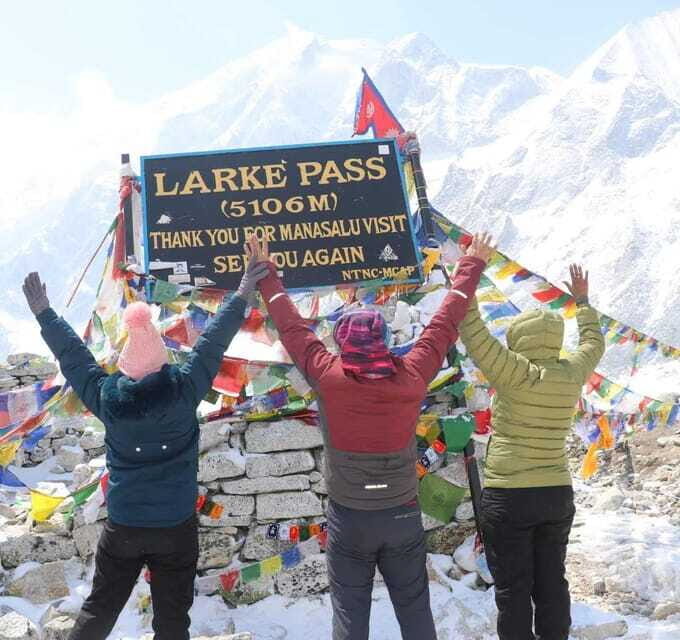
The most challenging day—over 7 hours and 15 km—this involves crossing the Throng-la Pass at 5,416 meters. The pass offers breathtaking panoramic views and a sense of crossing into the high Himalayas. Reviewers consistently mention the “thrill of the summit” and the stunning mountain vistas as unforgettable moments. The descent to Muktinath, a sacred site, adds a spiritual dimension to the journey.
Day 9: Muktinath to Jomsom via Kagbeni
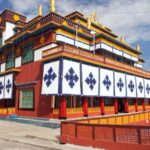
A 6-hour trek through desert-like landscape, with visits to the renowned Muktinath Temple. The landscape here is stark but beautiful, with many travelers noting the unique scenery compared to lush lower valleys.
Day 10: Jomsom to Tatopani
A scenic 4-hour bus ride of 48 km, ending at Tatopani, famous for its natural hot springs. Many enjoy soaking in the warm waters after days of trekking—a relaxing and culturally immersive experience. One review called it “the perfect way to unwind” before heading to Pokhara.
Day 11: Tatopani to Pokhara
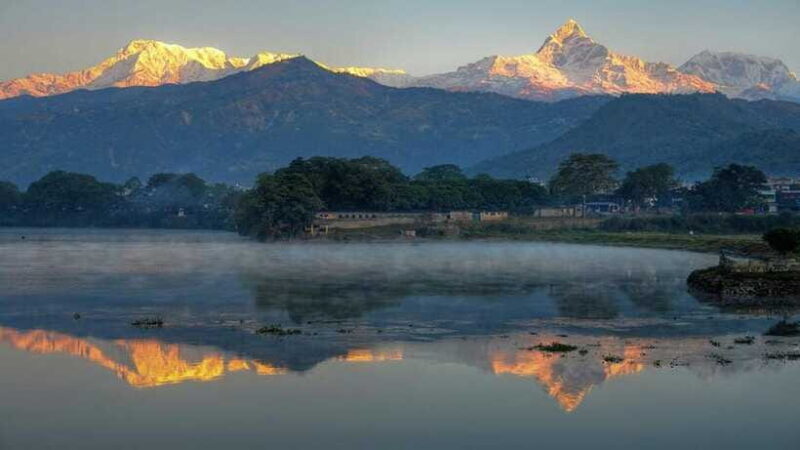
The final leg by bus (about 6 hours), offering a scenic ride with mountain vistas and lush greenery as you descend into the lake city of Pokhara. This ending provides a perfect reward and a chance to reflect on the journey.
Food, Accommodation, and Logistics
The trek features local guesthouses and hotels that are government-approved, providing a comfortable base for each stop. Expect a mix of moderate and deluxe rooms, with the exception of the Throng-la Pass area, where the accommodations are more basic due to the high-altitude location.
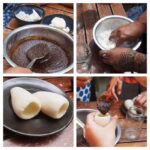
Food options are surprisingly varied. While Nepali staples like Dal Bhat are plentiful, many lodges also serve pizza, pasta, and other Western dishes—much appreciated after days of trekking. Reviewers consistently mention how the food quality and variety add to the overall enjoyment.
Transportation is well-organized, starting with a bus to Beshisahar, followed by jeep rides into the mountains, then buses back from Tatopani and Pokhara. The transport arrangements are crucial, especially considering the long travel times; most travelers find them reliable and comfortable.
Physical Demands and What to Prepare
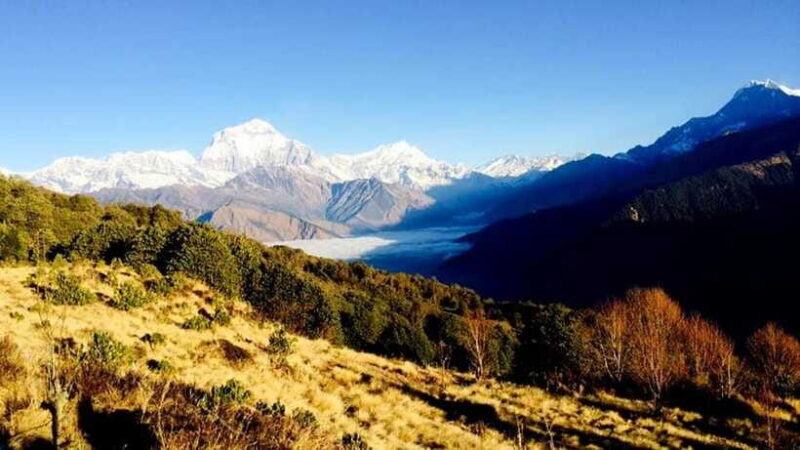
This trek is physically demanding, especially crossing the Throng-la Pass at over 5,400 meters. Expect steep ascents, cold temperatures, and changing weather conditions. Participants should have moderate fitness levels and be comfortable with spending several hours walking daily.
Acclimatization days are built into the itinerary to help prevent altitude sickness, but travelers should still be prepared with proper gear, warm clothing, and a good sense of adventure. Reviewers suggest bringing comfortable shoes, layered clothing, sunscreen, and a reusable water bottle.
Food and Cultural Experiences
Food on the trail is one of the most surprisingly positive aspects. Expect hearty Nepali dishes like Dal Bhat, fresh vegetable curries, and some Western comfort foods. Many express delight at the variety, noting that “the food is similar to Kathmandu and Pokhara,” with “plenty of recipes to enjoy.”
Along the way, you’ll pass through villages where you can observe traditional lifestyles and local customs. While the guide leads the group, interactions with villagers often include brief chats and photos, enriching the cultural dimension of the trek.
Who Is This Trek For?
This journey is perfect for travelers seeking a balance of challenge and beauty. It suits moderately fit individuals, adventure lovers eager for a high-altitude crossing, and those interested in culture. It’s less ideal for very young children, pregnant women, or those with mobility or altitude sickness concerns.
The small group size (limited to 10 participants) ensures personalized guidance and a communal atmosphere, making it a suitable choice for solo trekkers, couples, or small groups.
Final Thoughts
The Annapurna Trek with Throng-la Pass offers an immersive experience that combines awe-inspiring mountain views with authentic cultural encounters. The route’s varied terrain, from lush forests to high mountain passes, keeps the journey dynamic and engaging. The presence of expert guides and well-organized logistics adds peace of mind, enabling you to focus on the stunning scenery and unique local interactions.
This trek’s value lies in its ability to deliver a challenging, rewarding adventure while providing comfortable amenities at most stops. It’s a journey designed for those who want to push their physical limits but also cherish the cultural richness of Nepal. The breathtaking vistas, warm local hospitality, and sense of achievement at crossing Throng-la Pass make this trek a standout in the world of Himalayan adventures.
If you’re after a trip that offers both natural beauty and cultural depth in a manageable timeframe, this trek hits the mark perfectly. Just remember to prepare well, pack appropriately, and brace yourself for one of the most memorable journeys of your life.
FAQ
What is the starting point of the trek?
The trek begins in Kathmandu, with transportation arranged to Beshisahar and then to Dharapani, the first trekking stop.
How long is the trek each day?
Most days involve about 5 to 7 hours of walking, with some longer or more challenging days, especially crossing Throng-la Pass.
Are there acclimatization days?
Yes, the itinerary includes scheduled acclimatization in Manang and other stops to help prevent altitude sickness.
What type of accommodations are provided?
Accommodation ranges from local government-approved hotels and guesthouses; expect moderate to deluxe rooms, though more basic options are available in high-altitude areas.
What does the food on the trail include?
Food options are varied, featuring Nepali staples like Dal Bhat and local dishes, as well as Western foods like pizza, which many find comforting after days of trekking.
Is transportation included?
Yes, transportation to the trek’s starting and ending points (Kathmandu to Beshisahar, Tatopani to Pokhara) is included via public or private vehicles.
What level of fitness is required?
A moderate level of fitness is recommended due to long walks, high-altitude passes, and the physical demands of the ascent.
Can I participate if I am traveling solo?
Absolutely. The trek is limited to 10 participants, making it ideal for solo travelers seeking a small-group adventure.
Is this trek suitable for children or seniors?
It’s not recommended for children under 8 or seniors over 70, especially those with mobility or altitude issues.
To sum it up, the Annapurna Trek with Throng-la Pass combines stunning scenery, cultural richness, and a genuine sense of achievement. Whether you’re after a challenging adventure or a deeply immersive Nepali experience, this trek offers a remarkable journey that will stay with you long after you’ve returned home.
You can check availability for your dates here: More Great Tours Nearby