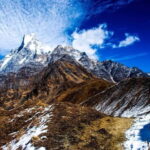
Among the countless treks available in the world, the Annapurna Circuit Trekking stands out as a true adventurer’s paradise. With its diverse landscapes, ranging from lush valleys to towering snow-capped peaks, it’s no wonder that this trek attracts over 40,000 visitors each year.
But what makes this trek truly remarkable? Well, imagine traversing through the world’s deepest gorge, crossing high mountain passes, and enjoying the rich cultural heritage of the local communities along the way. It’s a journey that promises both physical and mental challenges, but the rewards are immeasurable.
So, if you’re ready to embark on an epic adventure, strap on your hiking boots and get ready to discover the wonders of the Annapurna Circuit Trekking.
- Good To Know
- Best Time to Trek Annapurna Circuit
- Annapurna Circuit Trek Difficulty
- Essential Trekking Gear for Annapurna Circuit
- Annapurna Circuit Itinerary and Route
- Highlights of Annapurna Circuit Trek
- Accommodation Options on Annapurna Circuit
- Tips for a Successful Annapurna Circuit Trek
- Common Questions
- Can I Do the Annapurna Circuit Trek Without a Guide?
- Are There Any Age Restrictions for the Annapurna Circuit Trek?
- What Is the Availability of Food and Water Along the Annapurna Circuit Trek Route?
- Are There Any Cultural Considerations or Customs I Should Be Aware of During the Annapurna Circuit Trek?
- What Are the Safety Precautions I Should Take During the Annapurna Circuit Trek?
- The Sum Up
- The Best Of Kathmandu!
- More Hiking & Trekking Tours in Kathmandu
- More Tour Reviews in Kathmandu
- Not for you? Here's more nearby things to do in Kathmandu we have reviewed
Good To Know
- Spring and autumn (March to May and September to November) are the best times to trek the Annapurna Circuit, with clear skies, moderate temperatures, and stunning views of the Himalayan peaks.
- The trek involves difficult terrain with steep ascents, descents, rocky paths, and narrow sections, making it challenging even for fit individuals.
- Altitude sickness can affect anyone, so it’s important to be aware of the symptoms and take necessary precautions.
- Essential gear such as sturdy hiking boots, warm clothing, a first aid kit, and a sleeping bag should be carried, and it’s advisable to trek with a guide or in a group for safety.
👉 See our pick of the 14 Best Shopping Tours In Kathmandu
Best Time to Trek Annapurna Circuit
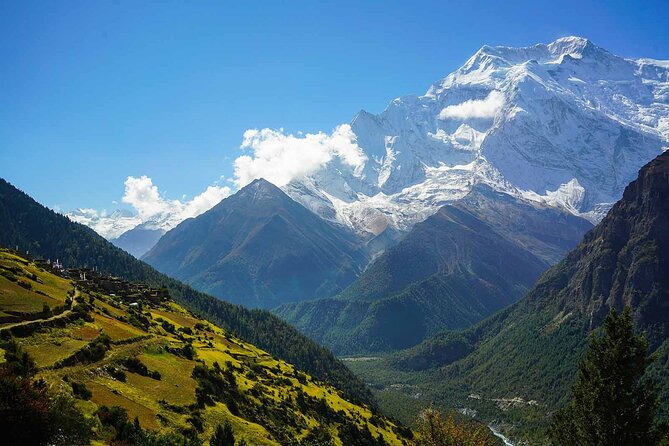
The best time to embark on the Annapurna Circuit trek is during the spring and autumn seasons when the weather is ideal for a thrilling and immersive mountain adventure. These seasons, from March to May and September to November, offer clear skies, moderate temperatures, and stunning views of the surrounding Himalayan peaks.
During these times, the trails are also less crowded, allowing trekkers to fully enjoy the awe-inspiring beauty of the Annapurna region.
It’s important to note that trekking permits are required for the Annapurna Circuit, and these can be obtained from the Nepal Tourism Board or through authorized trekking agencies. These permits ensure the safety and sustainability of the trek, and also provide valuable support to the local communities along the route.
You can also read our reviews of more hiking tours in Kathmandu
Annapurna Circuit Trek Difficulty
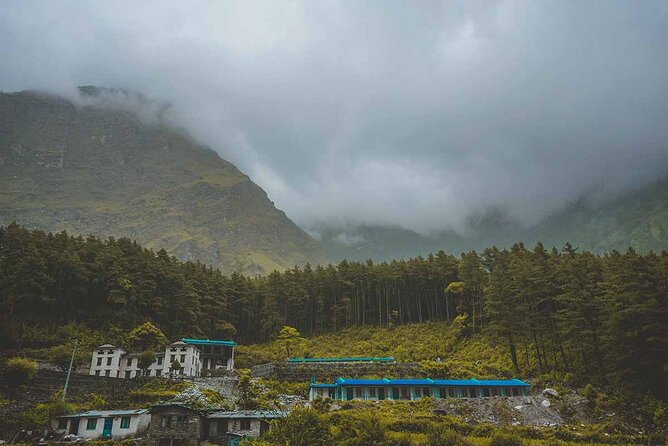
Embarking on the Annapurna Circuit trek is a thrilling and challenging adventure that tests the limits of even the most experienced hikers. The trek presents a range of challenges that add to its allure and make it a truly unforgettable experience.
Here are some of the challenges that trekkers may encounter along the Annapurna Circuit:
Altitude sickness: The trek reaches high altitudes, and altitude sickness can affect even the fittest individuals. It’s important to acclimatize properly and take necessary precautions.
Unpredictable weather: The weather in the Himalayas can change rapidly, with sudden snowstorms and heavy rainfall. Trekkers must be prepared for all kinds of weather conditions.
Difficult terrain: The trail consists of steep ascents and descents, rocky paths, and narrow sections. It requires a good level of physical fitness and agility.
Remote location: The Annapurna Circuit is located in a remote area, with limited access to facilities and medical assistance. Trekkers must be self-sufficient and carry essential supplies.
Permits and regulations: Obtaining the necessary permits and abiding by the trekking regulations is essential. It’s important to research and plan accordingly to ensure a smooth trekking experience.
Essential Trekking Gear for Annapurna Circuit
Prepare for your epic adventure on the Annapurna Circuit by ensuring you have the essential trekking gear. It’s recommended to have a reliable trekking guide, sturdy trekking boots, warm clothing, a good backpack, and a reliable sleeping bag to ensure a comfortable and safe journey on the Annapurna Circuit.
The Annapurna Circuit offers a variety of food options along the trail, ranging from traditional Nepali cuisine to international dishes. Trekkers can enjoy dal bhat (lentil soup with rice), momos (dumplings), and even pizza or pasta in the teahouses and lodges scattered throughout the circuit. It’s important to maintain proper nutrition and hydration during the trek to stay energized and avoid altitude sickness.
In terms of health and safety precautions, it’s crucial to acclimatize properly to the increasing altitudes, stay hydrated, and carry a first aid kit with essential medications.
Annapurna Circuit Itinerary and Route
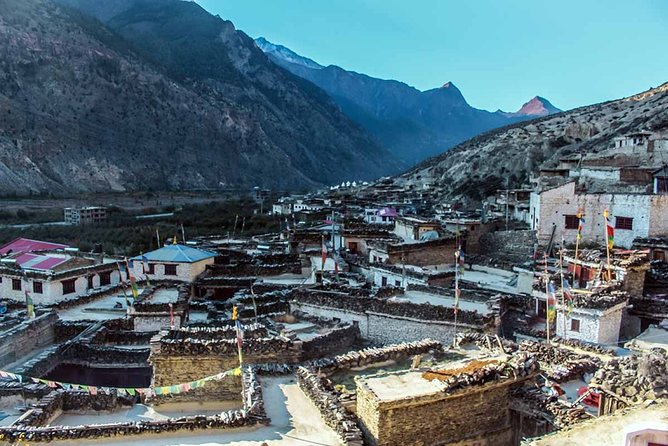
What is the best route to embark on for an unforgettable adventure on the Annapurna Circuit?
The Annapurna Circuit offers a variety of routes and itineraries that cater to different preferences and fitness levels. Here are five routes that are sure to evoke a sense of adventure and awe:
Classic Annapurna Circuit: This 15-day trek takes you through lush forests, quaint villages, and high mountain passes, offering breathtaking views of the Annapurna range.
Tilicho Lake: This detour from the main circuit takes you to the stunning Tilicho Lake, one of the highest lakes in the world, surrounded by snow-capped peaks.
Poon Hill: A shorter trek, this route offers panoramic views of the Annapurna and Dhaulagiri ranges, with the highlight being the sunrise view from Poon Hill.
Upper Mustang: This restricted area trek offers a glimpse into the ancient Tibetan culture and takes you through dramatic landscapes, ancient caves, and monasteries.
Mardi Himal: A relatively new and less crowded route, this trek takes you to the base camp of Mardi Himal, offering stunning views of Machhapuchhre and Annapurna South.
Embarking on the Annapurna Circuit requires obtaining the necessary permits and considering the cost of the trek, which can vary depending on factors such as accommodation choices and guide services. However, the memories and experiences gained from this adventure are truly priceless.
Highlights of Annapurna Circuit Trek
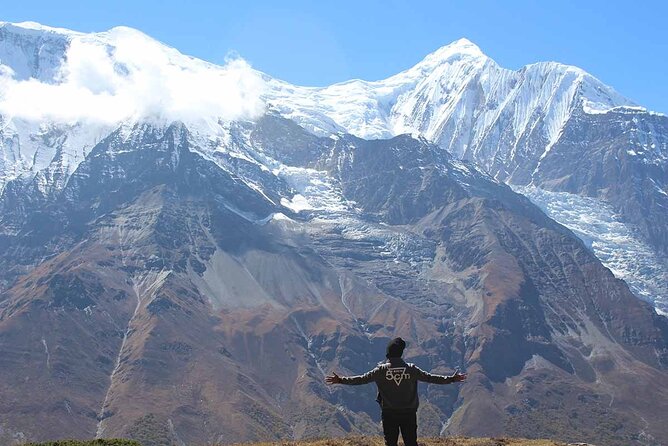
As you traverse the Annapurna Circuit, prepare to be captivated by the awe-inspiring beauty of towering mountains, lush valleys, and vibrant cultural encounters.
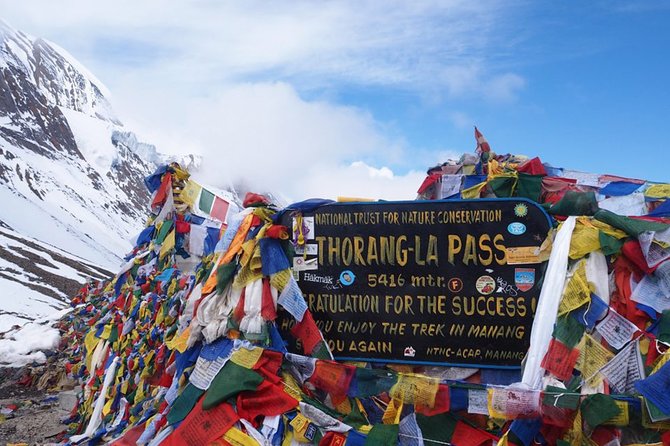
This trek offers an array of highlights that will leave you in awe. One of the best viewpoints along the trek is the Thorong La Pass, standing at an altitude of 5,416 meters. From here, you can witness breathtaking panoramic views of the surrounding peaks, including Annapurna and Dhaulagiri.
Another highlight is the village of Manang, where you can learn about the rich cultural experiences of the local Gurung and Thakali communities. Explore ancient monasteries, interact with friendly locals, and savor delicious traditional cuisine.
The Annapurna Circuit trek truly offers a remarkable journey filled with natural beauty and culture.

Accommodation Options on Annapurna Circuit
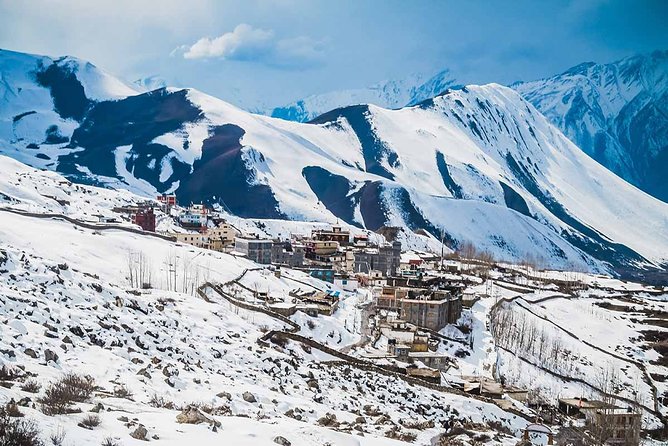
Exploring the Annapurna Circuit isn’t only a thrilling adventure but also an opportunity to experience a variety of accommodation options nestled amidst the majestic Himalayan landscape. From charming teahouses to cozy mountain lodges, trekkers have a range of choices to suit their preferences and budget. Here are some options to consider:
Teahouses: These rustic lodgings offer a cozy and communal atmosphere, where trekkers can socialize with fellow adventurers while enjoying warm meals and comfortable beds.
Guesthouses: These family-run establishments provide a more home-like experience, with friendly hosts and traditional Nepalese hospitality.
Luxury lodges: For those seeking a touch of indulgence, there are upscale lodges that offer modern amenities, such as hot showers, comfortable beds, and gourmet meals.
Camping: For the adventurous souls, camping is an option, allowing trekkers to fully enjoy the natural beauty of the Annapurna region.
Homestays: Experience the local culture firsthand by staying with a Nepalese family, who’ll warmly welcome you into their homes and share their way of life.
With these diverse accommodation options, the Annapurna Circuit Trek promises not only breathtaking landscapes but also a range of comfortable and memorable stays.
Tips for a Successful Annapurna Circuit Trek
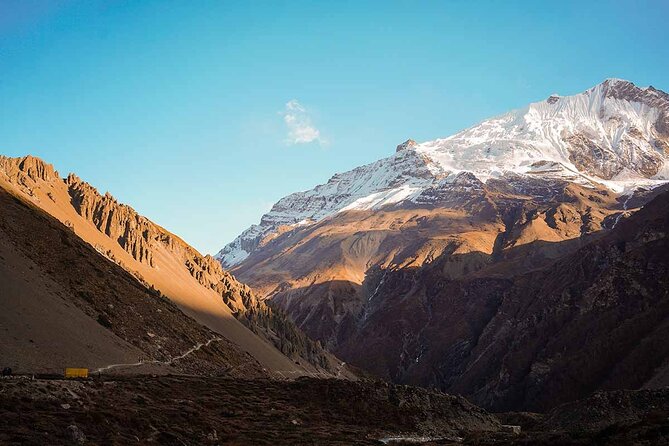
Nestled amidst the majestic Himalayan landscape, the Annapurna Circuit offers a multitude of accommodation options, and now it’s time to uncover some valuable tips for a successful trek.
Trekking safety precautions are of utmost importance when embarking on the Annapurna Circuit. Travelers should always ensure they’ve the necessary gear, including sturdy hiking boots, warm clothing, and a first aid kit. It’s also recommended to trek with a guide or in a group for added safety.
Along With the breathtaking natural beauty, the Annapurna Circuit also offers unique opportunities to experience the local culture. Travelers can enjoy the rich traditions of the Nepalese people by visiting monasteries, interacting with locals, and participating in cultural festivals. These experiences will undoubtedly enhance the overall trekking adventure.
Common Questions
Can I Do the Annapurna Circuit Trek Without a Guide?
Yes, solo trekking without a guide is possible. However, it is recommended to have necessary gear and prior experience. The adventure allows freedom and self-discovery amidst breathtaking landscapes, making it an unforgettable experience.
Are There Any Age Restrictions for the Annapurna Circuit Trek?
Age restrictions may apply for trekking without a guide, ensuring safety and support. It is important to check local regulations and guidelines. However, embarking on the Annapurna Circuit Trekking adventure offers a thrilling and memorable experience for all ages.
What Is the Availability of Food and Water Along the Annapurna Circuit Trek Route?
Food and water availability along the Annapurna Circuit Trek route is essential for trekkers. Local teahouses and villages offer a variety of meals, including traditional Nepali dishes, while water can be obtained from streams and purified using water filters or tablets.
Are There Any Cultural Considerations or Customs I Should Be Aware of During the Annapurna Circuit Trek?
Cultural considerations and customs are important during the Annapurna Circuit Trek. It’s essential to respect local traditions and practices, maintain trekking etiquettes, and engage in meaningful interactions with the locals to enhance the overall experience.
What Are the Safety Precautions I Should Take During the Annapurna Circuit Trek?
For the Annapurna Circuit Trek, safety measures are crucial. It’s important to have appropriate trekking gear, such as sturdy boots and warm clothing. Plus, one should stay hydrated, follow the trail markings, and be aware of altitude sickness symptoms.
The Sum Up
Embarking on the Annapurna Circuit Trekking is a thrilling adventure that promises breathtaking views, culture, and unforgettable memories. With its majestic mountain range, picturesque villages, and challenging terrain, this trek is a must-do for outdoor enthusiasts and nature lovers.
By following the practical advice and tips provided in this comprehensive guide, trekkers can ensure a safe and successful journey through the awe-inspiring landscapes of the Annapurna region.
So, lace up your boots, pack your gear, and get ready for the adventure of a lifetime!