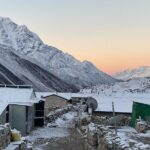
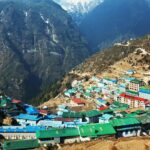
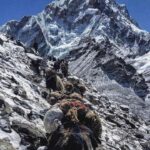
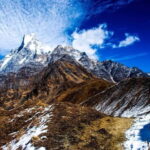
Nestled amidst towering peaks like a hidden gem waiting to be discovered, the Annapurna Circuit Trek beckons adventurers from around the globe. This 15-day odyssey offers an unparalleled opportunity to traverse rugged terrains, cross raging rivers, and take in the tranquil beauty of the Himalayas.
But beyond its physical challenges lies a rich tapestry of cultures, where ancient traditions and warm hospitality await. As the sun casts its golden glow upon the snow-capped peaks, the allure of the Annapurna Circuit Trek becomes undeniable.
So lace up your boots, take a deep breath, and prepare for a journey that will leave you in awe of nature’s grandeur and humbled by the indomitable spirit of the mountains.
- Good To Know
- Trek Overview
- Trek Difficulty
- Best Time to Trek
- Trek Itinerary
- Accommodation Options
- Food and Water
- Required Permits
- Packing List
- Fitness Preparation
- Altitude Sickness
- Safety Tips
- Cultural Highlights
- Wildlife Encounter
- Trek Cost
- Tips for a Successful Trek
- Common Questions
- Are Trekking Poles Provided or Do I Need to Bring My Own?
- Is It Possible to Rent Trekking Gear or Do I Need to Bring Everything With Me?
- Are There Any Opportunities for Hot Showers Along the Trek?
- Are There Any ATM Machines Along the Trekking Route?
- Is It Necessary to Book Accommodation in Advance or Can I Find Places to Stay Along the Way?
- The Sum Up
- The Best Of Kathmandu!
- More Hiking & Trekking Tours in Kathmandu
- More Tour Reviews in Kathmandu
- Not for you? Here's more nearby things to do in Kathmandu we have reviewed
Good To Know
- The meeting point for the Annapurna Circuit Trek is at the Alpine Club of Himalaya Pvt. Ltd. in Thamel, Kathmandu, Nepal.
- Pickup is available for customers staying in Kathmandu (Thamel).
- The trek starts at 06:15 AM and ends back at the meeting point.
- There is a cancellation policy that allows for a full refund if canceled 24 hours in advance.
👉 See our pick of the 14 Best Shopping Tours In Kathmandu
Trek Overview
The Annapurna Circuit Trek offers a breathtaking and challenging adventure through the stunning landscapes of the Annapurna region in Nepal.
This trek is filled with highlights that will leave trekkers in awe of the natural beauty and cultural richness of the area.
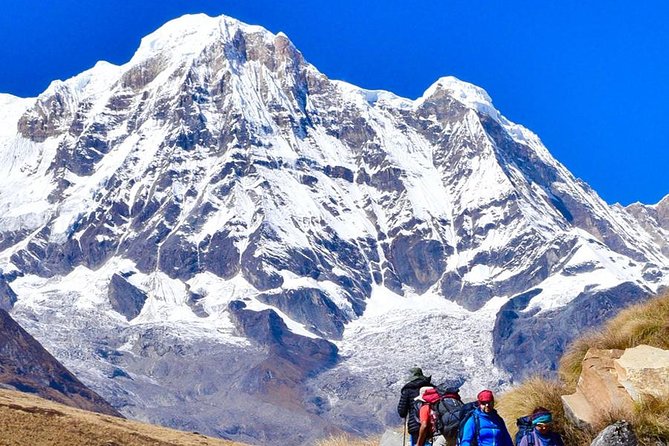
One of the main highlights of the Annapurna Circuit Trek is the opportunity to witness the majestic peaks of the Annapurna range, including Annapurna I, the 10th highest mountain in the world.
The trek also takes trekkers through diverse landscapes, from lush green valleys to barren high-altitude deserts.
Along the way, trekkers will have the chance to interact with local guides who are knowledgeable about the region’s history, culture, and traditions, providing valuable insights into the local way of life.
These local guides not only enhance the trekking experience but also ensure the safety and well-being of the trekkers.
You can also read our reviews of more hiking tours in Kathmandu
Trek Difficulty
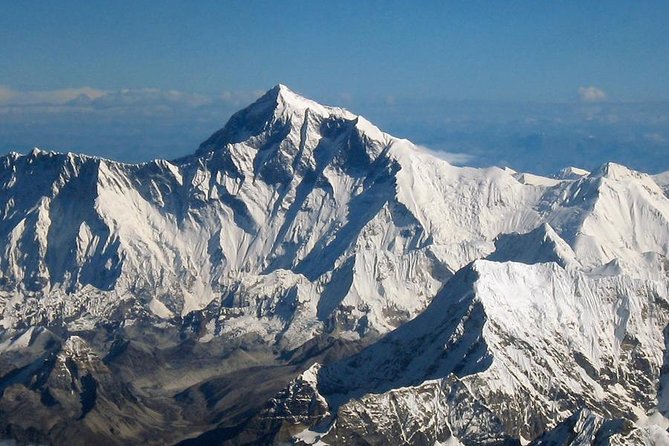
After experiencing the awe-inspiring landscapes and cultural richness of the Annapurna Circuit Trek, trekkers may be curious about the difficulty level of this adventure.
The Annapurna Circuit Trek is considered to be a moderate to challenging trek, suitable for those with a good level of fitness and some previous trekking experience. The trek challenges participants with steep ascents and descents, high altitude, and variable weather conditions.
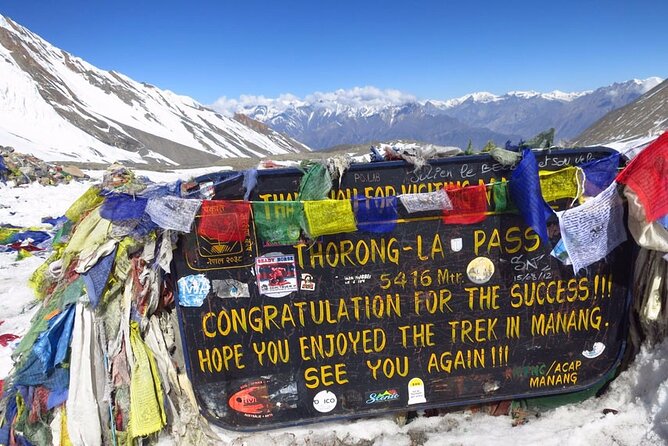
Trekkers will need to be prepared for long days of hiking, averaging 6-8 hours of walking per day. Altitude sickness can also be a concern, as the highest point of the trek reaches an altitude of 5,416 meters.
Despite the challenges, the Annapurna Circuit Trek rewards trekkers with breathtaking mountain views, diverse landscapes, and the opportunity to enjoy the unique cultures of the region.
Best Time to Trek
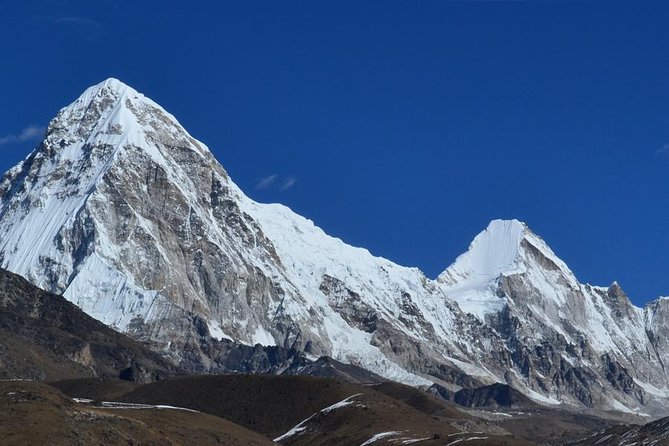
For those planning to embark on the Annapurna Circuit Trek, it’s crucial to consider the best time to undertake this challenging adventure. The Annapurna Circuit is best tackled during two main seasons, which offer favorable weather conditions for trekking. Here are the best seasons to trek the Annapurna Circuit:
Spring (March to May): This season brings mild temperatures and clear skies, allowing for stunning views of the surrounding mountains and landscapes. The rhododendron forests are in full bloom, adding vibrant colors to the trekking route.
Autumn (September to November): With stable weather and clear visibility, autumn is the peak trekking season in the Annapurna region. The days are warm, the nights are crisp, and the mountain views are breathtaking.
Winter (December to February): Although the temperatures can drop significantly, trekking during winter offers a unique experience. The trails are less crowded, and the snow-covered landscapes create a serene and picturesque setting.
Monsoon (June to August): Trekking during monsoon season isn’t recommended due to heavy rainfall, landslides, and poor visibility. The trails can become slippery and dangerous.
Shoulder Seasons (February to March and November to December): These transitional periods offer a balance between the peak seasons and monsoon season. The weather is generally stable, but there might be occasional rainfall or snowfall at higher altitudes.
Considering these best seasons and weather conditions will ensure a more enjoyable and safe trekking experience on the Annapurna Circuit.
Trek Itinerary
Embarking on the Annapurna Circuit Trek during the best seasons mentioned earlier promises an unforgettable adventure through the majestic landscapes of the Himalayas, and a well-planned trek itinerary is essential to make the most of this incredible journey.
The trekking routes of the Annapurna Circuit offer a diverse range of landscapes, from lush forests and terraced fields to snow-capped peaks and remote mountain villages. A typical 15-day itinerary includes acclimatization days, allowing trekkers to adjust to the altitude and enjoy the stunning surroundings.
Local guides, who’ve extensive knowledge of the region, play a crucial role in ensuring a safe and enriching experience. They not only navigate the trails but also provide insights into the local culture, traditions, and history, making the trek even more engaging and informative.
With a well-designed itinerary and the guidance of experienced local guides, trekkers can fully enjoy the beauty and grandeur of the Annapurna Circuit.
Accommodation Options
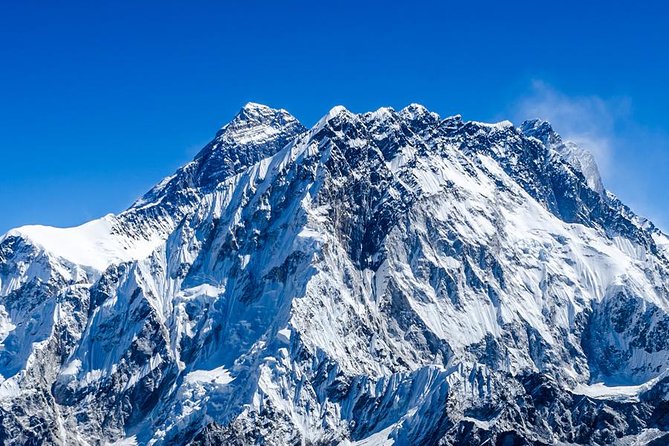
One of the key aspects to consider when embarking on the Annapurna Circuit Trek is the wide range of accommodation options available along the route.
Here are five types of accommodation facilities that trekkers can expect to find:
Tea Houses: These are traditional Nepalese lodges that provide basic facilities such as a bed, blankets, and meals. They offer a cozy atmosphere and a chance to interact with fellow trekkers.
Guesthouses: These are similar to tea houses but may offer slightly more amenities such as hot showers and WiFi. They’re usually run by local families and provide a comfortable place to rest after a long day of trekking.
Camping: For those who prefer a more adventurous experience, camping is a popular option. Trekkers can set up their tents in designated areas and enjoy the breathtaking views of the mountains.
Luxury Lodges: For those who want a more luxurious experience, there are a few high-end lodges along the route. These lodges offer comfortable rooms, fine dining, and spa facilities.
Homestays: For a more immersive cultural experience, trekkers can opt for homestays. Local families open their homes to provide accommodation and meals, allowing visitors to learn about the local way of life.
With these diverse accommodation options, trekkers can find the perfect place to relax and recharge during their Annapurna Circuit Trek.

Food and Water
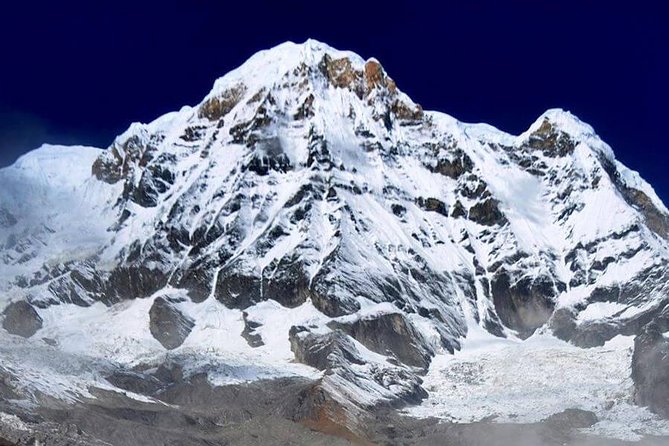
When trekking the Annapurna Circuit, trekkers can expect a diverse range of food and water options to satisfy their hunger and keep them hydrated along the way. Food safety is an important consideration, and it’s recommended to consume only hygienic and well-cooked meals to avoid any potential stomach issues.
Along the trail, there are teahouses and guesthouses that offer a variety of dishes, including local Nepali cuisine, as well as international options like pasta and pizza. These establishments ensure that their food is prepared with clean water and quality ingredients.
To stay properly hydrated, trekkers should drink plenty of water throughout the day and consider carrying a water purification system or iodine tablets to treat drinking water from natural sources. It’s also advisable to avoid beverages with ice and to stick to bottled or boiled water.
Following these food safety and hydration tips will help trekkers have a pleasant and enjoyable experience on the Annapurna Circuit.
Required Permits
To embark on the Annapurna Circuit trek, trekkers are required to obtain certain permits. These trekking permits are necessary to ensure the safety and well-being of the trekkers, as well as the preservation of the natural environment.
Here are the permit requirements for the Annapurna Circuit trek:
Annapurna Conservation Area Permit (ACAP): This permit allows trekkers to enter and explore the Annapurna Conservation Area, a protected region known for its diverse flora and fauna.
Trekkers’ Information Management System (TIMS) Card: This card is mandatory for all trekkers and helps to keep track of the number of trekkers in the region, ensuring their safety.
Restricted Area Permit: If you plan to visit any restricted areas along the Annapurna Circuit, such as Upper Mustang or Nar Phu Valley, you’ll need to obtain an additional permit.
Local Permits: In some villages along the trek, you may be required to obtain local permits to enter and stay overnight.
Make sure to carry these permits with you at all times during the trek, as they may be checked at various checkpoints along the way.
Packing List
After obtaining the necessary permits for the Annapurna Circuit trek, it is essential to prepare a comprehensive packing list to ensure a comfortable and successful journey through the breathtaking landscapes of the Himalayas. When it comes to trekking gear, it is crucial to have proper clothing, footwear, and equipment. Layered clothing is recommended to adapt to changing weather conditions, including a waterproof and windproof jacket. Sturdy and comfortable hiking boots are a must, along with moisture-wicking socks. Other essential items include a daypack, trekking poles, a sleeping bag, and a headlamp. In terms of communication devices, a mobile phone with a local SIM card, a power bank, and a portable charger are recommended. It is also wise to carry a map, compass, and a whistle for safety purposes. The following table provides a visual representation of the packing list:
| Trekking Gear | Communication Devices | Other Essentials |
|---|---|---|
| Layered Clothing | Mobile Phone with Local SIM Card | Daypack |
| Hiking Boots | Power Bank | Trekking Poles |
| Moisture-wicking Socks | Portable Charger | Sleeping Bag |
| Waterproof Jacket | – | Map and Compass |
| – | – | Whistle |
Fitness Preparation
To adequately prepare for the physical demands of the Annapurna Circuit trek, it’s essential for hikers to engage in a comprehensive fitness regimen. Here are five key items to consider for trek training and physical preparation:
Endurance Training: Hikers should focus on activities that build cardiovascular endurance, such as running, cycling, or swimming. This will help them withstand long hours of walking and climbing.
Strength Training: Incorporating strength exercises, such as squats, lunges, and core workouts, will help hikers build the necessary muscle strength to carry their backpacks and navigate challenging terrains.
Balance and Stability Exercises: As the Annapurna Circuit trek includes uneven and rocky trails, practicing balance and stability exercises, like yoga or Pilates, will enhance hikers’ stability and reduce the risk of falls.
Hill Training: Since the trek involves steep ascents and descents, hikers should include hill training in their fitness routine. This can be achieved by finding hilly areas and incorporating uphill and downhill walks or hikes.
Altitude Training: As the trek reaches high altitudes, hikers should consider altitude training to acclimatize their bodies. This can involve hiking at higher elevations or using altitude simulation devices.
Altitude Sickness
Altitude sickness, also known as acute mountain sickness (AMS), is a common condition that can occur when individuals ascend to high altitudes too quickly. Symptoms of altitude sickness can range from mild to severe and can include headache, nausea, dizziness, fatigue, and shortness of breath.
To prevent altitude sickness, it’s important to acclimatize properly by gradually ascending to higher altitudes and allowing the body time to adjust. Hydration and avoiding alcohol and caffeine are also recommended.
In case of mild symptoms, descent to a lower altitude and rest can help alleviate discomfort. However, severe cases of altitude sickness may require immediate descent and medical treatment.
It’s crucial to be aware of the symptoms and to prioritize AMS management during high altitude trekking to ensure a safe and enjoyable experience.
Safety Tips
As trekkers continue their journey through the Annapurna Circuit, it’s essential to prioritize safety by following these valuable tips:
Pack the right trekking gear: Ensure you have sturdy hiking boots, warm layers, waterproof clothing, a hat, gloves, and a good backpack.
Stay hydrated and well-nourished: Drink plenty of water and eat nutritious meals to maintain your energy levels.
Acclimatize properly: Take your time to adjust to the altitude by gradually ascending and allowing your body to adapt.
Be aware of emergency contacts: Carry a list of emergency contacts, including local authorities, your trekking agency, and your insurance company.
Follow the guidance of your guide: Listen to your guide’s advice and instructions, as they’re experienced in navigating the terrain and ensuring your safety.
Cultural Highlights
The Cultural Highlights of the Annapurna Circuit Trek offer a captivating glimpse into the rich traditions and heritage of the local communities along the trail. Visitors have the opportunity to enjoy the vibrant local customs and experience the enchanting sounds of traditional music. As trekkers make their way through the picturesque villages, they will encounter a variety of cultural experiences that add depth and meaning to their journey. To showcase some of the cultural highlights along the Annapurna Circuit Trek, here is a table highlighting a few examples:
| Village | Custom | Traditional Music |
|---|---|---|
| Manang | Lhosar Festival | Tibetan Folk Music |
| Marpha | Apple Harvest Festival | Maruni Dance |
| Ghorepani | Rhododendron Festival | Gandharba Music |
| Jomsom | Tiji Festival | Thakali Folk Songs |
| Muktinath | Janai Purnima | Nepali Bhajan |
These cultural highlights provide a unique insight into the local way of life and create unforgettable memories for trekkers on the Annapurna Circuit.
Wildlife Encounter
Continuing the incredible journey along the Annapurna Circuit Trek, adventurers will now embark on a thrilling wildlife encounter, seeing the awe-inspiring natural beauty and diverse animal species that inhabit the trail.
A majestic herd of Himalayan blue sheep gracefully traversing the rocky slopes, their thick fur glistening in the sunlight.
The elusive snow leopard, camouflaged among the snowy peaks, providing a rare and breathtaking sight for the lucky few.
Colorful Himalayan monal pheasants flaunting their vibrant plumage, adding a splash of color to the lush green forests.
Playful langur monkeys swinging from tree to tree, their antics entertaining trekkers as they make their way through the dense foliage.
The regal golden eagle soaring through the clear blue skies, a symbol of freedom and power.
Nature enthusiasts and wildlife photographers will have ample opportunities to capture these animal encounters, creating lasting memories of their unforgettable journey through the Annapurna Circuit.
Trek Cost
With prices starting from $1,799.00 and varying depending on group size, the trek cost for the Annapurna Circuit offers adventurers a range of options to suit their budget and needs. The 15-day trek includes accommodation, meals, permits, and the services of experienced guides and porters. The cost also covers transportation to and from the starting point in Kathmandu.
It’s important to note that the trek cost doesn’t include international flights, travel insurance, and personal expenses.
The Annapurna Circuit is known for its stunning landscapes, diverse terrain, and rich cultural experiences. The trek duration allows ample time to take in the beauty of the Himalayas and explore the local villages along the way.
Tips for a Successful Trek
To ensure a successful trek on the Annapurna Circuit, it’s essential to follow these helpful tips:
Invest in proper trekking gear: Good quality hiking boots, waterproof clothing, warm layers, a sturdy backpack, and a sleeping bag are essential for a comfortable and safe trek.
Practice acclimatization techniques: The Annapurna Circuit reaches high altitudes, so it’s crucial to acclimatize properly. Take your time, stay hydrated, and listen to your body for any signs of altitude sickness.
Pack wisely: Carry only the essentials to keep your backpack light. Don’t forget to include a first aid kit, sunscreen, a hat, and a water purification system.
Hire a local guide: Having a knowledgeable guide can enhance your trekking experience. They can provide valuable insights, navigate the trails, and ensure your safety.
Stay hydrated and nourished: Drink plenty of water and eat nutritious meals to keep your energy levels up throughout the trek. Snack on trail mix, energy bars, and fruits for quick bursts of energy.
Common Questions
Are Trekking Poles Provided or Do I Need to Bring My Own?
Trekking poles are not provided for the Annapurna Circuit Trek. However, there are gear rental options available at the meeting point. It is recommended to bring your own poles for a comfortable and enjoyable trekking experience.
Is It Possible to Rent Trekking Gear or Do I Need to Bring Everything With Me?
Yes, it is possible to rent trekking gear. Customers have the option to rent gear instead of bringing everything with them. This allows for a more convenient and hassle-free experience, ensuring that packing essentials are taken care of.
Are There Any Opportunities for Hot Showers Along the Trek?
Yes, there are opportunities for hot showers along the trek. It is recommended to take advantage of these opportunities to refresh and rejuvenate. Plus, it is important to follow tips for acclimatization at high altitudes to ensure a safe and enjoyable trekking experience.
Are There Any ATM Machines Along the Trekking Route?
ATM machines are not available along the trekking route. It is recommended to carry enough cash for the duration of the trek. Currency exchange options are limited, so it’s best to exchange money in Kathmandu.
Is It Necessary to Book Accommodation in Advance or Can I Find Places to Stay Along the Way?
Booking accommodation in advance is recommended for the Annapurna Circuit Trek. While it is possible to find places to stay along the way, availability may be limited. Planning ahead ensures a comfortable and hassle-free trekking experience.
The Sum Up
To sum it up, the Annapurna Circuit Trek is a thrilling adventure that offers trekkers a chance to enjoy the breathtaking landscapes and rich cultural heritage of the Himalayas.
With its challenging terrain and awe-inspiring views, this 15-day trek promises an unforgettable experience.
From conquering high mountain passes to exploring ancient villages, the Annapurna Circuit Trek is sure to leave a lasting impression and create memories that will be cherished for a lifetime.
So, lace up your boots and get ready for the adventure of a lifetime!