Annapurna Circuit Trek – 12 Days: A Complete Guide to Nepal’s Iconic Trek
When it comes to classic Himalayan adventures, the Annapurna Circuit often tops the list. This 12-day trek promises not just towering peaks and stunning vistas but a chance to experience the diverse landscapes and unique cultures of Nepal. While we haven’t personally trekked it, extensive reviews and detailed itineraries suggest this journey offers a well-balanced mix of challenge, comfort, and authentic adventure.
What truly stands out are the spectacular mountain views, especially as you cross the Thorong La Pass at over 5,416 meters—the highest point on the trek. The variety of scenery, from lush forests and terraced fields to rocky high-altitude deserts, keeps the visual experience constantly fresh. Plus, the chance to visit historic sites like the Muktinath Temple adds a spiritual dimension. One potential concern? The high altitude and long days require good preparation and acclimatization, but the well-organized logistics seem designed to support your safety and comfort.
This trek is ideal for those who want a comprehensive Himalayan experience without the extreme technical demands. It’s perfect for adventurous travelers who are comfortable with moderate hikes, eager to see diverse landscapes, and interested in cultural exchanges with local communities. If you’re seeking a journey that balances natural beauty with cultural richness, this trip could be your dream adventure.
Good To Know
- Diverse landscapes: From lush forests to arid desert terrains, the scenery is stunning.
- High-altitude crossings: Thorong La pass at 5,416 meters offers an unforgettable challenge.
- Cultural encounters: Opportunities to visit villages, monasteries, and the Muktinath Temple.
- Comfortable arrangements: Well-organized logistics including accommodations, meals, and permits.
- Authentic experience: Trekkers stay in teahouses, engaging closely with local communities.
- Value for money: At $899, it packs a lot of adventure, scenery, and cultural insight into 12 days.
- Good To Know
- What Makes the Annapurna Circuit Trek Stand Out?
- Day-by-Day Breakdown of the Itinerary
- Day 1: Arrival in Kathmandu
- Day 2: Kathmandu to Besisahar
- Day 3: Besisahar to Chame
- Day 4: Chame to Pisang
- Day 5: Pisang to Manang
- Day 6: Acclimatization in Manang
- Day 7: Manang to Yak Kharka
- Day 8: Yak Kharka to Thorang Phedi
- Day 9: Thorang Phedi to Muktinath via Thorong La
- Day 10: Muktinath to Pokhara
- Day 11: Pokhara to Kathmandu
- Day 12: Departure
- What to Expect from the Experience
- The Value of This Trek
- Who Should Consider This Trek?
- Final Thoughts
- FAQ
- More Hiking & Trekking Tours in Pisang
- More Tour Reviews in Pisang
- Not for you? Here's more nearby things to do in Pisang we have reviewed
What Makes the Annapurna Circuit Trek Stand Out?

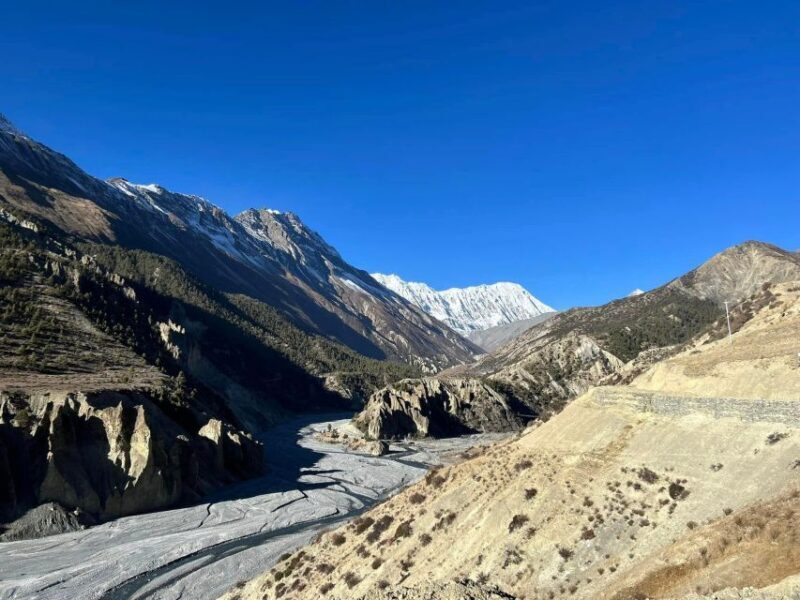
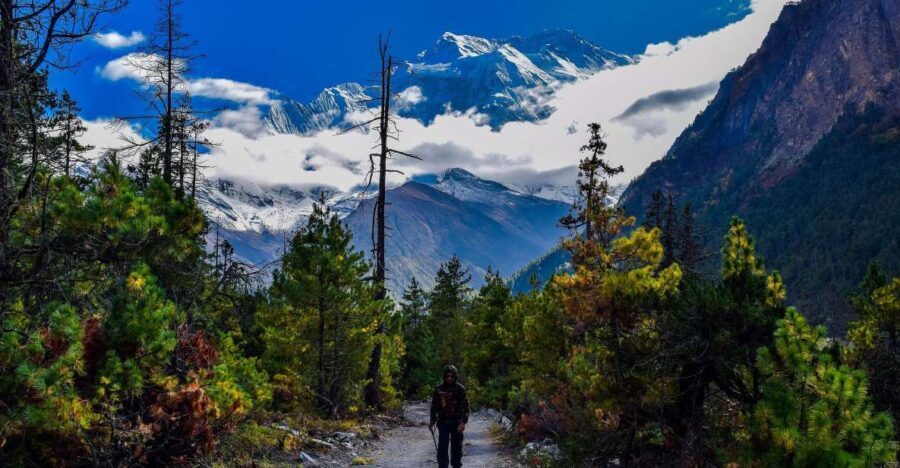


The Annapurna Circuit is often called one of the most rewarding treks in the world, and for good reason. Its length, approximately 12 days, hits that sweet spot—long enough to see the variety but manageable for most hikers with moderate experience. The tour is led by a government-certified guide, adding reassurance about safety and local knowledge.
The price of $899 per person includes almost everything — all permits, accommodations, meals, and transport, making it a straightforward investment for such an epic experience. What’s more, the tour company provides a duffle bag and sleeping bag if needed, which is convenient for travelers not wanting to carry extra gear or worry about packing light.
You can also read our reviews of more hiking tours in Pisang

Day-by-Day Breakdown of the Itinerary
Day 1: Arrival in Kathmandu
Your journey begins in Nepal’s bustling capital. The transfer from Tribhuvan International Airport is smooth, and you’ll settle into a comfortable hotel. This pre-trek day is perfect for adjusting to the altitude and preparing for the adventure ahead. Your guide will likely brief you on the upcoming days, sharing tips and answering questions.
Day 2: Kathmandu to Besisahar
A scenic drive of about 6-7 hours by private vehicle takes you from Kathmandu to Besisahar, the gateway to the Annapurna region. The road winds through lush valleys and small villages, giving travelers a first taste of Nepal’s rural charm. This leg is about acclimatization in itself — a good warm-up for the days ahead.
More Great Tours NearbyDay 3: Besisahar to Chame
From Besisahar, you’ll hop onto a local bus or van for a 5-6 hour ride to Chame, a charming mountain town. As you leave the busy lowlands, the landscape begins to change dramatically, with pine forests and rugged terrain. Chame is a good first stop to acclimate, with cozy lodges and inviting mountain views.
Day 4: Chame to Pisang
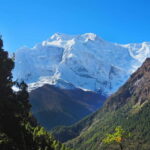
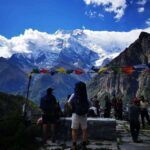
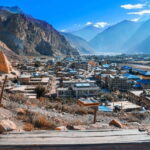
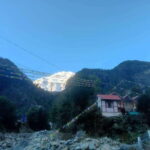
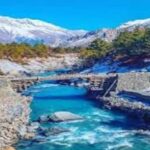
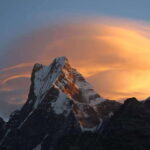
Trekking for about 5-6 hours, the trail ascends gradually through pine forests to reach Pisang at 3,300 meters. The dramatic change in scenery, especially the view of the Annapurna massif from here, makes this a highlight. Many reviews mention the striking landscape, and some travelers note that the lodges are simple but comfortable.
Day 5: Pisang to Manang
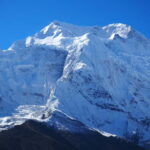
A longer day, roughly 6-7 hours, takes you across varied terrain into the Manang Valley. The route offers panoramic views of peaks like Annapurna II and III. The villages here are culturally rich, with Tibetan influences visible in architecture and local monasteries. This is a key rest and acclimatization point before the high passes.
Day 6: Acclimatization in Manang
This crucial day allows your body to adjust. Many guides recommend walking around the village or visiting local monasteries. The views of the surrounding mountains and the chance to experience local life make this a worthwhile stop. Travelers often mention this as a peaceful day with opportunities to learn about the area’s spiritual side.
Day 7: Manang to Yak Kharka
A shorter trek of 3-4 hours, this leg smoothly ascends to Yak Kharka at 4,110 meters. The landscape transforms into more rugged, open terrain. The views here are expansive, and the fresh mountain air invigorates trekkers. It’s a good point to prepare for the high pass crossing.
Day 8: Yak Kharka to Thorang Phedi
In just a few hours, you’ll reach Thorang Phedi at 4,420 meters. The proximity to the Thorong La pass means you’re almost there. Many reviews mention the cozy lodges and the importance of resting well before the big crossing.
Day 9: Thorang Phedi to Muktinath via Thorong La
This is the day most people anticipate – crossing the Thorong La Pass at 5,416 meters. The trek starts early, often before dawn, to avoid afternoon weather issues. The ascent is challenging but manageable with proper acclimatization and pacing. Once over, you’ll descend into the arid landscape of Muktinath, a sacred site popular with pilgrims and trekkers alike.
Day 10: Muktinath to Pokhara
A long but scenic drive of about 9 hours, including a stop in Jomsom, takes you away from the mountains and toward the lakeside city of Pokhara. This transition allows your legs to rest and provides a different perspective of Nepal’s diverse terrain.
Day 11: Pokhara to Kathmandu
Another 6-7 hour bus journey brings you back to the bustling capital. Relax in your hotel, reflect on the journey, or explore the vibrant streets of Kathmandu. Many travelers mention this day as bittersweet, knowing the trek has come to an end but feeling fulfilled.
Day 12: Departure
Transfer to the airport wraps up your adventure, leaving you with lifelong memories of one of Nepal’s most iconic treks.
What to Expect from the Experience
Transport: The itinerary employs a mix of private vehicles, local buses, and jeeps to optimize travel time and comfort. This approach balances efficiency with the authentic experience of Nepalese transport.
Accommodations: You’ll stay in teahouses—basic but cozy lodges with communal dining areas. Many reviews note the warmth of the Nepali hospitality and the charm of mountain lodges, even if they’re humble.
Meals: Expect three meals a day, with hearty local dishes like dal bhat, momo, and soup. Including seasonal fruit desserts each night adds a sweet touch to the journey.
Guides and Staff: The trek is led by a government-certified guide, who is knowledgeable about the terrain, altitude, and local culture. Staff accommodations and wages are fully covered, ensuring ethical employment practices.
Permits and Paperwork: All necessary permits are included, so travelers don’t need to worry about logistics here. Keep in mind that drone use might require special authorization.
The Value of This Trek
At $899, the package offers excellent value considering the included transportation, accommodations, meals, permits, and professional guiding. While the journey demands physical effort and mental resilience, the comprehensive organization reduces stress and enhances enjoyment. The opportunity to see such diverse landscapes and meet local communities is priceless.
Travelers have mentioned how well the logistics are arranged, especially the transfers between towns and the accommodations. The company also takes care of necessary insurance and wages, which reassures those concerned about ethical tourism. The included gear, like a company duffle and sleeping bag, helps lighten your pack and ensures comfort in varied conditions.
Who Should Consider This Trek?
This experience appeals to adventurous travelers seeking a moderate challenge and vast scenic variety. It’s well-suited for those who appreciate cultural exchanges, want to conquer high-altitude passes, and enjoy a mix of physical activity and relaxation in mountain lodges. While not overly technical, it’s important to be comfortable with long days of walking and higher elevations.
This trek isn’t recommended for pregnant women, those with mobility issues, or travelers over 70, as the high altitude and strenuous days could pose risks. Still, for most healthy adults, it’s an accessible and rewarding Himalayan adventure.
Final Thoughts
The Annapurna Circuit offers a well-rounded, immersive experience of Nepal’s mountains and cultures. Its combination of high-altitude crossings, stunning vistas, and friendly local communities makes it a worthwhile challenge for passionate trekkers.
The organization and inclusions provide great value, removing much of the logistical hassle, so you can focus on the incredible scenery and the personal achievement. Whether you’re after breathtaking mountain views, cultural insights, or simply a memorable adventure, this trek delivers.
To sum it up, this tour is best suited for those ready to embrace a physically demanding but incredibly rewarding journey. It’s perfect for travelers seeking authentic Himalayan experiences, scenic diversity, and a sense of accomplishment in one of the world’s most iconic trekking regions.
Annapurna Circuit Trek – 12 Days
FAQ
What is included in the price of $899?
The package covers airport transfers, hotel accommodations in Kathmandu and Pokhara, guided trekking with local staff, permits, meals during trekking, and transportation between key points. It also provides gear like a duffle bag and sleeping bag if needed.
Are accommodations in teahouses comfortable?
Yes, teahouse lodges are generally cozy and functional. They are simple but warm, with communal dining areas. Many travelers enjoy the authentic mountain lodge atmosphere and the chance to connect with fellow trekkers.
What transportation methods are used during the trek?
The trip uses private vehicles, local buses, and jeeps for long-distance transfers. Within the trekking region, you’ll walk between villages, with the company arranging comfortable transport to and from starting points.
Is the trek suitable for beginners?
While it’s considered a moderate trek, it involves high-altitude crossings and long days. Good physical fitness and acclimatization are important. Most travelers with some hiking experience should be comfortable, especially with proper preparation.
How challenging is the Thorong La Pass crossing?
Crossing at 5,416 meters is demanding but manageable with proper acclimatization, pacing, and guidance. Many reviews mention it as a highlight, with the sense of achievement outweighing the difficulty.
What’s the best time to do this trek?
While not explicitly specified, most Himalayan treks are best in the dry seasons—spring and autumn—when weather conditions are more stable and clear.
Are there options to customize the itinerary?
Yes, the itinerary is flexible and can be tailored for groups of two or more, depending on your preferences. Discussing your needs with the tour provider can help adapt the schedule.
Embark on this journey to Nepal’s iconic mountains and experience a trek that combines natural beauty, cultural richness, and personal challenge. Whether it’s your first Himalayan adventure or a return visit, the Annapurna Circuit promises memories that will last a lifetime.
You can check availability for your dates here: More Great Tours Nearby