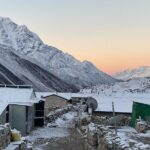
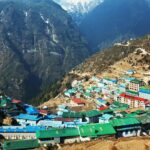
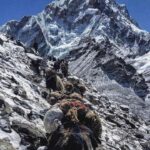
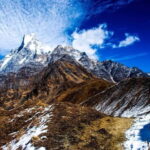
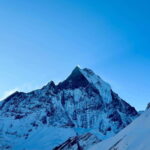
Nestled within the towering peaks of the Himalayas, the Annapurna Circuit Trek beckons adventurers with the allure of uncharted territories and untamed beauty. As the crisp mountain air fills their lungs, trekkers find themselves on a path that winds through rugged landscapes and remote villages, where every step holds the promise of discovery.
But what lies beyond the next bend? What secrets are hidden in the valleys and perched upon the precipices? Join us on this exhilarating journey as we unravel the mysteries of the Annapurna Circuit Trek, where the adventure of a lifetime awaits.
- Good To Know
- Trekking Difficulty Levels
- Best Time to Trek
- Permits and Regulations
- Route Overview
- Accommodation Options
- Highlights and Attractions
- Packing Essentials
- Safety Tips
- Common Questions
- How Long Does It Typically Take to Complete the Annapurna Circuit Trek?
- Are There Any Age Restrictions or Fitness Requirements for the Trek?
- Can I Hire a Trekking Guide or Porter for the Annapurna Circuit Trek?
- What Are the Options for Transportation to and From the Starting Point of the Trek?
- Are There Any Cultural or Religious Practices That I Should Be Aware of During the Trek?
- The Sum Up
- The Best Of Kathmandu!
- More Hiking & Trekking Tours in Kathmandu
- More Tour Reviews in Kathmandu
- Not for you? Here's more nearby things to do in Kathmandu we have reviewed
Good To Know
- Annapurna Circuit offers a range of difficulty levels suitable for both novice hikers and experienced adventurers.
- Proper equipment, such as sturdy hiking boots, a reliable backpack, and appropriate clothing, is essential for safety.
- The best time to trek is during the seasons of October to November and March to April, with clear skies, mild temperatures, and vibrant cultural festivals along the trail.
- Permits, including the Annapurna Conservation Area Project (ACAP) permit and Trekker’s Information Management System (TIMS) card, are required to trek in the area and promote sustainable tourism.
👉 See our pick of the 14 Best Shopping Tours In Kathmandu
Trekking Difficulty Levels
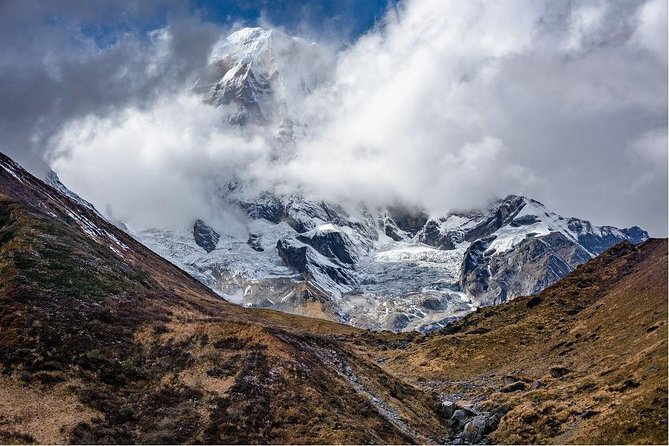
Trekking in the Annapurna Circuit offers a variety of difficulty levels, catering to both novice hikers and experienced adventurers. Whether you’re a beginner looking for a new challenge or a seasoned trekker seeking an adrenaline rush, the Annapurna Circuit has a lot to offer.
When it comes to trekking in the Annapurna Circuit, proper equipment is essential. You’ll need sturdy hiking boots, a reliable backpack, and appropriate clothing for the changing weather conditions. It’s also important to carry a first-aid kit, a map, and a compass to ensure your safety throughout the journey.
In terms of fitness requirements, the Annapurna Circuit is a demanding trek. It involves long hours of walking on rugged terrains and steep ascents. Prior physical preparation is crucial to handle the challenging trails. Regular cardiovascular exercises, strength training, and endurance-building activities will help you build the necessary stamina and strength.
You can also read our reviews of more hiking tours in Kathmandu
Best Time to Trek
With its diverse landscapes and breathtaking views, the Annapurna Circuit offers trekkers a multitude of options when it comes to choosing the best time to embark on this unforgettable adventure. The trekking season in the Annapurna region typically runs from October to November and from March to April, offering the most favorable weather conditions for trekkers. During these months, the skies are clear, the temperatures are mild, and the trails are at their best.
Here are five reasons why these seasons are considered the best time to trek the Annapurna Circuit:
- Stunning views of snow-capped peaks
- Comfortable temperatures for trekking
- Less chance of rainfall and snowfall
- Blooming rhododendrons and other wildflowers
- Vibrant cultural festivals along the trail
Embarking on the Annapurna Circuit during these seasons ensures a truly exceptional trekking experience.
Permits and Regulations
To ensure a smooth and enjoyable trekking experience on the Annapurna Circuit, it’s important to familiarize yourself with the necessary permits and regulations.
The Annapurna Conservation Area Project (ACAP) permit is required for all trekkers entering the region. This permit is aimed at preserving the natural environment and promoting sustainable tourism.
Along with the ACAP permit, trekkers are also required to obtain the Trekker’s Information Management System (TIMS) card. These permits can be obtained in Kathmandu or Pokhara before starting the trek.
It’s important to note that trekking restrictions may apply in certain areas to protect the fragile ecosystem. Trekkers are advised to follow designated trails and avoid disturbing the local flora and fauna.
Route Overview
Winding through breathtaking landscapes and remote villages, the Annapurna Circuit Trek offers an unforgettable journey through the heart of the Himalayas. Here is a route overview to give you a taste of what to expect:
Start in Besisahar and trek through the lush Marsyangdi Valley, crossing suspension bridges and passing through terraced fields.
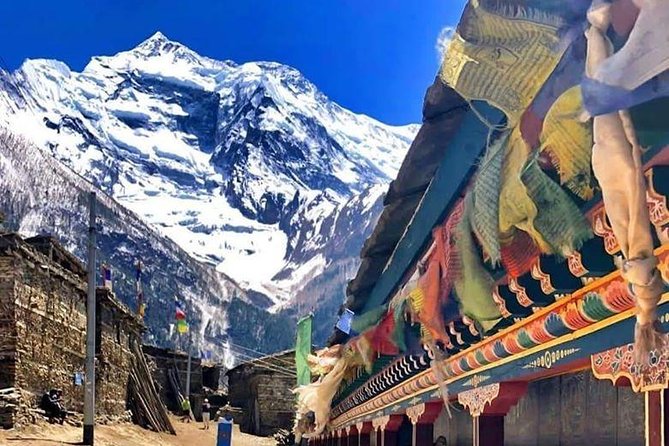
Reach Manang, a picturesque village known for its Tibetan Buddhist culture and stunning views of Annapurna II and Gangapurna.
Ascend to Thorong La Pass, the highest point of the trek at 5,416 meters, which presents a challenging but rewarding experience.
Descend to Muktinath, a sacred pilgrimage site for both Hindus and Buddhists, with its famous temple and natural gas fires.
Finish the trek in Jomsom, where you can explore the charming village and enjoy the stunning views of the Nilgiri and Dhaulagiri mountains.
Along the way, you’ll encounter various trekking challenges, such as altitude sickness and rough terrain. However, the rewards include enjoying the rich local culture, interacting with friendly villagers, and experiencing the awe-inspiring beauty of the Himalayas.
Accommodation Options
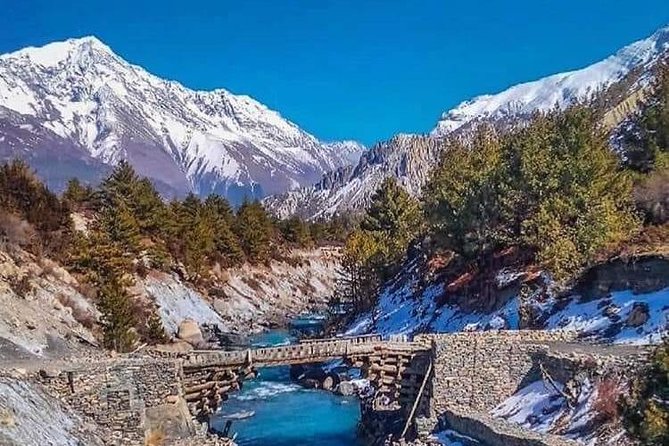
As you embark on the Annapurna Circuit Trek, you’ll discover a variety of accommodation options that offer comfort and rest amidst the stunning landscapes of the Himalayas. Whether you prefer luxurious lodges or cozy teahouses, there is something for all along this iconic trek. Here are some recommended accommodation types for your journey:
| Accommodation Type | Description | Recommended Itineraries |
|---|---|---|
| Lodges | These are well-equipped establishments with private rooms, hot showers, and comfortable beds. | 10-day and 15-day itineraries |
| Teahouses | These traditional mountain guesthouses offer basic facilities, communal dining areas, and shared rooms. | 21-day and 30-day itineraries |
| Camping | For those seeking a more adventurous experience, camping is available at designated campsites along the route. | 25-day and 35-day itineraries |
No matter which accommodation type you choose, each option allows you to learn about the natural beauty of the Annapurna Circuit while providing a comfortable place to rest after a day of trekking.

Highlights and Attractions
Enjoy a world of breathtaking landscapes, rich culture, and awe-inspiring beauty as you embark on the Annapurna Circuit Trek. This incredible adventure offers a multitude of highlights and attractions that will leave you in awe.
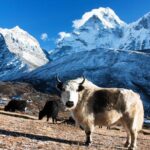
Majestic mountain views: Witness the towering peaks of the Annapurna range, including the iconic Annapurna I, as you trek through lush forests, charming villages, and high mountain passes.
Thorong La Pass: Challenge yourself as you cross the Thorong La Pass at an altitude of 5,416 meters, experiencing the thrill of conquering one of the world’s highest mountain passes.
Cultural encounters: Enjoy the rich traditions and warm hospitality of the local communities, visiting monasteries, temples, and charming villages along the way.
Natural wonders: Explore the diverse landscapes of the Annapurna region, from lush valleys and rhododendron forests to arid high-altitude deserts and icy glaciers.
Hot springs: Soothe your tired muscles in natural hot springs, a perfect way to relax and rejuvenate after a day of trekking challenges.
Get set for an unforgettable journey filled with trekking challenges and cultural experiences that will leave you with memories to last a lifetime.
Packing Essentials
Prepare for your Annapurna Circuit Trek by packing these essential items that will ensure your comfort and safety throughout the adventure.
When it comes to trekking gear, make sure to bring sturdy hiking boots, moisture-wicking clothing, a waterproof jacket, and a good quality backpack. These items will protect you from the unpredictable weather conditions and rugged terrain.
Plus, don’t forget to pack a first aid kit, sunscreen, and insect repellent to take care of any unexpected situations.
As for the local cuisine, it’s recommended to bring some snacks and energy bars to keep you fueled during long hikes. Also, try to sample the delicious local dishes along the way to fully learn about the culture and flavors of the region.
Safety Tips
Ensure your safety during the Annapurna Circuit Trek by following these essential tips and guidelines:
Pack the right trekking gear: Proper gear is crucial for a safe and comfortable trek. Make sure to have sturdy hiking boots, warm clothing, rain gear, a backpack, and trekking poles.
Acclimatize properly: Altitude sickness is a real concern during the Annapurna Circuit Trek. Take your time to acclimatize and allow your body to adjust to the high altitude. Stay hydrated, avoid alcohol, and listen to your body.
Follow the trail markers: The Annapurna Circuit Trek is well-marked, but it’s still important to pay attention to the trail markers. Stick to the designated path and avoid taking shortcuts or wandering off.
Stay in teahouses: Teahouses provide shelter, food, and warmth along the trek. It’s safer to stay in these established accommodations rather than camping in remote areas.
Keep emergency contacts handy: Carry a list of emergency contact numbers, including local authorities and your trekking agency. In case of any emergencies or accidents, you’ll have the necessary information readily available.
Common Questions
How Long Does It Typically Take to Complete the Annapurna Circuit Trek?
Typically, the Annapurna Circuit Trek takes around 15-20 days to complete. The best time to go is during the spring (March-May) and autumn (September-November) seasons, when the weather is favorable and the views are stunning.
Are There Any Age Restrictions or Fitness Requirements for the Trek?
Age restrictions and fitness requirements vary depending on the trek. It’s important to carefully consider one’s physical abilities and consult with a healthcare professional before embarking on any challenging adventure.
Can I Hire a Trekking Guide or Porter for the Annapurna Circuit Trek?
Yes, travelers can hire a trekking guide or porter for the Annapurna Circuit Trek. The availability of trekking guides and porter hiring options allows for a safer and more enjoyable experience on the trek.
What Are the Options for Transportation to and From the Starting Point of the Trek?
Transportation options to and from the starting point of the trek include private vehicles, public buses, and domestic flights. These options provide convenience and flexibility for travelers, ensuring a smooth and hassle-free journey to begin their adventure.
Are There Any Cultural or Religious Practices That I Should Be Aware of During the Trek?
During the trek, it’s important to be aware of cultural practices and religious rituals. Respect local customs, dress modestly, and ask for permission before taking photographs. Embrace the adventure and learn about the rich cultural heritage of the region.
The Sum Up
To sum it up, the Annapurna Circuit Trek is an incredible adventure that offers trekkers the chance to witness the awe-inspiring beauty of the Himalayas while seeing the local culture.
With its challenging yet rewarding terrain, vibrant traditions, and breathtaking landscapes, this trek is a must for any nature enthusiast or experienced hiker.
So grab your gear, prepare for an unforgettable journey, and get ready to be amazed by the wonders of the Annapurna Circuit Trek.