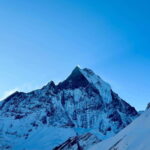
Many people may argue that embarking on the Annapurna Circuit Trek is a daunting endeavor, requiring months of preparation and extreme physical fitness. However, this couldn’t be further from the truth.
With its well-established trails, breathtaking vistas, and a range of accommodation options, the Annapurna Circuit Trek is accessible to both experienced trekkers and novices alike.
So, whether you’re an adventure enthusiast looking to conquer new heights or a nature lover seeking to learn about the beauty of the Himalayas, the Annapurna Circuit Trek offers an unforgettable journey that will leave you craving for more.
- Good To Know
- Trek Highlights
- Best Time to Trek
- Difficulty Level and Fitness Requirements
- Trek Itinerary
- Accommodation and Facilities
- Packing List
- Safety Tips
- Common Questions
- Is Previous Trekking Experience Required for the Annapurna Circuit Trek?
- Are There Any Age Restrictions for the Trek?
- What Is the Average Group Size for the Annapurna Circuit Trek?
- Is Altitude Sickness a Common Issue During the Trek?
- Are There Any Vegetarian or Vegan Meal Options Available During the Trek?
- The Sum Up
- The Best Of Kathmandu!
- More Hiking & Trekking Tours in Kathmandu
- More Tour Reviews in Kathmandu
- Not for you? Here's more nearby things to do in Kathmandu we have reviewed
Good To Know
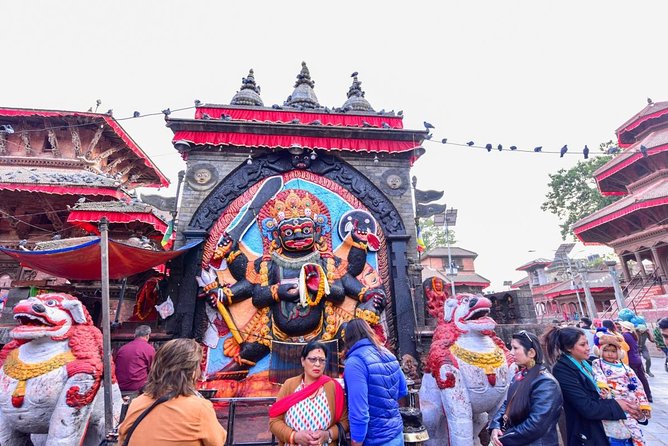
- The Annapurna Circuit Trek includes air-conditioned transportation, permits, accommodation, guides, and porters.
- Flights from Jomsom to Pokhara and from Pokhara to Kathmandu are also included in the package.
- Permits for UNESCO heritage site tours in Kathmandu are included.
- The package includes meals (13 lunches, 13 dinners, and 14 breakfasts) but excludes personal expenses, tips, and gratuities.
👉 See our pick of the 14 Best Shopping Tours In Kathmandu
Trek Highlights
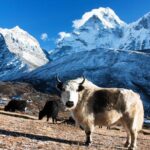
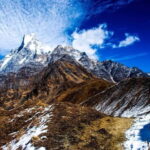
Embark on an unforgettable adventure as you explore the mesmerizing highlights of the Annapurna Circuit Trek. This trekking experience offers breathtaking views of the majestic Himalayas and takes you through diverse landscapes, picturesque villages, and ancient monasteries.
As you traverse through the Annapurna region, you’ll be rewarded with panoramic vistas of snow-capped peaks, lush valleys, and cascading waterfalls. The trek also includes crossing the Thorong La Pass, which stands at an elevation of 5,416 meters, providing a thrilling and challenging experience.
Along the way, you’ll have the opportunity to learn about the local culture and interact with friendly villagers. The Annapurna Circuit Trek offers a perfect blend of adventure, natural beauty, and cultural exploration, making it a must-do for any trekking enthusiast seeking a truly unforgettable journey.
You can also read our reviews of more hiking tours in Kathmandu
Best Time to Trek
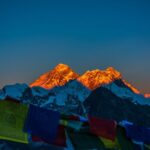
To ensure an optimal and unforgettable trekking experience on the Annapurna Circuit, it’s crucial to choose the best time to embark on this adventure.
The best months to trek the Annapurna Circuit are October and November, and then again in March and April. During these months, the weather conditions are generally favorable, with clear skies and mild temperatures. The days are warm, making it comfortable for trekking, while the nights can get chilly, especially at higher altitudes.
It’s important to note that during the winter months of December to February, the temperatures drop significantly, and there’s a higher chance of snowfall, which can make the trek more challenging. Similarly, during the monsoon season from June to September, heavy rainfall can make the trails slippery and difficult to navigate. Therefore, it’s advisable to avoid these months for trekking the Annapurna Circuit.
Difficulty Level and Fitness Requirements
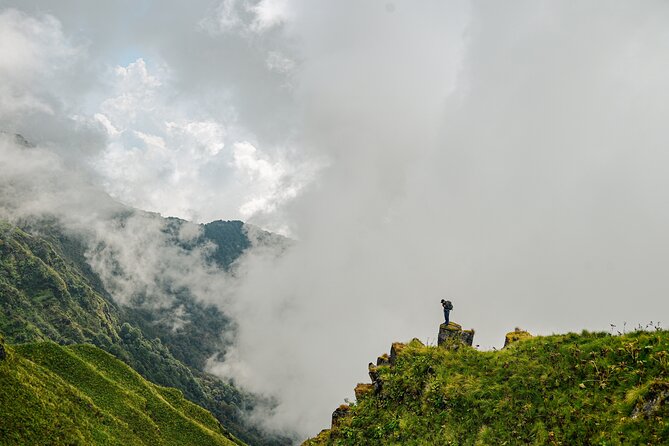
For those considering the Annapurna Circuit trek, it’s essential to understand the difficulty level and fitness requirements involved in this exhilarating adventure. Here are some key points to consider:
Altitude: The trek reaches a maximum altitude of 5,416 meters at Thorong La Pass, which can pose challenges due to thin air and potential altitude sickness.
Terrain: The trail consists of steep ascents and descents, rocky paths, and narrow sections. Trekking poles and sturdy footwear are recommended.
Physical Fitness: The Annapurna Circuit trek requires a good level of fitness, including cardiovascular endurance and strength. Regular exercise and hiking practice prior to the trek are highly recommended.
To prepare for the trek challenges, it’s important to focus on training tips such as cardiovascular exercises, strength training, and hiking on uneven terrains. Building endurance and leg strength will greatly enhance the trekking experience.
Remember to consult with a healthcare professional and hire a knowledgeable guide for a safe and enjoyable journey.
Trek Itinerary
The trek itinerary for the Annapurna Circuit takes you on a thrilling adventure through the majestic Himalayas of Nepal. This 14-day trek offers a unique opportunity to learn about the breathtaking beauty of the Annapurna region while challenging yourself physically and mentally.
Here is a breakdown of the trek itinerary:
| Day | Destination | Distance (in km) | Duration (in hours) |
|---|---|---|---|
| 1 | Kathmandu | – | – |
| 2 | Besisahar | – | – |
| 3 | Bahundanda | 19 | 7 |
| 4 | Chamje | 14 | 6 |
| 5 | Bagarchhap | 13 | 6 |
| 6 | Chame | 21 | 7 |
| 7 | Upper Pisang | 19 | 7 |
| 8 | Manang | 12 | 5 |
| 9 | Acclimatization | – | – |
| 10 | Yak Kharka | 10 | 4 |
| 11 | Thorong Phedi | 11 | 5 |
| 12 | Muktinath | 15 | 7 |
| 13 | Jomsom | 23 | 8 |
| 14 | Pokhara | – | – |
Throughout the trek, you will need to be well-prepared with appropriate trekking gear, including sturdy hiking boots, warm clothing, a good quality sleeping bag, and a backpack. It is also important to respect the local customs and traditions of the communities you pass through, such as covering your shoulders and knees when visiting monasteries and being mindful of local cultural practices. With this itinerary and the right mindset, you are sure to have an unforgettable adventure on the Annapurna Circuit.
Accommodation and Facilities
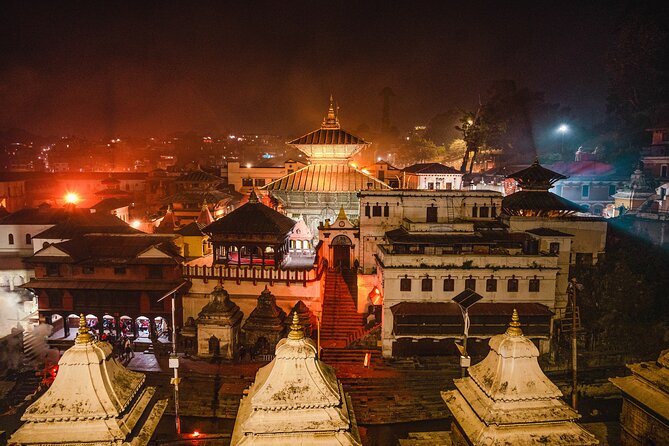
Embarking on the Annapurna Circuit trek, you’ll find yourself not only immersed in the breathtaking beauty of the Himalayas, but also in a range of comfortable accommodations and facilities along the way.
Accommodation options in Kathmandu: Before the trek begins, travelers have the opportunity to stay in various accommodation options in Kathmandu. From budget guesthouses to luxurious hotels, there’s something for every type of traveler.
Amenities and services provided during the trek: During the trek, trekkers can expect to find basic but comfortable teahouses along the trail. These teahouses provide warm beds, hot showers, and delicious meals to refuel after a long day of hiking. Some teahouses even offer Wi-Fi and charging facilities for electronic devices. Plus, there are local shops where trekkers can purchase snacks, water, and other essentials along the way.
With these accommodation options and facilities, trekkers can rest assured that their journey on the Annapurna Circuit will be both comfortable and memorable.

Packing List

Wondering what essentials to pack for your Annapurna Circuit trek? When embarking on this epic adventure, it’s crucial to have the right gear and be prepared for the challenges ahead.
Firstly, make sure to bring essential trekking gear such as sturdy hiking boots, waterproof clothing, a warm sleeping bag, and a reliable backpack. These items will ensure your comfort and safety throughout the trek.
Plus, it’s important to acclimatize properly to the high altitude. Take it slow, stay hydrated, and listen to your body. Plan for rest days to adjust and allow your body to adapt to the altitude.
Following these tips for acclimatization will help prevent altitude sickness and ensure a successful and enjoyable trekking experience in the majestic Annapurna region.
Safety Tips
To ensure a safe and enjoyable trekking experience on the Annapurna Circuit, it’s important to follow these essential safety tips:
Preparation:
Before embarking on the Annapurna Circuit trek, it’s crucial to prepare yourself physically and mentally. Engage in regular exercise to build endurance and stamina. Familiarize yourself with the route and weather conditions to anticipate potential challenges. Plus, consult with a healthcare professional to ensure you’re in good health to undertake the trek.Equipment Needed:
Proper equipment is vital for a safe trek. Invest in sturdy and comfortable hiking boots to protect your feet on rugged terrain. Carry essential items such as a waterproof and windproof jacket, warm layers, a hat, gloves, and sunglasses to combat changing weather conditions. It’s also recommended to bring a first aid kit, a headlamp, a map, and a compass for navigation.
Common Questions
Is Previous Trekking Experience Required for the Annapurna Circuit Trek?
Previous trekking experience is not required for the Annapurna Circuit Trek. However, a good level of fitness is recommended due to the challenging terrain. The best time to undertake this adventure is during the months of March to May and September to November.
Are There Any Age Restrictions for the Trek?
There are no age restrictions for the trek, but a certain level of trekking experience is recommended. It’s important to be physically fit and prepared for the challenges of the terrain.
What Is the Average Group Size for the Annapurna Circuit Trek?
The average group size for the Annapurna Circuit Trek varies depending on the tour operator and time of year. However, group dynamics often provide a sense of camaraderie and support, making it a popular choice for solo trekkers.
Is Altitude Sickness a Common Issue During the Trek?
Preventing altitude sickness is crucial during high-altitude treks. Acclimatization techniques, such as gradual ascent, proper hydration, and medication, can help minimize the risk. It’s essential to listen to your body and take necessary precautions to ensure a safe and enjoyable trekking experience.
Are There Any Vegetarian or Vegan Meal Options Available During the Trek?
Yes, there are vegetarian and vegan meal options available during the trek. Dietary restrictions can be accommodated with local cuisine. The trekking experience includes training, fitness levels, age requirements, group dynamics, group size, and social interactions. Altitude sickness prevention and acclimatization techniques are also important.
The Sum Up
Embarking on the Annapurna Circuit Trek is an incredible adventure that offers breathtaking landscapes and unforgettable experiences.
With the inclusion of transportation, permits, accommodation, guides, and meals, this trek provides a hassle-free journey.
Whether you’re a seasoned hiker or a beginner, the Annapurna Circuit Trek caters to all fitness levels.
So, pack your bags, lace up your boots, and get ready for an adventure of a lifetime in the stunning landscapes of Nepal.