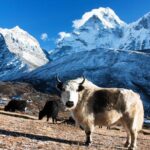
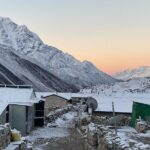
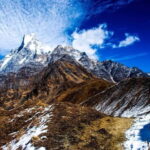
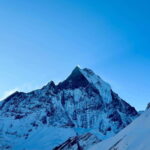
As the sun peeks over the snow-capped peaks of the Annapurna range, casting a golden glow on the rugged terrain below, trekkers on the Annapurna Circuit Trail find themselves on a journey unlike any other.
This renowned trekking experience, often hailed as the best in the world, offers a captivating blend of natural beauty, culture, and physical challenge. With each step, hikers are transported to a world where towering mountains, ancient traditions, and remote villages converge.
But what makes this trail truly exceptional? What hidden wonders lie in wait?
Join us on a voyage through the Annapurna Circuit Trail and discover why it has captured the hearts of adventurers from around the globe.
- Good To Know
- Overview of the Annapurna Circuit Trail
- Best Time to Trek the Annapurna Circuit
- Trekking Permits and Regulations
- Essential Gear and Packing List
- Accommodation Options Along the Trail
- Highlights and Must-See Attractions
- Challenges and Considerations for the Trek
- Tips for a Successful Annapurna Circuit Experience
- Common Questions
- How Long Does It Take to Complete the Annapurna Circuit Trail?
- Are There Any Age Restrictions for Trekking the Annapurna Circuit?
- Are There Any Medical Facilities Available Along the Trail?
- Is It Possible to Hire a Guide or Porter for the Trek?
- What Is the Average Daily Cost for Food and Accommodation on the Annapurna Circuit?
- The Sum Up
- The Best Of Kathmandu!
- More Hiking & Trekking Tours in Kathmandu
- More Tour Reviews in Kathmandu
- Not for you? Here's more nearby things to do in Kathmandu we have reviewed
Good To Know
- The Annapurna Circuit Trail is considered the best trekking experience in the world, offering breathtaking landscapes and challenging terrains.
- The trail provides opportunities to witness panoramic vistas from Thorong La Pass, the highest point of the trail, and Tilicho Lake, one of the highest lakes in the world.
- The trek allows for immersion in vibrant local culture, combining the beauty of nature with the rich tapestry of local customs.
- Trekking the Annapurna Circuit requires proper gear, physical fitness, and acclimatization, and it is recommended to hire a local guide or join a trekking group for safety and navigation assistance.
👉 See our pick of the 14 Best Shopping Tours In Kathmandu
Overview of the Annapurna Circuit Trail
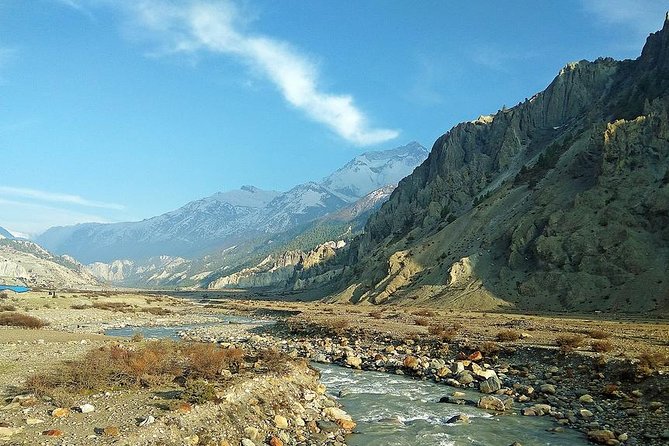
The Annapurna Circuit Trail, considered the best trekking experience in the world, offers adventurers an unforgettable journey through the majestic Himalayas. With its breathtaking landscapes and challenging terrains, this trail promises to leave hikers in awe of nature’s grandeur.
One of the highlights of the Annapurna Circuit Trail is the opportunity to witness some of the best viewpoints in the region. From the Thorong La Pass, trekkers can marvel at the panoramic vistas of snow-capped peaks and deep valleys below.
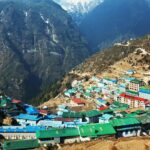
Another remarkable aspect of this trail is the chance to take in the vibrant local culture. Along the way, hikers will encounter traditional mountain villages where they can interact with friendly locals, experience their customs, and perhaps even join in on a traditional dance or festival.
The Annapurna Circuit Trail truly offers an adventure that combines the beauty of nature with the rich tapestry of local culture.
You can also read our reviews of more hiking tours in Kathmandu
Best Time to Trek the Annapurna Circuit
To embark on the Annapurna Circuit Trail, adventurers must carefully consider the best time to trek through the awe-inspiring landscapes of the Himalayas. The Annapurna Circuit is open for trekking throughout the year, but there are certain seasons that are considered the best trekking season due to favorable weather conditions.
Here are the top three seasons to trek the Annapurna Circuit:
Autumn (September to November): This is the most popular time for trekking, as the weather is clear and stable. The skies are usually bright and the temperatures are moderate, making it a pleasant experience for trekkers.
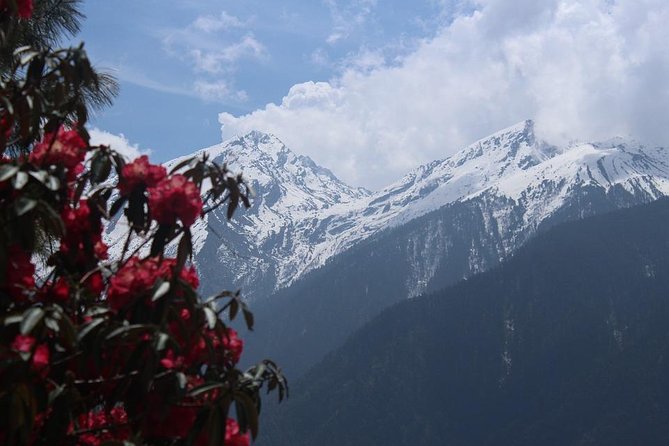
Spring (March to May): Another great time to trek, spring offers beautiful blooming flowers and lush greenery. The weather is mild, with clear skies and moderate temperatures.
Winter (December to February): Although the temperatures can be cold, winter trekking offers stunning views of snow-covered landscapes. The trails are less crowded, allowing for a more peaceful and adventurous experience.
No matter which season you choose, be sure to check the weather conditions and pack accordingly to make the most of your Annapurna Circuit trek.
Trekking Permits and Regulations
Embarking on the Annapurna Circuit Trail requires obtaining trekking permits and adhering to certain regulations to ensure a safe and responsible trekking experience.
Trekking permits are necessary for all trekkers and can be obtained through the Department of Immigration in Kathmandu or from the checkpoint at Besisahar. There are two main types of permits: the Annapurna Conservation Area Permit (ACAP) and the Trekkers’ Information Management System (TIMS) card.
The ACAP aims to preserve the natural and cultural heritage of the region, while the TIMS card provides important information about trekkers for their safety and security.
Plus, it’s important to follow regulations such as staying on designated trails, respecting local customs and traditions, and not littering. These regulations help to protect the environment and ensure a positive experience for both trekkers and the local communities.
Essential Gear and Packing List
When preparing for the Annapurna Circuit Trail, it’s essential to have the right gear and a well-thought-out packing list. Here are three essential items to consider when packing for this adventurous trek:
Trekking Boots: A pair of sturdy, comfortable trekking boots is a must-have for the Annapurna Circuit Trail. The trail can be challenging, with steep ascents and descents, rocky terrain, and unpredictable weather. Invest in a good pair of waterproof boots that provide ankle support to keep your feet protected and comfortable throughout the journey.
Layered Clothing: The weather in the Annapurna region can vary greatly, from hot and humid to cold and windy. It’s crucial to pack a variety of layered clothing to adapt to changing temperatures. Include moisture-wicking base layers, insulating mid-layers, and a waterproof outer shell to stay dry and warm in any conditions.
Backpack: A reliable backpack is essential for carrying all your trekking gear and essentials. Look for a backpack with a capacity of at least 40-50 liters, with adjustable straps and a comfortable back panel for optimal weight distribution. Make sure it has enough compartments and pockets to keep your gear organized and easily accessible.
Having the right trekking gear and packing essentials will ensure a comfortable and successful Annapurna Circuit Trail experience.
Accommodation Options Along the Trail
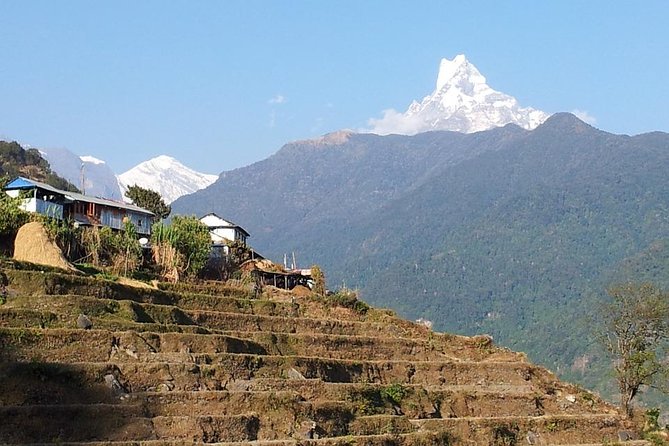
Along the Annapurna Circuit Trail, trekkers have a range of accommodation options to choose from, ensuring a comfortable stay amidst the breathtaking Himalayan scenery. Whether you prefer cozy tea houses or the simplicity of camping, there’s something for all along this iconic trek.
The accommodation options vary in terms of comfort and amenities, but most provide basic necessities such as a bed, blankets, and hot showers. For those looking for a more luxurious experience, there are also upscale lodges available in some of the larger villages along the trail.
It’s important to note that the availability of accommodation can vary depending on the season, so it’s advisable to book in advance, especially during peak trekking seasons.
Regardless of the chosen option, trekkers can rest assured that they’ll find a place to rest and recharge after a day of challenging trekking.

Highlights and Must-See Attractions
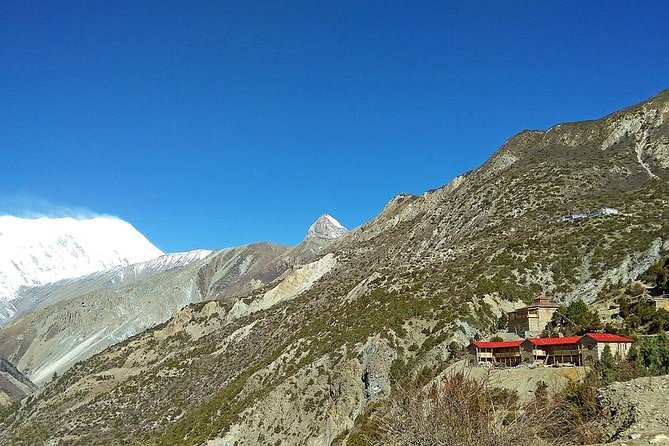
After finding a comfortable place to stay along the Annapurna Circuit Trail, trekkers can now embark on a journey filled with highlights and must-see attractions that will leave them in awe of the majestic Himalayan landscape. Here are three trekking highlights that aren’t to be missed:
Thorong La Pass: Situated at an altitude of 5,416 meters, Thorong La Pass is the highest point of the Annapurna Circuit Trail. Trekkers will experience breathtaking panoramic views of the surrounding peaks, including Annapurna and Dhaulagiri. Crossing this pass is a challenging feat, but the sense of achievement and the stunning vistas make it all worthwhile.
Tilicho Lake: Nestled at an elevation of 4,919 meters, Tilicho Lake is one of the highest lakes in the world. Its tranquil turquoise waters are surrounded by snow-capped mountains, creating a picture-perfect scene. Trekkers can take a detour from the main trail to witness the ethereal beauty of this remote and serene lake.
Muktinath Temple: Located at an altitude of 3,800 meters, Muktinath Temple is a sacred pilgrimage site for both Hindus and Buddhists. The temple complex, with its 108 water spouts and eternal flame, is believed to grant salvation to those who visit. The spiritual significance and the stunning backdrop of the mountains make Muktinath Temple a must-visit attraction along the Annapurna Circuit Trail.
With these highlights awaiting them, trekkers can expect an unforgettable adventure that showcases the natural and cultural wonders of the Annapurna region.
Challenges and Considerations for the Trek
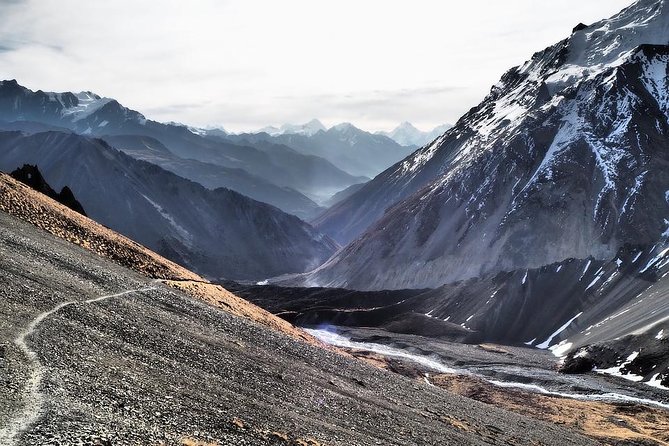
Facing the Annapurna Circuit Trail head-on presents trekkers with a multitude of challenges and important considerations to keep in mind. Trekking difficulties can arise due to the high altitude, unpredictable weather conditions, and strenuous terrain. It is essential to be physically fit and mentally prepared for the demanding journey ahead. Safety precautions are crucial to ensure a successful trek. Trekkers should acclimatize properly, stay hydrated, and carry necessary trekking gear such as sturdy hiking boots, warm clothing, and a first aid kit. Hiring an experienced guide is highly recommended as they have extensive knowledge of the trail and can provide assistance in case of emergencies. By being well-prepared and taking necessary precautions, trekkers can conquer the Annapurna Circuit Trail and have an unforgettable adventure.
| Trekking Difficulties | Safety Precautions |
|---|---|
| – High altitude | – Proper acclimatization |
| – Unpredictable weather conditions | – Staying hydrated |
| – Strenuous terrain | – Carrying necessary trekking gear |
Tips for a Successful Annapurna Circuit Experience
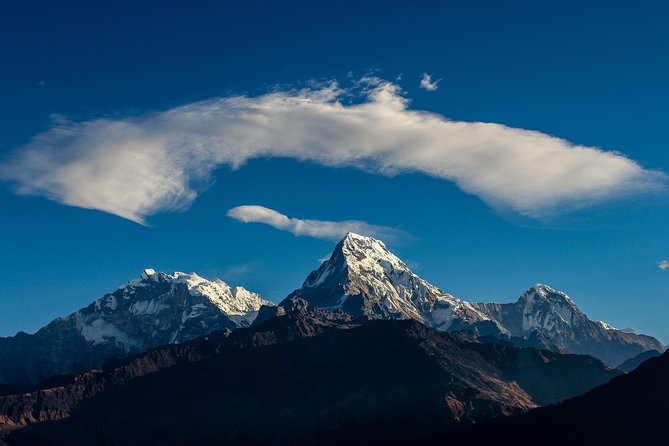
Embarking on the Annapurna Circuit Trail, trekkers can enhance their chances of a successful and memorable experience by following these helpful tips:
Physical Fitness: The Annapurna Circuit is a demanding trek that requires a good level of physical fitness. Prior to embarking on the trail, trekkers should engage in regular exercise and build their endurance through activities such as hiking, running, or cycling.
Packing Essentials: Proper preparation is key to a successful trek. It’s important to pack essential items such as sturdy hiking boots, warm clothing, a waterproof jacket, a sleeping bag, and a first aid kit. Plus, carrying enough water and snacks is crucial to stay hydrated and energized throughout the journey.
Acclimatization: As the Annapurna Circuit reaches high altitudes, it’s important to allow time for acclimatization. Trekkers should plan their itinerary accordingly, allowing for rest days at higher altitudes to adjust to the thin air and reduce the risk of altitude sickness.
Common Questions
How Long Does It Take to Complete the Annapurna Circuit Trail?
It typically takes around 15-20 days to complete the Annapurna Circuit Trail. However, the duration can vary depending on factors such as fitness level, acclimatization, and weather conditions.
Are There Any Age Restrictions for Trekking the Annapurna Circuit?
There are no age restrictions for trekking the Annapurna Circuit, but it is recommended to have a good level of fitness. The trail can be challenging, so it’s important to be prepared and physically capable.
Are There Any Medical Facilities Available Along the Trail?
Yes, there are medical facilities available along the trail for altitude sickness management. Trekkers can find clinics and health posts in various villages, providing basic medical care and advice for hikers.
Is It Possible to Hire a Guide or Porter for the Trek?
Hiring a guide or porter for the Annapurna Circuit trek has its pros and cons. A guide provides valuable knowledge and assistance, while a porter can lighten your load. To find a reliable one, ask for recommendations or use reputable trekking agencies.
What Is the Average Daily Cost for Food and Accommodation on the Annapurna Circuit?
The average daily cost for food and accommodation on the Annapurna Circuit varies depending on the trekking duration. It is recommended to budget around $20-30 per day for meals and $10-15 per night for basic accommodation.
The Sum Up
Embarking on the Annapurna Circuit Trail is a thrilling adventure that promises breathtaking vistas, diverse landscapes, and an immersive cultural experience.
With towering peaks, lush valleys, and remote villages, this trek offers a unique opportunity to connect with nature and the warm-hearted locals.
From conquering high mountain passes to immersing oneself in the beauty of the Himalayas, the Annapurna Circuit Trail guarantees an unforgettable journey filled with memories that will last a lifetime.
So pack your gear, lace up your boots, and get ready for the trek of a lifetime!