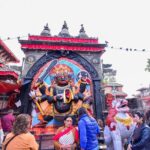
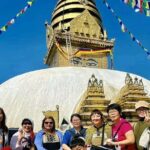
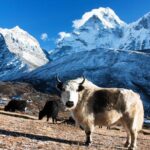
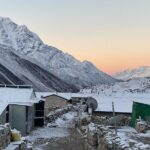
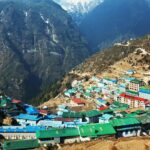
Embarking on the Annapurna Base Camp Trekking adventure is like stepping into a world where the mountains rise like giants, their peaks piercing the sky with an awe-inspiring grace. This thrilling journey takes trekkers through rugged terrain, lush forests, and charming villages, offering a unique blend of natural beauty and culture.
But what awaits those who dare to venture into the heart of the Annapurna mountain range? From the breathtaking landscapes to the challenges that lie ahead, this discussion will unravel the secrets of this epic trek, leaving you yearning for more.
- Good To Know
- Trekking Difficulty and Fitness Requirements
- Best Time to Trek Annapurna Base Camp
- Essential Trekking Gear and Packing List
- Highlights and Attractions Along the Trek
- Accommodation and Tea Houses on the Route
- Safety Tips and Precautions for Trekking
- Permits and Fees for Annapurna Base Camp Trek
- Recommended Itinerary and Route Options
- Common Questions
- How Long Does It Take to Complete the Annapurna Base Camp Trek?
- Are There Any Age Restrictions for the Annapurna Base Camp Trek?
- What Is the Weather Like During the Trekking Season?
- Is It Possible to Hire a Guide or Porter for the Trek?
- Are There Any Medical Facilities Available Along the Trekking Route?
- The Sum Up
- The Best Of Kathmandu!
- More Hiking & Trekking Tours in Kathmandu
- More Tour Reviews in Kathmandu
- Not for you? Here's more nearby things to do in Kathmandu we have reviewed
Good To Know
- The meeting point for the Annapurna Base Camp Trekking is at Adventure Bound Pvt. Ltd. in Bahati Pokhari, Kathmandu, Nepal.
- Pickup can be requested if needed.
- The trek is not recommended for travelers with back problems, heart problems, or serious medical conditions, as well as pregnant travelers.
- The trek is not wheelchair accessible and requires a moderate level of physical fitness.
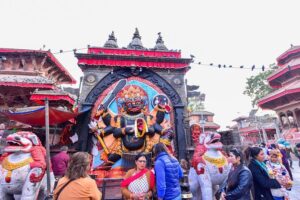
👉 See our pick of the 14 Best Shopping Tours In Kathmandu
Trekking Difficulty and Fitness Requirements
Are you ready to embark on an adventurous journey to Annapurna Base Camp? In order to fully prepare yourself, it’s important to understand the trekking difficulty and fitness requirements for this awe-inspiring expedition.
Annapurna Base Camp trek is considered a moderate difficulty level trek, suitable for individuals with a moderate physical fitness level. While it doesn’t require extensive mountaineering skills, it does demand a certain level of physical endurance and stamina.
Prior physical preparation is highly recommended to ensure a successful and enjoyable trekking experience. This includes regular cardiovascular exercises, such as hiking or jogging, to improve stamina, as well as strength training exercises to strengthen your legs and core muscles.
Plus, it’s essential to acclimatize properly to the altitude by gradually ascending and taking rest days along the way.
You can also read our reviews of more hiking tours in Kathmandu
Best Time to Trek Annapurna Base Camp
After preparing yourself physically for the moderate difficulty level trek to Annapurna Base Camp, it’s time to discover the best time to embark on this exhilarating adventure through the Himalayas. Choosing the right season is crucial for a safe and enjoyable trek. Here are the best seasons to trek to Annapurna Base Camp:
Autumn (September to November): This is the most popular season due to the clear skies, pleasant temperatures, and stunning views of the mountains.
Spring (March to May): Another great time to trek, with blooming rhododendrons and lush greenery. The weather is mild, and the trails are less crowded.
Winter (December to February): Although it can be cold, trekking during this season offers a unique experience with fewer travelers and breathtaking snowy landscapes.
Acclimatization tips: Take your time to acclimatize at each altitude and stay hydrated. Listen to your body and be aware of any signs of altitude sickness.
Essential Trekking Gear and Packing List
To embark on the thrilling adventure of Annapurna Base Camp trekking, it is essential to pack the right gear to ensure a safe and comfortable journey through the majestic Himalayas. Here are some trekking gear recommendations and packing list suggestions to help you prepare for this incredible expedition:
| Gear | Description |
|---|---|
| Hiking Boots | Sturdy and waterproof boots for rocky terrains |
| Backpack | A reliable backpack with proper back support |
| Sleeping Bag | Warm and lightweight sleeping bag for cold nights |
| Trekking Poles | Adjustable poles for stability on steep trails |
| Waterproof Jacket | Protection against rain and wind |
| Base Layers | Moisture-wicking and insulating clothing |
| Trekking Pants | Lightweight and quick-drying pants |
| Insulated Jacket | Warm layer for high altitudes |
| Hat and Gloves | To protect against sun and cold |
| Sunglasses | UV protection for eyes |
| First Aid Kit | Essential medical supplies and medications |
| Water Bottle | Hydration is key, carry a reusable water bottle |
| Snacks | Energy bars and trail mix for quick boosts |
| Headlamp | Hands-free lighting for nighttime |
| Map and Compass | Navigation tools for remote areas |
Remember to pack light and prioritize essential items. It’s always a good idea to check the weather forecast and consult with experienced trekkers for additional advice. With the right gear, you’ll be well-prepared to conquer the Annapurna Base Camp trek and create memories of a lifetime.
Highlights and Attractions Along the Trek
Embarking on the thrilling adventure of Annapurna Base Camp trekking not only provides you with an incredible journey through the majestic Himalayas but also offers a multitude of highlights and attractions along the way. Here are three of the most captivating aspects of the trek:
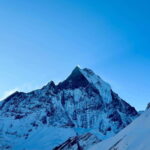
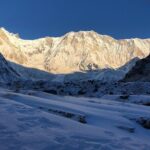
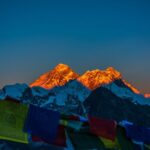
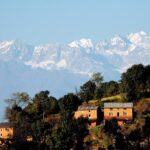
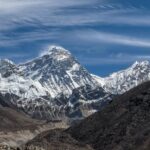
Best Viewpoints: As you ascend higher into the mountains, you’ll be rewarded with breathtaking panoramic views of the surrounding peaks, including Annapurna I, Annapurna South, and Machhapuchhre. These vistas will leave you in awe of the natural beauty and grandeur of the Himalayas.
Local Culture: Along the trek, you’ll have the opportunity to learn about the rich and vibrant culture of the local communities. From traditional villages to Buddhist monasteries, you’ll witness the daily lives and rituals of the Nepalese people, gaining a deeper understanding of their customs and traditions.
Natural Wonders: The Annapurna region is known for its diverse and stunning landscapes. From lush forests to cascading waterfalls, from terraced fields to serene alpine meadows, each step of the trek unveils a new natural wonder, creating a truly unforgettable experience.
With these highlights and attractions, the Annapurna Base Camp trekking promises to be an adventure that combines breathtaking views, culture, and the exploration of Nepal’s natural wonders.
Accommodation and Tea Houses on the Route
As you embark on the thrilling Annapurna Base Camp trekking adventure, you’ll find a variety of accommodation options and charming tea houses along the route. These accommodations range from basic guesthouses to more comfortable lodges, providing you with a cozy place to rest after a day of trekking.
The tea houses, on the other hand, offer a unique cultural experience as you interact with the locals and indulge in the local cuisine. You can savor traditional Nepali dishes such as dal bhat (lentil soup with rice), momo (dumplings), and thukpa (noodle soup).
The tea houses also serve as social hubs where trekkers gather to share stories and exchange tips. So, not only will you find a comfortable place to stay, but you’ll also have the opportunity to learn about the local culture and create lasting memories.



Safety Tips and Precautions for Trekking
When trekking to Annapurna Base Camp, it’s essential to prioritize safety by following these important tips and precautions:
Acclimatization: Take your time to acclimatize to the high altitude. Ascend gradually and allow your body to adjust to the thin air. It’s recommended to spend a day or two in Manang for acclimatization before continuing the trek.
Stay hydrated: Drink plenty of water to prevent altitude sickness. Dehydration can worsen the symptoms of altitude sickness, so make sure to drink at least 3-4 liters of water per day.
Listen to your body: Pay attention to any signs of altitude sickness, such as headache, dizziness, nausea, or fatigue. If you experience any of these symptoms, descend to a lower altitude and seek medical attention if necessary.
Permits and Fees for Annapurna Base Camp Trek
After ensuring your safety and preparing for your trek to Annapurna Base Camp, it’s important to be aware of the permits and fees required for this unforgettable adventure.
To enter the Annapurna Conservation Area, all trekkers must obtain the Annapurna Conservation Area Permit (ACAP) and the Trekkers’ Information Management System (TIMS) card.
The ACAP aims to preserve the natural and cultural heritage of the area, while the TIMS card provides important information about trekkers to aid in rescue operations if necessary.
The cost for the ACAP is NPR 3,000 for foreign nationals and NPR 1,000 for SAARC nationals. The TIMS card fee is NPR 1,000 for individual trekkers and NPR 2,000 for trekkers going through an authorized trekking agency.
Payment for permits and fees can be made in cash at the respective permit counters in Kathmandu or Pokhara.
Remember to carry your permits and show them when asked by officials along the trek.
Recommended Itinerary and Route Options
Embark on an unforgettable journey through the breathtaking landscapes of the Annapurna region with the recommended itinerary and route options for the Annapurna Base Camp Trek.
Classic Route: Begin your trek from Nayapul and pass through beautiful villages like Tikhedhunga, Ghorepani, and Tadapani before reaching the base camp. This route offers stunning views of the Annapurna and Dhaulagiri ranges.
Annapurna Sanctuary Route: For a more challenging trek, take the Annapurna Sanctuary route. This alternative itinerary takes you through Bamboo, Deurali, and Machhapuchhre Base Camp, before reaching the Annapurna Base Camp. You’ll be rewarded with panoramic views of the surrounding peaks.
Poon Hill and Mardi Himal Combination: For a diverse trekking experience, combine the Poon Hill and Mardi Himal routes. This itinerary takes you through the lush rhododendron forests of Poon Hill and the pristine landscapes of Mardi Himal, offering a unique perspective of the Annapurna region.
With these trekking routes and alternative itineraries, you can customize your Annapurna Base Camp Trek to suit your preferences and create memories of a lifetime.
Common Questions
How Long Does It Take to Complete the Annapurna Base Camp Trek?
The average trekking duration for Annapurna Base Camp is around 7-12 days, depending on the chosen route and individual pace. The best time to do this trek is during the spring (March-May) and autumn (September-November) seasons.
Are There Any Age Restrictions for the Annapurna Base Camp Trek?
Age restrictions may apply for the trek. It is recommended to have a moderate physical fitness level. Training may be required for challenging terrain. Consult with a professional guide for specific requirements and guidance.
What Is the Weather Like During the Trekking Season?
The weather during the trekking season for Annapurna Base Camp is generally mild and pleasant. However, it can vary depending on the time of year. It is best to check the weather forecast and pack appropriate equipment.
Is It Possible to Hire a Guide or Porter for the Trek?
Hiring a guide or porter for the Annapurna Base Camp trek offers numerous benefits. They provide valuable assistance, share local knowledge, ensure safety, and lighten the load. It’s a wise choice for a successful and enjoyable trekking experience.
Are There Any Medical Facilities Available Along the Trekking Route?
Medical facilities and emergency services are limited along the trekking route. It is advisable to carry a basic first aid kit and any necessary medications. Travelers should consult with their doctor before embarking on the trek.
The Sum Up
To sum it up, the Annapurna Base Camp Trekking adventure offers a thrilling and immersive experience in the majestic Annapurna mountain range. With its breathtaking landscapes, challenging terrain, and culture, it’s a must-do for adventure enthusiasts.
However, it’s important to note that the trek requires a moderate level of physical fitness and isn’t recommended for individuals with certain medical conditions.
This trek promises an unforgettable journey through the heart of Nepal’s natural beauty.