Nestled amidst the majestic peaks of the Annapurna range, the Annapurna Base Camp Trek beckons adventurers with promises of stunning vistas and a chance to conquer new heights.
The trek, an expedition that spans 11 days, offers an immersive experience through Nepal’s awe-inspiring landscapes. But it’s not just the breathtaking scenery that draws travelers in; it’s the opportunity to challenge oneself, to push beyond limits, and to discover the beauty of the human spirit in the face of nature’s grandeur.
Embarking on this journey is not just an escape from the ordinary, but a chance to connect with something greater, to find solace in the simplicity of putting one foot in front of the other.
So lace up your boots, strap on your backpack, and get ready for an adventure that will leave you craving for more.
- Good To Know
- Trek Overview
- Logistics and Accommodation
- Meals and Dining Options
- Best Seasons for the Trek
- Safety, Itinerary, and Cancellation Policy
- Trek Difficulty and Terrain
- Highlights and Sightseeing Opportunities
- Packing List and Essential Gear
- Common Questions
- What Is the Maximum Group Size for the Annapurna Base Camp Trek?
- Are There Any Age Restrictions for Participating in the Trek?
- Is Travel Insurance Required for the Trek?
- Are There Any Restroom Facilities Available During the Trek?
- How Do I Prepare for the High Altitude During the Trek?
- The Sum Up
- The Best Of Kathmandu!
- More Hiking & Trekking Tours in Kathmandu
- More Tour Reviews in Kathmandu
- Not for you? Here's more nearby things to do in Kathmandu we have reviewed
Good To Know
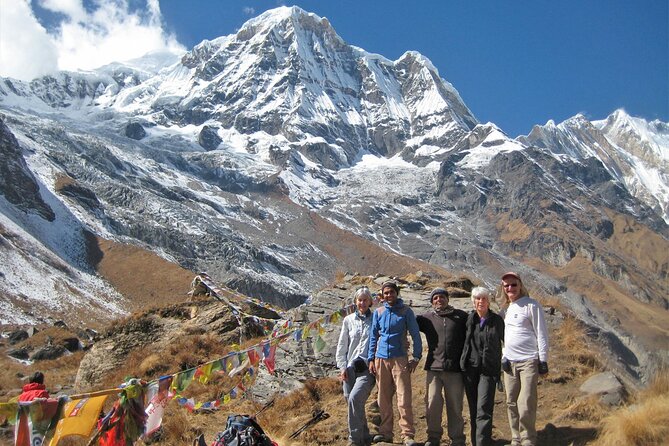
- The Annapurna Base Camp Trek is an 11-day small-group guided adventure.
- Accommodation is provided in Kathmandu and teahouses during the trek, with shared facilities in some teahouses.
- Nepalese and international cuisine is served throughout the trek, with breakfast and dinner provided from tea-houses or lodge menus.
- The best seasons for the trek are autumn (Sept. to Nov.) and spring (March to May), with winter (Dec., Jan., Feb.) being less crowded but harsher in terms of temperature.
👉 See our pick of the 14 Best Shopping Tours In Kathmandu
Trek Overview
The Annapurna Base Camp Trek offers adventurers a thrilling 11-day journey through steep hilly terrain, where they can enjoy the stunning beauty of the Nepalese landscape while experiencing the warm hospitality of teahouses along the way.
This trek is of moderate difficulty, requiring around 6-7 hours of walking each day. However, the challenges are well worth it, as the trek is filled with breathtaking highlights and sightseeing opportunities.
Trekkers will witness panoramic views of snow-capped mountains, lush forests, and picturesque villages. They’ll also have the chance to explore the culturally rich city of Kathmandu before embarking on the trek.
The Annapurna Base Camp Trek promises an adventure of a lifetime, allowing adventurers to push their limits while being rewarded with awe-inspiring vistas and unforgettable experiences.
You can also read our reviews of more hiking tours in Kathmandu

Logistics and Accommodation
Embarking on the Annapurna Base Camp Trek not only promises adventurers breathtaking vistas and unforgettable experiences, but it also requires careful logistical planning and consideration for accommodation along the way.
The trek duration typically lasts for 11 days, during which trekkers will traverse steep and hilly terrains for about 6 to 7 hours each day.
As for transportation options, the package includes airport pickup and domestic transport.
Accommodation is provided in twin-shared basis rooms, with attached washrooms in most teahouses. Single supplement options are available upon request at an additional cost. However, it may be difficult to find single rooms at higher elevations.
Throughout the trek, trekkers can enjoy authentic Nepalese and international cuisine, with breakfast and dinner served from the teahouse or lodge menu, and lunch provided on the way to the next destination.
Meals and Dining Options
When it comes to the Annapurna Base Camp Trek, adventurers can look forward to a diverse and satisfying range of meal options along the way. Here are four reasons why the meal options on this trek are a highlight:
Traditional Nepalese Cuisine: Experience the flavors of Nepal with authentic dishes prepared by local teahouses and lodges. From hearty dal bhat (lentil soup with rice) to momos (steamed dumplings), you’ll get a taste of traditional Nepalese cuisine.
Variety: The meal options on the trek cater to different dietary preferences and requirements. Whether you’re a vegetarian, vegan, or have specific food allergies, you’ll find options to suit your needs.
Fresh and Healthy: The meals are made using fresh ingredients sourced locally. You can enjoy nourishing meals that provide the energy you need for the challenging trek.
Scenic Dining: Imagine eating delicious meals surrounded by breathtaking mountain views. As you dine in the teahouses or lodges, you’ll have the opportunity to soak in the beauty of the Himalayas.
With an array of meal options that showcase traditional Nepalese cuisine, the dining experience on the Annapurna Base Camp Trek is sure to satisfy your taste buds and nourish your body.
Best Seasons for the Trek
For adventurers planning the Annapurna Base Camp Trek, choosing the best season to embark on this epic journey is crucial for a memorable and enjoyable experience. The two recommended seasons for this trek are Autumn (Sept. to Nov.) and Spring (March to May).
During these seasons, the weather is sunny and warm, offering outstanding views of the surrounding peaks. It’s also the time when the trekking equipment can be carried comfortably, as the harsh temperatures of winter are avoided. Plus, these seasons provide ample opportunities for the acclimatization process, allowing trekkers to adapt to the increasing altitude gradually and reduce the risk of altitude sickness.
While Winter (Dec., Jan., Feb.) offers fewer crowds, the extreme temperatures make it challenging for most trekkers. Summer (June to Aug.) is affected by rain, but it’s a great time for botanists to explore the rich flora of the region.
Choose the season that suits your preferences and embark on this incredible adventure.
Safety, Itinerary, and Cancellation Policy
As adventurers plan their unforgettable journey to the Annapurna Base Camp, it’s essential to familiarize themselves with the safety measures, itinerary details, and cancellation policy to ensure a smooth and worry-free experience. Here are the key points to consider:
Safety is a top priority: The trek leader has the authority to modify or cancel the itinerary if there are safety concerns. While efforts are made to stick to the planned schedule, weather conditions and health issues may necessitate changes. Participants are expected to be flexible and understand that deviations from the itinerary can occur.
Refund policy: A full refund is available if the trek is canceled up to 24 hours in advance. However, if the cancellation is made less than 24 hours before the start time, no refund will be provided. It’s important to note that changes to the itinerary or cancellations aren’t accepted less than 24 hours prior to the start time.
Flexibility requirements: Given the unpredictable nature of the mountains, participants must be adaptable and willing to adjust their plans if necessary. The trek requires physical endurance and mental resilience. It’s recommended to be prepared for unexpected changes and challenges along the way.
Maximum number of travelers: To ensure a personalized experience, there’s a maximum limit of 12 travelers on the trek. This allows for better communication with the trek leader and fosters a sense of camaraderie among the group.



Trek Difficulty and Terrain
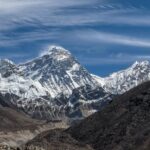
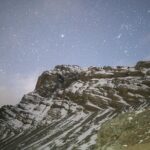
The Annapurna Base Camp Trek offers a thrilling adventure through challenging terrain and varying levels of difficulty. As trekkers embark on this journey, they’ll encounter a number of trek challenges and experience different trail conditions.
The terrain can be steep and hilly, requiring around 6-7 hours of walking each day. Trekkers should be prepared for the physical demands of the trek, as the trail can be challenging at times. However, the reward of reaching the base camp of one of the world’s tallest peaks is worth every step.
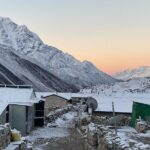
It’s important to consider the trail conditions, which can vary from rocky paths to snowy sections, depending on the season. With proper preparation and determination, trekkers can conquer the Annapurna Base Camp Trek and create memories that will last a lifetime.
Highlights and Sightseeing Opportunities
With its breathtaking landscapes and cultural treasures, the Annapurna Base Camp Trek offers a stack of highlights and sightseeing opportunities that will leave trekkers in awe. Here are four of the top experiences that await adventurers on this incredible journey:
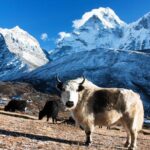
Photography opportunities: From the lush green valleys and terraced fields to the snow-capped peaks and pristine lakes, the Annapurna region provides endless opportunities for capturing stunning photographs. Whether you’re an amateur or a professional photographer, you’ll be amazed by the breathtaking vistas that unfold at every turn.
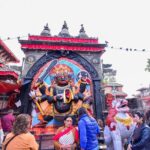
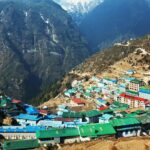
Cultural experiences: Along the trek, you’ll have the chance to learn about the rich culture of the local communities. Visit traditional villages, interact with friendly locals, and witness age-old customs and traditions. From the vibrant prayer flags fluttering in the wind to the ornate Buddhist monasteries, every moment is a chance to learn and appreciate the unique heritage of the region.
Sunrise at Poon Hill: One of the highlights of the trek is the early morning hike to Poon Hill. As the first rays of sunlight illuminate the snow-capped peaks, including Annapurna and Dhaulagiri, you’ll be treated to a breathtaking panoramic view that’s simply unforgettable.
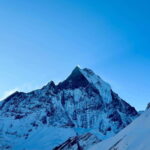
Annapurna Base Camp: The ultimate highlight of the trek is reaching the Annapurna Base Camp itself. Surrounded by towering Himalayan giants, this natural amphitheater offers a sense of awe and accomplishment. Take a moment to soak in the stunning vistas, breathe in the crisp mountain air, and revel in the sense of achievement that comes with reaching this iconic destination.
Packing List and Essential Gear
After experiencing the breathtaking landscapes and cultural treasures of the Annapurna Base Camp Trek, adventurers must now prepare themselves with the essential gear and packing list for this incredible journey.
To ensure a successful and enjoyable trek, it’s important to pack efficiently and bring the necessary equipment. Some essential gear for the Annapurna Base Camp Trek includes a good quality backpack, sturdy hiking boots, warm and waterproof clothing, a sleeping bag, a headlamp, a first aid kit, and trekking poles.
It’s also recommended to bring sunscreen, sunglasses, a hat, a water bottle, and snacks for the trek. To pack efficiently, it’s advised to pack light, prioritize essential items, and use compression sacks to save space.
With the right gear and efficient packing, adventurers can fully enjoy the beauty and challenges of the Annapurna Base Camp Trek.
Common Questions
What Is the Maximum Group Size for the Annapurna Base Camp Trek?
The maximum group size for the Annapurna Base Camp Trek is 12 travelers. There are no age restrictions, making it accessible for adventurers of all ages. It’s a fantastic opportunity to explore the stunning landscapes of the Annapurna region.
Are There Any Age Restrictions for Participating in the Trek?
Age restrictions for participating in the trek are dependent on the level of physical fitness required. It is recommended to consult with a medical professional and assess one’s own capabilities before embarking on any strenuous activities.
Is Travel Insurance Required for the Trek?
Yes, travel insurance is highly recommended for the trek. It provides coverage for medical emergencies, trip cancellation, and lost baggage. Having travel insurance gives peace of mind and ensures that you are protected throughout your journey.
Are There Any Restroom Facilities Available During the Trek?
Restroom facilities are available during the trek, with varying cleanliness standards. In some teahouses, there may be shared facilities, while others may have attached washrooms. It is advisable to bring personal hygiene items for added comfort.
How Do I Prepare for the High Altitude During the Trek?
To prepare for high altitude during the trek, one should engage in high altitude training and acclimatization techniques. These include gradual ascent, staying hydrated, eating light meals, and listening to the body’s signals. It’s important to be well-prepared and take necessary precautions for a safe and enjoyable trek.
The Sum Up
Embarking on the Annapurna Base Camp Trek isn’t just a journey, but an opportunity to challenge yourself and learn about the stunning landscapes of Nepal. With comfortable accommodation, delicious meals, and experienced guides, this adventure promises an unforgettable experience.
Whether you choose to trek in the autumn, spring, winter, or even summer, each season offers its own unique charm.
So pack your bags, embrace the unknown, and create memories that will last a lifetime on this awe-inspiring trek.