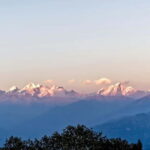
Planning a trek through Nepal’s Himalayas is a bucket-list goal for many adventure lovers, but choosing the right tour can feel overwhelming. The Annapurna Base Camp Trek (11 days) offered by Sole Encounters Adventures has garnered a perfect 5.0 rating from travelers, making it a standout option for those looking for a well-organized, authentic experience.
What makes this trek special? First, the dedicated local guides and porters ensure a smooth journey, full of insightful stories and safety. Second, the comfortable teahouse stays mean you can enjoy genuine local hospitality without sacrificing comfort. Third, the thoughtfully paced itinerary helps prevent altitude sickness and keeps the adventure enjoyable.
A potential consideration is the trek’s physical demand — it involves multiple uphill and downhill sections and unpaved trails, so a moderate fitness level is recommended. If you’re a lover of scenic mountain views, cultural insights, and a well-supported trek, this tour could be a perfect fit.
- Good To Know
- Starting the Adventure: Kathmandu and Pokhara
- The Trek Begins: Chhomrong and Beyond
- Reaching the Highlights: Machapuchare and Annapurna Base Camp
- Descending and Relaxing: Bamboo and Jhinu Danda
- Returning to Pokhara and Kathmandu
- What’s Not Included and Why it Matters
- The Best Of Kathmandu!
- More Hiking & Trekking Tours in Kathmandu
- More Tour Reviews in Kathmandu
- Not for you? Here's more nearby things to do in Kathmandu we have reviewed
Good To Know
- Expert Local Guides: Knowledgeable guides enhance safety and cultural understanding.
- Comfortable Accommodation: Cozy teahouses provide an authentic yet comfortable stay.
- Well-Paced Itinerary: Designed to minimize altitude risks and maximize scenic views.
- Responsible Tourism: The tour supports local communities and long-term development.
- All-Inclusive Value: Includes transportation, permits, and accommodations, with optional extras.
- Suitable for Moderate Fitness: Not for complete beginners but manageable for most active travelers.
👉 See our pick of the 14 Best Shopping Tours In Kathmandu
Starting the Adventure: Kathmandu and Pokhara
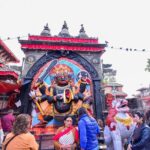
You’ll begin your journey in Kathmandu, where the tour provider arranges a smooth transfer from Tribhuvan International Airport to your hotel in Thamel. This initial step is crucial, as it sets the tone for your experience — expect friendly greetings, helpful information, and a chance to acclimate to Nepal’s vibrant capital. The included two nights in Kathmandu with breakfast mean you can rest and explore a bit before heading out.
Next, the scenic drive from Kathmandu to Pokhara (approximately 78 hours by tourist bus) introduces travelers to Nepal’s diverse landscapes. This is more than just a transfer — it’s a chance to soak in the changing vistas, from bustling city streets to serene lakeside views. According to reviews, the organization of transportation is smooth, with comments like, “The organization was professional throughout,” highlighting how stress-free this stage is.
You can also read our reviews of more hiking tours in Kathmandu
The Trek Begins: Chhomrong and Beyond
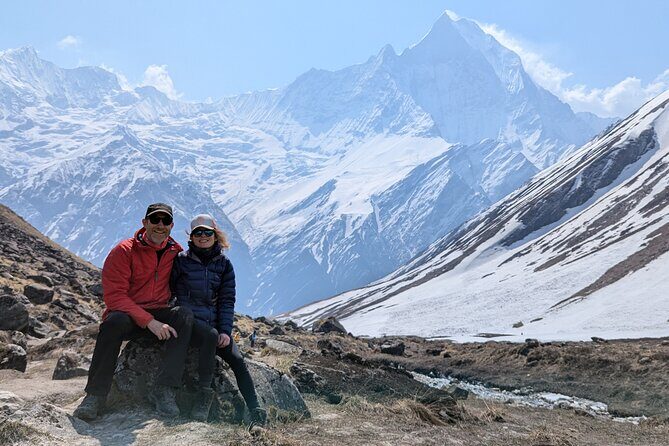
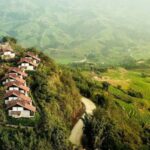
Your trek officially kicks off in Chhomrong, a beautiful Gurung village perched above the Modi Khola valley. This spot is often praised for its dramatic setting and sweeping mountain vistas of Annapurna South and Hiunchuli. The 3-hour drive from Pokhara to Siwai introduces you to traditional Nepali villages and terraced hillsides.
From Chhomrong, the route descends into Dovan, where dense forests and peaceful surroundings prepare you for the higher elevations ahead. The journey’s pace is carefully managed, with reviews noting that “the trekking pace felt comfortable, making the altitude manageable and enjoyable.”
Reaching the Highlights: Machapuchare and Annapurna Base Camp
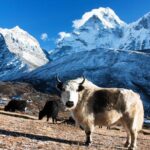
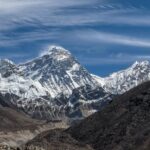
One of the most anticipated stops is Machapuchare Base Camp, at 3,700 meters. The wide glacial valley offers jaw-dropping views of Annapurna I, Annapurna III, Gangapurna, and the sacred Fishtail Mountain — the sort of scenery that makes every step worth it. Travelers have mentioned that the guides’ explanations add depth to the experience, helping you understand the significance of these peaks.
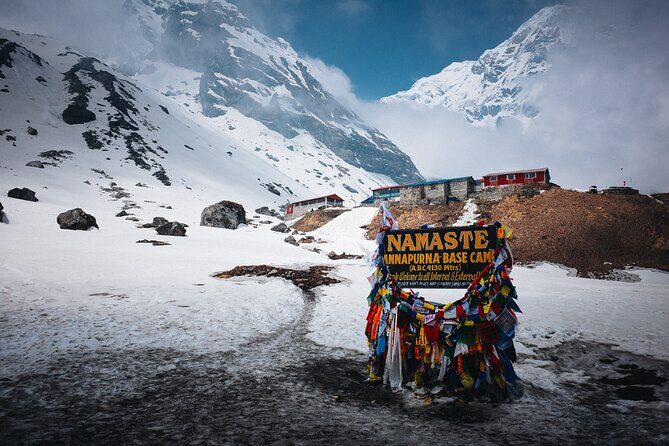
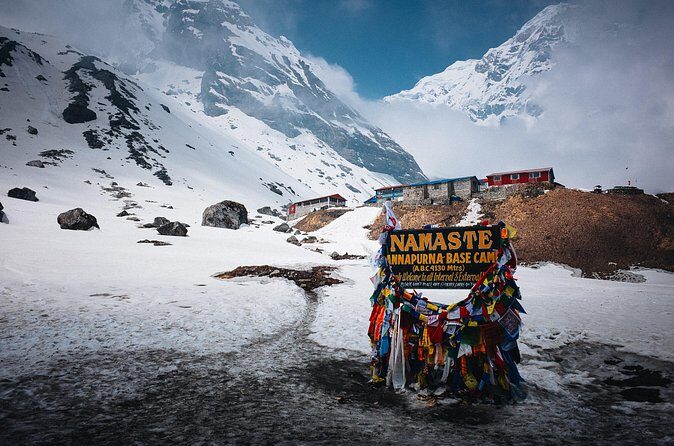
Annapurna Base Camp (4,130 meters) is the trek’s grand finale — a stunning amphitheater surrounded by towering giants. Many reviewers describe this moment as “emotional,” with the towering peaks and the sense of achievement making it a highlight. The carefully managed itinerary ensures you aren’t rushing, giving ample time to soak in the grandeur.
Descending and Relaxing: Bamboo and Jhinu Danda
Descending through lush forests, you’ll pass through MBC, Deurali, Himalaya, and Dovan before reaching Bamboo, a peaceful spot where you can enjoy a relaxed evening. The trail now becomes gentler, offering a chance to reflect on the journey so far.
The final trekking day takes you to Jhinu Danda, famed for its natural hot springs. This spot is a favorite among reviewers, who note how soothing the springs are after days of trekking. It’s the perfect place for a relaxed soak, with views of the Annapurna range still in sight.
Returning to Pokhara and Kathmandu
After a final morning trek from Jhinu Danda to Siwai, you’ll take a gentle downhill walk back into Pokhara. This lakeside city is a haven for relaxation, offering stunning mountain views and a laid-back vibe. Many travelers appreciate this return, as it’s a chance to unwind and enjoy local cafes or boat rides on Phewa Lake.
Your journey concludes with the return drive from Pokhara to Kathmandu, completing the circle with scenic mountain views once again. The inclusion of comfortable private transport and clear logistics means you won’t be left guessing about travel times or route details.
At $999 per person, this package offers solid value considering what is included. Two nights in Kathmandu and Pokhara at a 3-star hotel with breakfast, private transportation, all necessary permits, and 6 nights of teahouse stays during the trek make for a comprehensive package. The presence of professional, government-licensed guides, along with assistant guides and porters, ensures safety and personalized support.
The porters’ support is a notable feature—carrying your overnight bag so you can focus on the trail. With a 2:1 porter ratio, you’ll find your belongings are well taken care of, leaving you free to enjoy the breathtaking scenery. Reviews praise the guides’ knowledge and attentiveness, with comments like, “Our guide Mingma Sherpa explained the trail, villages, and mountains clearly,” making the entire experience richer.

What’s Not Included and Why it Matters
While meals during the trek are not included, the teahouses offer a variety of local dishes at reasonable prices, and many find this flexibility preferable. Bottled water is not provided, so bringing a filter bottle or purification tablets is wise.
Travel insurance and international flights are also excluded, so travelers should plan these ahead of time. Extra nights in Kathmandu or Pokhara are available for those who wish to extend their stay or accommodate flight schedules.
What sets this trek apart, based on multiple reviewers, is the knowledgeable guides and the supportive team. Travelers have highlighted how guides like Bhim Tamang and Mingma Sherpa made the journey safe, informative, and fun. Many reviewers appreciated the pacing, which helped manage altitude sickness risks — a crucial factor in high-altitude trekking.
The responsible tourism approach also caught the attention of travelers. The company invests in local communities through training and employment, adding a meaningful dimension to your adventure.
This trek is best suited for travelers with moderate physical fitness who want a comprehensive, well-supported experience in Nepal’s mountains. If you’re comfortable walking for several hours daily on uneven terrain and are eager to see iconic peaks like Annapurna I and Machapuchare, you’ll feel right at home.
While not overly strenuous, the trek involves significant uphill and downhill sections, so some prior hiking experience is helpful. Altitude sickness is a potential concern, so proper acclimatization and pacing are built into the itinerary, but travelers with respiratory issues should consult their doctor beforehand.
The Annapurna Base Camp Trek with Sole Encounters Adventures offers a perfect blend of authentic mountain scenery, cultural insights, and professional support. It’s an experience that’s both adventurous and comfortable, with knowledgeable guides who genuinely care about your safety and enjoyment.
Considering its inclusive price, responsible tourism efforts, and rave reviews, this trek is an excellent choice for those seeking a high-quality Nepal adventure. Whether you’re a seasoned trekker or a first-timer ready for a challenge, this 11-day journey promises unforgettable views and a deep connection to Nepal’s breathtaking landscapes.
Is transportation included in the tour?
Yes, the tour includes round-trip transportation between Kathmandu and Pokhara by comfortable tourist bus, as well as private transport for airport transfers and between trek start/end points.
What type of accommodation is provided?
You’ll stay in local teahouses during the trek, on a twin-sharing basis, offering a genuine Nepali experience with basic but comfortable amenities.
Are guides experienced?
Absolutely. The guides are government-licensed, first-aid trained, and highly knowledgeable about the region’s culture and geography.
Does the itinerary allow for acclimatization?
Yes, the route is carefully paced, with a gradual ascent and rest stops to help prevent altitude sickness. Many reviews mention the pacing as a highlight.
What’s included in the price?
The package covers hotel stays in Kathmandu and Pokhara, the trek accommodations, transportation, permits, government taxes, and meals in Kathmandu and Pokhara.
Are meals during the trek included?
No, meals are not included during the trek, but teahouses offer meals at reasonable prices, and many travelers find this flexibility beneficial.
What should I bring?
Personal trekking gear, water purification options, and some cash for extras are recommended. The tour provides porters to carry your main luggage.
Is this suitable for beginners?
A moderate level of fitness is recommended. The terrain involves uneven paths, stone steps, and some uphill sections, but the well-paced itinerary helps beginners manage the altitude.
How many people are on a typical group?
The maximum group size is 14 travelers, which allows for a more personalized experience.
What is the best time of year to do this trek?
While not explicitly stated, the tour is available from June to February, with clear mountain views often seen in the pre- and post-monsoon seasons.
In summary, this Annapurna Base Camp Trek combines safety, authentic experiences, and stunning scenery into one well-rounded adventure. Perfect for travelers seeking a responsible and rewarding Himalayan journey, it offers a chance to connect with Nepal’s natural beauty and local communities in a way that’s both meaningful and memorable.