If you’re seeking a peaceful, culturally immersive experience in Nagasaki, a guided walk through Suwa Shrine and Kofuku-ji Temple offers just that. This tour promises a blend of spiritual discovery, historical insight, and great photo opportunities. While it’s not a quick jaunt—at three hours—it’s packed with meaningful moments that bring Japan’s religious fusion to life.
What we love about this experience is the chance to climb the grand stone steps of Suwa Shrine and enjoy sweeping views of the city, explore Japan’s first Obaku Zen temple built in the 1620s, and witness the unique combination of Shinto and Zen traditions. Plus, the chance to photograph guardian lion-dogs and vibrant red gates makes it especially appealing.
A potential consideration is that Suwa Shrine involves many stone steps and isn’t wheelchair accessible, so those with mobility issues should plan accordingly. Still, the rest of the tour remains mostly flat and manageable. This walk is perfect for travelers interested in history, architecture, and spiritual traditions, especially those eager to see a different side of Nagasaki beyond its more famous sites.
- Good To Know
- Discovering Nagasaki’s Spiritual Heart
- Exploring the First Obaku Zen Temple
- The Fusion of Traditions and City Views
- Practicalities and Tour Experience
- Real Traveler Insights
- Who Will Enjoy This Tour?
- The Sum Up
- FAQ
- The Best Of Nagasaki!
- More Walking Tours in Nagasaki
- More Tour Reviews in Nagasaki
- Not for you? Here's more nearby things to do in Nagasaki we have reviewed
Good To Know
- Cultural Fusion: Experience the blend of Shinto and Zen traditions in Nagasaki.
- Stunning Views: Climb Suwa Shrine’s steps for panoramic cityscapes.
- Historical Significance: Visit Japan’s first Obaku Zen temple, built in the 1620s.
- Photogenic Moments: Capture images of guardian statues, red gates, and scenic vistas.
- Guided Insights: Learn about local festivals, architecture, and religious history from knowledgeable guides.
- Accessibility: Mostly flat at Kofuku-ji, but Suwa Shrine’s steps may be challenging for some.
👉 See our pick of the 6 Best Guided Tours In Nagasaki
Discovering Nagasaki’s Spiritual Heart
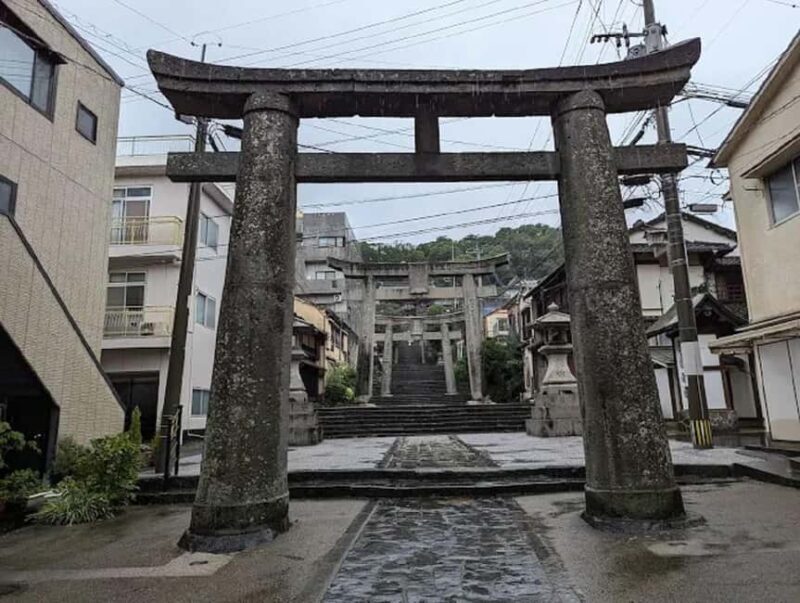
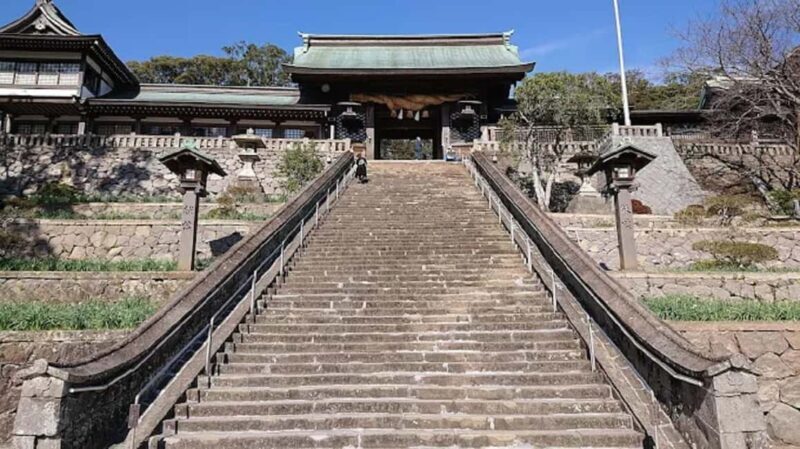
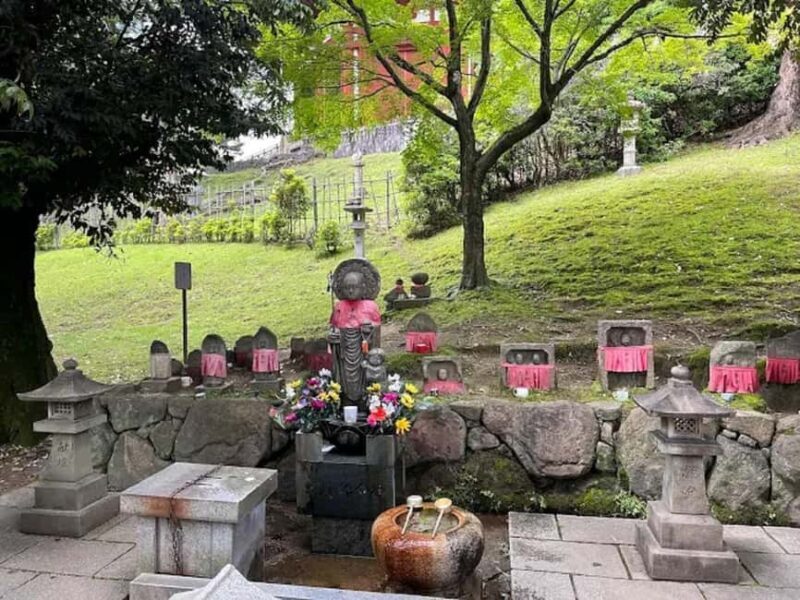
Our journey begins at Suwa Shrine, a Shinto sanctuary perched atop a hillside that provides a peaceful contrast to Nagasaki’s bustling streets. Even before you start climbing, the main Torii gate signals the entrance to a sacred space. From here, the long stone staircase beckons—each step feels like peeling away the city noise to enter a tranquil world.
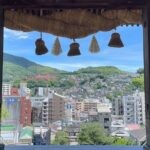
We loved the way the guardian lion-dogs (komainu) stand guard at the shrine, their fierce expressions adding a touch of tradition and protection. As we ascended, the view opened up to reveal Nagasaki sprawling below—an ideal moment for photos. The guides shared stories about the numerous seasonal festivals held here, giving us a glimpse into local spiritual practices that have been ongoing for centuries.
While the climb is physically straightforward for most, it’s worth noting that the steps are uneven and steep at times. If mobility is a concern, keep this in mind. The reward, however, is well worth the effort: a panoramic vista that perfectly captures Nagasaki’s unique blend of history and modernity.
You can also read our reviews of more walking tours in Nagasaki



Exploring the First Obaku Zen Temple
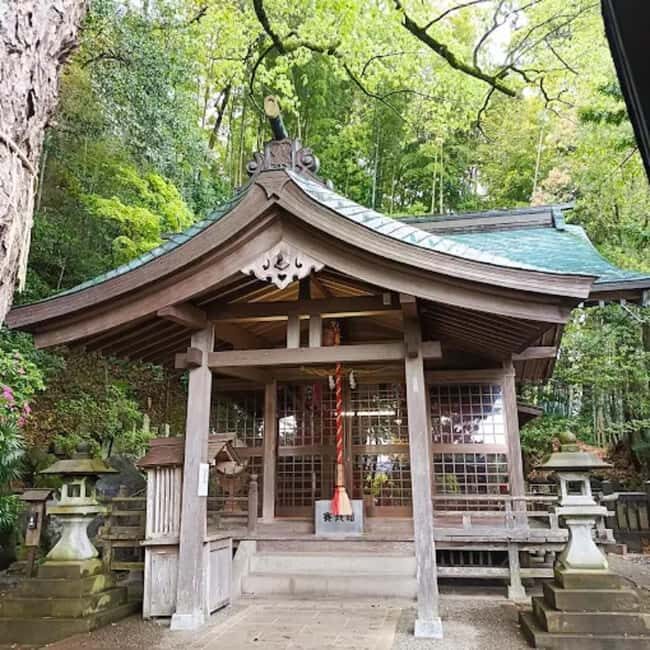
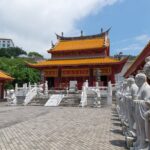
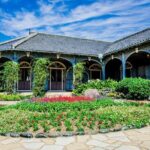
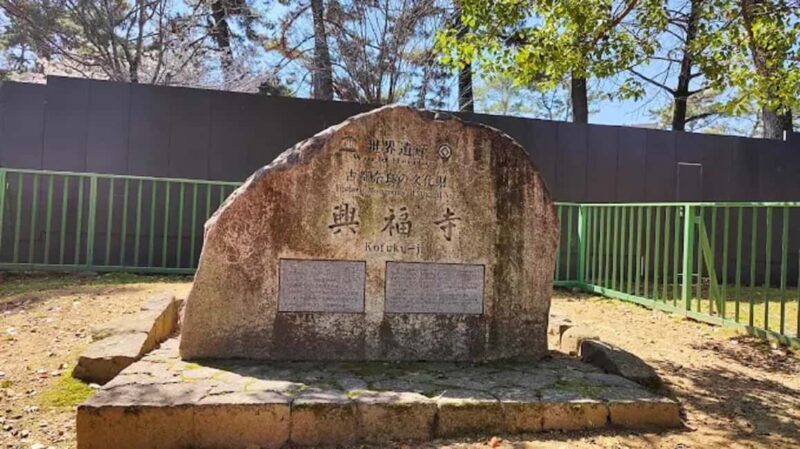
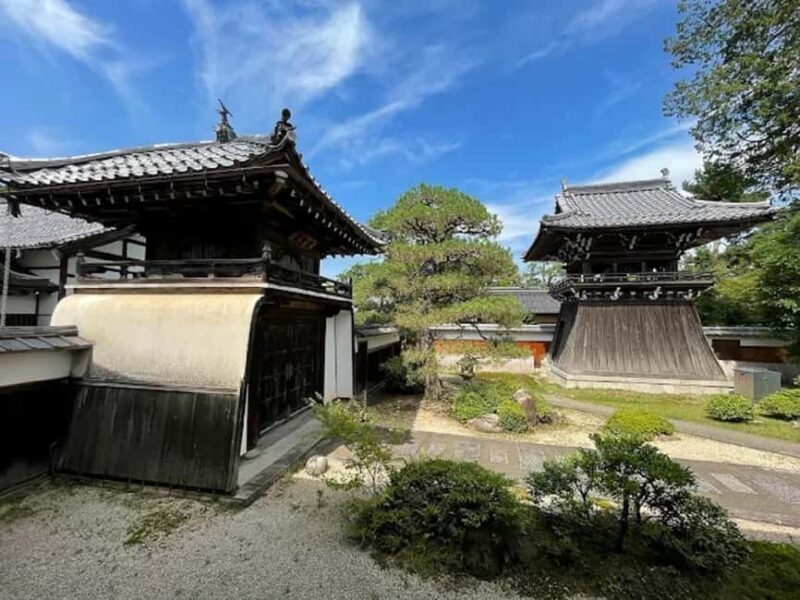
Descending from Suwa Shrine, we headed toward Kofuku-ji Temple, a serene space built in the 1620s, notable as Japan’s first Obaku Zen temple. Its architecture reflects Chinese influence, with vibrant red-painted gates and tranquil halls. This temple offers a stark contrast to the shrine’s natural and rustic ambiance, giving visitors a glimpse into how Zen Buddhism arrived in Japan through Chinese cultural exchange.
The guides explained that Obaku Zen is distinct from other Zen sects because of its connection to Chinese traditions, which are visible in the temple’s design. The peaceful grounds are mostly flat and accessible, making it easy to wander and reflect. Many visitors find this part of the tour particularly calming, with the chance to sit quietly near a traditional Zen altar or observe monks at prayer.
Authentic and photogenic, the temple’s Chinese-style architecture and lush garden spaces combine to create a snapshot of Nagasaki’s role as a port open to international influences. Visitors often comment on the clean, tranquil atmosphere and the historical significance of this spiritual site.
The Fusion of Traditions and City Views
Walking between Suwa Shrine and Kofuku-ji, you’ll notice how these sites encapsulate Nagasaki’s history as a crossroads of cultures—Shinto indigenous roots and imported Zen practices. The tour offers an authentic sense of how religion and architecture have shaped the city’s identity.
Many reviews highlight how much they appreciated the insights from bilingual guides, who explained the significance of each site in simple terms. One reviewer mentioned, “I loved the way the guides explained the connection between Japanese and Chinese culture through the temples and shrines.” This dialogue deepens the experience beyond just sightseeing, making it informative and engaging.
After exploring the temple, you’ll have some time to capture photos—whether of the temple’s elegant gates or the panoramic city views. The guides recommend visiting during daylight hours, especially mornings or late afternoons, to avoid crowds and get the best lighting for photos.
Practicalities and Tour Experience
This tour, priced at $450 per person, packs a lot of value into three hours. It includes a live guide who speaks both English and Japanese, ensuring explanations are accessible for international visitors. The tour also offers the convenience of skip-the-ticket-line access, saving time and allowing you to focus on the experience rather than logistics.
Starting at the main Torii gate of Suwa Shrine, the meeting point is straightforward to find. The tour is generally suited for travelers who are reasonably fit—since climbing the steps of Suwa Shrine can be demanding for some—and those interested in history, architecture, or spiritual traditions. The tour is wheelchair accessible at Kofuku-ji but not at Suwa Shrine.
What to bring? Comfortable shoes are a must, as is a camera for capturing the views. A water bottle and snacks are recommended, especially if you want to stay hydrated and energized during the climb. Since flash photography is discouraged, be prepared to move quietly and respectfully.
The tour operates in various starting times—checking availability is recommended—and can be canceled free of charge up to 24 hours in advance, adding flexibility to your itinerary.
More Great Tours NearbyReal Traveler Insights
Reviewers have shared how the knowledgeable guides enhanced their understanding of Nagasaki’s cultural fusion. One noted, “The explanations about the Chinese influence on the temples really helped me appreciate the history.” Others appreciated the peaceful atmosphere of Kofuku-ji, describing it as a perfect spot for quiet reflection.
A few guests mentioned that the climb at Suwa Shrine might be challenging after a long day of sightseeing, so pacing yourself is wise. Yet, many found the effort rewarded not only with stunning views but also with a sense of accomplishment and spiritual connection.


Who Will Enjoy This Tour?
This experience is best suited for history buffs, architecture lovers, and those curious about Japan’s religious traditions. It’s perfect for travelers wanting an authentic, less touristy experience, away from crowded temples and shrines.
Because of the physical nature of the climb, it’s ideal for those in decent health and comfortable with walking. If you’re traveling with young children, consider their stamina and mobility. The quiet, reflective atmosphere also makes it suitable for solo travelers or couples seeking a peaceful break.
The Sum Up
A walk through Suwa Shrine and Kofuku-ji Temple offers a unique window into Nagasaki’s spiritual and cultural past. The combination of a scenic climb, historical architecture, and insightful guides creates a well-rounded experience that enriches your understanding of the city’s diverse influences.
While the physical climb at Suwa Shrine requires some effort, the panoramic views and the sense of tranquility make it worthwhile. The peaceful zen atmosphere at Kofuku-ji adds a reflective touch to your day.
This tour is particularly valuable for those interested in Japan’s religious traditions, architecture, and history, especially if you prefer exploring on foot with local insights. Whether you’re a seasoned traveler or a curious newcomer, this walk balances authenticity, education, and beauty in a way that’s hard to match.
FAQ
How long is the tour?
The tour lasts approximately 3 hours, making it a manageable and enriching daytime activity.
Is the tour wheelchair accessible?
Kofuku-ji Temple is mostly flat and accessible, but Suwa Shrine’s stone steps are not wheelchair-friendly, so plan accordingly if mobility is limited.
What should I bring?
Comfortable shoes, a camera, water, snacks, and weather-appropriate clothing are recommended for a smooth experience.
Can I cancel the tour?
Yes, you can cancel up to 24 hours in advance for a full refund, providing flexibility for your plans.
What is the meeting point?
The tour begins at the Main Torii Gate of Suwa Shrine, located at the base of the stone staircase. It’s easy to spot and convenient for groups.
Is this tour suitable for children?
It’s best suited for those with a reasonable level of fitness; children under one year or those with mobility issues might find the climb challenging.
This guided walk through Nagasaki’s spiritual sites offers a thoughtful, authentic glimpse into the city’s religious and cultural history. For travelers eager to combine scenic views, historical architecture, and cultural insights, it’s a memorable way to deepen your understanding of Nagasaki’s unique identity.
You can check availability for your dates here: More Great Tours Nearby