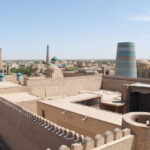
Khiva’s Ichan Kala is a walled city best explored on foot, and a local guide can help its crowded run of minarets, mosques, courtyards, and madrasas make sense as more than a collection of striking facades. This three-hour walk connects the landmarks with stories about Khiva’s khans, Silk Road traders, and the people who live within the old walls.
I like two things in particular: the route takes in many of Ichan Kala’s major sights, and the guide can add context about contemporary Uzbek life as well as the past. Guides named for this tour include Bonu, Intizor, Shahrizoda, Nargiz, Yoqut, and Charos. Their style is often described as clear, engaging, and open to questions, though your assigned guide may differ.
The main consideration is the extra cost: the required ticket for museum sites is 250,000 som per person, not included in the $24 tour price. You’ll also walk over uneven ground, and the route is not suitable for wheelchair users.
- At a glance
- Why a guide helps inside Ichan Kala
- From the west gate to Kalta Minor
- Kuhna Ark and the khans’ city
- Mausoleum, crafts, and the smaller streets
- Islam Khodja and Juma Mosque
- Toshhovli Palace and the final stretch
- What the price gets you
- Who will get the most from this walk
- Should you book it?
- FAQ
- How long is the Ichan Kala walking tour?
- Where does the tour start?
- What languages are available?
- How much does the tour cost?
- Is the museum entrance ticket included?
- Which sites are included?
- Is the tour private or in a group?
- What should I bring?
- Is the tour suitable for wheelchair users?
- The Best Of Khiva!
- More Walking Tours in Khiva
- More Tours in Khiva
- More Tour Reviews in Khiva
- Not for you? Here's more nearby things to do in Khiva we have reviewed
At a glance
 1 / 8
 2 / 8
 3 / 8
 4 / 8
 5 / 8
 6 / 8
 7 / 8
 8 / 8
- Three hours on foot through Ichan Kala, starting at its west gate.
- Major landmarks in one route, including Kalta Minor, Kuhna Ark, Juma Mosque, and Toshhovli Palace.
- A local perspective, with history and cultural context alongside the monuments.
- English, French, and Russian guides, with private or small-group options.
- Budget for the museum ticket: 250,000 som per person, separate from the tour fee.
👉 See our pick of the 3 Best Tours In Khiva
Why a guide helps inside Ichan Kala
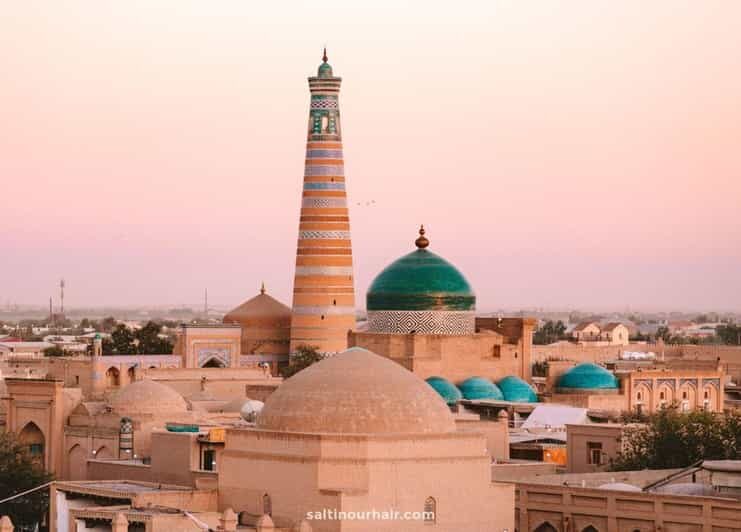
Ichan Kala is a UNESCO World Heritage Site and the walled inner town of Khiva. It contains more than 50 historic monuments, so even a short visit can become a blur of tiled entrances and impressive towers if you don’t know what you’re looking at. A guide gives the buildings a thread: who commissioned them, what purpose they served, and how they fit into Khiva’s history.
That context is especially useful in a city associated with khans and Silk Road trade. The tour is designed to connect monuments with stories about rulers, merchants, customs, and cultural traditions, rather than simply escorting you from one photo stop to another. You can also ask questions about modern family life and Uzbek traditions, topics that guides such as Bonu have addressed during the walk.
The tour is available in English, French, and Russian. Small groups make it easier to hear explanations and ask questions; private tours offer more room to shape the conversation around your interests. If a particular guide matters to you, ask about availability when booking, but don’t assume a named guide is guaranteed.
You can also read our reviews of more walking tours in Khiva
From the west gate to Kalta Minor
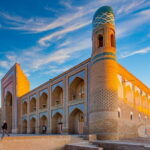
The walk begins at Ichan Kala’s west gate and moves first to the Muhammad Amin Khan Madrasa. This is a useful place to start: the madrasa introduces the scale and purpose of Khiva’s religious and educational buildings before the route moves among palaces, mosques, and smaller streets.
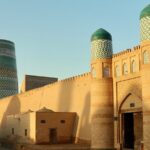
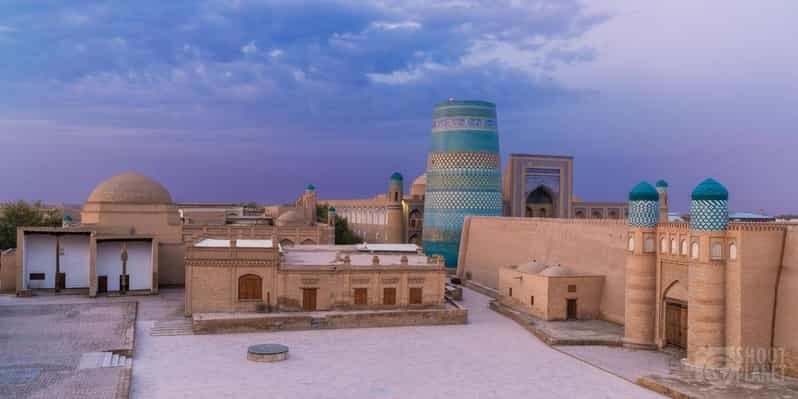
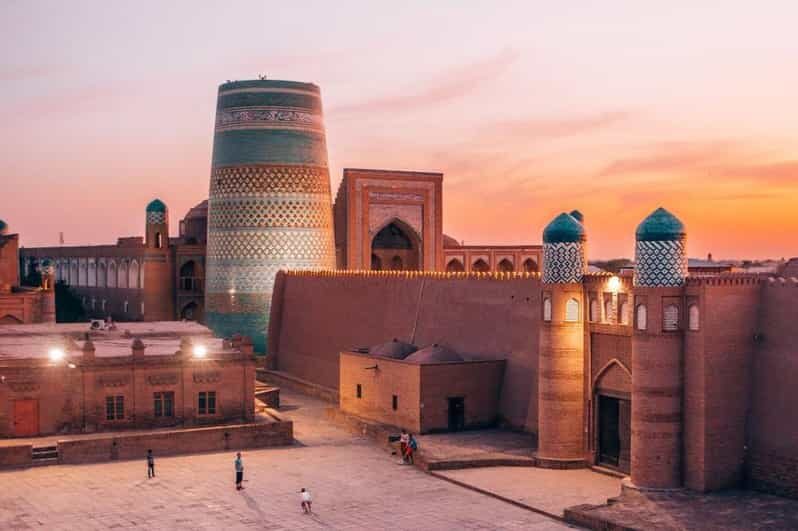
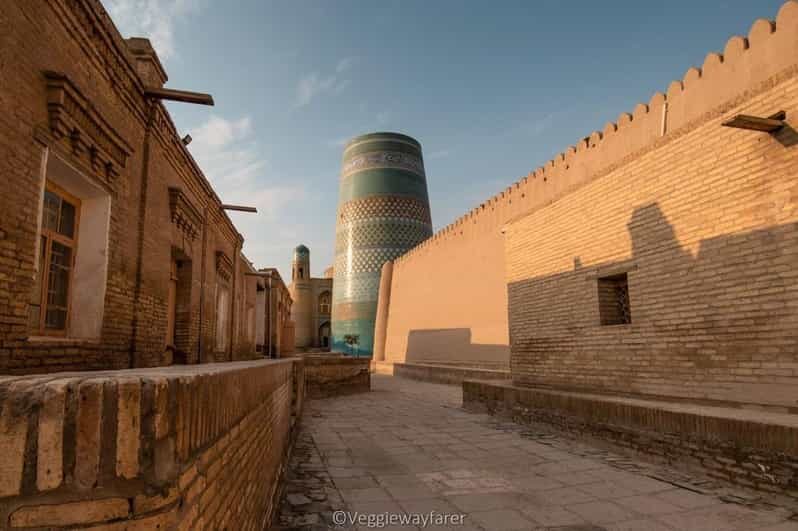
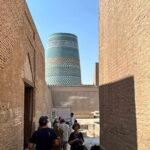
Next comes Kalta Minor, one of Khiva’s most recognizable landmarks. Its broad, striking form makes it a natural focus for a stop, while the guide can put the minaret into the wider story of the city. This is a sightseeing stop, so expect to take in the exterior and hear about its place in Ichan Kala rather than treat it as a long museum visit.
A practical tip: pause to look around, not only up. The route’s value is in comparing different kinds of buildings and understanding how they sit within the compact old town. The tour includes time for photos and exploration, but it covers many places in three hours, so a stop is not the same as an extended visit to every interior.
Kuhna Ark and the khans’ city
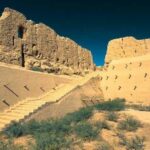
Kuhna Ark, the old citadel, brings the political history of Khiva into focus. The guided visit and sightseeing stop give you a chance to connect the city’s rulers with the fortified center where authority was exercised. It’s one of the places where a guide’s explanation can turn impressive walls and rooms into a more legible account of how the khanate worked.
The route then includes Muhammad Rahim Khan Madrasah. Together with the earlier madrasa, it helps show how religious learning and civic power were expressed in prominent buildings around the old town. You’ll hear about the people and traditions behind the architecture, not just its appearance.
The itinerary also includes Sherg’ozi Khan Madrasah, although the exact order and time at each stop may vary. With several important sites packed into a short walk, the guide’s role is partly to help you decide what deserves your attention. If you have a particular interest, such as architecture or local customs, bring it up early.
Mausoleum, crafts, and the smaller streets
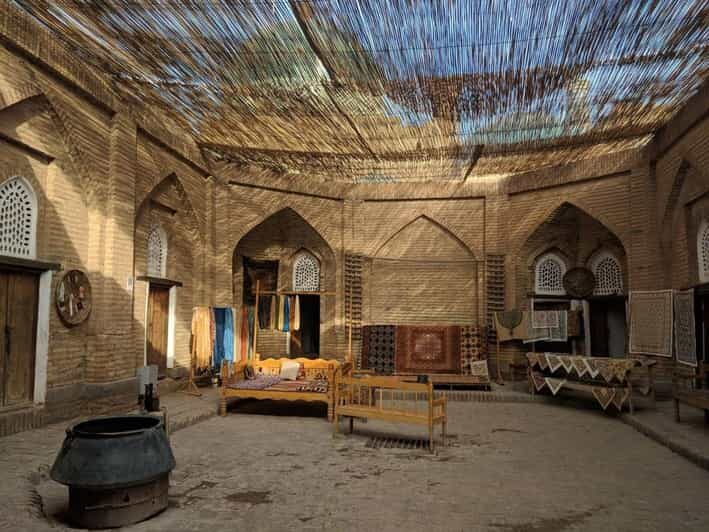
Pahlavan Mahmoud Mausoleum is included as a sightseeing stop, with the route passing through an arts and crafts market and a workshop. This adds a different texture to the walk: Khiva is not only a preserved monument zone, but also a place where craft traditions and everyday commerce remain part of the scene.
Some guides also help with practical local interactions. Shahrizoda, for example, has taken visitors to the market and helped them negotiate prices. That kind of help is not a promised part of every tour, but it illustrates how the experience can extend beyond dates and dynasties into the ordinary business of shopping and talking with local people.
The tour also explores hidden courtyards and quieter lanes. These are a welcome counterpoint to the major monuments, and they give you a glimpse of daily life inside the old walls. Keep your expectations grounded: the focus remains a three-hour historical walking tour, not a dedicated shopping trip or workshop class.
More Great Tours NearbyIslam Khodja and Juma Mosque
The Islam Khodja Madrasa and Minaret are among the route’s headline stops. The minaret offers a striking landmark within the old town, while the madrasa adds another example of Khiva’s religious architecture. The guide provides a historical frame and time for sightseeing; exact access to interiors can depend on the museum sites and their ticket requirements.
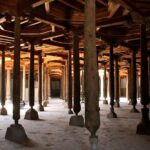
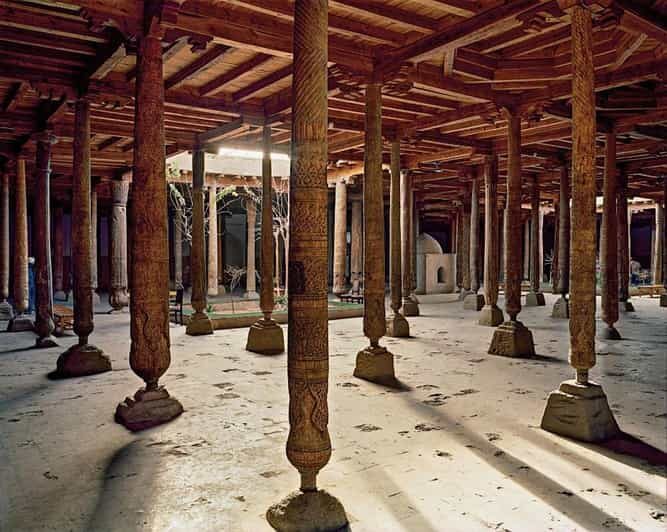
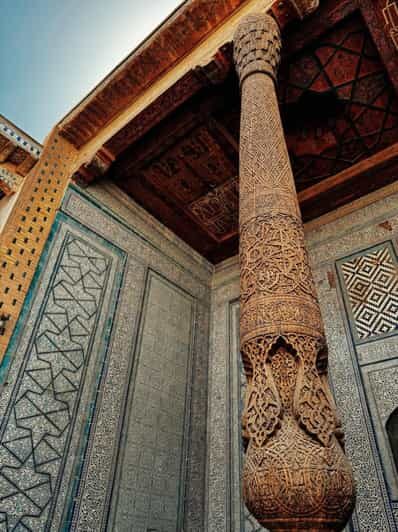
Juma Mosque brings a change of mood. Its carved wooden columns are a defining feature, and the guided stop helps you notice the craftsmanship and understand why the building differs from the more richly decorated landmarks elsewhere in Ichan Kala. It’s a good moment to slow down and look carefully rather than rush to the next tower.
The itinerary includes visits to museum sites, but the entrance ticket is not covered by the tour fee. At 250,000 som per person, it is a significant extra to factor into your budget. Confirm what the ticket covers and keep it available during the visit, since it is necessary for access to the museum sites.
You can also read our reviews of more guided tours in Khiva


Toshhovli Palace and the final stretch
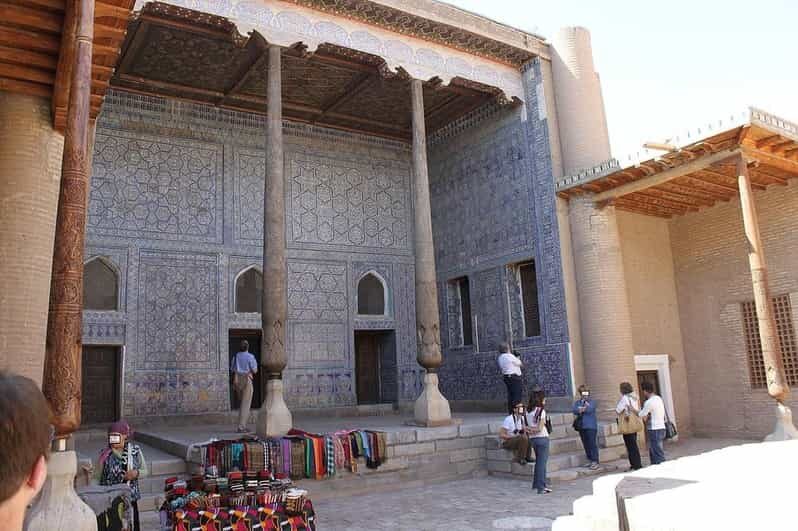
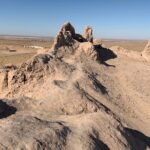
Toshhovli Palace, also written as Tosh Khovli, is the final named stop in the route. The guided visit gives you another view of Khiva’s ruling households and the architecture associated with palace life. After the mosques, madrasas, and citadel, this stop rounds out the picture of how religious, political, and domestic spaces occupied the old city.
A three-hour route through so many sites is a broad introduction, not a leisurely inspection of every monument. The pace is generally described as comfortable, with time for photos and questions, but you may want to return independently to a favorite place afterward. The guide can also suggest quieter times to visit particular locations, a useful tip if you plan to explore more on your own.
What the $24 price gets you
At $24 per person, the tour is good value if you want a structured introduction to Ichan Kala. You’re paying for three hours with a local guide, a route through many of the main landmarks, and explanations that connect the buildings with Khiva’s history and culture. That can save time and help you get more from places you might otherwise see only from the outside.
The real total is higher once you add the 250,000-som museum ticket. Even so, the tour may be worthwhile if you want to visit several museum sites and understand what you’re seeing. If you prefer to wander independently, you could skip the guide, but you would lose the chance to ask questions and hear local context along the way.
The tour has a 4.9 rating from 90 bookings. The strongest praise centers on guides who explain clearly, speak excellent English, answer questions patiently, and keep the pace comfortable. Bonu is a name that comes up often, while other guides, including Intizor and Shahrizoda, are also singled out for their local knowledge and friendly approach. These are useful signals about the tour’s strengths, not a guarantee of who will lead your walk.
Who will get the most from this walk
This tour suits first-time visitors who want to understand Ichan Kala before exploring it on their own. It’s also a good fit if you enjoy asking questions, want cultural context beyond the architecture, or have only a few hours to orient yourself in Khiva.
You may prefer a private tour if you want a more tailored conversation or have particular subjects you want to explore. Small groups are a sensible middle ground: the format keeps the walk social while leaving space to hear the guide and ask questions.
Consider a different plan if you have limited mobility, since the route involves walking on uneven surfaces and is not suitable for wheelchair users. In warm weather, bring water, a hat, and sunscreen. Wear comfortable shoes, and bring a headscarf for religious sites. Shorts are not allowed; pets are also not allowed, except assistance dogs.
Should you book it?
Book this walk if you want the major sights of Ichan Kala explained by a local guide, and you’re happy to spend three hours on foot. Its best feature is the combination of landmark visits with personal stories about Khiva’s history and present-day culture. Just budget for the separate museum ticket, prepare for uneven ground, and treat the tour as a strong introduction rather than a complete visit to every monument.
Khiva: Ichan Kala Walking Tour with Local Guide
FAQ
How long is the Ichan Kala walking tour?
The tour lasts three hours.
Where does the tour start?
It starts at Ichan Kala’s west gate.
What languages are available?
Live guides are available in English, French, and Russian.
How much does the tour cost?
The listed price is $24 per person.
Is the museum entrance ticket included?
No. The required ticket for the museum sites costs 250,000 som per person and is not included in the tour price.
Which sites are included?
The route includes Muhammad Amin Khan Madrasa, Kalta Minor Minaret, Kuhna Ark, Muhammad Rahim Khan Madrasah, Pahlavan Mahmoud Mausoleum, Islam Khodja Madrasa and Minaret, Juma Mosque, and Toshhovli Palace. Sherg’ozi Khan Madrasah is also listed as included.
Is the tour private or in a group?
Private tours and small groups are available.
What should I bring?
Bring comfortable walking shoes, water, and sunscreen. A hat is also recommended, and a headscarf is required for religious sites.
Is the tour suitable for wheelchair users?
No. It is not suitable for wheelchair users, and the walk includes uneven surfaces.
You can check availability for your dates here: