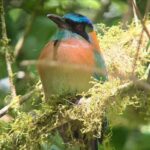
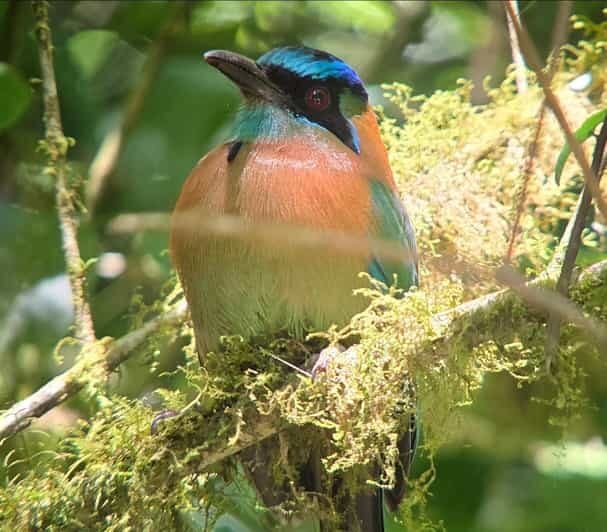
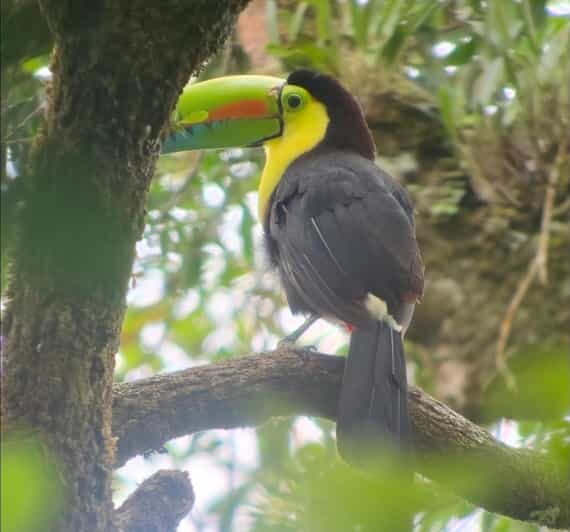
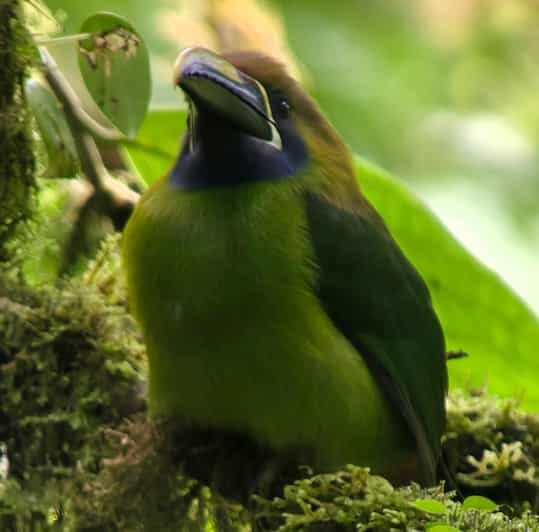
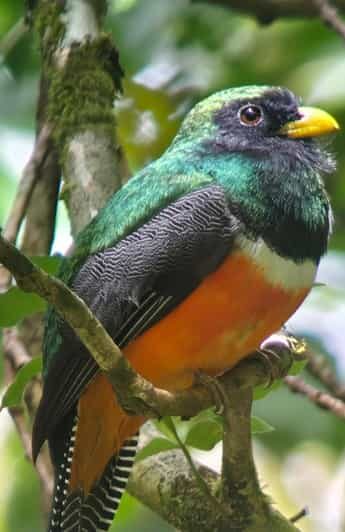
At Curi-Cancha, the birdwatching starts with a simple fact: the birds are wild, and nobody can promise which ones will appear. With a sharp-eyed local guide and a telescope, though, you have a much better chance of spotting a quetzal, toucan, or bellbird among the trees.
I like two things here: the walk crosses several types of forest, so you get more than a single view of the cloud forest, and the small group limit of eight gives the guide room to help you find and see wildlife. Guides such as Michael, José Jimenez, and Luis are praised for their eye for animals and their explanations of the forest.
The main consideration is cost. The tour is $40 per person, but Curi-Cancha admission adds $25, making the minimum total $65 per person before meals or transport. Wildlife sightings are never guaranteed, and rain can be part of the outing.
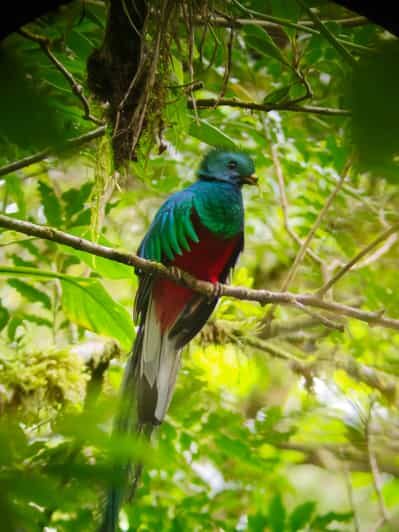
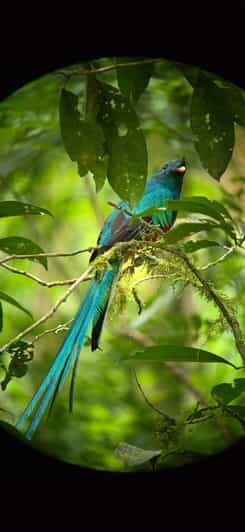
- Quetzals are possible, not promised: Guides have spotted them in different seasons, along with toucans and bellbirds.
- Four forest types on one walk: The route includes open areas, transitional forest, gallery forest, and cloud forest.
- A telescope comes with the guide: It helps you see birds clearly and can make sharing a distant sighting easier.
- Plan on $65 per person: The $40 tour price does not include the $25 Curi-Cancha entrance fee.
- Your park ticket lasts all day: Stay on the reserve’s trails after the guided walk if you want more time.
- Expect a real forest walk: The 2.5-hour outing is not suitable for wheelchair users or people with mobility impairments.
- A better chance of finding birds in Curi-Cancha
- Four forest settings in one walk
- What the guide and telescope add
- What you might see, and what you might not
- The price and the extra entrance fee
- Prepare for cool, wet trails
- Who will get the most from this walk
- Should you book the Curi-Cancha tour?
- FAQ
- How long is the birdwatching tour?
- How much does the tour cost?
- Is the Curi-Cancha entrance fee included?
- What is included in the tour?
- What languages are available?
- Are animal sightings guaranteed?
- What should I wear and bring?
- The Best Of Monteverde!
- More Tours in Monteverde
- More Tour Reviews in Monteverde
- Not for you? Here's more nearby things to do in Monteverde we have reviewed
A better chance of finding birds in Curi-Cancha
 1 / 8
 2 / 8
 3 / 8
 4 / 8
 5 / 8
 6 / 8
 7 / 8
 8 / 8
Curi-Cancha is a forest, not a bird display. Animals move freely, and the same trail can offer one group a quetzal and another a chorus of calls with no clear view of the caller. That uncertainty is part of the appeal, but it helps to arrive ready to watch and listen rather than count sightings.
The guide leads a walk of about two and a half hours, carrying a telescope and drawing on local experience to find wildlife. Michael, José Jimenez, and Luis are among the guides visitors have encountered. Names may vary, but the value of the guide is clear: a practiced eye can pick a bird out of the foliage, while an explanation of its call or habitat gives you something to notice beyond its color.
This is also a forest walk, not a bird-only checklist run. Guides explain local plants and ecology, and sightings may include monkeys, insects, or a snake as well as birds. If you want an hour-by-hour species hunt, the broader natural history may feel like a detour. If you like understanding the setting as well as looking for wildlife, it makes the outing more rewarding.

👉 See our pick of the 25 Best Tours In Monteverde
Four forest settings in one walk
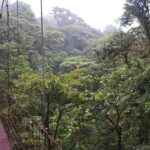
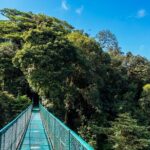
The route passes through open areas, transitional forest, gallery forest, and sections of cloud forest. Those changes matter: a shift in vegetation gives you different places to scan and different details to notice, even when the birds are keeping out of sight.
Open areas can make it easier to spot movement against a clearer background. In denser stretches, you may need to rely more on calls, careful scanning, and the guide’s telescope. The route also gives you a feel for how varied the reserve is. You are not simply walking beneath one unchanging canopy for the full two and a half hours.
Visitors have described the reserve’s trails as beautiful, and some have continued along the Puma Trail after the guided walk. A waterfall is also noted as a pleasant feature of the park. These are useful reasons to leave time after the tour rather than treating the guide’s walk as your only chance to see Curi-Cancha.
The trade-off is that more than one small group may be on the trails. Some paths can feel busy, and talking from nearby groups can make quiet listening harder. If you are hoping to hear birdsong, keep your own conversation low and take the guide’s cues when the group pauses.
You can also read our reviews of more tours and experiences in Monteverde.

What the guide and telescope add
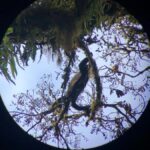
The telescope is included, along with a professional guide certified for tourism in Costa Rica. That equipment matters because many birds are high in the trees or tucked into branches. A quick glimpse through leaves can be frustrating; a steady view through a scope lets you take in details and gives others in the group a chance to look too.
Guides have helped visitors photograph birds through the telescope, and some take time to make sure everyone can see. That can be especially useful if you are new to birdwatching or do not bring powerful binoculars. Bring a camera if you want pictures, but do not expect every distant bird to make an easy photo. The forest can be dim, and animals do not pose on request.
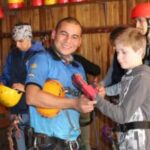
The strongest guides also make the walk about more than spotting. They explain the cloud forest’s flora and fauna, answer questions, and point out small details you might otherwise pass. Some have checked with other guides to learn where wildlife has been seen. This can improve your chances, though it does not turn a wild animal into a scheduled stop.
You can book the tour in English or Spanish. The group is limited to eight participants, a practical size for gathering around a scope without making the walk feel like a large procession. Still, several separate groups may be in the reserve at once, so small group does not mean the trails will be empty.
What you might see, and what you might not
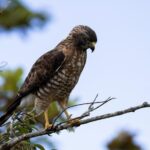
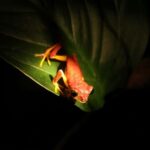
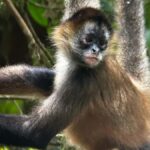
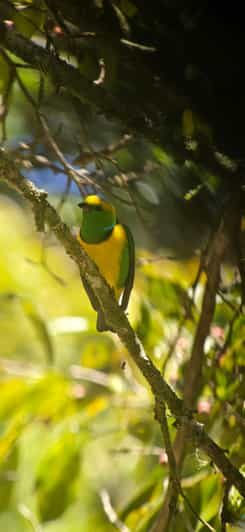
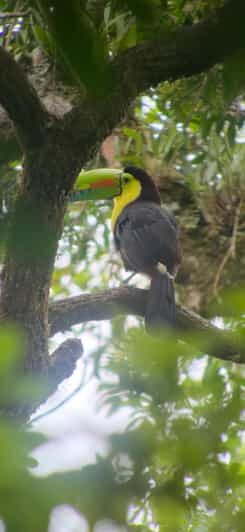
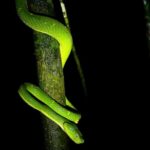
Quetzals are a major draw, and they have been spotted on this tour outside the peak season as well as at other times of year. Other possible sightings noted on the walk include toucans, male bellbirds, howler monkeys, coatis, tarantulas, snakes, and a range of other birds and insects. The variety is a reminder that the forest is not just a place to search for one famous bird.
But there is no guarantee of seeing any animal. A guide can interpret calls, search likely areas, and share recent sightings, yet the wildlife remains free to move away or stay hidden. If a quetzal is your sole reason for booking, be honest with yourself about that uncertainty. You may be lucky, but a sighting is a bonus, not a promise.
Weather also shapes the experience. Rain has not stopped visitors from seeing birds, but it can make the walk wetter and the forest harder to photograph. The cool air and damp conditions are part of the cloud-forest setting, so bring rain gear rather than assuming a clear morning.
The $40 price and the extra $25 entrance fee
The tour costs $40 per person, and the Curi-Cancha entrance fee is an additional $25 per person, paid on the day. Budget $65 per person for the guided experience and park access. Meals, hotel pickup, and drop-off are not included, so arrange your own transport and food.
That total is easier to justify if you value a guide who can identify wildlife and help you see it through a scope. You are paying for two and a half hours of guided walking, local interpretation, and equipment, not for a guaranteed list of birds. One visitor felt the experience was a little expensive, which is a fair point if you are mainly looking for a casual stroll.
The extra park fee also buys more than the guided walk: admission is valid for the whole day. You can stay afterward and explore the marked trails at your own pace. That makes the outing better value if you have time to walk on after the guide leaves. The reserve also has a cafe, where visitors have found food they enjoyed.
More Great Tours NearbyPrepare for cool, wet trails
Wear comfortable walking shoes and warm clothing. The forest is cool, and rain is common enough that a rain jacket or other rain gear is a sensible choice. Insect repellent is also recommended.
Bring a camera, but keep it ready for a quick opportunity rather than expecting long, clear views. If you have binoculars, they may be useful, but the guide’s telescope is included. Carry only what you will be comfortable walking with for two and a half hours.
Curi-Cancha does not allow smoking, drones, bikes, alcohol or drugs, littering, or feeding animals. These rules protect the reserve and keep the walk focused on observing wildlife in its natural habitat. The tour is not suitable for wheelchair users or people with mobility impairments.

Who will get the most from this walk
This tour suits you if you want help spotting birds and value an explanation of the forest along the way. It is a particularly good fit for first-time birdwatchers, curious nature lovers, and anyone hoping to see a quetzal without relying on luck alone. You do not need to know bird names in advance; the guide can help you make sense of what you see and hear.
It is less suited to you if you need guaranteed sightings, a quiet trail with no other groups, or a route accessible to a wheelchair. A focused birdwatcher may also want to clarify expectations: the walk includes flora and fauna more broadly, not just a nonstop search for birds.
Should you book the Curi-Cancha tour?
Book it if you want a local guide to help you read the forest, use a telescope, and look for wildlife over a manageable 2.5-hour walk. The chance of seeing quetzals and other birds is appealing, but the guide’s explanations and the variety of forest settings are valuable even when animals stay hidden.
Before you commit, factor in the $25 entrance fee and ask yourself whether you would use the rest-of-day access. If you have time to follow the trails after the guided outing, the extra fee goes further. If you are visiting only for a guaranteed close-up of one bird, save your money or adjust your expectations. Here, patience is part of the ticket.
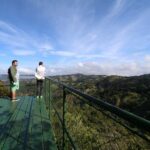
Monteverde: bird watching tour in the Curi -cancha reserve.
FAQ
How long is the birdwatching tour?
The guided walk lasts two and a half hours.
How much does the tour cost?
The tour costs $40 per person. Curi-Cancha admission costs an additional $25 per person, bringing the total to $65 before meals or transport.
Is the Curi-Cancha entrance fee included?
No. You pay the $25-per-person entrance fee on the day of the tour. The admission remains valid for the rest of the day.
What is included in the tour?
A professional local guide and a telescope are included, along with two and a half hours of walking in the forest.
What languages are available?
The guide speaks English or Spanish.
Are animal sightings guaranteed?
No. The animals are free in their habitat, so no particular bird or other animal can be guaranteed.
What should I wear and bring?
Wear comfortable walking shoes and warm clothing. Rain gear and insect repellent are recommended, and you may want to bring a camera.
You can check availability for your dates here: