Sousse’s souk makes more sense when you have someone to explain what you’re seeing, and this walk pairs market lanes with stories about the medina, practical shopping advice, and a taste of frikassi. Guide Dali leads the way, with stops that bring you closer to everyday Tunisian life than a solo wander might.
I like two things in particular: the useful advice on fair prices and pushy sales tactics, and the food-and-coffee pause, which turns a market walk into a proper local introduction. The group is capped at 10, so there’s room to ask questions and adjust the pace.
One consideration: the souk has uneven ground and can be crowded, so this is not a good fit for people with mobility impairments. The tour is listed as two hours, with about 90 minutes of walking, and entry to historical sites costs extra if you choose to go inside.
- At a glance
- Start at the Habib Bourguiba Statue
- Follow the medina’s lanes at a human pace
- Get practical souk advice, not just a route
- Taste frikassi, and leave room for tea
- Choose your option with transport in mind
- Decide whether to enter the Great Mosque or Ribat
- Is good value for two hours?
- Who should book this walk?
- Should you book the Sousse souk walk?
- FAQ
- How long does the tour last?
- What is the meeting point?
- What food is included?
- Is coffee or tea included?
- Is transportation included?
- What languages does the guide speak?
- How large is the group?
- Are entry fees to the Great Mosque and Ribat included?
- What should I bring?
- Is the tour suitable for people with mobility impairments?
- The Best Of Sousse!
- More Walking Tours in Sousse
- More Tours in Sousse
- More Tour Reviews in Sousse
- Not for you? Here's more nearby things to do in Sousse we have reviewed
At a glance
 1 / 8
 2 / 8
 3 / 8
 4 / 8
 5 / 8
 6 / 8
 7 / 8
 8 / 8
- Meet at the medina entrance: The regular meeting point is the Habib Bourguiba Statue.
- Learn how to shop: Dali offers advice on vendor interactions, local prices, and where to browse.
- Taste Tunisian street food: Frikassi is included, with brik sometimes available instead or as an additional taste.
- Pause for a café stop: Traditional Arabic coffee or tea is included.
- Keep the group small: No more than 10 participants, with English, French, and Arabic offered.
- Check your transport option: Hotel pickup and an air-conditioned car are available only with the relevant option.
👉 See our pick of the 18 Best Tours In Sousse
Start at the Habib Bourguiba Statue
The usual meeting point is the Habib Bourguiba Statue at the entrance to Sousse’s medina. If you select an option with pickup, check the available details when booking: transport is not included with every option. The meeting-point choice gives you a straightforward way to begin right at the old city’s edge.
Sousse is a place where a guided start can help you settle in. The souk is a working market, not a staged attraction, and its lanes can feel crowded when you’re still learning how to read the flow. A guide can help you get your bearings, point out what matters, and explain local customs as you go.
Dali is the guide most often associated with the experience. He speaks English, French, and Arabic, and the tour is built around conversation as much as walking. You can ask about Tunisian history, architecture, shopping, or daily life, rather than trying to keep up with a memorized speech.
You can also read our reviews of more walking tours in Sousse
Follow the medina’s lanes at a human pace
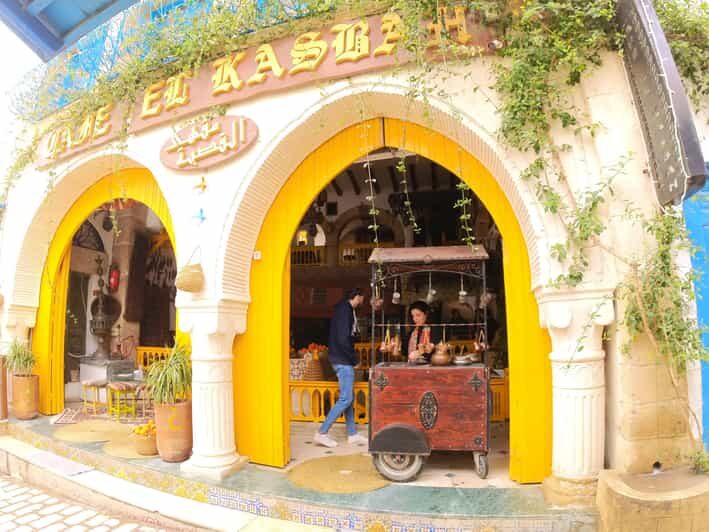
The walk through Sousse lasts about 90 minutes, with the full activity taking around two hours once you include the tastings and café stop. You’ll move through the souk’s alleyways and surrounding medina, where shops and everyday market stalls share space with older buildings and quieter streets.
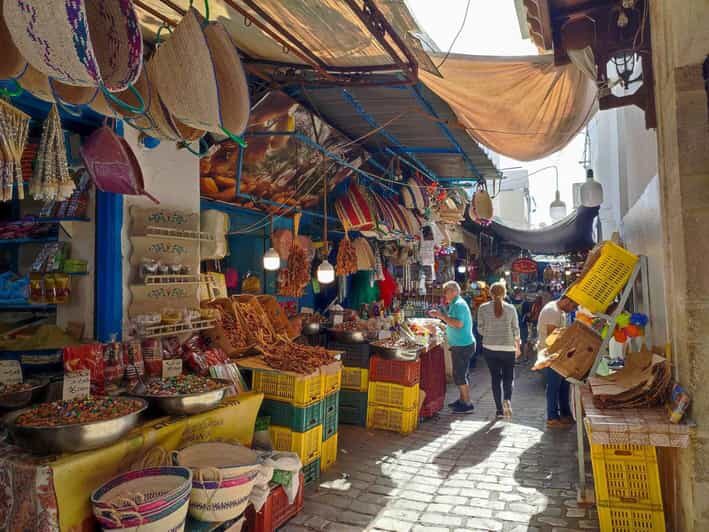
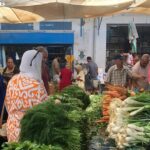
The route can include both sections familiar to shoppers and areas where locals buy produce, meat, and fish. That contrast is useful: one part shows you the medina as a visitor is likely to encounter it, while another offers a glimpse of its role in ordinary life. The exact route may vary, but the aim is to go beyond a quick pass through the souvenir shops.
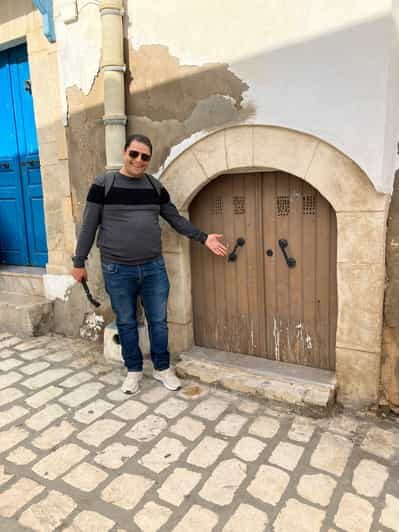
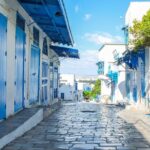
Take time to look up as well as around. Dali may point out traditional doors, balconies, and details in the buildings, then explain how the city’s history connects to what you’re seeing. This kind of context helps make the medina feel less like a maze of stalls and more like a place where people live, work, and shop.
A small group helps here. With a maximum of 10 people, you’re less likely to lose the guide’s explanations in the noise, and there’s more opportunity to stop for a question or photo. The pace is also more adaptable than a large coach-group walk, though you should still expect to be on your feet over uneven surfaces.
Get practical souk advice, not just a route
For many people, the most useful part of the walk is learning how to shop with a bit more confidence. Dali can explain how to approach vendors, which shops have fixed or fairer prices, and how to recognize when a price may be pitched high for a visitor. He also offers tips on places to avoid if you want to steer clear of inflated prices or pressure.
That advice is especially valuable early in a Tunisia stay. Once you understand that haggling is part of shopping in some places, and that prices can differ from stall to stall, you can browse with less uncertainty. You’re not being promised a magic formula for every purchase; you’re getting local guidance to help you make better-informed choices.
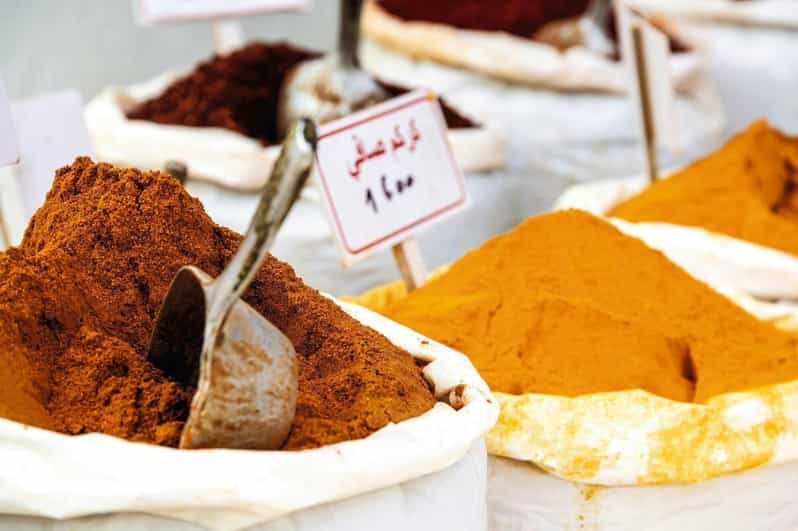
You may see spices, ceramics, and other souvenirs along the way. If you have something specific in mind, say so. The route can be tailored to your interests, and Dali can help point you toward a shop that fits what you’re looking for. You still decide what to buy, and personal purchases are not included in the price.
A valuable detail is the low-pressure feel described by people who have taken this walk. The focus is on helping you understand the market, not steering you through a string of sales pitches. That distinction matters in a souk: you can enjoy the conversation and browse without feeling that every stop comes with an obligation to spend.
Taste frikassi, and leave room for tea
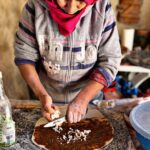
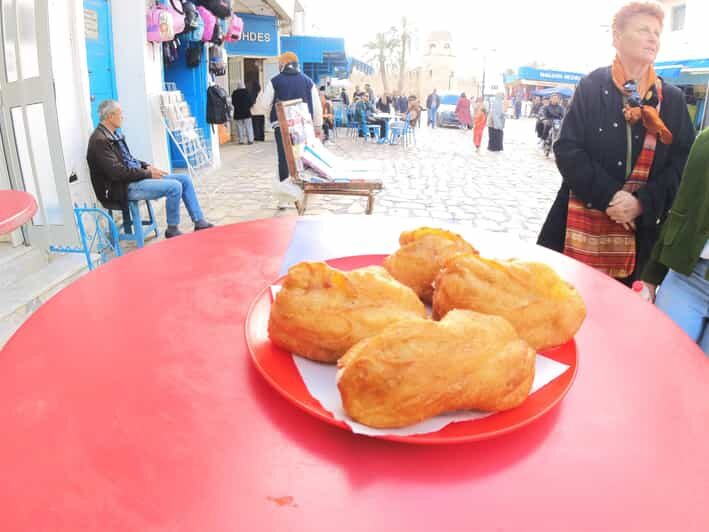
The included food sample is Tunisian frikassi, a deep-fried roll commonly filled with ingredients such as tuna, egg, potato, and spices. It’s a hearty little snack, and a good introduction to the kind of food you might otherwise walk past without knowing what to order. The exact vendor and preparation may vary.
Brik, a crisp pastry with a savory filling, may also be available, but it is not guaranteed. If you have dietary needs or preferences, ask in advance or tell your guide before ordering. The tour information identifies the included sample as frikassi; any extra food or drink beyond the stated inclusions may cost more.
The café stop includes freshly prepared coffee or tea in an Arab-style café. It gives you a chance to sit down, take a breather, and enjoy a more relaxed part of the outing after the market walk. Tea is a good choice if you want to try a familiar local drink; some people find it quite sweet.
Together, the snack and drink are modest but meaningful inclusions. You get to taste something local in the medina rather than simply hearing about it, and the café break makes the two-hour outing feel less like a continuous march. Other drinks are not included.
Choose your option with transport in mind
The activity has two types of options, and the difference matters. With the Explore With Wahoo option, transport from your location to the meeting point is not included. With the Let’s Go With Wahoo option, transport is provided in a luxury, air-conditioned car.
Pickup availability depends on the option and schedule, so check before you book if you’re staying outside the medina or would rather not arrange your own ride. Some itineraries end at one of three locations: Sousse Médina, Sousse, or Sidi Yahya Rastplatz Garden. Confirm your selected option’s arrangements rather than assuming that pickup and drop-off are included.
If you’re meeting at the statue, plan to arrive at the agreed point and keep your phone handy for any meeting instructions. Cash is worth bringing for personal purchases, optional site entry, or expenses beyond the included snack and coffee or tea.

Decide whether to enter the Great Mosque or Ribat
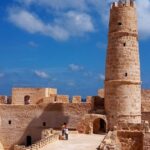
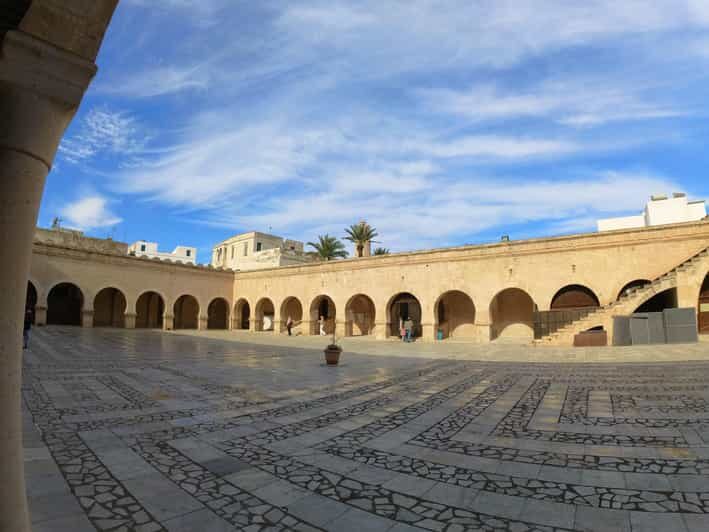
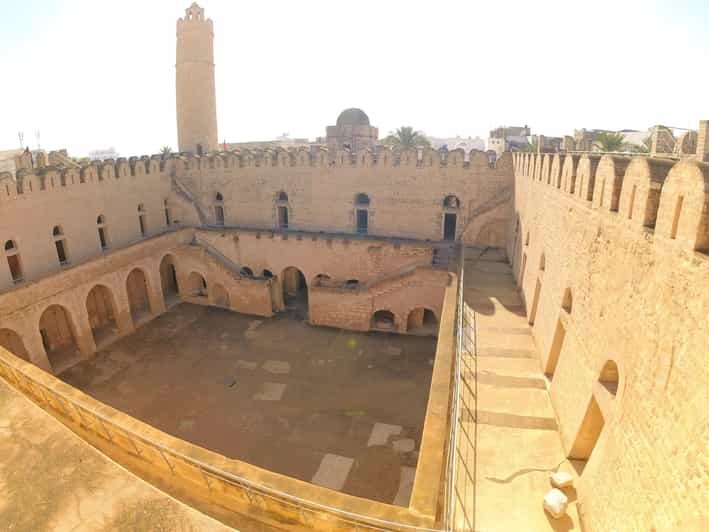
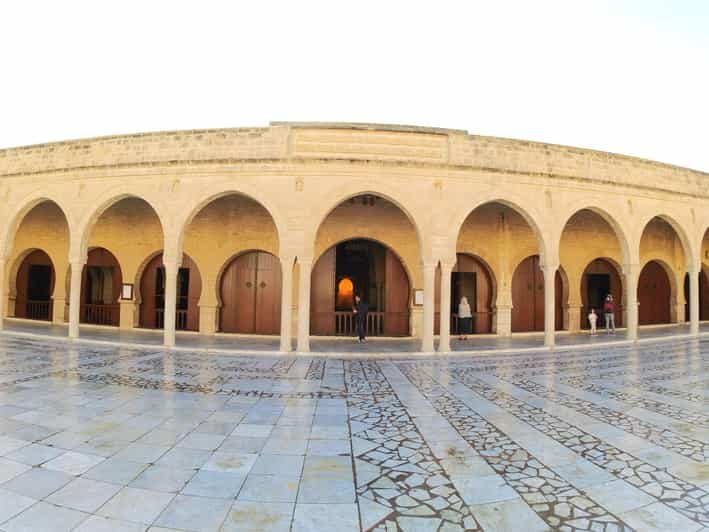
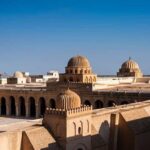
The walk can take you past important historic sites, including the Great Mosque and the Ribat. Entry is optional and costs about 5 to 8 TND per person, paid separately. If you want to go inside, allow for that extra cost and be aware that entering sites may change how much time is spent on other parts of the route.
The Ribat’s watchtower is a particular draw for visitors interested in views over Sousse. The Great Mosque and the Ribat also give you a chance to connect the streets of the medina with the city’s religious and defensive history. Still, the core experience is the guided souk walk, so don’t assume every site entrance is included.
You can ask Dali whether a site visit fits the timing and your interests. The tour’s small-group format and flexible approach can make it easier to discuss what you’d like to see, although the exact stops depend on the selected route and conditions.
Is $26 good value for two hours?
At $26 per person, this is a fair-value introduction if you want more than a self-guided stroll. The price includes a guided souk walk, a frikassi sample, and traditional coffee or tea. You’re also paying for practical orientation: help understanding the market, local context, and advice that may make later shopping easier.
The value improves if you’re new to Tunisia, unsure about haggling, or interested in local food and everyday culture. It can also be a sensible first activity for a solo visitor: you get a guided introduction, a small group setting, and a chance to learn how to continue exploring on your own.
The price is less compelling if you already know Sousse well, prefer to wander without a guide, or expect a full meal and all site entries to be included. Those are not part of the standard package. Transport is also conditional, so compare the option you choose with your location and budget.
Who should book this walk?
I’d consider this tour if you want a manageable first look at the medina, especially if shopping in an unfamiliar souk feels daunting. It suits curious visitors who enjoy asking questions and want to hear about Tunisian life alongside the history and architecture. Food-minded visitors get a simple taste of local street fare, while shoppers gain tips they can use after the tour ends.
Solo visitors may find the small group an easy way to explore with company. Families may also appreciate the guide’s conversational approach; Dali has been described as engaging with children. If you’re travelling with an older relative, the pace can sometimes be slowed, but the ground remains uneven and the activity is not suitable for people with mobility impairments.
Come prepared for sun and walking. Wear comfortable shoes, bring water and sunscreen, and carry cash. The souk can be crowded, and cobbled or uneven ground is part of the setting, so take care underfoot and keep your belongings secure.
Should you book the Sousse souk walk?
Book it if you want a local guide to make the medina easier to understand, help you shop more confidently, and introduce you to frikassi and Tunisian coffee or tea. Dali’s practical advice and the small-group format are the strongest reasons to choose it over simply walking the market alone.
Skip it if you need step-free access, want a meal or transport included regardless of option, or prefer to explore at your own pace without a guide. For most first-time visitors to Sousse who are comfortable walking, this is a useful, well-priced start to the city.
Souk Walking Tour with Food Tasting – Sousse
FAQ
How long does the tour last?
The activity lasts about two hours, including the walk and food and drink stops. The walking portion is about 90 minutes.
What is the meeting point?
The standard meeting point is the Habib Bourguiba Statue at the entrance to Sousse’s medina. Pickup options may be available depending on the option you select.
What food is included?
A complimentary sample of Tunisian frikassi is included. Brik may be available, subject to availability.
Is coffee or tea included?
Yes. The tour includes freshly prepared traditional Arabic coffee or tea at an Arab-style café. Other drinks are not included.
Is transportation included?
Transport in a luxury, air-conditioned car is included with the Let’s Go With Wahoo option. Transport to the meeting point is not included with the Explore With Wahoo option.
What languages does the guide speak?
The tour is offered in English, French, and Arabic.
How large is the group?
The group is limited to 10 participants.
Are entry fees to the Great Mosque and Ribat included?
No. Entry is optional and costs about 5 to 8 TND per person.
What should I bring?
Bring comfortable shoes, sunscreen, water, and cash.
Is the tour suitable for people with mobility impairments?
No. The tour is not suitable for people with mobility impairments, and the souk can be crowded with uneven ground.
You can check availability for your dates here: