Lake Atitlán is at its best from the water. This small-group boat tour links three villages on the southern shore, pairing volcano views with hands-on introductions to local textiles, melipona bees, and Maya traditions.
I like the contrast between San Juan’s weaving and honey visits and Santiago’s religious history, and the included breakfast and boat transport make a full day easier to plan. One trade-off: the stops are tightly timed, with just 20 minutes in San Pedro, so this is an introduction rather than a slow village stay.
- The best parts of the day
- A boat day built around three different towns
- Breakfast in Panajachel before the boats
- San Juan La Laguna: textiles, bees, and colorful streets
- San Pedro La Laguna: a brief look at the lakeside town
- Santiago Atitlán: Maya and Christian traditions side by side
- What the boat crossings add, and what they can take away
- Is good value for an eight-hour tour?
- Who should choose this tour?
- Should you book it?
- FAQ
- How long is the tour?
- Where does the tour start and finish?
- Which villages does the tour visit?
- Is breakfast included?
- Is lunch included?
- What is included in the price?
- What languages are offered?
- How large is the group?
- What should I bring?
- Is the tour suitable for people with mobility or sensory impairments?
- The Best Of Panajachel!
- More Boat Tours & Cruises in Panajachel
- More Tours in Panajachel
- More Tour Reviews in Panajachel
- Not for you? Here's more nearby things to do in Panajachel we have reviewed
The best parts of the day
 1 / 10
 2 / 10
 3 / 10
 4 / 10
 5 / 10
 6 / 10
 7 / 10
 8 / 10
 9 / 10
 10 / 10
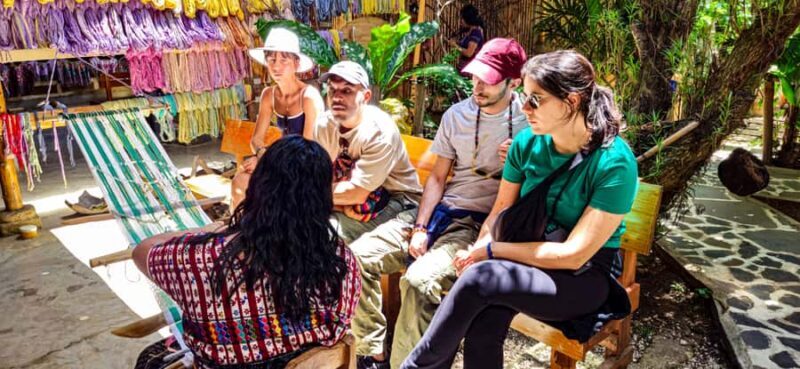
- San Juan’s textile workshop: See ancestral weaving techniques explained at a local workshop.
- Melipona bees: Learn why these bees matter to local biodiversity, with a honey visit that may include a tasting.
- Three distinct villages: Compare San Juan, San Pedro, and Santiago rather than settling into just one.
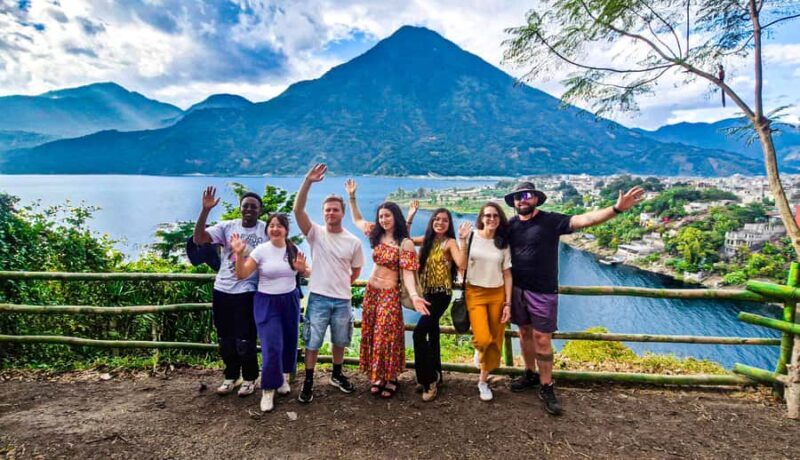
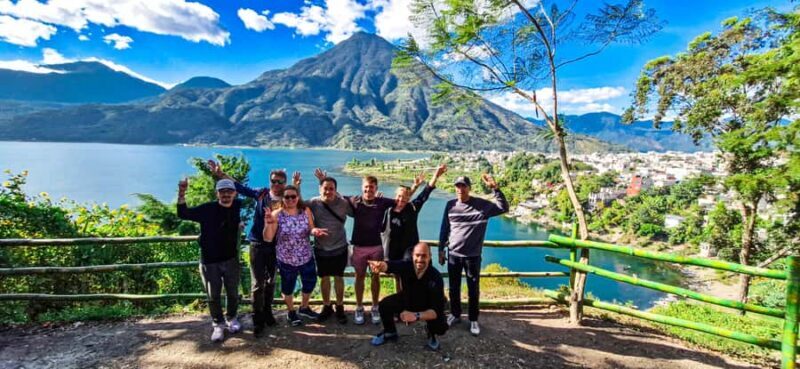
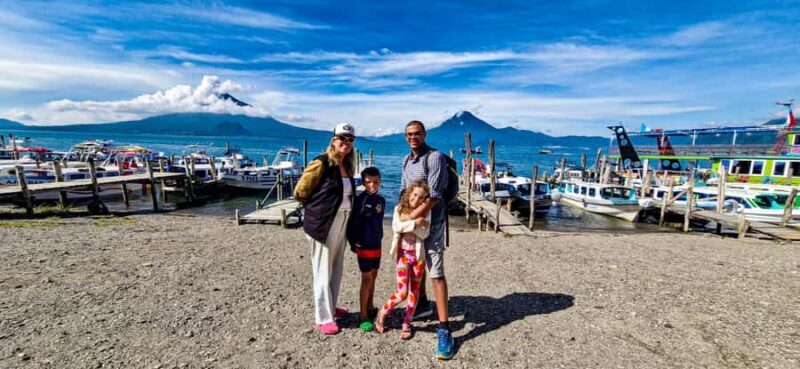
- Lake views from the boat: The ride puts the volcanoes and shoreline in view, though wind can make the crossing rough.
- A compact, guided day: Groups are limited to 15, and the guide helps make the most of a short visit to each town.
👉 See our pick of the 17 Best Tours In Panajachel
A boat day built around three different towns
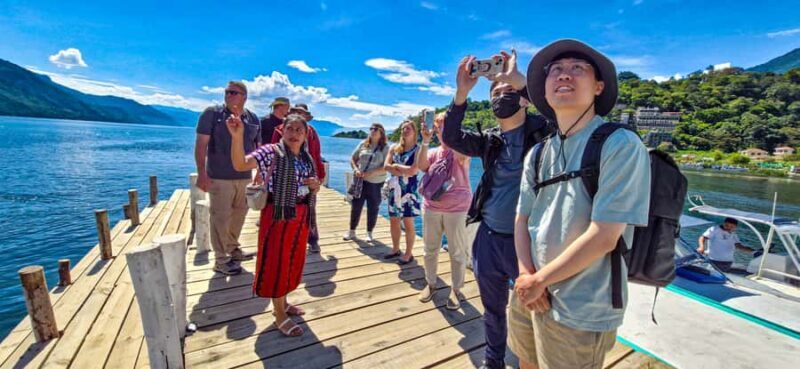
This eight-hour outing begins at Plaza Santander in Panajachel and ends at the town’s embarcadero. The route covers three southern-basin villages, with water taxis linking the stops. That matters here: the boat is not merely a transfer between sights. It gives you a broad view of the lake and its volcanoes, and lets you see how the shoreline changes from town to town.
The schedule is full. There is a one-hour breakfast stop, about two and a quarter hours in San Juan, a brief 20-minute pause in San Pedro, and two hours in Santiago. The boat crossings take about 25 minutes from Panajachel to San Juan, five minutes to San Pedro, 15 minutes to Santiago, and 25 minutes back. These timings leave little room for an unplanned detour, but they do let you sample several places in one day.
The group is capped at 15, which is small enough for a guide to answer questions and keep the day moving. Some outings may be smaller, depending on bookings. Guides named by participants include Rosa, Alex, Elias, Kevin, Pedro, Francisco, and Hector, but you should not assume a particular person will lead your departure. The tour is offered in English and Spanish.
You can also read our reviews of more boat tours in Panajachel
Breakfast in Panajachel before the boats
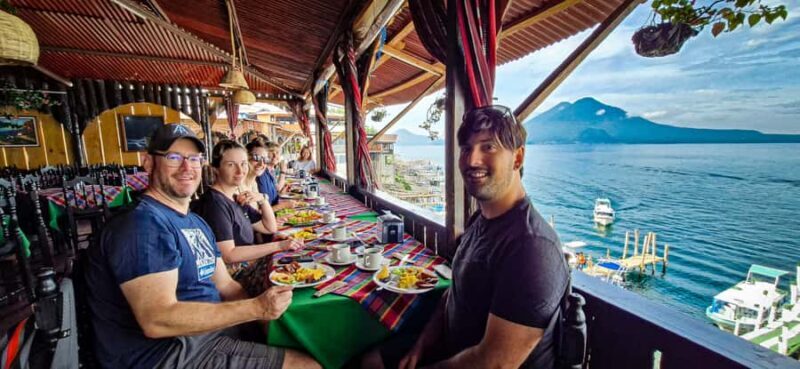
The day starts with a typical Guatemalan breakfast in Panajachel, included in the price. It is a practical beginning: you can eat before heading out on the water, rather than setting off hungry and having to find food during a short village stop.
The meal gets a full hour in the schedule. That gives the group a chance to settle in and meet the guide before the crossings begin. If you have dietary needs, check with the operator ahead of time; no special meal arrangements are specified.
The stated starting point is Plaza Santander, with the return at the Panajachel embarcadero. You receive a message with the exact meeting point and a map link by WhatsApp and email, no later than the night before. Keep an eye out for it, especially if you are staying somewhere that makes the plaza unfamiliar.
San Juan La Laguna: textiles, bees, and colorful streets
San Juan gets the longest village visit, and it is the day’s strongest stop for seeing local craft traditions up close. At a textile workshop, you learn about the Maya weaving legacy and techniques passed down through generations. The demonstration gives context to the cloth you will see in shops: each piece represents time and skill, not simply a souvenir with a bright pattern.
The melipona bee visit offers a different kind of lesson. These bees are important to local biodiversity, and the stop introduces their role and the production of artisanal honey. Honey tasting is mentioned as part of some outings, and one guide has also let participants hold a bee. Treat that hands-on moment as a possibility rather than a guaranteed feature.
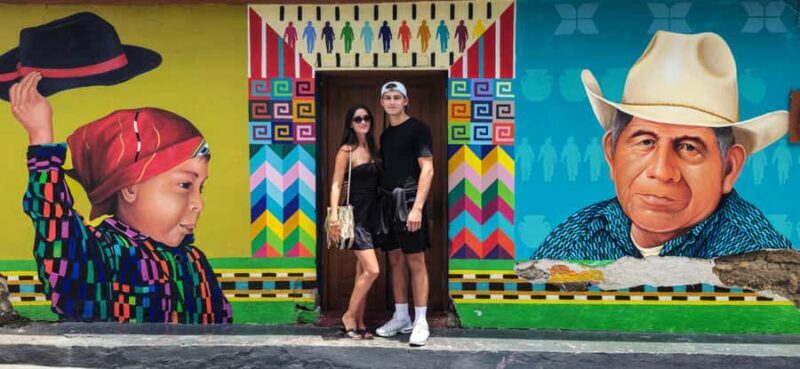
You also have time to walk Calle de los Paraguas and Calle de los Sombreros, two well-known streets with distinctive decorations and shops. San Juan is a good place to look for handmade work, but take a moment to ask about the process and the makers before buying. That small pause can turn shopping into a better understanding of what you are taking home.
With roughly two hours and 15 minutes here, the visit is not just a quick photo stop. Still, the guide-led activities and free time share the clock. If you want to linger over every stall or browse at length, you may need to return to San Juan on another day.
San Pedro La Laguna: a brief look at the lakeside town
San Pedro sits on the shore beneath the San Pedro volcano. It is known for Tz’utujil textiles, painted ceramics, beaded jewelry, and carved woodwork, so the stop offers a chance to see a different mix of local crafts.
The schedule allows about 20 minutes, including free time and photos. That is enough for a quick walk or a look at nearby stalls, not enough for a full exploration. If shopping is a priority, keep your expectations modest here and save longer browsing for San Juan or Santiago.
This short stop is useful as a contrast. You get another view of daily life around the lake and another set of craft traditions without spending a large share of the day in transit or shops. But if you want to sit down, take a longer walk, or explore the town independently, this tour moves on too soon.
More Great Tours NearbySantiago Atitlán: Maya and Christian traditions side by side
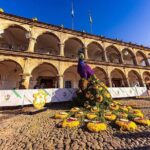
Santiago gives you two hours for a guided visit, sightseeing, and lunch. The town is known for religious syncretism, where Maya beliefs and Christian faith exist together. Its colonial church, built on an ancient Maya altar, offers a striking example of how those traditions meet in place and practice.
A local guide can help explain details that might otherwise be easy to miss. Guides on this tour have been praised for answering questions and explaining regional history and culture in both English and Spanish. That context is especially valuable here, where a quick glance at a church or market cannot tell the full story.
There is also time for the local craft market, where you can look for handmade pieces. Lunch is not included, so budget for a meal during this stop. One participant found their lunch stop expensive, which is a useful reminder to ask the guide about options and prices before settling in. The tour does not specify a set restaurant or meal.
The two-hour visit gives Santiago more room than San Pedro, but lunch takes some of that time. If you want to focus on the church, market, and town rather than a leisurely meal, keep an eye on the clock and check the group’s plan with the guide.



What the boat crossings add, and what they can take away
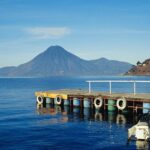
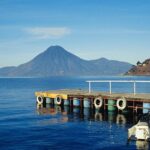
The boat rides are a major part of the day’s appeal. From the lake, you see the volcanoes rising around the water and the villages spread along the shore. The crossings also connect the visits without requiring you to arrange separate transport between towns.
Conditions can affect the ride. One outing had rough water in high winds, while another return trip became choppy after the weather changed. If you are prone to motion sickness, this tour is listed as unsuitable for you. Even if you are usually comfortable on boats, bring a light layer or rain protection in the wet season and follow the crew’s directions.
The crossings are practical, but they are not a private cruise with long stretches of quiet sightseeing. The schedule is designed to reach the villages and return to Panajachel within eight hours. Think of the views as a rewarding part of the transport, not the sole purpose of the day.
Is $58 good value for an eight-hour tour?
At $58 per person, the price includes water transport, a local guide, a typical Guatemalan breakfast, and admission to the main places visited. You also get a full day of organized travel to three villages, which can be useful if you have limited time around the lake or prefer not to arrange each boat crossing yourself.
The value is strongest if you want both transport and cultural introductions. The textile workshop and bee visit add more than a scenic boat ride, while the guide helps place what you see in its local context. The short stop in San Pedro is the main limitation: you are paying for breadth, not long stays in every town.
Lunch, taxis within the villages, and personal purchases are extra. The route is designed around boats and walking, but a taxi may be needed if you want to get around within a village. Bring cash for food, crafts, and any local transport you choose to use. There is no specified lunch budget, so ask about meal options before ordering.
Who should choose this tour?
I would choose this tour if I had one day to get a first sense of Lake Atitlán’s southern villages. It suits people who value local stories and demonstrations as much as scenery, especially anyone curious about Maya textiles, artisanal honey, and the blend of Maya and Christian traditions.
It is also a good fit if you like having a guide organize the day while leaving some time to look around on your own. Guides such as Rosa, Alex, and Elias have been praised for being patient, helpful, and good at explaining the region. That is encouraging, but the individual guide can vary.
It is less suitable if you want a slow day in one village, have significant mobility needs, or feel unwell on small boats. The activity is not suitable for wheelchair users or people with visual or hearing impairments, and motion sickness is a specific concern. If you are visiting from May through October, pack a raincoat. A hat, biodegradable sunscreen, comfortable clothes, cash, and a reusable water bottle are useful throughout the year.
You can cancel up to 24 hours in advance for a full refund, and the reserve-now, pay-later option lets you hold a place without paying today. Check the available departure times when booking, and wait for the meeting-point message with its map link.
Should you book it?
Book this tour if you want a well-organized, one-day overview that combines lake scenery with specific cultural visits. San Juan’s weaving and bee stops, Santiago’s layered religious history, and the boat crossings make a more useful introduction than a day spent hopping between docks on your own.
Skip it if your main goal is unhurried browsing or several hours in each village. San Pedro’s 20-minute stop is short, lunch costs extra, and the boat can be uncomfortable in rough conditions. If those limits suit you, $58 buys a practical day with breakfast, transport, a guide, and three distinct sides of lake life.
From Panajachel: Sail and Discover Three Villages on Lake Atitlán
FAQ
How long is the tour?
The tour lasts eight hours, including village visits, breakfast, and boat crossings.
Where does the tour start and finish?
It starts at Plaza Santander in Panajachel and finishes at the Panajachel embarcadero. The exact meeting point and a Google Maps link are sent by WhatsApp and email by the night before.
Which villages does the tour visit?
The route visits San Juan La Laguna, San Pedro La Laguna, and Santiago Atitlán.
Is breakfast included?
Yes. A typical Guatemalan breakfast in Panajachel is included.
Is lunch included?
No. Lunch is not included, and the tour does not specify a set restaurant.
What is included in the price?
Water transport, a local tour guide, a typical Guatemalan breakfast, and admission to the main places visited are included.
What languages are offered?
The live guide is available in English and Spanish.
How large is the group?
The small group is limited to 15 participants.
What should I bring?
Bring a hat, biodegradable sunscreen, comfortable clothes, cash, and a reusable water bottle. A raincoat is recommended from May to October.
Is the tour suitable for people with mobility or sensory impairments?
The tour is listed as unsuitable for wheelchair users, visually impaired people, and hearing-impaired people. It is also listed as unsuitable for people with motion sickness.
You can check availability for your dates here: