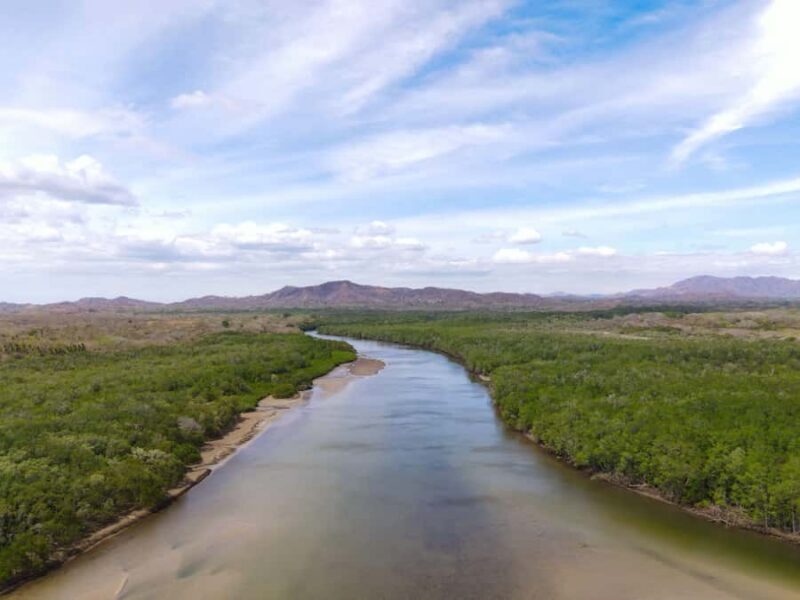
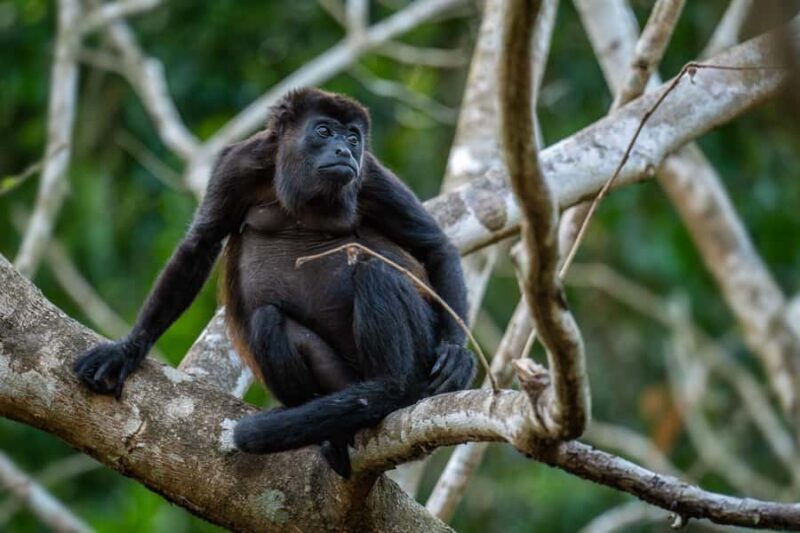
A troop of howler monkeys is the headline act here, but you hear the forest before you spot it. Their calls carry across Tamarindo Estuary as you paddle beneath mangrove branches, with birds, fish, and sometimes crocodiles along the way.
I like two things about this outing: a small group gives your guide room to point out wildlife you might paddle past, and the estuary offers a quiet break from Tamarindo’s beach scene. Guides such as Jared, Hilmir, Mateo, and Gloria have been praised for their patience and eye for animals.
The main consideration is the paddling. This is not always a casual float: the route can take real upper-body effort, especially if you are working against the tide or wind. Wildlife is never guaranteed, either, though howler monkeys are a frequent goal.
- At a glance
- From the Estuary Hut into the Mangroves
- Listening for Howler Monkeys
- Birds, Crocodiles, and Quiet Water
- The Paddle Back: Current, Wind, and Effort
- What the Price Covers
- What to Bring and Who Will Enjoy It
- Should You Book the Tamarindo Estuary Kayak Monkey Tour?
- FAQ
- How long is the kayak tour?
- How much does the tour cost?
- Where is the meeting point?
- What is included in the price?
- What languages does the guide speak?
- How large is the group?
- What wildlife might I see?
- What should I bring?
- Are there age or weight restrictions?
- The Best Of Tamarindo!
- More Kayak & Canoe Tours in Tamarindo
- More Tours in Tamarindo
- More Tour Reviews in Tamarindo
- Not for you? Here's more nearby things to do in Tamarindo we have reviewed
At a glance
 1 / 8
 2 / 8
 3 / 8
 4 / 8
 5 / 8
 6 / 8
 7 / 8
 8 / 8
- Howler monkeys are the main draw: The route reaches part of the mangrove forest where a troop lives. You may hear them before you see them.
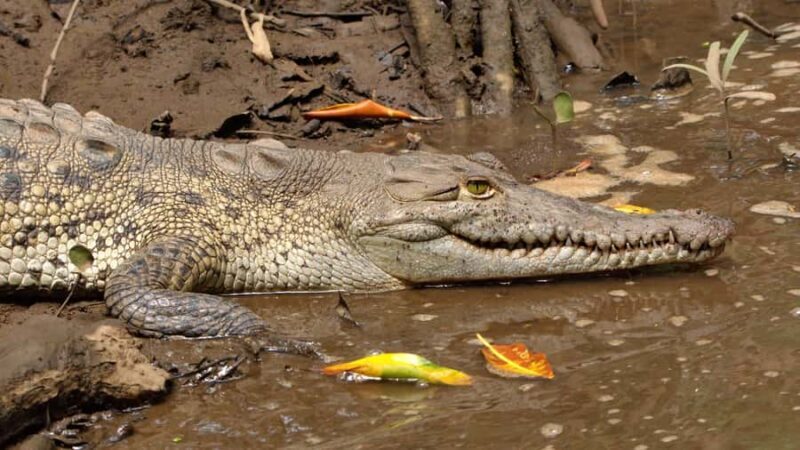
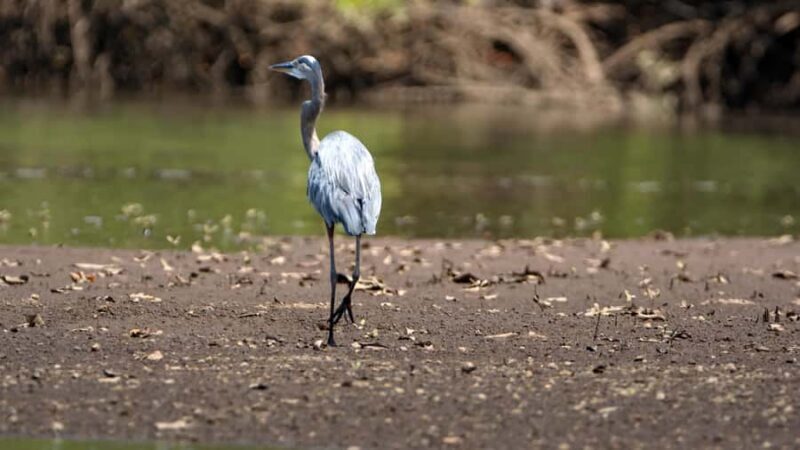
- Wildlife can include more than monkeys: Herons, egrets, iguanas, fish, crabs, raccoons, and crocodiles have all been spotted.
- Expect active paddling: Some outings have involved roughly an hour each way, and one estimate put the total distance around 7 kilometers.
- An early start can help: Morning departures are often cooler, and the current may make paddling easier. Check tide conditions before choosing a time.
- It is a small-group outing: The group is capped at 10 participants, and a guide leads in English or Spanish.
- Plan for the real duration: The tour is described as two hours, while the route details give 2.5 hours. Wildlife, weather, and group pace can add time.
👉 See our pick of the 5 Best Guided Tours In Tamarindo
From the Estuary Hut into the Mangroves
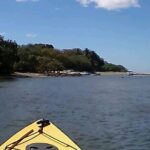
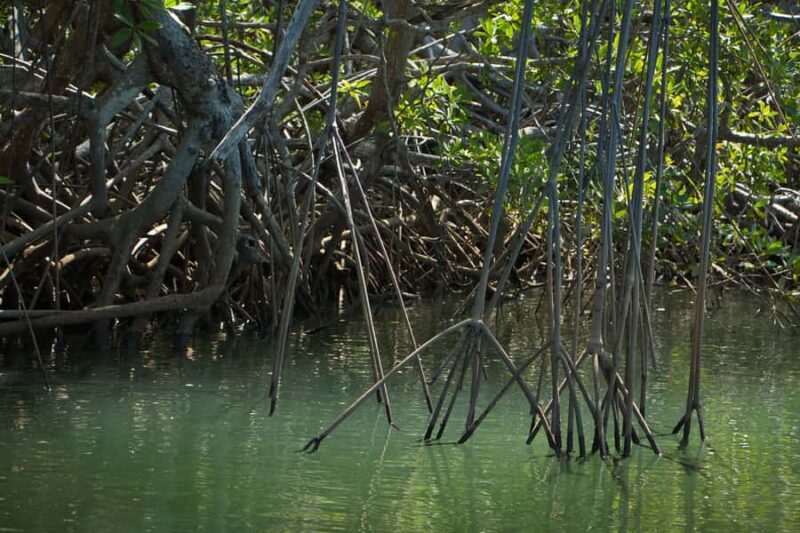
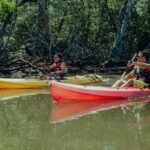
Meet at the Estuary hut near the parking lot, at the marked starting point in Tamarindo. The setting changes quickly once you leave the shore: the open water gives way to mangrove-lined channels and quieter stretches of estuary.
The outing starts with a short kayak training session. If you are new to kayaking, use this time to get comfortable with the paddle and ask questions before setting off. The tour is family-friendly in spirit, but it is still a physical activity, not a sightseeing ride. Children under four are not accepted, and the stated weight limit is 297 pounds, or 135 kilograms.
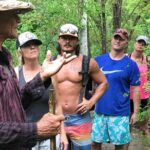
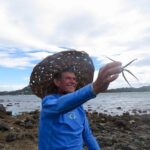
You then paddle into the forest with your guide. The exact route and pace depend on the water and the group, so don’t expect a rigid, stop-by-stop schedule. Guides have been described as attentive and good at pointing out details along the way, from different mangrove trees to birds, crabs, and animals tucked out of plain sight.
That guided eye matters. A sleeping raccoon or a bird hidden among branches can be easy to miss when you are concentrating on steering. If you enjoy learning about local plants and animal behavior, ask questions as you go. Guides have shared details about mangroves, tides, termites, and howler monkey family groups.
You can also read our reviews of more tours and experiences in Tamarindo
Listening for Howler Monkeys
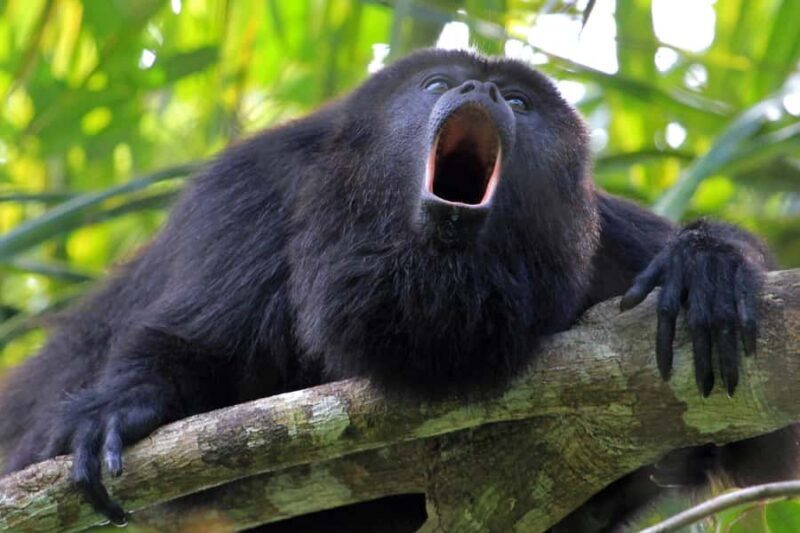
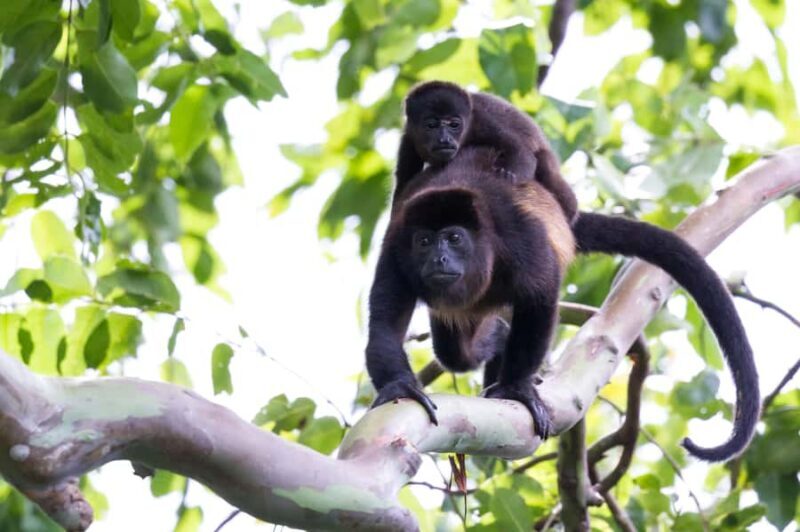
The tour aims for an area of forest inhabited by a troop of howler monkeys. You may hear their deep, distinctive calls while still on the water, then get a closer look from the kayak or during a short walk into the forest. One account describes reaching shore and finding monkeys within about 10 minutes.
The troop is the reason many people book, and the payoff can be memorable: families with young monkeys have been spotted in the trees. Still, these are wild animals on their own schedule. Some outings have seen several monkeys or a whole family; others have not seen any. Go for the forest and the paddle as well as the hoped-for sighting, and you will be less likely to judge the trip by one animal encounter.
Your guide’s skill can make a difference. Past guides named Jared, Hilmir or Hilmar, Mateo, Gloria, and Heiner have been praised for spotting wildlife, answering questions, and adapting to the group. The guide assigned to your departure may differ. The best guides do more than steer you toward a monkey: they help you notice how the estuary works and give you time to take in the setting.
Birds, Crocodiles, and Quiet Water
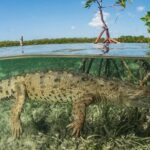
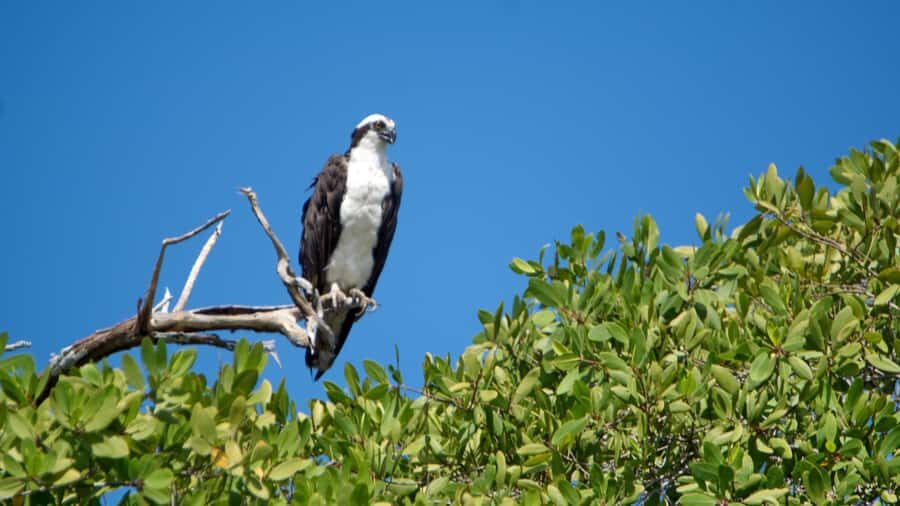
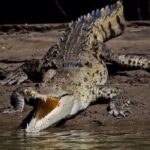
Howlers are only part of the wildlife picture. Depending on conditions and luck, you might see herons, egrets, other birds, fish, iguanas, spider crabs, raccoons, or crocodiles. Several outings have included crocodile sightings, from a small animal to one basking in the sun. These are wild animals in their natural habitat, so sightings are not promised.
The pace is usually shaped by what the guide spots. A quiet pause can turn into a chance to watch birds or look for an animal among the roots. That calm is a key part of the appeal: the mangroves feel removed from Tamarindo’s shore, and some groups have encountered few other boats.
If the thought of crocodiles in the estuary makes you uneasy, take that concern seriously before booking. The tour takes place in their habitat, and seeing one is possible. The supplied information does not specify a safety briefing or a particular distance from wildlife, so ask the operator about any questions you have before you go.
The Paddle Back: Current, Wind, and Effort
The return leg is where timing and conditions can change the character of the trip. Some paddlers describe a manageable outing, while others found the route strenuous. One estimate put the paddle at about 40 minutes with the current and 45 minutes against it; another described close to an hour each way. Those are individual experiences, not a guaranteed schedule.
Tide matters. If possible, check a tide chart and ask which departure time is likely to put you paddling with the water rather than against it. Morning is often a smart choice if you want cooler air and a better chance of avoiding afternoon wind. An afternoon tour can still be appealing: cooler temperatures and evening light have made for a lovely return, though wind can make the upstream paddle harder.
You do not need to be an expert kayaker, but you should be comfortable with sustained paddling and have decent upper-body stamina. One group found that participants moved at different speeds, which made the outing feel less relaxed for those trying to keep up. If you are unsure about your fitness, ask the operator how demanding the current route is and whether the group pace can be adjusted.
The tour returns to the same starting point near the Estuary hut. Allow a generous buffer afterward. The stated duration is two hours, but the route information also gives 2.5 hours, and animal sightings, conditions, and the group’s pace can stretch the outing further. Avoid booking a tight appointment immediately afterward.
More Great Tours NearbyWhat the $65 Price Covers
At $65 per person, the price includes the guided kayak tour, kayak equipment, and bottled water. You are paying for more than a boat: a guide can help you find animals, explain what you are seeing, and keep the group moving through a habitat that is more rewarding when you know where to look.
The small-group cap of 10 is useful value for a wildlife outing. With fewer people, it is easier to hear explanations and pause when something appears. Some departures may be smaller than the maximum, but don’t assume you will have a private tour.
The value depends partly on what you want. If your goal is a guaranteed close-up monkey encounter, the price may feel less worthwhile on a day when the troop stays hidden. If you are happy to paddle through the mangroves, look for several kinds of wildlife, and learn about the estuary, the outing offers a substantial nature experience for a half-day budget.


What to Bring and Who Will Enjoy It
Bring sunglasses, a sun hat or other hat, sunscreen, and insect repellent. Wear shoes that are comfortable but can get wet or muddy; you may step into the forest during the outing. Bottled water is included, but sun protection remains your responsibility in Costa Rica’s heat.
This tour suits active families with children aged four and older, couples, and anyone who wants a nature-focused break from the beach. It is particularly appealing if you enjoy birdwatching or are curious about mangroves, not just monkeys. The guide speaks English or Spanish, so you can choose a departure that works for your language needs.
It is a weaker fit if you want a passive ride, have limited paddling strength, or need to be back by a firm time. The outing is also not suitable for children under four or people over 297 pounds. If you are unsure about fitness, group pace, or crocodiles, ask those questions before paying.
Should You Book the Tamarindo Estuary Kayak Monkey Tour?
Book it if you want to trade Tamarindo’s beach for a quiet stretch of mangrove forest and are ready to paddle for a couple of hours. The strongest reasons to go are the chance to hear or see howler monkeys, the guide’s help finding wildlife, and the calm of moving through the estuary in a small group.
Choose an early departure if you want cooler conditions, and check the tide before settling on a time. Go with realistic expectations: monkeys and crocodiles are possible, not guaranteed, and the return paddle can be harder than the outward leg. If that sounds like a fair trade for a close look at the estuary, this is a worthwhile way to spend a morning or afternoon in Tamarindo.
Tamarindo Estuary: Kayak Monkey Tour
FAQ
How long is the kayak tour?
The duration is listed as two hours, while the route details also describe a 2.5-hour guided tour. Conditions, wildlife stops, and group pace can affect the actual finish time.
How much does the tour cost?
The listed price is $65 per person.
Where is the meeting point?
Meet at the Estuary hut near the parking lot at the Tamarindo Estuary starting point.
What is included in the price?
The tour includes a guided kayak trip, kayaking equipment, and bottled water.
What languages does the guide speak?
The tour is offered with a live guide in English or Spanish.
How large is the group?
The tour is limited to 10 participants.
What wildlife might I see?
Possible sightings include howler monkeys, birds, fish, iguanas, crabs, raccoons, and crocodiles. Sightings vary, and no animal encounter is guaranteed.
What should I bring?
Bring sunglasses, a sun hat or hat, sunscreen, and insect repellent. Wear shoes that can get wet or muddy.
Are there age or weight restrictions?
The tour is not suitable for children under four or people over 297 pounds, or 135 kilograms.
You can check availability for your dates here: