The best part of this four-hour ride is the change of scene: one moment you’re following rural tracks past rice fields, the next you’re meeting village residents and seeing cinnamon, cloves, and lemongrass growing. I like that the trip pairs time on the quad with stops that explain how people live and work, rather than treating the ride as the whole show.
I also like the chance to share seasonal fruit with the community, then finish at a beach after passing through a fishing village. One consideration: the visit is a real encounter with local life, not a staged performance, so approach it with patience and respect. The midday heat can also make a fuel stop or a slow stretch feel longer than expected.
- What to know before you go
- Leaving the main road for the island interior
- Rice fields and a short lesson in village life
- An hour in a local village
- Cinnamon, cloves, and other plants in the village plots
- From rural lanes to the fishermen’s village
- What the price includes, and how to judge the value
- Safety, clothing, and who will enjoy this ride
- Should you book the Zanzibar quad tour?
- FAQ
- How long is the quad bike tour?
- How much does the tour cost?
- How many people can join the tour?
- What is included in the price?
- Is pickup from my accommodation included?
- What languages are available?
- What should I bring and wear?
- Who should not take this tour?
- The Best Of Zanzibar!
- More Cycling Tours in Zanzibar
- More Tours in Zanzibar
- More Tour Reviews in Zanzibar
- Not for you? Here's more nearby things to do in Zanzibar we have reviewed
What to know before you go
 1 / 8
 2 / 8
 3 / 8
 4 / 8
 5 / 8
 6 / 8
 7 / 8
 8 / 8
- The inland route is the main event: Ride off-road through rice fields and rural tracks before reaching a local village.
- You get more than a quick village stop: There is about an hour in the village, with time to meet residents and see a typical rural home.
- Spice crops are part of the visit: Look for cinnamon, cloves, lemongrass, and other plants grown by local people.
- The route ends at the coast: Pass through a fishermen’s settlement and stop briefly at the beach before returning.
- Each quad carries one or two people: The listed $153 price is per quad for up to two passengers, not per person.
- Bring practical gear: Wear shoes rather than sandals, dress modestly, and pack sunscreen and sunglasses.

👉 See our pick of the 5 Best Guided Tours In Zanzibar
Leaving the main road for the island interior
The tour begins at the Zanzibar Quad Adventure office. From there, the group travels about four kilometres along the main road toward Pwani Majangani before leaving the tarmac for the off-road route. The contrast is part of the appeal: you move quickly from ordinary road traffic into fields and village tracks.
There may be a short stop at a local shop. It gives you a chance to buy food to offer in the village, if you wish. Some people later wished they had brought something for the children, so this is a useful moment to consider a modest contribution. It is optional, not a condition of joining the tour.
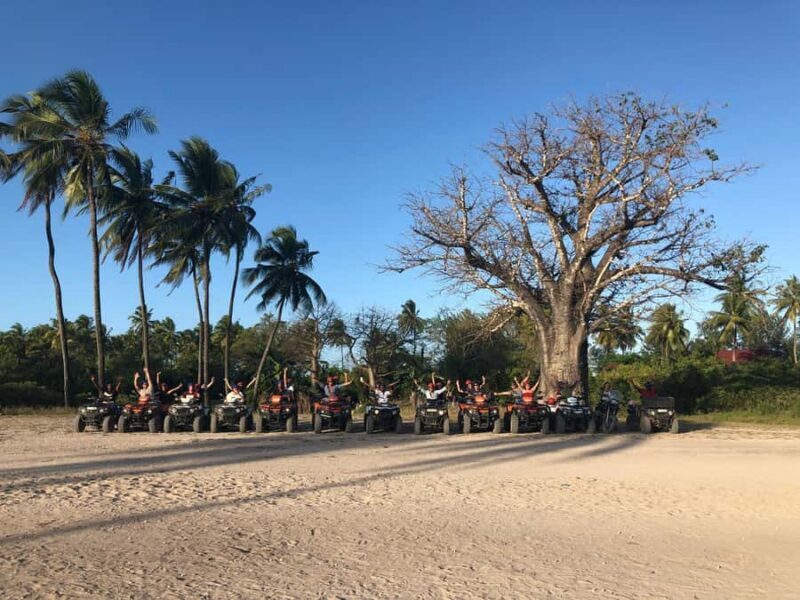
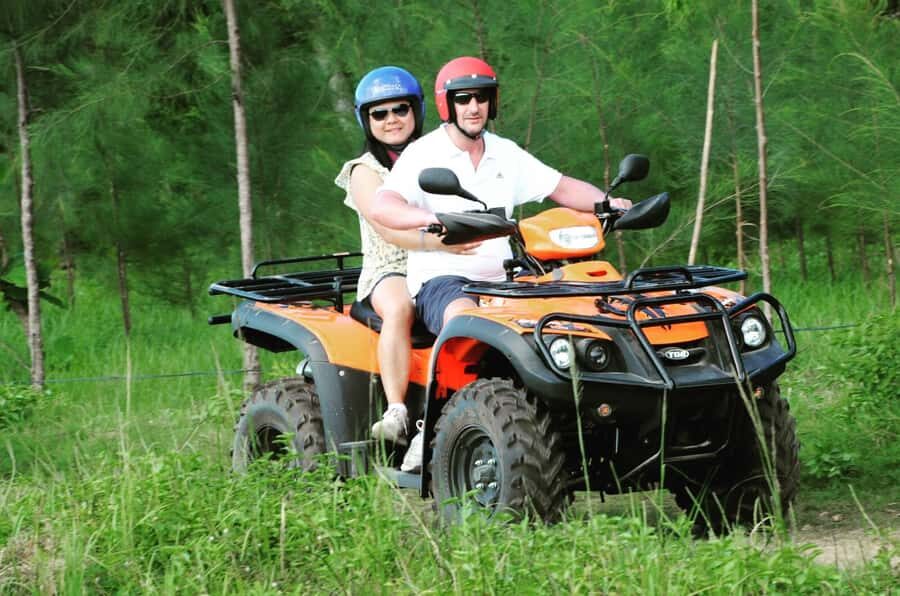
Before setting off, guides give instructions on using the quad. That briefing matters even if you have ridden before: you’ll be travelling in a group, across changing ground, and through places where people live and work. Follow the guide’s pace and instructions rather than treating the trip as a race.
One practical caveat is that the ride may include a fuel stop. A stop for gas delayed one group in the heat, though the tour was extended to make up the lost time. It is a reminder to bring water if you have it and to be ready for a little schedule variation.
You can also read our reviews of more cycling tours in Zanzibar



Rice fields and a short lesson in village life
Once off the main road, the route crosses rice fields and other rural ground. The guide pauses for roughly 15 minutes to explain the economy, culture, and everyday habits of communities in the middle of Unguja. This is a useful introduction before reaching the village itself.
The explanation helps put the scenery into context. Fields and plantations are not just a green backdrop for the ride; they are part of local work and daily life. The guide can also answer questions as you go, and the experience depends in part on listening as well as driving.
The ride is described as a mix of on-road and off-road travel, with scenic views along the way. Conditions and the precise route can vary, so expect a countryside outing rather than a technical off-road course. If your main aim is a high-speed quad session, this is probably not the best match. The point here is the journey between communities and the stops along the way.
An hour in a local village
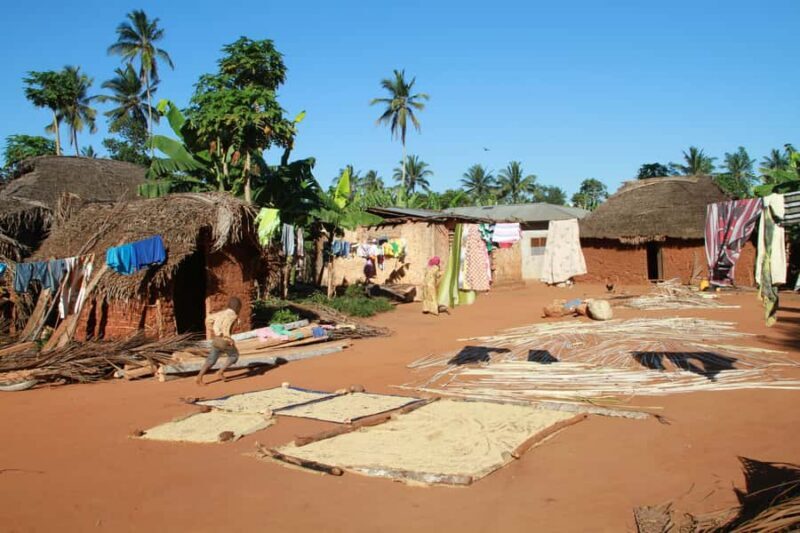
The village visit lasts about an hour, giving you more time than a photo stop. You can meet residents, spend time with children, and get a sense of the community beyond the road. Fresh seasonal fruit is shared, including madafu, a young coconut, and other fruit when available.
This is one of the trip’s most meaningful parts, but it calls for a considerate approach. You are visiting people in their home community, not entering a theme park. Be friendly, follow your guide’s lead, and ask before taking photographs. If you plan to bring a small food gift, the shop stop beforehand is the practical place to arrange it.
Next, the guide takes you to the House of Mad, a typical rural home, and talks about Zanzibari life and culture. The visit offers a more personal point of reference than a general talk from the quad. It can help you understand how village routines and homes differ from the resort areas many visitors see first.
The village stop is also where this tour asks for more than passive sightseeing. You have the chance to engage, but there is no need to force a conversation or turn every moment into a photograph. A little patience and courtesy make the visit better for everyone.
Cinnamon, cloves, and other plants in the village plots
Before leaving the inland village, you visit cultivated plots where residents grow cinnamon, cloves, lemongrass, and other varieties. The guide explains what you are seeing, and you can connect familiar kitchen ingredients with the plants themselves. For many people, this is a surprisingly memorable stop.
The spice visit is brief rather than a full farm course, so set your expectations accordingly. You’ll get an introduction to crops and their place in village life, not an exhaustive lesson in cultivation. Some tours may include a chance to buy spices, but purchases are not listed as part of the included experience.
I like this stop because it gives the ride a second layer. The quad brings you into the countryside, while the plants and explanations show what the countryside produces. If you are curious about Zanzibar’s crops, it adds something concrete to the village visit.
More Great Tours NearbyFrom rural lanes to the fishermen’s village
After leaving the inland community, the route heads toward Pwani Majangani and a fishermen’s village. The guide points out the difference between a rural inland settlement and a coastal community. This short comparison helps you notice how the island’s work and daily life change as you approach the shore.
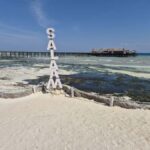
You pass fishermen’s houses along a sandy road before reaching the beach. The stop is brief, but it gives you a final change of pace after the dusty tracks and village visits. Treat it as a pause to take in the coast, not as a long beach stay or a swimming session: neither is specified as part of the tour.
The route back to the starting point completes a varied half-day outing. One participant described travelling back by a different way, with more of the area to see, but the exact return route may vary. The larger point is that the quad is transport between several settings, not simply a loop around one attraction.




What the price includes, and how to judge the value
The price is $153 per quad, with up to two passengers on each vehicle. That distinction matters when you compare costs: two people sharing one quad pay a different per-person amount from a solo rider, while a larger party needs more than one vehicle. The maximum stated group size is eight quads, or 16 people.
The fee includes the quad bike, petrol, helmet, live guide, and tropical fruit. Accommodation pickup and drop-off in the Kiwengwa area are not included, so account for that separately when planning your day. The tour lasts about four hours, and available start times depend on the date.
For the price, you are paying for a guided ride with several distinct stops: fields, a village, a rural home, spice crops, a fishing community, and a beach. That makes it better value for someone who wants a broad look at the island’s interior and coast than for someone seeking the cheapest possible quad rental or a long beach break.
Guides are a key part of the experience. Past participants have named Hussain, Poonie, Ibrahim, and Musa, describing guides who explained the stops and kept the ride lively. Your guide may be someone else, but the tour is offered in English and Italian.
The booking terms allow cancellation up to 24 hours in advance for a full refund, and you can reserve without paying immediately. Those options add flexibility, but check the available time and meeting details when you book.
Safety, clothing, and who will enjoy this ride
Wear sturdy shoes. Sandals, flip-flops, and bare feet are not allowed, and closed footwear is a sensible choice for a ride that leaves paved roads. Sunglasses and sunscreen are on the recommended packing list, and a camera or video recorder may be useful if you want to capture the route.
Dress modestly for the village visit. It is a small but important gesture when spending time in a residential community. Alcohol and drugs are prohibited, and the tour is not suitable for children under three, pregnant women, or people with mobility impairments.
This outing suits you if you enjoy active sightseeing and want to see more than the resort strip. It is especially appealing if you are curious about village life, local crops, and the differences between inland and coastal communities. You do not need to be an expert on spices to enjoy the visit, but you should be interested in the explanations and respectful encounters, not just the ride.
It may be less suitable if you dislike heat, want a tightly timed itinerary, or expect a private visit with no other participants. The published price is per quad and groups can include several vehicles. Also, the tour combines riding with stops, so you should be comfortable spending a good part of four hours on a quad and following a guide’s pace.
Should you book the Zanzibar quad tour?
Book it if you want a half-day that joins a fun ride with real introductions to rural and coastal Zanzibar. The strongest reasons are the varied route, the time spent in the village, and the spice-plant visit. The fruit and beach stop round out the trip without taking over from its cultural focus.
Skip it if your priority is a long, quiet beach visit, a formal spice-farm tour, or a pure adrenaline ride. For a more grounded look at Unguja beyond the main road, though, this is a good use of four hours. Bring sun protection, wear proper shoes, and consider buying a small food offering at the shop stop if you would like to share something with the village.
Zanzibar: Quad Bike Adventure Tour to a Local Village
FAQ
How long is the quad bike tour?
The tour lasts about four hours, including the ride and stops along the way.
How much does the tour cost?
The stated price is $153 per quad, with space for one or two passengers on each quad.
How many people can join the tour?
Each quad can carry up to two people. A group can book up to eight quads, for a maximum of 16 people.
What is included in the price?
The price includes the quad bike, petrol, a helmet, a live guide, and tropical fruit.
Is pickup from my accommodation included?
Pickup and drop-off from accommodation in the Kiwengwa area are not included.
What languages are available?
The live guide is available in English or Italian.
What should I bring and wear?
Bring sunglasses, sunscreen, and a camera or video recorder if you wish. Wear shoes, not sandals or flip-flops, and dress modestly for the village visit.
Who should not take this tour?
It is not suitable for children under three, pregnant women, or people with mobility impairments.
You can check availability for your dates here: