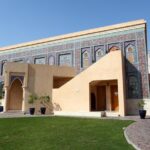
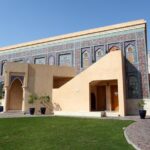
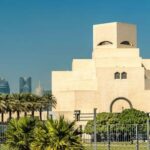
Doha’s Museum of Islamic Art brings together works made across 1,400 years and three continents, inside an I. M. Pei-designed landmark on the Corniche. The collection ranges from ceramics and manuscripts to metalwork, textiles and jewelry, so you can see Islamic artistic traditions through many kinds of objects.
I like two things in particular: the range of materials gives you more than one way into the subject, and the QR-code audio guide lets you explore at your own pace. Temporary exhibitions and interactive displays add variety beyond the permanent galleries.
The main consideration is that this is a self-paced museum visit, not a guided tour with a named guide. You’ll need to bring your own curiosity and allow time to follow the objects that interest you. The museum is closed on Wednesdays.
- At a glance
- A landmark on Doha’s Corniche
- Reading 1,400 years through objects
- Permanent galleries, temporary shows and interactive displays
- What the ticket gets you
- Making the visit work for you
- Who should book this museum visit?
- FAQ
- How much does admission cost?
- What does the ticket include?
- What kinds of art can I see?
- How far back does the collection go?
- Is the museum open every day?
- Can I reach the museum by public transportation?
- Is the museum wheelchair accessible?
- Can I cancel my booking?
- The Best Of Doha!
- More Tickets in Doha
- More Tours in Doha
- More Tour Reviews in Doha
- Not for you? Here's more nearby things to do in Doha we have reviewed
At a glance
 1 / 7
 2 / 7
 3 / 7
 4 / 7
 5 / 7
 6 / 7
 7 / 7
- The collection spans centuries: Galleries feature works from the 7th through the 20th centuries.
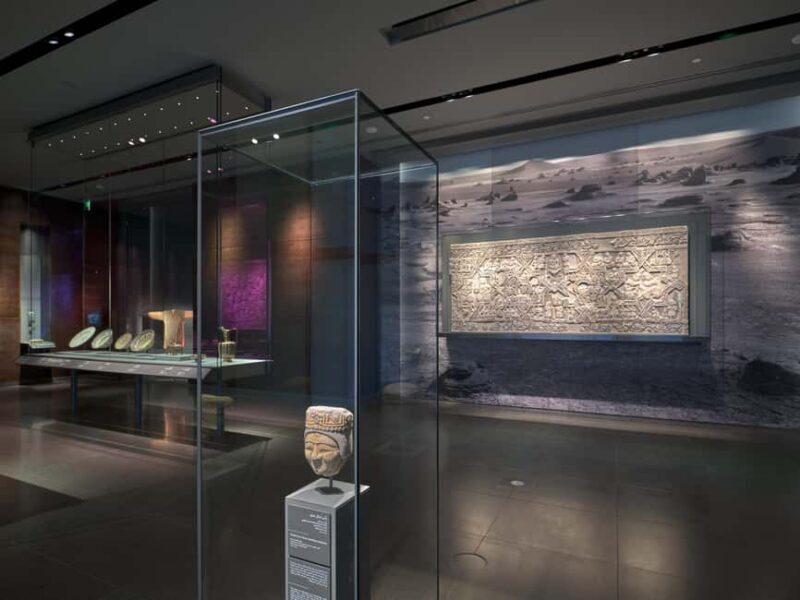
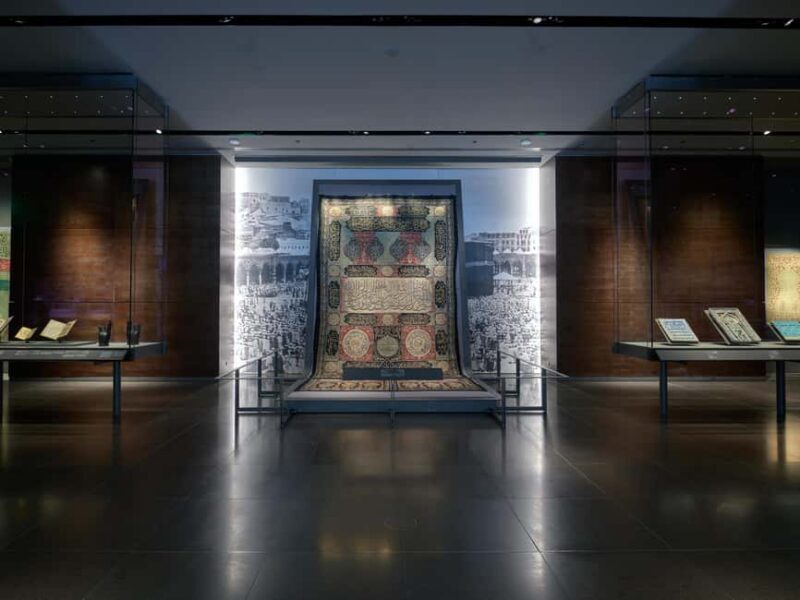
- Art comes in many forms: Look for ceramics, metalwork, jewelry, textiles and manuscripts.
- Your ticket includes the exhibitions: Admission covers permanent and temporary displays.
- A QR audio guide is included: Use it to add context as you explore.
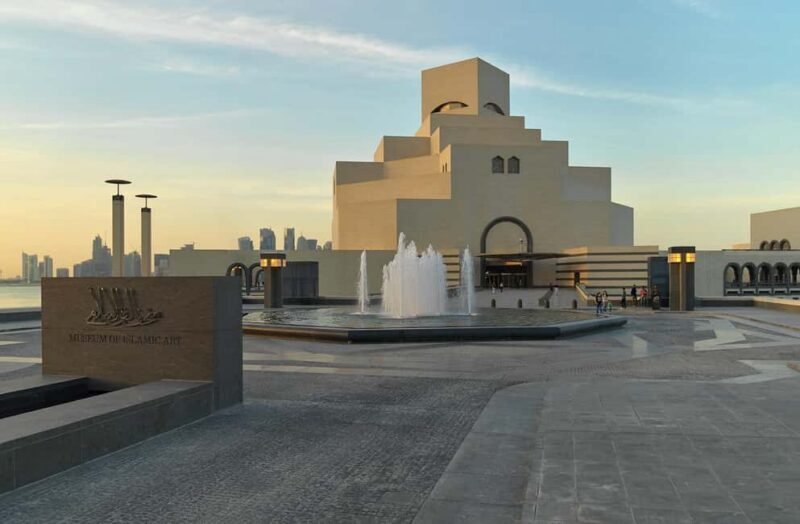
- The setting is part of the visit: The museum sits on Doha’s Corniche, with views across the waterfront.
- Plan around Wednesday: The museum is open daily except Wednesday.

👉 See our pick of the 9 Best Shopping Tours In Doha
A landmark on Doha’s Corniche
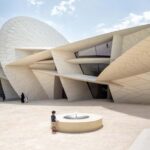
The Museum of Islamic Art is both a place to see art and an architectural landmark. Designed by I. M. Pei, it stands on Doha’s Corniche, where the setting offers panoramic views of the city’s waterfront. That makes the visit appealing even if you are not yet sure how much time you want to spend with the collection.
The museum’s location also helps make it a natural stop on a day in Doha. You can reach it by car or public transportation, and on-site parking is available. The setting gives you a change of pace from the city’s streets: inside, the focus shifts to objects made across a wide span of time and place.
There is no specified guided route, so think of this as an independent visit. You can use the QR-code audio guide for additional context, but you are free to set your own pace rather than follow a group schedule. That flexibility works well if you want to linger over a particular gallery or keep your visit brief.
You can also read our reviews of more tours and experiences in Doha

Reading 1,400 years through objects
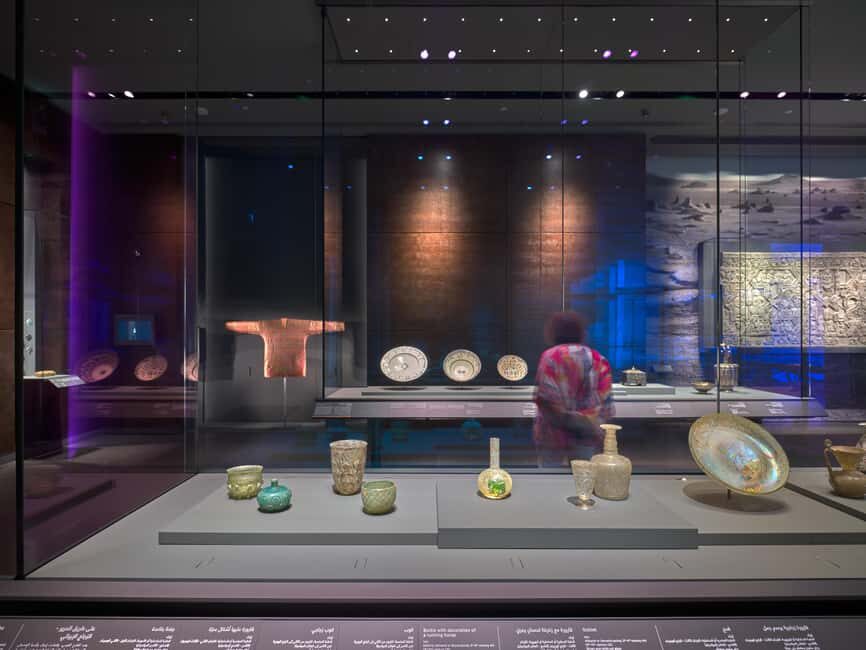
The collection covers more than 1,400 years, with works from the 7th to the 20th centuries. That long span gives you a chance to see how artistic expression varied across different periods and regions, rather than treating Islamic art as one single style.
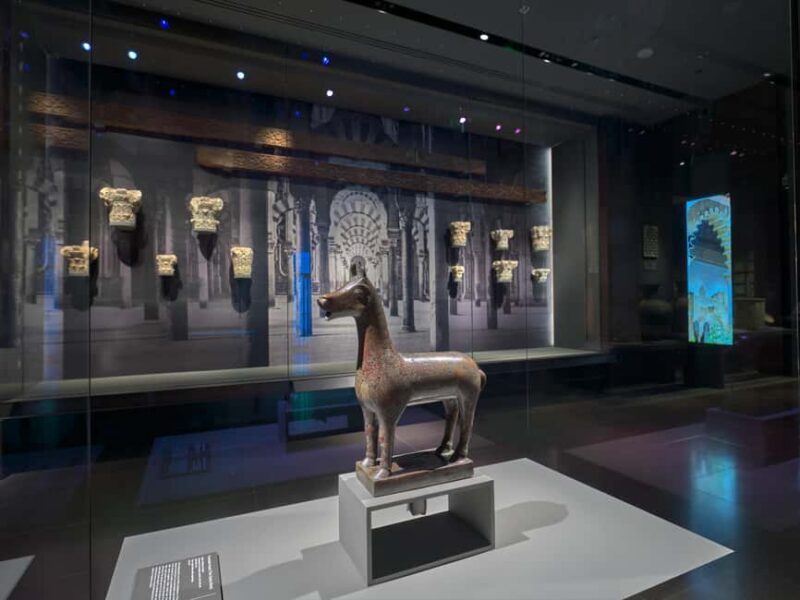
The collection also draws on three continents. This breadth matters: the objects reflect a wide range of communities and traditions, and the museum’s scope helps place Islamic art in a broader geographic context. You are not limited to a single country or medium.
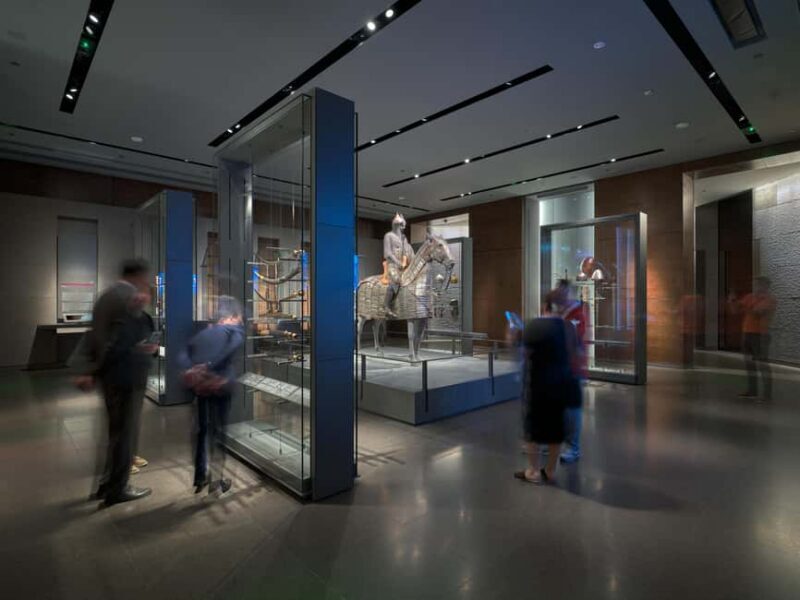
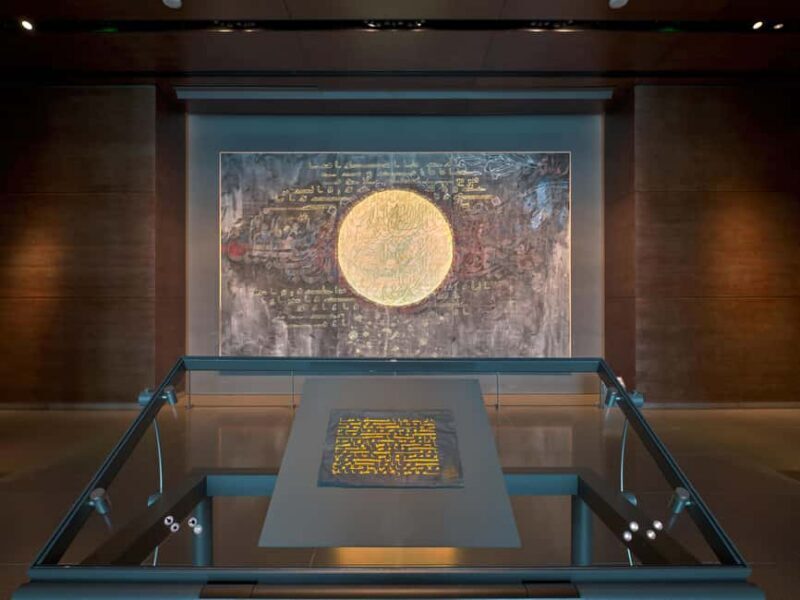
The galleries include ceramics, metalwork, jewelry, textiles and manuscripts. Each offers a different way to approach the collection. A manuscript invites attention to written and visual detail; a textile or piece of jewelry brings the craft of working with materials into view. Ceramics and metalwork offer their own forms and surfaces to study.
You do not need specialist knowledge to get something from the visit. Start with the kinds of objects you already find compelling, then use the audio guide to build context as you go. The organization of the themes and the explanations alongside them are useful if you want more than a quick look, but the range also makes it easy to explore by instinct.
Permanent galleries, temporary shows and interactive displays
Your admission includes access to both permanent and temporary exhibitions. The permanent collection provides the broad historical reach, while a temporary exhibition may offer a more focused angle. Because exhibitions can change, check what is on during your visit if a particular subject matters to you.
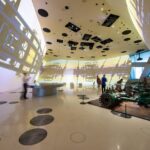
Interactive displays provide another way to engage with the material. They can be helpful if you are visiting with children or simply want a break from reading labels. The exact content of temporary exhibitions and interactive displays can vary, so it is better to treat them as an added feature rather than plan your whole visit around a specific display.
A useful approach is to give yourself room to move between the galleries and take breaks when you need them. With centuries of art and several kinds of objects to take in, you may find that a slower visit is more rewarding than trying to inspect everything. The QR audio guide can help you choose where to spend that extra attention.
What the $14 ticket gets you
At $14 per person, the ticket covers admission to the Museum of Islamic Art, access to all permanent and temporary exhibitions, and the QR-code audio guide. The value is strongest if you make use of both the collection and the context available through the guide. It is a straightforward way to spend time with a major cultural institution without paying separately for each exhibition.
The ticket is less suited to anyone seeking a live, guided group experience. No named guide or live tour is included in the information provided. If personal explanations and a set itinerary are essential for you, this visit may not match that preference. If you like setting your own pace, the included audio guide offers a useful middle ground.
The booking also allows you to reserve now and pay later, which can help keep plans flexible. You can cancel up to 24 hours in advance for a full refund. These terms are handy if your Doha schedule is still taking shape, though the key practical detail is to avoid Wednesday, when the museum is closed.
More Great Tours NearbyMaking the visit work for you
The museum is fully accessible for wheelchair users, making it a practical option for visitors who need step-free access. Children under 16 must be accompanied by an adult. Families can use the range of objects and interactive displays to keep the visit varied, though younger children may benefit from a shorter, selective route rather than trying to see everything.
Because the museum is open daily except Wednesday, you have several days to choose from. It is accessible by car and public transportation, with parking on site. The exact travel time and transit options will depend on where you are staying, so check your route before setting out.
For a more focused visit, choose a few collection areas that appeal to you, then allow time for the temporary exhibition and the waterfront setting. If you have a strong interest in manuscripts, textiles or another listed medium, use the audio guide to add context rather than rushing from gallery to gallery. If your schedule is tight, you can still enjoy the building and select a handful of objects, but the wide historical span deserves more than a hurried pass.
You can also read our reviews of more museum experiences in Doha



Who should book this museum visit?
I’d recommend this admission ticket to anyone interested in art, history, architecture or Doha’s cultural institutions. It is especially good for visitors who appreciate seeing a subject through a range of materials and want the freedom to explore without joining a guided group. The long time span and broad geographic scope give you plenty to consider, even if you arrive with no specialist background.
It is also a sensible choice for a flexible day out. The audio guide, temporary exhibitions and interactive displays offer different ways to engage, while the Corniche location makes the museum a worthwhile stop in its own right. If you prefer a live guide, a tightly planned itinerary or a highly specific exhibition, check that those needs are met before booking.
At $14, the ticket offers solid value if you plan to spend time with the galleries and use the included audio guide. Book it if you want an independent visit with broad artistic and historical scope. If Wednesday is your only available day, or you need a guided tour, this is not the right fit.
Doha: Museum of Islamic Art Admission Ticket
FAQ
How much does admission cost?
The ticket costs $14 per person.
What does the ticket include?
It includes admission to the museum, access to permanent and temporary exhibitions, and access to the audio guide through a QR code.
What kinds of art can I see?
The collection includes ceramics, metalwork, jewelry, textiles and manuscripts.
How far back does the collection go?
The collection spans more than 1,400 years, with galleries featuring objects from the 7th to the 20th centuries.
Is the museum open every day?
It is open daily except Wednesday.
Can I reach the museum by public transportation?
Yes. The museum is accessible by public transportation and by car, with on-site parking available.
Is the museum wheelchair accessible?
Yes. The museum is fully accessible for wheelchair users.
Can I cancel my booking?
Yes. You can cancel up to 24 hours in advance for a full refund.
You can check availability for your dates here: