Masada at sunrise is the moment that gives this long day its shape: you walk up the desert fortress in the cool dark, then watch light spread across the Judean Desert and the Moab Mountains. I like that the outing pairs this demanding climb with the green springs of Ein Gedi, when open, and the strange, buoyant pleasure of the Dead Sea.
I also like the practical mix of air-conditioned transport and time to explore each stop on your own. Drivers including Samuel and Ariel have added useful local stories on some trips, but this is a self-guided outing, not a fully guided tour. The main drawback is the very early start and a real change to the plan: Ein Gedi is currently unavailable after flooding, so the tour visits an alternative instead.
At a glance
- Masada before the heat: Walk the Snake Path before sunrise; the climb is strenuous, and the cable car is not part of this early ascent.
- A wide desert view: From the fortress, watch sunrise over the Judean Desert and Moab Mountains.
- Ein Gedi may be replaced: The reserve is currently closed following flooding, so confirm what alternative site is planned.
- Dead Sea beach entry is included: National park fees, food, drinks and towels are not.
- Plan for a long, active day: The tour lasts about 10 hours and requires moderate fitness.

👉 See our pick of the 3 Best Workshops And Classes In Jerusalem
- At a glance
- Masada’s Snake Path before sunrise
- Ein Gedi, with an important change to the plan
- The Dead Sea: a float, not a swim
- What the 6 price covers
- The self-guided format and the people who suit it
- Is this Masada sunrise tour worth booking?
- FAQ
- How long is the tour?
- Where is the meeting point in Jerusalem?
- Is the Ein Gedi Nature Reserve part of the tour right now?
- Do I need to hike up Masada?
- Are the Masada and Ein Gedi entrance fees included?
- Is Dead Sea beach entry included?
- Should I bring a towel?
- Is the tour guided?
- The Best Of Jerusalem!
- More Morning in Jerusalem
- More Tours in Jerusalem
- More Tour Reviews in Jerusalem
- Not for you? Here's more nearby things to do in Jerusalem we have reviewed
Masada’s Snake Path before sunrise
 1 / 6
 2 / 6
 3 / 6
 4 / 6
 5 / 6
 6 / 6
The day begins in Jerusalem, at the bus stop outside Abraham Jerusalem, 67 Ha-Nevi’im Street. The hostel itself is currently closed, so look for the bus stop rather than expecting to enter the building. The exact start time varies, but this is a sunrise outing, and past departures have been around 3:30 or 3:40 a.m. Check the time for your date and set more than one alarm.
The drive south takes you from the city toward the desert. You will be glad of a seat and a little quiet before the climb. Transport is by air-conditioned vehicle, but bring water and a warm layer if you are sensitive to the chill before dawn. The tour provides transport, not a guided account at every stop.
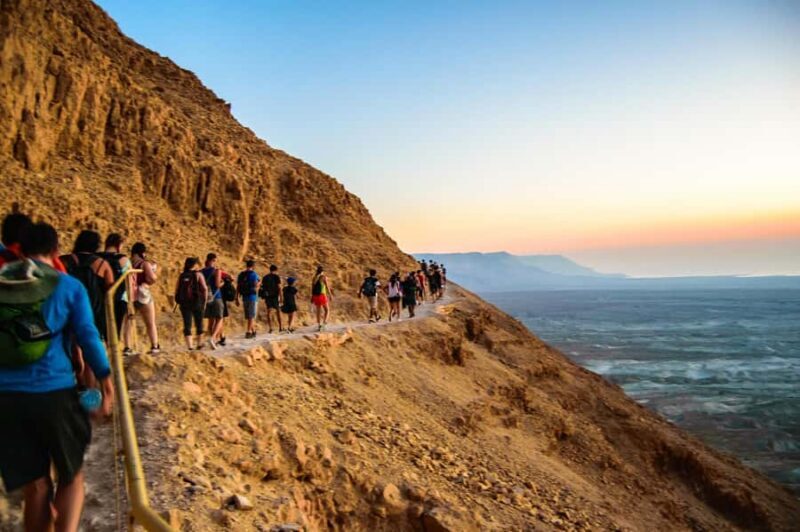
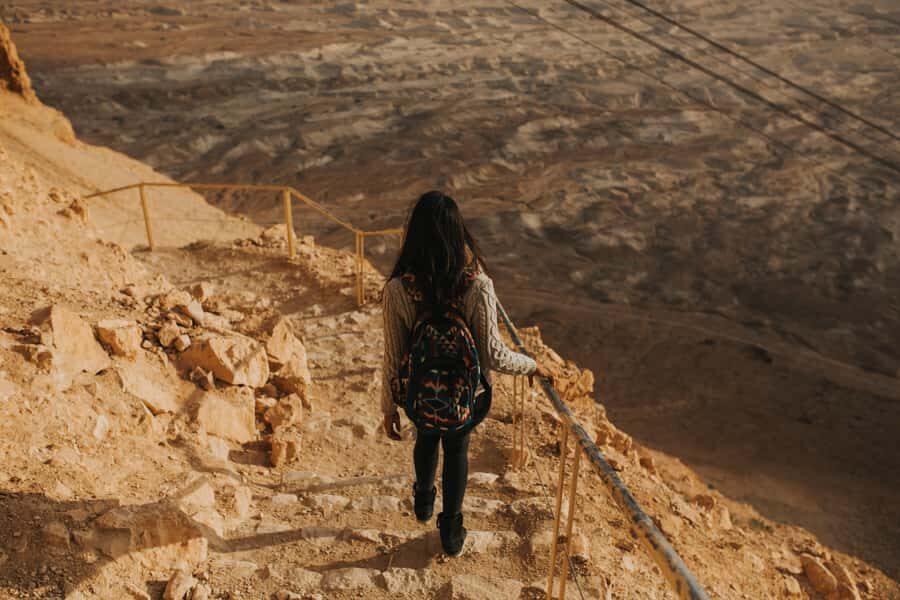
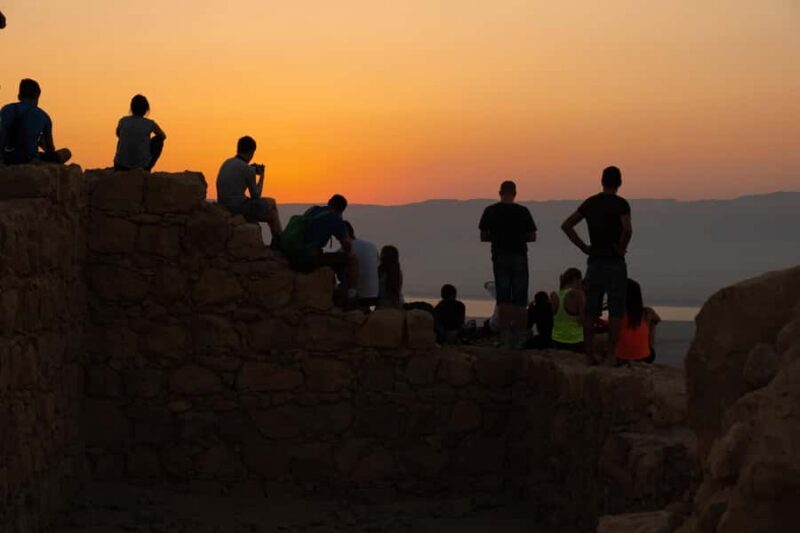
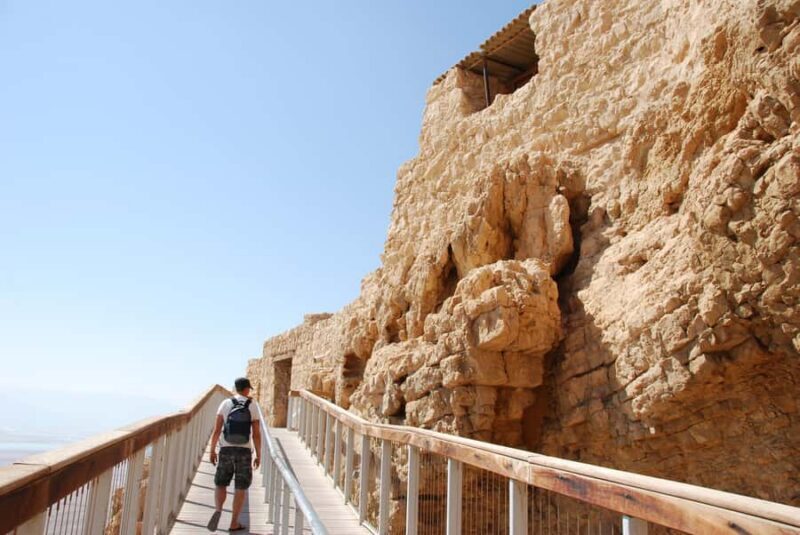
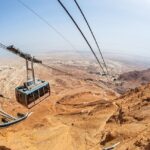
At Masada, you climb the famous Snake Path to the fortress. The path is rocky and the uphill walk can take about an hour, depending on your pace. This is the physical heart of the day. The route is not a gentle stroll, and you should not count on using a cable car for this sunrise ascent. A number of past departures have reached the summit on foot in time for dawn, but the climb takes effort. Wear proper hiking shoes and be honest with yourself about your fitness.
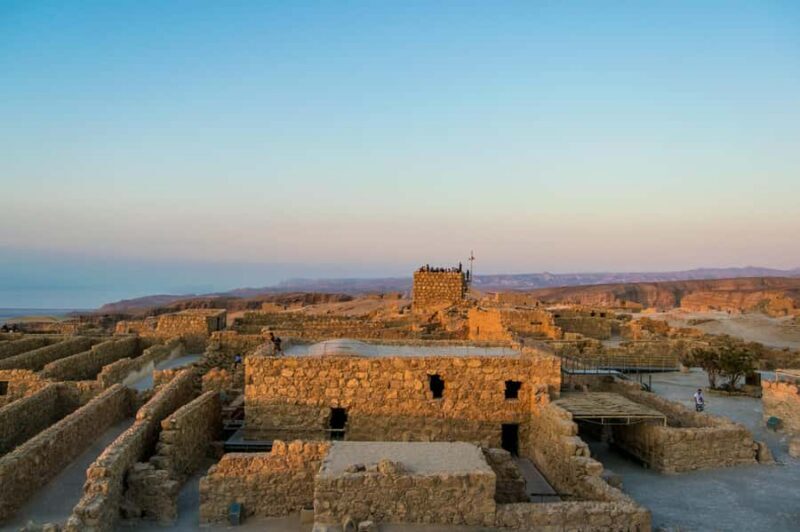
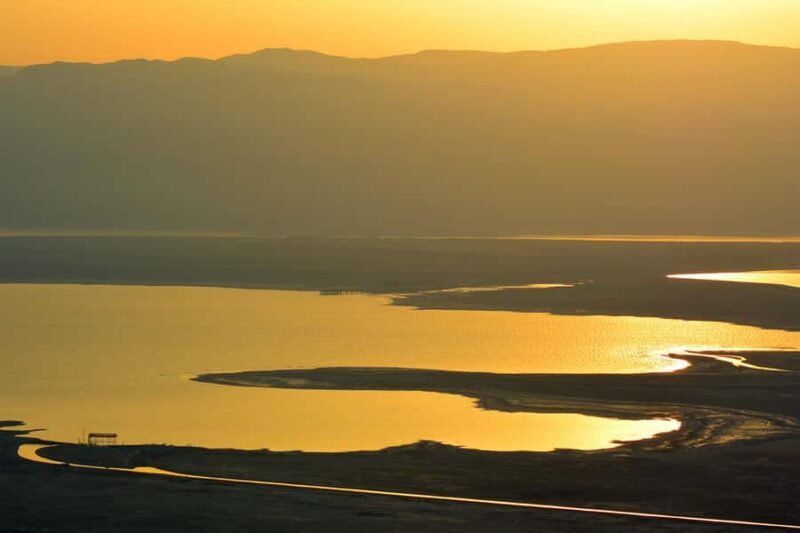
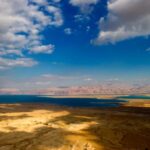
The payoff is the view. As the light arrives, the desert changes color, and the Dead Sea and the Moab Mountains form a striking horizon. You are standing on an ancient desert fortress, with space to take in the scale of the surrounding country. The early start is hard to love while your alarm is ringing, but it is what lets you climb before the day grows hot.
Once at the top, you have time to look around the ruins and consider Masada’s place in Jewish history. It remains a powerful symbol of hope and pride. The tour is self-guided, so bring a guidebook or read up beforehand if you want more historical detail than your driver provides. Some drivers, including Samuel, have shared stories and answered questions; that can add a welcome human touch, but it is not a substitute for a dedicated guide.
The descent is also on foot by the Snake Path. Allow for tired legs: this is not a quick photo stop, but a substantial walk both ways. The sunrise and the fortress are the main reasons to choose this itinerary, so pace yourself rather than racing up the trail.
You can also read our reviews of more tours and experiences in Jerusalem
Ein Gedi, with an important change to the plan
In normal conditions, the next stop is Ein Gedi Nature Reserve, an oasis of springs, waterfalls, desert plants and wildlife. It offers a welcome contrast to Masada’s dry stone and open mountain views. The walk gives you a chance to cool off and see how water shapes a pocket of life in the desert.
But the reserve is currently unavailable because of recent flooding. The tour information says an alternative location will be visited instead, without naming that location. Do not book on the assumption that you will see Ein Gedi’s waterfalls or hike its trails. Ask the operator what substitute is planned for your date, and decide if the day still suits you. Conditions can change, so check again close to departure.
When Ein Gedi is open, the walk can be a highlight, but it adds more time on your feet after Masada. The reserve’s entrance fee is not included, and the listed fee is 31 ILS. A past visit was affected by a rockslide near one waterfall, a reminder that access to individual trails can change even when the reserve is open. If you have your heart set on a particular waterfall, check the current access before you go.
The itinerary gives you an introductory visit rather than a long, unhurried hike. That balance makes sense on a three-stop day, but it may feel brief if you want a serious nature walk. In some circumstances, when parts of Ein Gedi have been closed, the schedule has left more time for the Dead Sea instead. The actual rhythm depends on access and the operator’s revised plan.
The Dead Sea: a float, not a swim
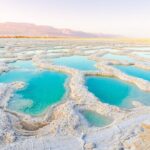
The final stop is the Dead Sea, where the high salt content lets you float with little effort. After Masada’s rocky trail and, when available, a walk at Ein Gedi, it is a fitting place to rest. The tour includes entry to a Dead Sea beach, so you do not need to add that fee separately.
Keep expectations sensible. Floating is the unusual part; this is not a normal swim. The water is extremely salty and can sting badly if it gets in your eyes, so keep your hands away from your face and rinse off if needed. You can also try the therapeutic mud, a familiar part of the Dead Sea visit. Bring swimwear and flip-flops, and follow any posted beach instructions.
The stop may be longer than you expect. Some itineraries have allowed around two and a half hours at the Dead Sea, particularly when Ein Gedi access was limited. That can be welcome if you want time to float, wash off and relax, but it may feel excessive if Masada is your main priority. If you would rather spend longer at the fortress, understand that this is a set three-stop day, not a Masada-focused excursion.
Bring your own towel: it is not included. Towels can be rented for 15 ILS at the meeting point before departure. Food and drinks are also not included, so pack water and something to eat. The day is long, and there may be chances to buy refreshments, but the tour details do not promise meal stops.
What the $106 price covers
At $106 per person, the price covers a full day of transport from Jerusalem and entry to the Dead Sea beach. That is useful value if you want to connect three far-flung stops without arranging a vehicle yourself. The air-conditioned ride also matters after a predawn start and a long walk.
Budget extra for the two national parks: Masada is listed at 37 ILS and Ein Gedi at 31 ILS. Those fees are not part of the tour price, and Ein Gedi’s closure makes it especially important to check which site you will visit and what entrance costs apply. Food, drinks and towels are also extras. The total cost is therefore higher than the headline price, but still buys a complicated day of transport and logistics.
The tour is best judged by what you want from it. If sunrise at Masada and a Dead Sea float are your priorities, the combination offers a lot in one day. If you want long hikes, a detailed guided tour of the fortress or hours at one place, a more focused outing may suit you better.
More Great Tours NearbyThe self-guided format and the people who suit it
The tour is listed as English-language, but it is self-guided. Think of it as organized transport with stops, not a walking tour where a guide stays beside you at each site. Drivers have sometimes offered background, humor and local perspective. Samuel, Ariel and other drivers have been named by people on previous trips, but you cannot assume a particular person will lead your departure or that every driver will give the same level of commentary.
That format gives you freedom to explore at your own pace within the schedule. It also means you should arrive with some context if Masada’s history matters to you. A guidebook or a little advance reading will help you understand what you are seeing, especially since the summit visit is self-guided.
This is a good fit if you are comfortable with an early alarm, a rocky uphill walk and a packed day. You need moderate physical fitness. The tour is not suitable for people with mobility impairments or pregnant women. If you have concerns about the climb, ask the operator before booking rather than hoping the route will be easier than it sounds.
Pack a sun hat, sunscreen, water, hiking shoes, swimwear, a towel and flip-flops. Carry your passport or a copy. Good shoes matter most at Masada; the trail is rocky, and sandals are a poor choice for the climb. Keep your beach gear accessible so you are not rummaging through your bag after a tiring hike.

Is this Masada sunrise tour worth booking?
Book it if you want to see Masada in the cool hours, enjoy the desert at sunrise and add the Dead Sea to the same day. The combination is efficient, the transport is included, and the route gives you a memorable contrast between fortress, oasis or substitute stop, and salty shoreline. Past trips have also benefited from drivers such as Samuel and Ariel sharing personal knowledge of the region, though that is not guaranteed.
Think twice if your main goal is Ein Gedi. The reserve is currently closed after flooding, and the replacement stop has not been specified here. Also reconsider if you dislike strenuous uphill walks, need a slow schedule or want extensive guided commentary. For the right person, the early start and tired legs are a fair trade for sunrise over Masada and a float in the Dead Sea.
From Jerusalem: Masada at Sunrise, Ein Gedi & Dead Sea Tour
FAQ
How long is the tour?
The tour lasts about 10 hours. Starting times vary, so check the available time for your date.
Where is the meeting point in Jerusalem?
Meet at the bus stop outside Abraham Jerusalem, at Ha-Nevi’im Street 67. The hostel is currently closed.
Is the Ein Gedi Nature Reserve part of the tour right now?
Ein Gedi is currently unavailable due to recent flooding. The tour will visit an alternative location, but the replacement is not specified here. Confirm the plan with the operator before departure.
Do I need to hike up Masada?
Yes. The sunrise visit involves climbing the Snake Path on foot. The ascent is strenuous and takes about an hour for some walkers.
Are the Masada and Ein Gedi entrance fees included?
No. The listed fees are 37 ILS for Masada and 31 ILS for Ein Gedi. Confirm current charges and how the alternative stop affects the plan.
Is Dead Sea beach entry included?
Yes. The beach entry fee is included in the tour price.
Should I bring a towel?
Yes. Towels are not included, though you can rent one at the meeting point for 15 ILS.
Is the tour guided?
The tour is self-guided at the stops, with an English-speaking host or greeter listed. Drivers have sometimes provided background information, but a dedicated guide is not guaranteed.
You can check availability for your dates here: