The best reason to explore Tunis’s Medina with a guide is simple: its narrow lanes make more sense when someone who knows them can explain what you are seeing. Guide Moncef Achouri is often named by visitors, and his routes focus on the lived-in Medina as well as its monuments, not just the main shopping streets.
I like the mix of history and daily life, from old houses and ancient cafés to the working souk. I also like that the walk starts and ends at Bab El Bhar, making it easy to fit into a day in central Tunis. One point to check before booking: the stated duration varies between 2.5 and 3 hours, and the visit to a handicraft center means there may be a shopping stop.
- Follow a local guide through the Medina’s lanes: The route is designed to reveal places and details that are easy to miss alone.
- See more than the main souk: Expect traditional houses, historic sites, cafés, and market streets.
- Visit a Berber Kelim center: This handicraft stop offers a closer look at traditional carpet work, though you are free to decide whether to shop.
- Hear about Tunis from someone who knows it firsthand: Moncef is frequently named, and some accounts describe him as a Medina native and former history professor.
- Plan around a short walking tour: The stated duration ranges from 2.5 to 3 hours, with several tour times available.
- Book with some flexibility: The price is $28 per person, and cancellation is free up to 24 hours before the tour.
- Start at Bab El Bhar, then leave the main routes
- Read the souk beyond the shop windows
- Look inside old houses and palaces
- Make time for cafés, schools, and local stories
- Understand why a local guide changes the walk
- Weigh the price against the time saved
- Check the duration and prepare for the walk
- Is this Tunis Medina tour right for you?
- FAQ
- Where does the tour start and finish?
- How long does the tour last?
- What languages are available?
- What is included in the tour?
- Is the tour wheelchair accessible?
- Can I cancel for a refund?
- The Best Of Tunis!
- More Tours in Tunis
- More Tour Reviews in Tunis
- Not for you? Here's more nearby things to do in Tunis we have reviewed
Start at Bab El Bhar, then leave the main routes
 1 / 8
 2 / 8
 3 / 8
 4 / 8
 5 / 8
 6 / 8
 7 / 8
 8 / 8
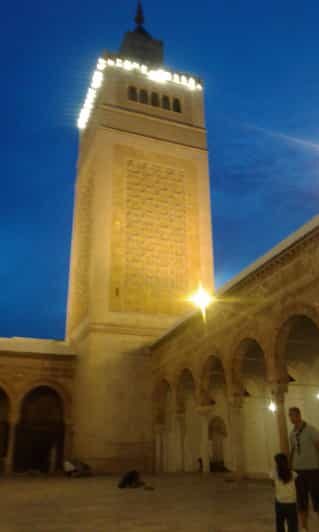
Bab El Bhar, also known as the Sea Gate, is the meeting and finishing point. From here, the tour enters the Medina, the historic core of Tunis and a UNESCO World Heritage site. Starting at a clear landmark helps, since the network of lanes becomes less obvious once you are inside.
This is a walking tour, not a drive-by introduction. You move through narrow alleys and market areas while your guide links architecture, local customs, and history to the streets around you. The Medina is not only a collection of old buildings; it is also a place where people live, work, shop, and meet.
That everyday side is a key part of the experience. Guides including Moncef are praised for taking visitors away from the most commercial paths and showing parts of the Medina that can be hard to locate or understand on your own. You should still expect to encounter shops and sellers. The difference is that the walk is not meant to be only a shopping circuit.
You can check availability for your dates here:
👉 See our pick of the 14 Best Guided Tours In Tunis
Read the souk beyond the shop windows
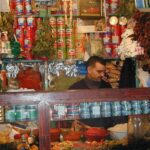
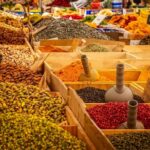
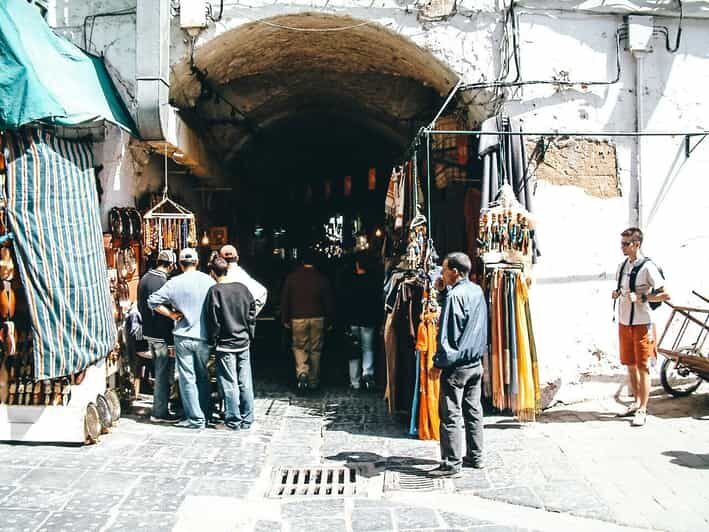
The old market, or souk, is one of the tour’s central stops. You can expect a spread of goods such as jewelry, perfume, and Berber handicrafts, along with the movement and noise of a working market. The guide can add context to what you are seeing, so the souk becomes more than a string of stalls.
The Medina’s perfume shops and handmade carpet stores are part of the experience, but they also bring a practical consideration. Some tours include shopping stops, and one account describes a carpet offer at the Kelim center. Visitors could decline without pressure, but if you prefer not to shop, say so plainly or ask the guide what the stop involves.
I would treat the market as a chance to look and learn, not as a promise of a shopping-free route. If you want to buy perfume, a carpet, or a small craft, compare prices and take your time. If you are not shopping, you can still ask about materials, patterns, and the role these trades play in the Medina.
You can also read our reviews of more tours and experiences in Tunis.
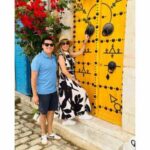


Look inside old houses and palaces
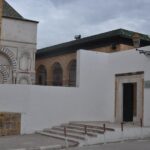
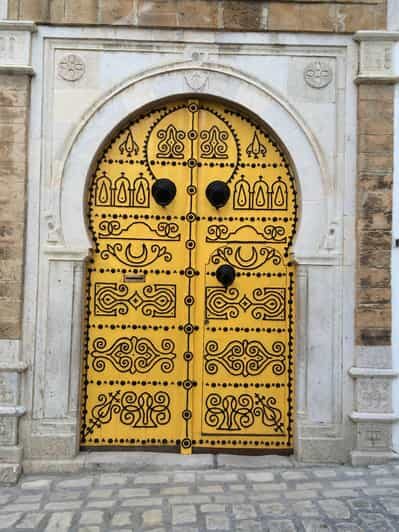
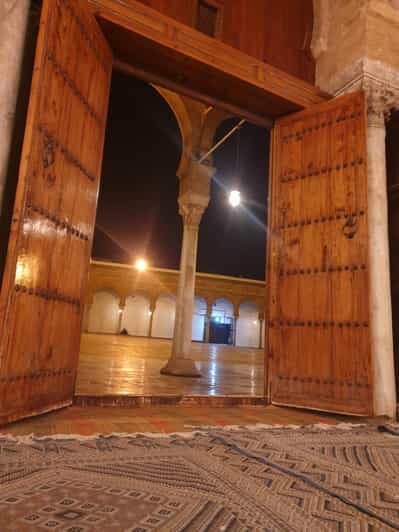
Visits to old palaces and traditional houses add welcome depth to a walk through narrow lanes. From the outside, a doorway or courtyard may not tell you much. A guide can explain the history and purpose of a building, and some visitors describe entering buildings that they could not have accessed alone.
The exact interiors can vary, so do not treat any one palace or house as guaranteed. The tour’s focus is broader: traditional architecture, historic sites, and the cultural influences that shaped Tunis. The description points to Andalusian and Turkish influences, and the guide’s explanations help connect those influences to the city rather than leaving you with a list of dates.
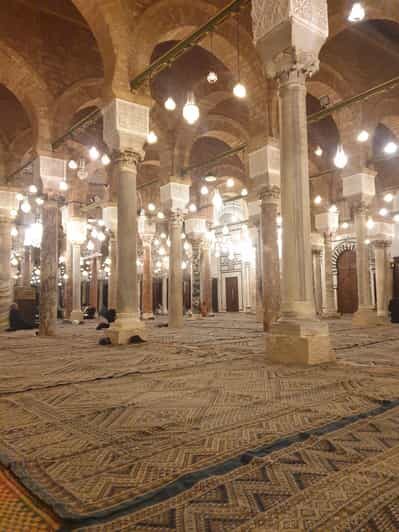
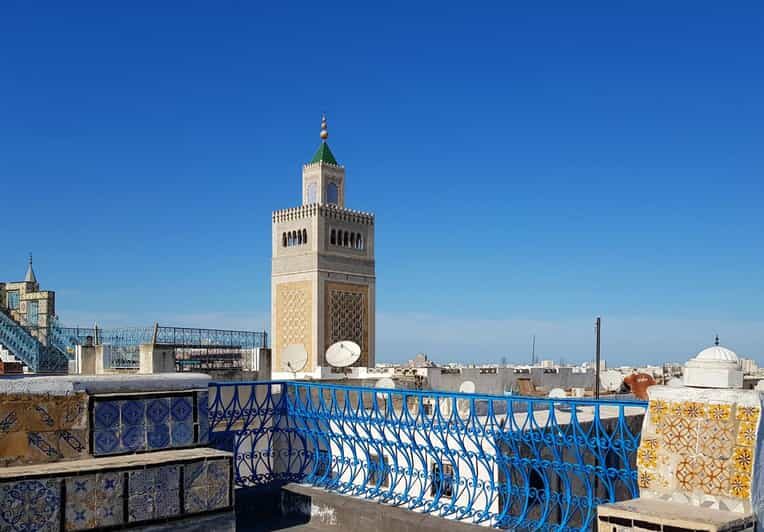
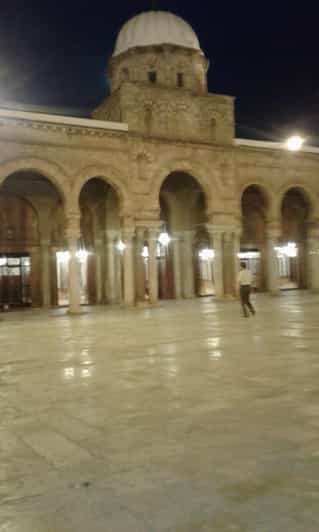
Some routes also include an ancient mosque, and visitors have described seeing a panorama of Tunis from a terrace. These are useful examples of the kinds of places a local guide may bring into the walk, but the tour details do not promise a fixed roster of stops. Ask at the start what is planned that day if a particular building or viewpoint matters to you.
Make time for cafés, schools, and local stories
The Medina’s old cafés and terraces are not merely places to pause. They help show how the historic quarter works as a social space, alongside its religious and commercial roles. Ancient schools and cultural sites add another layer, giving the walk a broader frame than architecture alone.
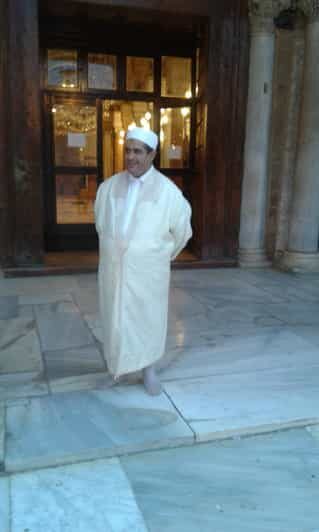
A good guide makes these stops easier to remember by connecting them with stories and daily life. Moncef is often singled out for anecdotes and for answering questions, while other named guides, including Yousef and Joseph, also receive praise for their warmth and explanations. The provider is Moncef Achouri, but it is wise not to assume that every departure will have the same guide.
The pace appears flexible. Visitors describe time to ask questions, take photos, stop to buy something, and, in some cases, taste a small snack or drink tea. Those details are not guaranteed features of every tour, so think of them as possible moments rather than fixed inclusions.
Understand why a local guide changes the walk
You can explore the Medina independently, especially if your main aim is to browse the souk. But its lanes, historic buildings, and local routines are easier to read with someone who can explain what you are passing. A guide gives the walk a shape and helps you notice details that might otherwise blend into the maze of streets.
That local knowledge is the tour’s strongest value. Several visitors describe Moncef as someone born in or closely connected to the Medina, with a background in history teaching. They praise his ability to explain the area clearly, answer questions, and show places outside the usual commercial route. The result is not only a sightseeing walk but an introduction to the Medina as a living neighborhood.
The tour can also be useful early in a stay. Some guides offer suggestions for getting around Tunisia and what to see next, according to visitors who asked. You can use the time to raise practical questions, though this is still a Medina walking tour, not a general city-planning service.
More Great Tours NearbyWeigh the $28 price against the time saved
At $28 per person, this is a relatively low-cost way to get a guided introduction to one of Tunis’s most complex historic districts. The fee includes a professional Medina guide, exploration of the old souk, and a visit to a Berber handicraft Kelim center. The value comes less from ticking off a long list of monuments and more from getting context and access to places you might not find on your own.
A few hours with a guide can save time spent figuring out where to go, while making the lanes and buildings more meaningful. That matters most if you have a short stay or want to understand the cultural side of the city rather than only shop. If you are comfortable navigating on your own and mainly want to browse, you may prefer to explore independently and spend the money elsewhere.
The tour has a strong overall rating of 4.8 from 284 reviews. That is encouraging, but the best guide for you will still depend on your language, interests, and the route on the day. The listed languages are English, French, Arabic, and Italian.






Check the duration and prepare for the walk
The experience is described as lasting 2.5 hours in its activity details and 3 hours in its overview and route. That difference is worth checking when you choose a departure, especially if you have a train, meal booking, or other appointment afterward. The walk begins and ends at Bab El Bhar, so you do not need to plan for a separate return transfer.
Wear comfortable shoes suitable for uneven walking, and keep some room in your schedule for pauses. The route passes through market lanes and older parts of the Medina, where stopping to listen or look around is part of the point. The activity is described as wheelchair accessible, but the supplied information does not explain the exact route or surface conditions, so contact the guide in advance if you need specific access details.
You can book without paying immediately and cancel up to 24 hours in advance for a full refund. Those terms are helpful if your plans are still taking shape. Starting times vary, so check the available departures for your date.
Is this Tunis Medina tour right for you?
Book it if you want more than a quick look at the souk. The strongest fit is someone who enjoys local stories, architecture, and the everyday workings of a historic neighborhood, and who is happy to walk through lanes that are not always obvious to navigate alone. It is also a sensible first activity in Tunis if you want orientation and ideas for the rest of your visit.
Go in with realistic expectations about shopping stops and the precise route. The tour includes a Kelim center, and the exact houses, palaces, cafés, or viewpoints may vary. If you want a tightly specified monument-by-monument itinerary or absolutely no shop visits, ask before booking.
For $28, the combination of a local guide, market walk, historic sites, and cultural context makes this an appealing value. I would choose it for the chance to understand the Medina, not simply to collect a few photographs or purchases.
Tunis Medina Dream Tour
FAQ
Where does the tour start and finish?
The tour starts and finishes at Bab El Bhar on Rue de la Kasbah in Tunis.
How long does the tour last?
The activity details give a duration of 2.5 hours, while the overview and route describe a 3-hour tour. Check the available time for your chosen departure.
What languages are available?
The live tour guide is available in English, French, Arabic, and Italian.
What is included in the tour?
The tour includes a professional guide familiar with the Medina, exploration of the old market, and a visit to a Berber handicraft Kelim center.
Is the tour wheelchair accessible?
The activity is described as wheelchair accessible. Contact the guide before booking if you need details about the route or access conditions.
Can I cancel for a refund?
Yes. You can cancel up to 24 hours in advance for a full refund.
You can check availability for your dates here: