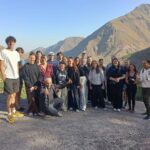
In a mountain village near Imlil, cooking is not a staged demonstration: you help choose the vegetables, prepare the meal, and eat in the family home where the cooking takes place. The Atlas Mountains setting and the chance to spend time with a local family give this day more substance than a city cooking class.
I like two things in particular: the shopping stop makes the ingredients part of the lesson, and the family’s grandmother often guides you through dishes such as tagine, couscous, and bread. The small-group limit of 10 also leaves room for conversation and questions.
The main caution is timing. The day is advertised as seven hours, but the mountain drive, uphill walk, and slow-cooked lunch can make it closer to nine, so don’t book a tight evening plan. Bring something to eat before you go, since lunch may not arrive until mid-afternoon.
- At a glance
- Leaving Marrakech for the High Atlas
- Picking out the ingredients
- Reaching the family home
- Cooking with the grandmother
- A late, generous lunch
- What the price gets you
- Who will enjoy this day most
- Should you book it?
- FAQ
- How long does the tour take?
- What languages does the guide speak?
- Is hotel pickup included?
- How large is the group?
- What food is included?
- What should I bring?
- Is the tour suitable for wheelchair users or people with mobility impairments?
- More Cooking Classes in Marrakesh
- More Tours in Marrakesh
- More Tour Reviews in Marrakesh
- Not for you? Here's more nearby things to do in Marrakesh we have reviewed
At a glance
 1 / 7
 2 / 7
 3 / 7
 4 / 7
 5 / 7
 6 / 7
 7 / 7
- Choose vegetables before cooking: The group stops to buy ingredients at a local market or shop, then helps prepare the meal from scratch.
- Cook in a family home: A local grandmother leads the cooking, with a guide helping explain the food and local customs.
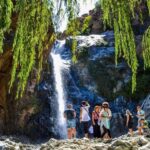
- Expect mountain views and a short uphill walk: Some homes require a five to fifteen minute walk on narrow paths, steps, or a steep track.
- Lunch is the main event: The meal is generous and often includes tagine, couscous, and bread, though dishes can vary.
- Plan for a long day: Seven hours is the stated duration, but allow up to nine hours and expect lunch around 2:30 to 4 p.m.
- The group stays small: No more than 10 participants, with French- and English-speaking guides.
Leaving Marrakech for the High Atlas
The day begins with hotel pickup in Marrakech and a drive toward the Atlas Mountains in an air-conditioned vehicle. If you are staying in a riad inside the Medina, the car may not be able to reach your door; pickup is arranged at a nearby point accessible by car. Confirm that meeting point before the morning rush.
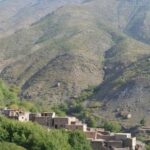
The change of scene is part of the value. Marrakech’s heat and close-packed streets give way to mountain roads, open views, and Berber villages along the route. The drive is not just a transfer: guides such as Ibrahim, Badr, and Ismail have shared stories about the area, its people, and Amazigh, or Berber, culture along the way.
The road is winding, and the ride can feel long if you are prone to motion sickness. One practical move is to bring your usual travel-sickness remedy and sit where you are most comfortable. Air conditioning is included, but conditions in the vehicle may not always feel equally cool to everyone.
You can also read our reviews of more cooking classes in Marrakesh
Picking out the ingredients
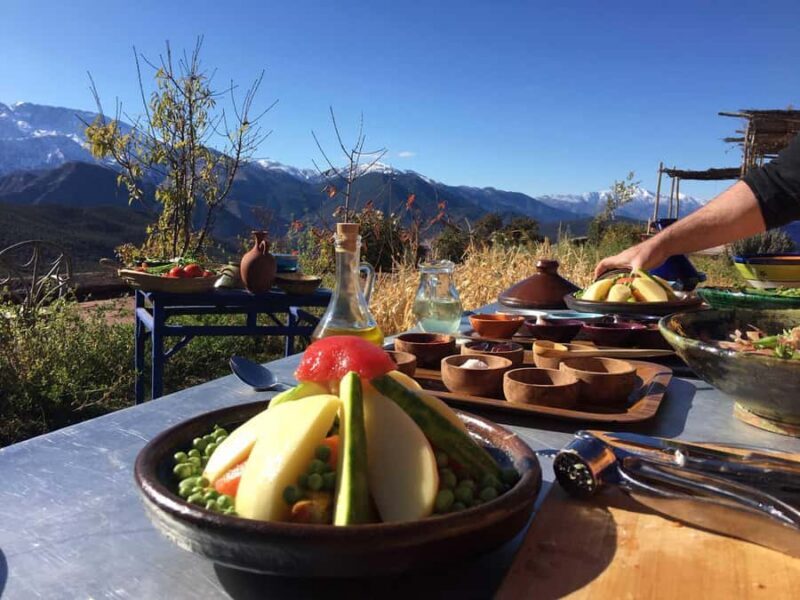
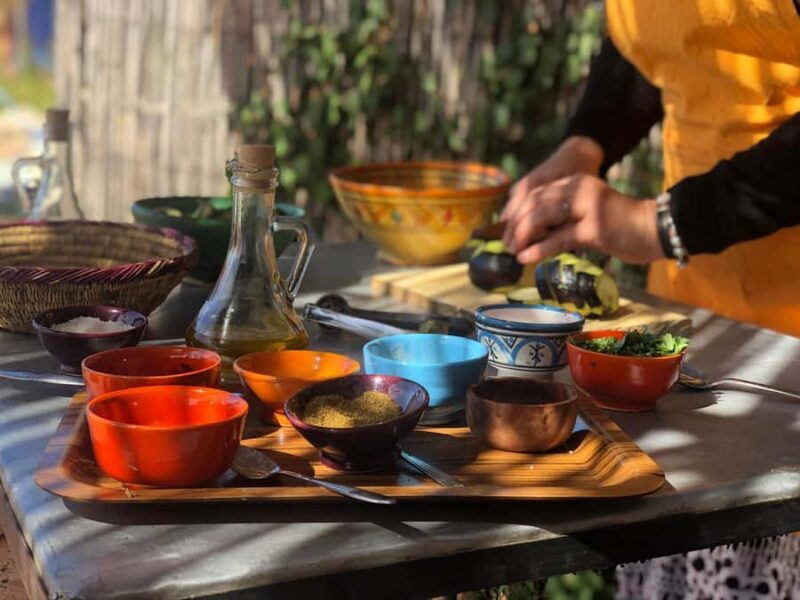
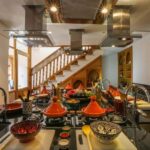
Before reaching the family home, you stop to shop for the meal. You may choose vegetables at a local market or small produce shop, often with the guide helping select and measure what the group needs. It is a modest stop, but it changes the class: you see what goes into the cooking before the food reaches the table.
This is also a useful moment to ask questions about ingredients and how they are used. The cooking is hands-on, and you are involved in preparing the food rather than simply watching someone else work. Depending on the day’s route, a visit with women at an Ourika Valley cooperative may also be included; the precise stops can vary.
For anyone with a dietary need or allergy, contact the operator in advance and explain it clearly. The family has accommodated requests such as gluten-free food and a child’s nut allergy, but you should not assume every need can be met without notice.
Reaching the family home
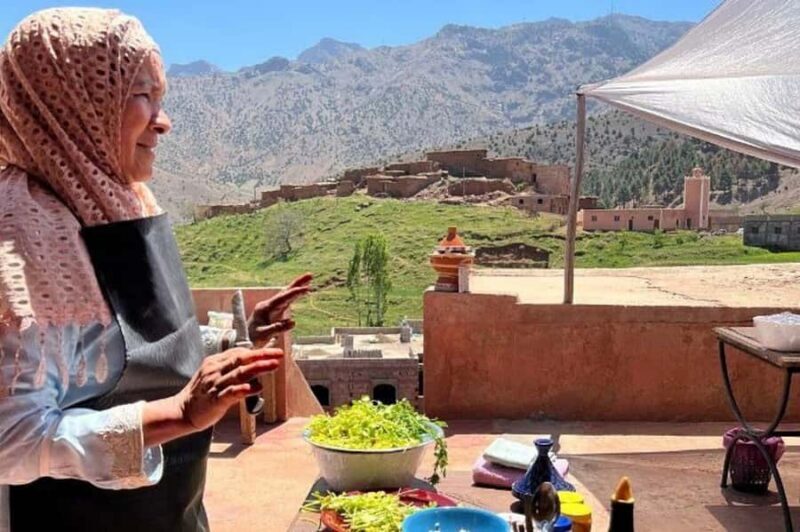
The cooking takes place in a Berber family home in the mountains, with a short walk uphill required at some homes. Reports describe routes of roughly five to fifteen minutes, sometimes on narrow paths with steps. It is not a major hike for most people, but the footing and slope matter, especially if you have limited mobility.
That walk is a real practical consideration, not a minor footnote. The experience is not suitable for wheelchair users or people with mobility impairments, and anyone uncertain about uneven paths should ask the operator about the exact access before booking.
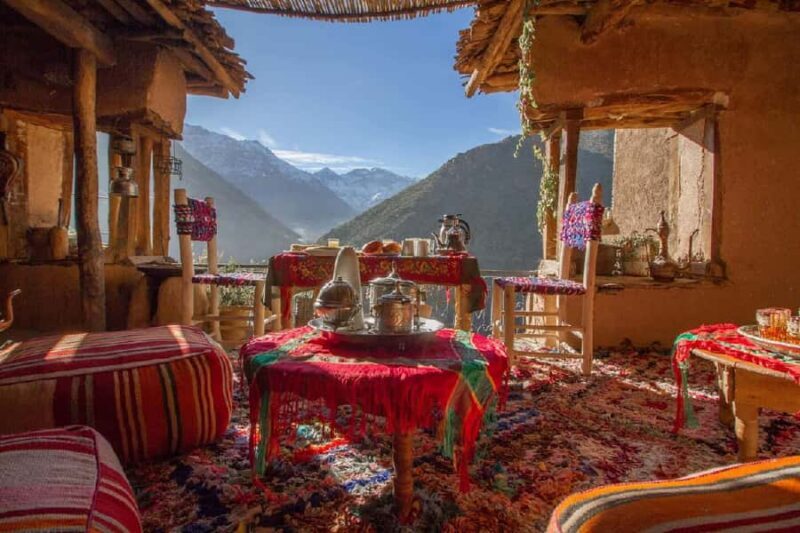
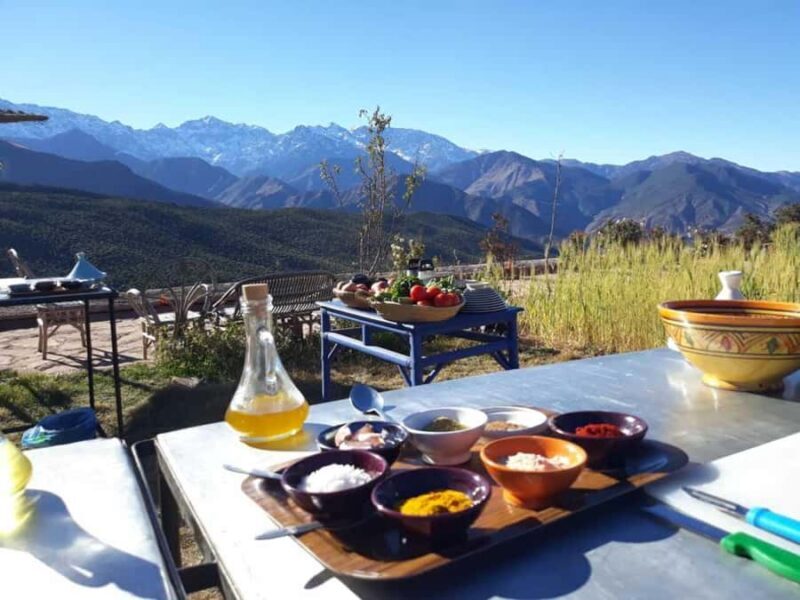
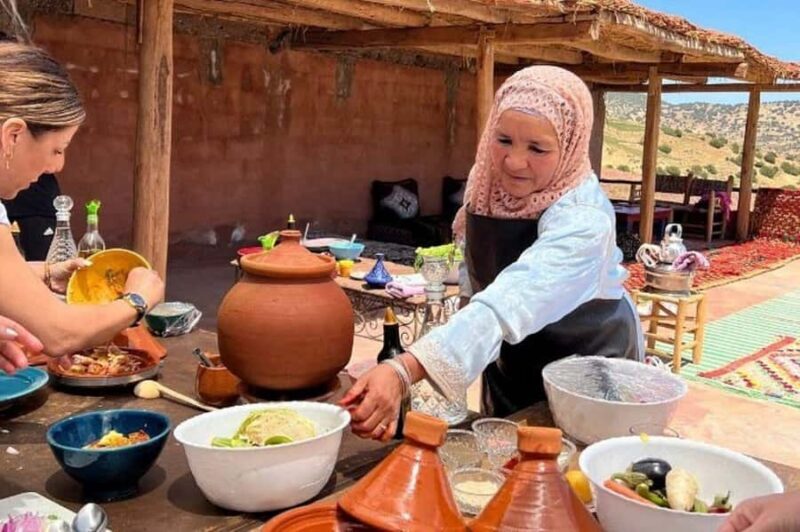
On arrival, expect a warm welcome, often with tea or coffee before the cooking begins. The home and its setting are central to the day: you are not in a purpose-built classroom, but in a family space with mountain views. Some visitors have cooked or eaten on a terrace; in cold weather, the activity may move indoors.
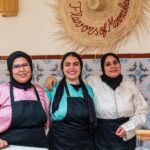
The family members and guide can differ from one departure to another. Ibrahim and his mother, often called Mama or Yemena, are among the hosts visitors have met, while Badr and Ismail have also guided groups. The guide typically helps bridge the language gap and provides context while the grandmother leads the kitchen work.
Cooking with the grandmother
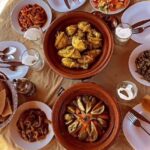
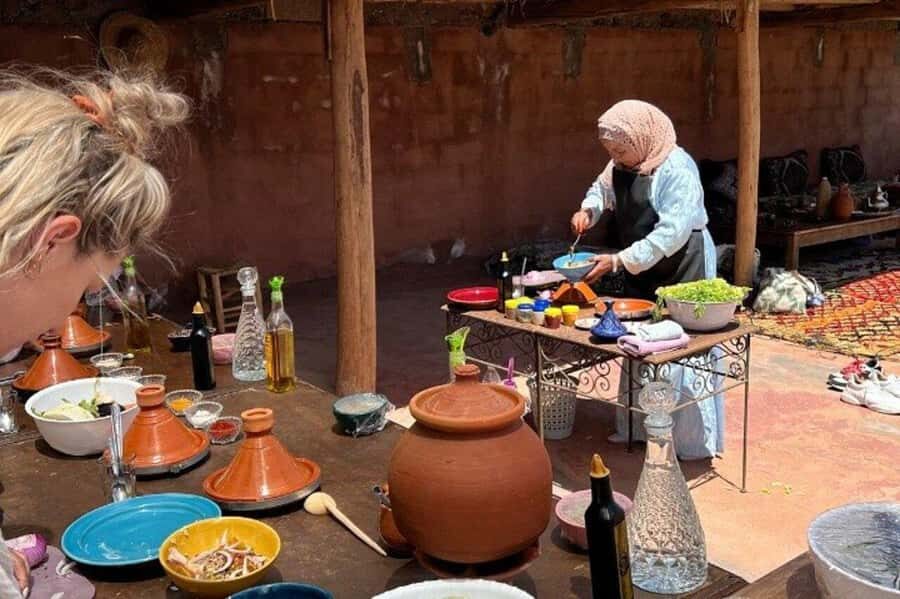
The meal is prepared together, step by step. Common dishes include chicken tagine, vegetable couscous, and traditional bread, sometimes baked in a wood-fired oven. The exact menu can change, but the core appeal is consistent: you handle the ingredients and see how a home meal comes together.
This is more a practical introduction to traditional cooking than a polished culinary-school lesson. You may learn how to arrange ingredients in a tagine, prepare vegetables, make bread, or build the meal in stages. The methods are often simple, but that is useful: the lesson is about technique, sequence, and the way food is made in a family setting, not complicated recipes.
There is also a cultural exchange woven into the work. You can ask the guide about local life and traditions while the grandmother shows you what to do. Some guides share stories about growing up in the village, and the shared preparation gives those conversations a natural setting.
If you want a formal recipe handout or a class focused on professional cooking techniques, this may not be the right fit. The lasting value is more personal: learning beside the person who makes the food, seeing the household setting, and understanding why a meal takes time.
More Great Tours NearbyA late, generous lunch
Once the cooking is done, you sit down to a three-course lunch in the family home. The food is plentiful, and the meal often includes the dishes you helped prepare. Tea or coffee is included, and the slower pace gives you time to talk with the hosts and take in the mountain setting.
Do not count on eating at noon. Lunch has often been served between about 2:30 and 4 p.m., which makes a proper breakfast wise. If you have children with you, or simply get hungry early, pack a snack and water rather than expecting the meal to arrive soon after pickup.
The cooking and lunch are the heart of the experience, but the hospitality is what makes the day feel personal. You are welcomed into someone’s home, not just shown a recipe. That can make the tour especially rewarding if you want to understand a little more about daily life beyond Marrakech’s medina and tourist routes.

What the $54 price gets you
At $54 per person, the price includes hotel pickup and drop-off, an air-conditioned vehicle, a local guide, the cooking class, lunch, coffee or tea, and bottled water. The small-group cap of 10 helps keep the visit more conversational than a large coach excursion.
The value rests on several parts of the day working together: transport into the mountains, a local shopping stop, a family-hosted class, and a full meal. If you compare it with a cooking class in Marrakech, the added cost is paying for the mountain setting and the time with a family, not simply for learning a recipe.
It may feel less worthwhile if your main goal is a short, tightly scheduled class or if you are looking for advanced cooking instruction. It is also a long outing for anyone who prefers quick stops and a fixed return time. The seven-hour estimate should be treated as a guide, not a promise; give yourself room for a day that runs closer to nine hours.
Who will enjoy this day most
I would choose this trip if you want to get beyond Marrakech for a day and value conversation, food, and local context as much as sightseeing. It suits curious cooks, couples, families with older children, and anyone who likes a relaxed visit where participation matters more than ticking off landmarks. One family successfully brought a five-year-old, and dietary needs have been accommodated when arranged.
The group size is capped at 10, but the atmosphere depends on who is in the group and which languages people speak. Guides work in French and English. If you need the day to be conducted in one language, confirm that when booking; a mixed-language group may mean some explanations are delivered in both.
Pack comfortable shoes, warm clothing, a sun hat, a camera, and water. Mountain conditions can feel cooler than Marrakech, and the walk to the home makes sturdy footwear more useful than dress shoes. Pets are not allowed.
Should you book it?
Book this if you want a full day of mountain scenery, home cooking, and genuine time with a Berber family. The market stop and shared preparation make the meal feel earned, while the hosts and guides give you a more human view of the Atlas Mountains than a drive-by visit.
Skip it if you need step-free access, have a strict evening schedule, or want a quick class with a fixed lunchtime. For most people who can manage the walk and the long day, the strongest reason to go is simple: you leave Marrakech, cook a meal with a local family, and sit down together to eat it.
Marrakech: Atlas Mountains Cooking Class with Berber Family
FAQ
How long does the tour take?
The stated duration is seven hours. In practice, the drive, cooking, and lunch can extend the day to around nine hours, so leave room in your schedule.
What languages does the guide speak?
Guides speak French and English. If you need one language in particular, confirm it when arranging your tour.
Is hotel pickup included?
Yes. Pickup and drop-off are included. For a riad in the Medina that a car cannot reach, pickup is arranged at the nearest accessible point.
How large is the group?
The small group is limited to 10 participants.
What food is included?
A three-course lunch is included, along with coffee or tea and bottled water. Common dishes prepared during the class include tagine, couscous, and bread, though the menu may vary.
What should I bring?
Bring comfortable shoes, warm clothing, a sun hat, a camera, and water. A snack is also sensible because lunch may be served in mid-afternoon.
Is the tour suitable for wheelchair users or people with mobility impairments?
No. The tour is not suitable for wheelchair users or people with mobility impairments, and some homes require an uphill walk on narrow paths or steps.
You can check availability for your dates here: